REVIEW · FRANKFURT
21-Day Extensive European Highlights tour from Frankfurt: Germany, Czech Republic, Slovakia, Hungary, Austria, Switzerland, Italy, France, Netherlands, Belgium and Luxembourg
Book on Viator →Operated by goEUgo International Limited · Bookable on Viator
Twenty-one days, one long loop, lots of contrasts. This Europe highlights trip is built for travelers who want big-name cities and real variety, rolling from German fairy-tale streets to the Swiss peaks, then on to Rome, Paris, and the small-country charm of Luxembourg. You’ll ride in modern air-conditioned coaches, sleep in 3-star (min) hotels with private facilities, and start each day with continental breakfast.
What I like most: you get major sights with a guide’s structure, not just wandering on your own. I also like that the route mixes “famous landmarks” with practical, memorable experiences—like a proper day in the Swiss mountains and classic Danube viewpoints in Budapest. One thing to think about: this is a fast-moving coach-travel format, so some stops feel like highlight reels more than slow, deep visits.
In This Review
- Quick Takeaways: What You’ll Actually Feel on This Trip
- Value, Pace, and the Reality Check on a 21-Day Highlights Tour
- Day 1–2: From Frankfurt to Fairytale Prague and the Royal Route
- Day 3: Budapest’s Danube Split—Buda Views and Pest Landmarks
- Day 4: Vienna with Schönbrunn, Hofburg, and St. Stephen’s
- Day 5: Mondsee (Sound of Music vibes) and Munich’s Marienplatz
- Day 6–7: Titlis and Lucerne—Swiss Alps That Feel Like a Different Planet
- Day 8–10: Cologne to Zaanse Schans to Amsterdam to Brussels
- Day 11–12: Paris Icons, Versailles, Louvre, and a Seine Cruise
- Day 13–15: Basel to Lucerne to Milan to Venice
- Day 16–17: Vatican City, St. Peter’s, Colosseum, Florence, Pisa
- Day 18–20: Mediterranean Stops, Champagne Reims, and Luxembourg’s Grand Duchy
- Day 21: Trier, Porta Nigra, and Closing Back in Frankfurt
- What’s Included (and What You’ll Still Need to Budget)
- Who This Tour Fits Best (and Who Might Prefer a Different Style)
- Should You Book This 21-Day Europe Highlights Tour from Frankfurt?
- FAQ
- Where does the tour start, and what time?
- How much does the tour cost, and what’s included for meals?
- What kind of accommodation do you get?
- Is transportation included?
- Are attraction tickets included?
- Is a tip required?
Quick Takeaways: What You’ll Actually Feel on This Trip
- A guide-led hit list across 11 countries: Prague, Vienna, Switzerland, Italy, Paris, Benelux, and Luxembourg are all part of one continuous storyline.
- Swiss Alps with real altitude time: Titlis gives you serious mountain scale, not just a photo stop.
- Danube City Views in Budapest: Fisherman’s Bastion, Matthias Church area, and river panoramas help you understand why locals love the skyline.
- One big art run: Vatican, Louvre, Sistine option, and more: it’s designed for people who want masterpieces without planning 10 separate tickets.
- Long days on the road are part of the package: the route moves between regions, and that affects how long you’ll linger in each place.
- You’ll pay extra for entrances and meals: key museum/city fees aren’t included in full, and tips are mandatory.
Value, Pace, and the Reality Check on a 21-Day Highlights Tour
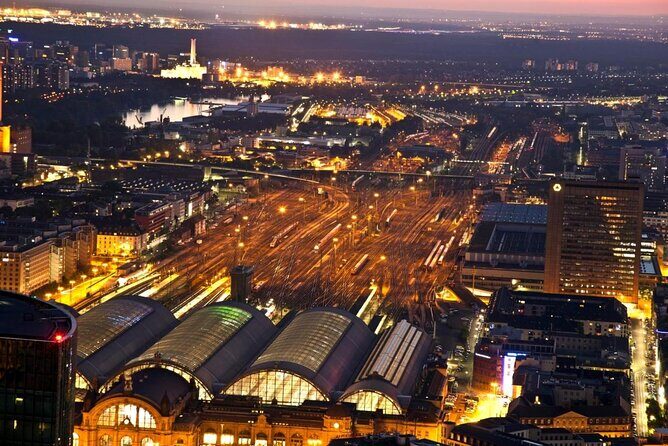
At $2,798.05 per person, this is not a bargain-basement deal. You’re paying for something useful: solved logistics, transport by modern coach with a professional driver, guided sightseeing in multiple cities, and hotel stays in twin rooms with private facilities (and breakfast each morning). If you’re the kind of traveler who hates booking trains, reading multiple ticket rules, and constantly coordinating meeting points, this kind of package starts to look like good value.
Now the pace. Most attraction stops in the plan are roughly about an hour, and many have admissions not included. That means the day is built around seeing “the main thing,” then getting back on the coach. The upside is you cover enormous ground. The downside is you won’t have days of free time in every city—especially when the route shifts between regions.
And there’s a modular feel to the route. Some parts mention travelers saying goodbye or switching to other tour sections (Red Line / Green Line). In plain terms: you should expect that the group composition can change and the flow of the trip can feel like “moving through Europe,” not “camping in one place.”
You can also read our reviews of more tours and experiences in Frankfurt.
Day 1–2: From Frankfurt to Fairytale Prague and the Royal Route
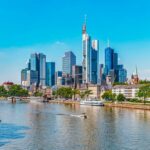
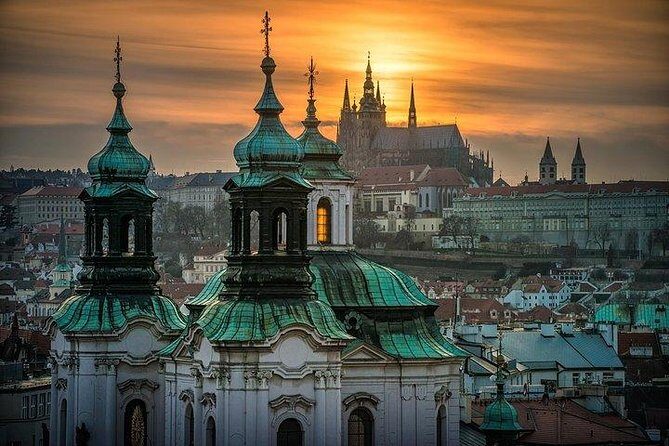
You start from Frankfurt (Main) Central Station at 8:30 am, then roll into classic German countryside before crossing into the Czech Republic. The first arrival is Prague in the evening, which is a smart start: you get the city’s mood right away, with the ornate architecture setting the tone for everything to come.
Prague Day 2 is built around the Royal Route and the heart of Prague Castle. You’ll walk up from Castle Hill in the Hradčany district to the castle complex that’s been tied to Bohemian royalty for centuries. It’s also one of the best ways to get oriented fast, because the viewpoints teach you where the city “sits” and how the Vltava River cuts through it.
The guided stops include:
- Prague Castle areas (the main castle tour is guided, with timing around an hour)
- St. Vitus Cathedral and the Old Royal Palace circuit
- Golden Lane, lined with traditional buildings
- St. George’s Basilica
Then you transition toward Old Town, with the Astronomical Clock in Old Town Square and a stroll toward Charles Bridge.
Practical note: several of these monument visits list admission tickets as not included, so plan to budget for some paid entry during your Prague days.
Day 3: Budapest’s Danube Split—Buda Views and Pest Landmarks
From Bratislava area onward, the route brings you into Hungary and to Budapest, often described as two cities stitched together by the Danube. The sightseeing style here is very “seeing the layers”: you get viewpoints from the Buda side and landmarks on the Pest side.
The plan includes:
- A Danube River day component (with an optional cruise mentioned as a great way to see the city)
- Budapest History Museum / Castle Museum and time tied to exhibitions or Hungarian gallery options
- Fisherman’s Bastion and the Matthias Church area
- Gellért Hill for panoramic views
- Heroes’ Square and the riverside Parliament Building area
In the evening, there’s also an optional dinner with Hungarian dishes and folkdance/music—handy if you want culture that goes beyond architecture.
What you’ll learn quickly: Budapest isn’t just pretty. The city layout explains why locals built “statement” buildings along the hills and river edges. If you’re even a little into city geography, these viewpoints are worth showing up for early, because they make the whole trip make sense.
Day 4: Vienna with Schönbrunn, Hofburg, and St. Stephen’s
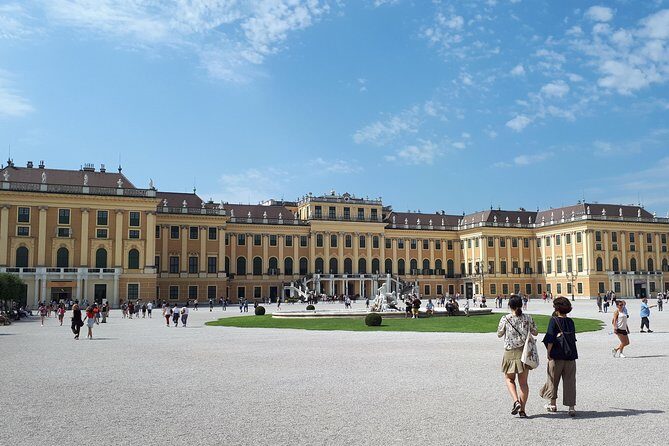
Vienna is the Habsburg-heavy reset button on the tour—grand palaces, big churches, and a sense of old Europe order. Your day starts at Schönbrunn Palace, the Rococo summer residence of the Habsburg dynasty. Even if you don’t buy additional palace tickets, the exterior and area context help you understand why Vienna’s style became an empire brand.
Then you move through the Hofburg area with a drive past major civic buildings. Shopping time is built in, which is nice because Vienna can be “all ceremony” until you’ve eaten and walked long enough to crave something casual.
Later stops include:
- Wiener Staatsoper (opera house, as a key Vienna building)
- St. Stephen’s Cathedral and a stroll in Stadtpark, known for sculptures (including the Johann Strauss II statue)
There’s also an optional idea of a Viennese waltz concert—useful if you want the music side of the city, not just the stone.
Day 5: Mondsee (Sound of Music vibes) and Munich’s Marienplatz
The route leaves Vienna for another Austrian stop: Mondsee, home to Basilika St. Michael, connected in popular culture to The Sound of Music wedding scene. This is one of those moments where film history helps you “see” a place even if you’re not going full documentary mode.
After lunch, you cross into Germany for Munich. The focus is on Marienplatz and the New Town Hall—the city center where you can feel how Munich runs. You’ll also have time to grab a beer in a beer garden if you want a slower pace before the next big transport day.
If you’re wondering whether this day feels rushed: yes, it’s more orientation than deep dive. But it does put you in the right squares and streets—so you can later wander on your own time if you return someday.

Day 6–7: Titlis and Lucerne—Swiss Alps That Feel Like a Different Planet
Then comes the part people remember.
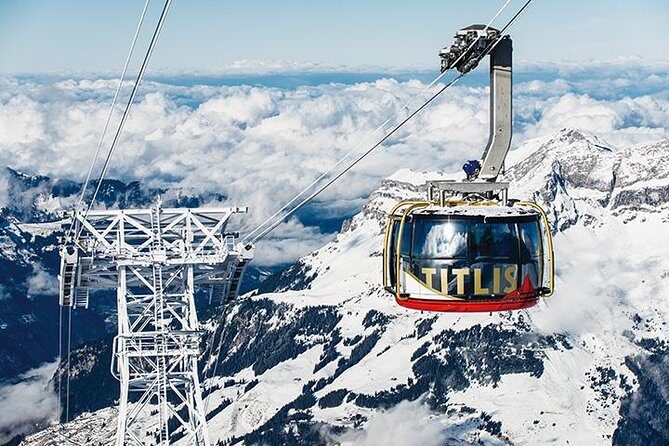
You head into the Swiss Alps with Engelberg as the base and a chance to ride cable cars up to Mt. Titlis. The plan mentions the Titlis Rotair, a revolving gondola, and emphasizes the viewpoint payoff: valleys, glaciers, lakes, forests, and a broad 360° feel from the summit sun terrace.
This is also where you can choose how “active” your day gets, because the mountain piece is optional in terms of cable car participation—but if you can swing it, this is the tour’s strongest “wow” factor.
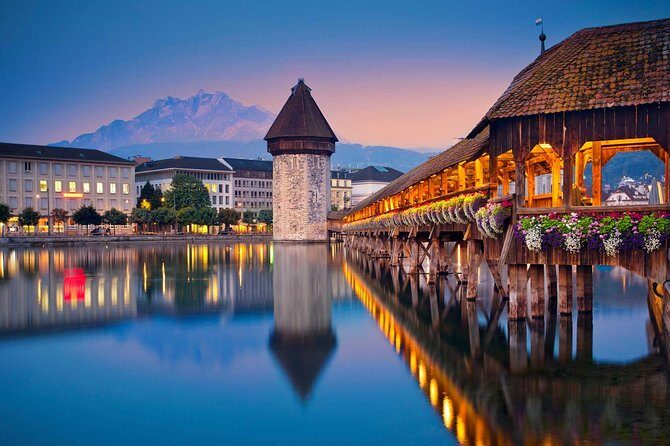
Next up is Lucerne, one of the most walkable and postcard-friendly cities on the route. You’ll have time around:
- Lion Monument (Mark Twain’s famous description is referenced in the plan)
- Chapel Bridge and the Water Tower area (plus preserved Baroque/Gothic architecture)
There’s also mention that if weather and traffic allow, you might get a photo stop in Liechtenstein—so don’t plan your day around it, but it’s a nice bonus when it happens.
Day 7 shifts to Zurich territory:
- Lake Zurich picture stop
- Rhine Falls, Europe’s biggest waterfall in the plan
Then you cut back into Germany via the Black Forest and Lake Titisee, with time for cafés, Black Forest cake, and a cuckoo clock shop experience with a demonstration.
Finally, you return to Frankfurt. For some people it’s a goodbye point; others may continue on another line. Either way, this stretch gives you the trip’s best balance: big sights plus outdoor scale.
Day 8–10: Cologne to Zaanse Schans to Amsterdam to Brussels
After Frankfurt, the route goes through Bonn and Cologne. In Bonn, you get orientation and stops connected to Beethoven-Haus. In Cologne, the big focus is the Cologne Cathedral, a UNESCO World Heritage Site—an internal visit is included in the plan.
Then it’s onward to the Netherlands and Amsterdam.
The Dutch day includes classic “why the Netherlands looks like that” stops:
- Zaanse Schans for windmills, clogs, and cheese culture (a model town feel)
- Amsterdam canal ring area and an option for a canal cruise
- Dam Square and the Royal Palace area
- Time to explore and shop
A note on Keukenhof: it only happens if you travel mid-March to mid-May. If it’s your season, it’s a rare chance to tack on an enormous tulip display without arranging it yourself.
You also get a Brussels stop before Paris:
- Atomium (the 1958 World’s Fair structure)
- Grand Place orientation
- Manneken Pis photo moment
Then you head into Paris.
Day 11–12: Paris Icons, Versailles, Louvre, and a Seine Cruise
Paris is your two-day “major capitals” moment. The stops are dramatic and familiar, but the structure helps you get your bearings fast.
Early in the first Paris day, you drive along Champs-Élysées to Place de la Concorde. You see Arc de Triomphe and a photo stop at the Eiffel Tower (the plan notes without climbing). Next you move toward Les Invalides for Napoleon’s tomb area, then out to Versailles.
Versailles can feel like sensory overload in the best way. Even when your time is limited, the scale changes your mental map of the French monarchy. The plan also mentions optional Paris evening shows later—helpful if you want something “on-theme” without planning.
Day 12 leans art-and-views:
- Louvre Museum with famous works listed (Venus de Milo, Winged Victory of Samothrace, and Leonardo’s Mona Lisa)
- Optional guided gallery approach
- Seine River cruise for landmark views like Notre-Dame and Pont Alexandre III
- Palais Garnier area (opera house zone)
- Shopping time at Galeries Lafayette, plus an optional French dinner and show
This is a lot for two days. If you want the Louvre experience to actually work for you, pick a short list of what you care about most before you arrive—otherwise you can lose the meaning inside the sheer size.
Day 13–15: Basel to Lucerne to Milan to Venice
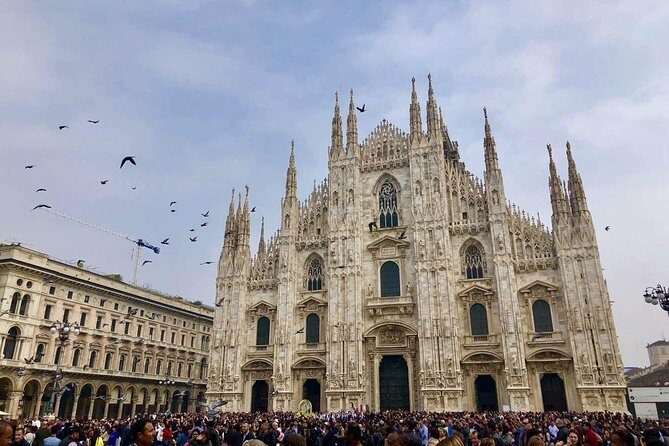
Here the route swings back toward Swiss/Italian geography. You’ll pass Basel (border area where Switzerland, France, and Germany meet) and then arrive in Lucerne again, with time to see Chapel Bridge and nearby landmarks.
Then it’s south into Italy for Milan. You get:
- Duomo di Milano (Gothic cathedral)
- Galleria Vittorio Emanuele II (shopping arcade)
Time here is perfect if you like fashion and design, but it’s also good for fueling up—because after Milan you move to Venice, where walking plus waterbus logistics can drain you if you don’t plan snacks and hydration.
Venice day includes:
- A water bus ride to San Marco Island
- Guided areas around St. Mark’s Basilica
- Stops connected to Doge’s Palace and the Bridge of Sighs
- A visit tied to Murano glass craft demonstrations
And there’s an optional gondola ride described as a must for most people.
Then you travel to Rome in the afternoon.
Day 16–17: Vatican City, St. Peter’s, Colosseum, Florence, Pisa
Rome is packed into one day in the plan, and that can be a good thing if you’re strategic.
You start at Vatican City, visiting:
- St. Peter’s Basilica
- Optional Sistine Chapel tour (for Michelangelo’s ceiling)
Then you move to “Rome’s greatest hits”:
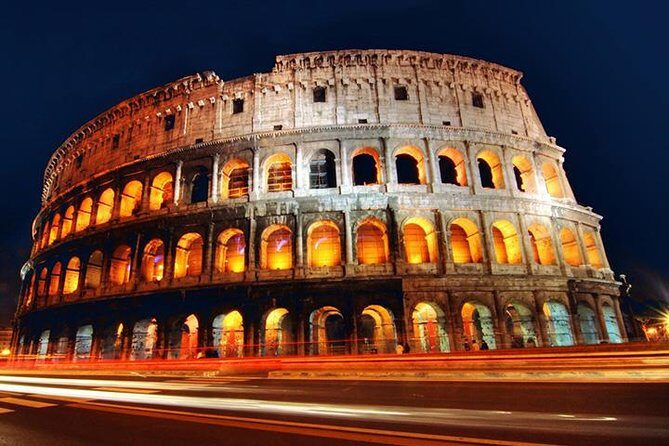
- Colosseum
- Arch of Constantine
- Free time to enjoy gelato and wander
The key is this: Rome’s main sites are spread out, and the plan uses a coach-and-walk rhythm so you can see the big anchors without getting stuck trying to plot transit for yourself.
The following day is Florence:
- Panoramic overview from Piazzale Michelangelo
- Walk around Ponte Vecchio and craft/lifestyle time tied to leather workshops
- Time in/around Piazza del Duomo and the Campanile di Giotto
- A pass by Gallerie degli Uffizi
Then you transfer toward Pisa late enough to enjoy free time and get the iconic Leaning Tower shot in the Square of Miracles area (cathedral and baptistery also mentioned as part of that complex).
The plan notes you’re transferring toward a city near Genoa for overnight, but you won’t stay in Genoa and won’t visit Genoa itself. So think of it as “sleeping in the region,” not “seeing another major city.”
Day 18–20: Mediterranean Stops, Champagne Reims, and Luxembourg’s Grand Duchy
Day 18 turns toward the French Riviera:
- Drive along the Mediterranean coastline to Monaco
- Optional sightseeing in Monaco including Oceanographic Museum of Monaco
- Walk tied to the Prince’s Palace, plus viewpoints and nearby sites
- Visit-related stops including the Cathedral area where Grace Kelly is buried (as noted in the plan)
Then it moves to Cannes, with stops tied to Fragonard Perfume Factory and time in Nice for lunch. You’ll also get photos around the Palais des Festivals et des Congrès.
Day 19 is a rest-and-road day north toward Paris, and the plan notes that accommodation on the last day isn’t included. Translation: even when your sightseeing portion ends, you still need to plan how you finish your personal stay.
Day 20 adds two very different flavors:
- Champagne region stop at Reims, including Cathedrale Notre-Dame de Reims (coronations of French kings are referenced)
- Arrival in Luxembourg, described as the world’s only remaining Grand Duchy
You’ll get a walking introduction around:
- Place de la Constitution
- Pont Adolphe
with time for your own exploration.
Day 21: Trier, Porta Nigra, and Closing Back in Frankfurt
Your final day brings you back into Germany with Trier, described as Germany’s oldest city and linked to Karl Marx.
You’ll see:
- Karl Marx Haus (birthplace house area, exterior noted as what you see)
- Walking through the center and the Porta Nigra Roman city gate
Then you head to Koblenz for the confluence of the Rhine and Mosel. There’s an option for a scenic Rhine boat cruise.
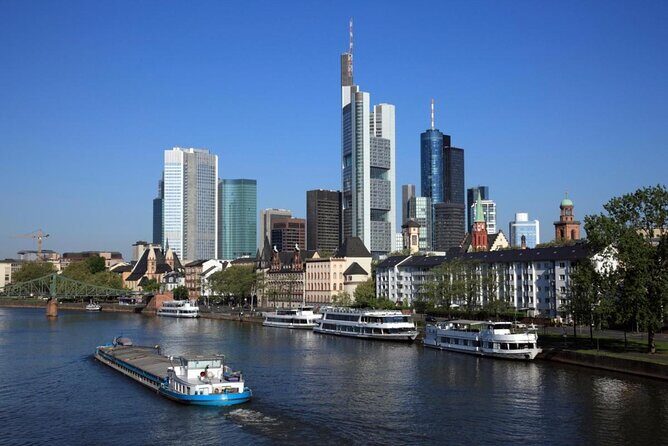
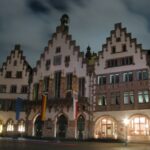
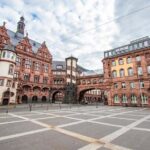
Afterward, you pass through Rüdesheim in wine-making country, then end back in Frankfurt with time around Römerberg, the medieval-style plaza with a distinctive town hall centerpiece.
This ending works well because it brings you back to the “home base” feel of the trip.
What’s Included (and What You’ll Still Need to Budget)
Included is the stuff that saves you time and stress:
- Hotel nights in comfortable 3-star (minimum) properties, twin rooms with private facilities (except the last night)
- Daily continental breakfasts (listed as 20)
- Modern air-conditioned coach transport and a professional driver
- An experienced tour manager
- Round-trip travel back to Frankfurt Main Central Station
Not included is where your “true trip cost” shows up:
- Mandatory tip €10 per person per day (cash collected by the tour manager)
- Meals and drinks
- Entrance tickets and city fees
- A specific mention that city entrance fees + taxes in Paris, Czech Republic, Vienna, Venice, and Rome are capped at €100 total for the entire tour
- Accommodation on the last day
If you want this to feel smooth, budget for meals on top of entrance fees and keep cash ready for the tip.
Who This Tour Fits Best (and Who Might Prefer a Different Style)
This tour fits you if:
- You want to check off a long list of “big Europe” names without doing all the planning.
- You’re okay with a coach pace and short guided blocks (often around an hour per highlight).
- You enjoy variety—cathedrals, palaces, museums, and Swiss mountain scenery in one string.
You might want a different setup if:
- You hate travel days and need lots of time in one city.
- You want museum time measured in hours of wandering, not a guided “greatest hits” session.
- You’re hoping for lots of included meals—most meals are on your own.
Should You Book This 21-Day Europe Highlights Tour from Frankfurt?
I’d book it if your main goal is maximum Europe coverage with minimal logistics stress—and you’re fine paying for admissions and meals as you go. The Swiss Alps day, Budapest viewpoints, and the major art stops (Vatican/Louvre) are the kind of experiences that feel worth doing even when the pacing is brisk.
But if you’re expecting a slow, linger-and-learn journey where every city gets a full day of breathing room, adjust your expectations. This is a “see a lot” tour. Done with the right mindset, it’s a fun way to get a strong first map of Europe—then return later to the places you love most.
FAQ
Where does the tour start, and what time?
It starts at Frankfurt (Main) Central Station (Frankfurt am Main Hauptbahnhof, 60329 Frankfurt am Main, Germany) at 8:30 am.
How much does the tour cost, and what’s included for meals?
The price listed is $2,798.05 per person. Daily continental breakfast is included (20 breakfasts), but lunches and dinners are not included.
What kind of accommodation do you get?
Accommodation is provided in a comfortable 3-star (minimum) hotel, with twin rooms and private facilities. Accommodation on the last day is not included.
Is transportation included?
Yes. You travel by modern air-conditioned coaches with an experienced professional coach driver, and there is a tour manager on the trip.
Are attraction tickets included?
Not generally. City entrance fees + taxes in Paris, the Czech Republic, Vienna, Venice, and Rome are capped at €100 total for the entire tour, but many specific attraction admissions are listed as not included. Optional activities have additional costs.
Is a tip required?
Yes. A mandatory tip of €10 per person per day is collected by the tour manager in cash during the tour.