REVIEW · WIESBADEN
Wiesbaden: Culinary city tour through the Bergkirchenviertel
Book on GetYourGuide →Operated by Wiesbaden Congress & Marketing GmbH · Bookable on GetYourGuide
Wiesbaden has a side most people miss. This culinary city tour takes you through the Bergkirchenviertel, a working-class quarter with a stubborn spirit and a current-day Kiez feeling—all while you taste local food and wine along the way.
I really like the mix of neighborhood storytelling plus practical strolling. You’re not stuck in a museum mood; you’re learning why streets here look the way they do, and you’re doing it at the pace of a friendly local walk.
The main thing to consider is that the tour can vary in timing and access. In at least one run, the Bergkirche visit didn’t happen and the tour felt closer to 1.5 hours, with fewer tastings than originally mapped—so go in with a little flexibility.
In This Review
- Key things to know before you go
- Bergkirchenviertel: the 2-hour walk with real neighborhood gravity
- How the 2 hours usually work in real life
- The Bergkirche and the meaning behind the name
- Tastings in the Bergkirchenviertel: what you’re really paying for
- A stop-by-stop feel (with names you can map in advance)
- Guides make or break a food tour, and this one can shine
- Public walking tour energy: a good size for conversation
- Wheelchair accessible in the way that matters
- Price and value: is $44 fair for two hours?
- Who this tour is perfect for (and who should think twice)
- Should you book the Wiesbaden Bergkirchenviertel culinary city tour?
- FAQ
- How long is the Wiesbaden Bergkirchenviertel culinary city tour?
- What language is the tour guide?
- What’s included in the tour price?
- Where do I meet the guide?
- Is the tour wheelchair accessible?
- Are there wine tastings?
- What price should I expect?
- Is there a cancellation deadline?
- Is pay later available?
Key things to know before you go
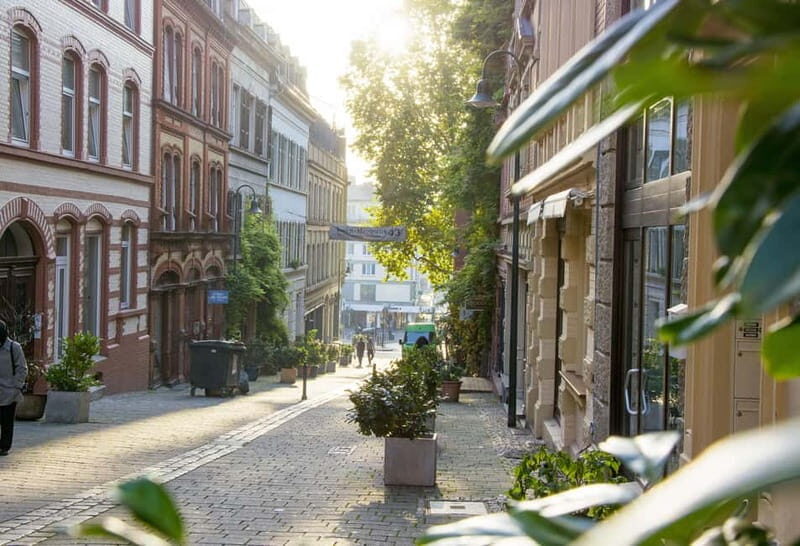
- Bergkirchenviertel + Katzenloch context: why small flats earned a nickname and how residents fought redevelopment in the 1960s
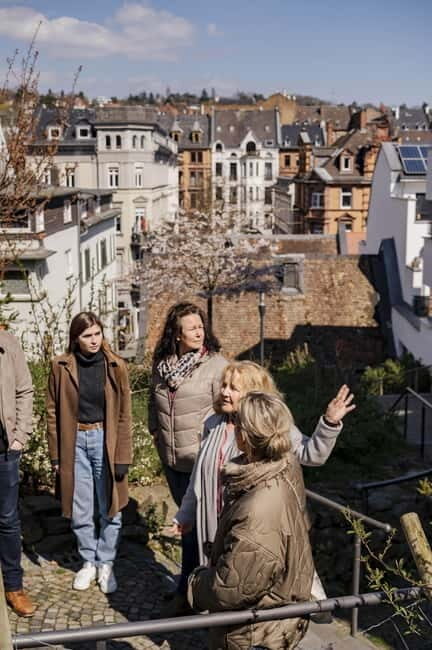
- A German guide who wears a name tag: easy to spot and follow along
- Multiple tasting stops: expect sweet-and-savory bites, plus wine and other treats
- Atmospheric streets and backyards: French charm feel, plus small-café energy
- Some variation happens: timing and number of tastings can change depending on the day
Bergkirchenviertel: the 2-hour walk with real neighborhood gravity
This tour is built around the Bergkirchenviertel, a district in Wiesbaden that went from workers’ housing to a lively area with cafés, individual shops, bars, cabarets, and galleries. The streets have that lived-in look you can’t fake. And the vibe is not “tour-bus curated.” It feels like people actually use these blocks every day.
What makes it interesting is the backstory. The neighborhood was once full of small flats—so small the area reportedly earned the nickname Katzenloch. When demolition plans showed up in the 1960s, residents didn’t just shrug and move on. There were major protests and political disputes, followed by careful redevelopment instead of a total wipeout. You can feel that local resistance in the way the quarter kept its identity.
The big win here is that you’re learning the neighborhood while you’re moving through it. That matters because Wiesbaden can feel orderly from the outside, but this quarter shows the city’s personality underneath: history you can walk through and taste along the way.
You can also read our reviews of more city tours in Wiesbaden


How the 2 hours usually work in real life
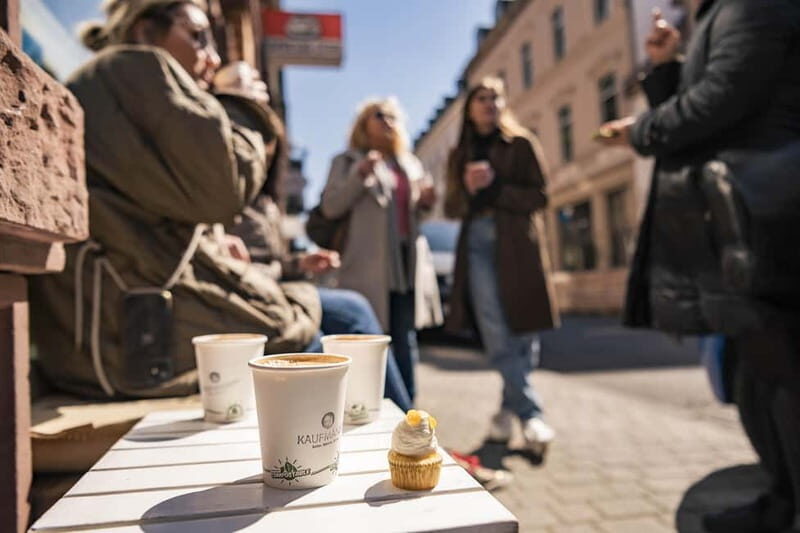
The duration is listed at 2 hours, and it’s a walking tour with tasting stops. That sounds straightforward, but tasting tours have a rhythm of their own. You’ll need a little patience as groups pause for food and drink, and you’ll probably do a few short stretches where you’re on the move again.
There’s also a practical timing consideration: some departures may run a bit shorter than the full two hours, depending on how the stops line up that day. If you’re the type who hates any schedule wiggle, this might feel slightly uncomfortable. If you’re happy to enjoy the process—people, food, conversation—you’ll probably find the pacing pretty natural.
One more tip: wear comfortable walking shoes. Even if you’re not on a long distance route, the quarter’s cobbled-feeling streets and backstreet turns add up over time. You’ll want to keep your feet happy so your brain can focus on the stories and the tastings.
The Bergkirche and the meaning behind the name
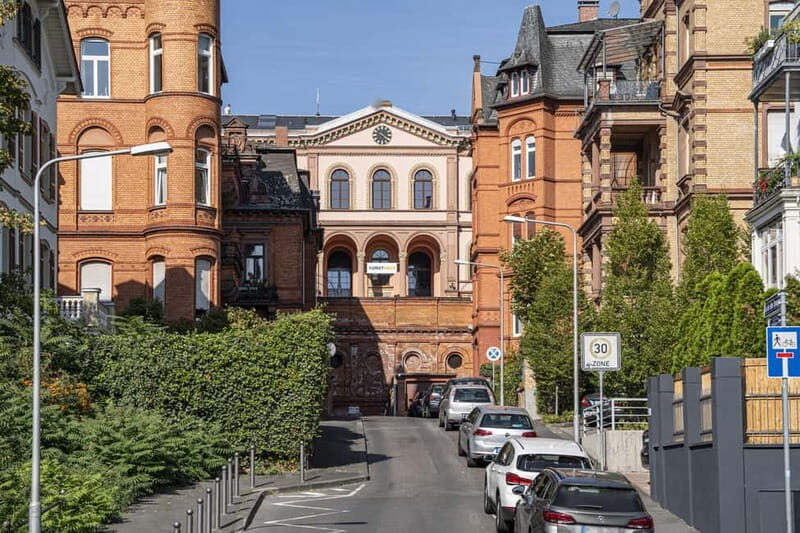
The Bergkirchenviertel takes its name from the Bergkirche, a beautiful church that anchors the neighborhood. On paper, you should associate this tour with the church and its setting in the quarter—because that’s literally part of why the district is named the way it is.
Still, it’s worth knowing that access can depend on the day. In at least one instance, the Bergkirche visit didn’t happen as expected. That doesn’t mean the tour is pointless; the main neighborhood walk and the tastings still deliver. But if a church interior stop is a must-have for you, I’d consider this a “check first” item—especially if you’re traveling with limited time.
If you do get the chance to see the Bergkirche area as part of the tour, it’s a nice reminder that this isn’t just a food crawl. The church helps you understand how the district’s identity formed around a central landmark, not just storefronts.
Tastings in the Bergkirchenviertel: what you’re really paying for
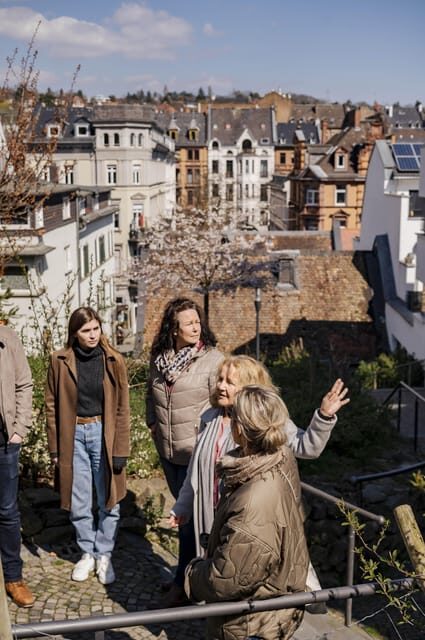
The price is $44 per person for a tour that lasts about two hours and includes a guided walk plus different tasting stops. Whether it’s a “value” for you depends on what you expect from a tasting tour.
Here’s the realistic math in plain terms: you’re not just buying snacks. You’re paying for three things at once:
- a guided route through a specific neighborhood
- the convenience of tasting multiple places without researching each one
- the guide’s context that turns a bite into a story
At venues like Café Dale and Kaufmanns Rösterei, you’ll find that the tour format comes with real hospitality. Those stops are part of what makes this feel like a curated experience rather than a DIY snack hunt.
Wine is also part of the concept. The idea is that you walk, taste, enjoy wine, and then add something savory to keep it balanced. And one stop tied to the wine theme is listed as Wine in the hood, which tells you the tour leans into the neighborhood’s present-day social scene.
One caution: in at least one run, the number of tastings was fewer than the tour materials implied. That’s exactly why I’d mentally budget for variety, not perfection. If you’re the kind of eater who wants your exact count of tastings locked in like a lab schedule, this tour may frustrate you on the wrong day.
A stop-by-stop feel (with names you can map in advance)
You won’t spend all your time outside. This is a true “walk and break” plan, with pauses that let you taste properly and reset.
Here are the specific places you can expect to see on the route, based on what’s been included:
- Café Dale: a tasting stop where you should be met warmly
- Kaufmanns Rösterei: another stop that serves up something you can enjoy without feeling rushed
- Wine in the hood: a wine-focused venue that may have limited seating depending on the group size
What about the fourth stop? The tour concept clearly points to multiple tastings, and some plans reference four. But real-world scheduling can change the exact mix. The best way to think about it is this: you’re guaranteed the neighborhood guide and multiple tastings, but the exact number can vary by day.
For you as a reader, that means two things:
1) Bring curiosity, not a checklist mindset.
2) If you’re hungry, treat the tour as a flavorful outing rather than a full dinner replacement.




Guides make or break a food tour, and this one can shine
This tour is guided in German, and the guide wears a name tag, so you can find the right person quickly when you arrive.
The experience seems to vary a bit depending on the specific guide running the day. You might meet Michael, who one group described as doing a tour that felt friendly, interesting, and easy to follow. Another guide mentioned in connection with a substitution is J. Schönmeier, who stepped in and still managed to keep things moving with solid neighborhood context.
Here’s why this matters for your decision: in tasting tours, the food is only half the story. The guide decides how the route flows, how you understand the neighborhood, and whether the tastings feel like part of a coherent plan.
When the guide is strong, you leave with a sharper sense of the district—not just “I ate some stuff,” but “I understood why this quarter fought for itself and what it looks like now.”
Public walking tour energy: a good size for conversation
This is a public guided tour. That usually means you’re walking with a group where conversation is possible, and you’ll hear the guide’s explanations clearly without feeling like you’re in a private bubble.
It also means you’ll notice logistics like seating. For example, in at least one stop (Wine in the hood), someone felt the seating assignment wasn’t ideal. That’s not the end of the world, but it’s a reminder that wine venues and small cafés can get tight with groups.
If you know you’re sensitive to crowding or standing time, arrive a little earlier than needed and settle into a spot where you can comfortably see and hear the guide during tastings.
Wheelchair accessible in the way that matters
The tour is listed as wheelchair accessible. That’s a big plus, and it also tells you the route is planned with access in mind. Still, you should expect a city walk—so the quality of the experience for mobility needs can depend on street conditions and venue entrances.
If you need the most reliable access possible, consider messaging ahead through the booking channel to confirm the practical route and venue entry on your specific date. You’ll get the best answer for how smooth it will feel day-of.
Price and value: is $44 fair for two hours?
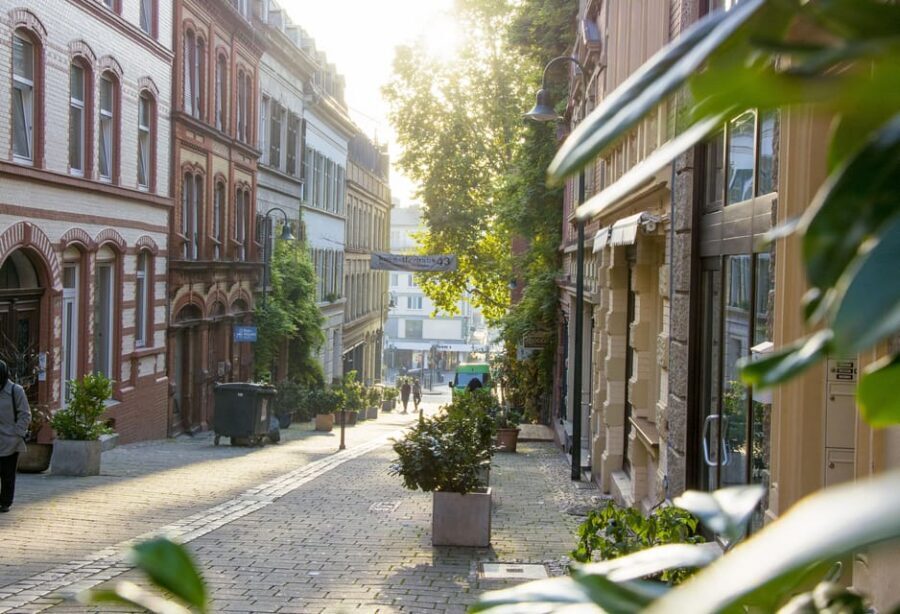
Let’s talk money in a sensible way. At $44 for about 2 hours, you’re paying for:
- a guided walking tour through a defined neighborhood
- several tasting stops (including wine and savory items)
- the convenience of not coordinating multiple reservations yourself
That price can feel fair if you value local guidance and don’t want to do the research and logistical hopping. It can feel high if you mainly want food and you’re already comfortable building your own snack-and-wine route.
For me, the value hinges on the guide and the accuracy of what’s promised. The best tours are the ones where the number of tastings matches expectations and the key sights happen. If a Bergkirche visit and a tasting stop are missing on your day, your cost-per-bite drops.
So here’s the balanced way to decide: book if you want a guided neighborhood story plus multiple bites. Consider it with caution if you’re planning the tour as your main meal and you can’t adapt if the day runs a bit shorter.
Who this tour is perfect for (and who should think twice)
You’ll likely love it if:
- you want a food-and-story walk rather than a checklist sightseeing circuit
- you care about how neighborhoods form through community action (the 1960s protest and careful redevelopment angle)
- you enjoy tasting at small local spots like cafés and specialty eateries
- you like wine as part of the outing, not just a random drink stop
You might want to think twice if:
- you need a strict schedule with guaranteed church access and a fixed number of tastings
- you’re only interested in the Bergkirche itself and not the neighborhood context around it
- you’re extremely sensitive to group seating constraints in smaller venues
Should you book the Wiesbaden Bergkirchenviertel culinary city tour?
If your goal is to get a real feel for Wiesbaden beyond the main sights, I think this is a smart booking—especially because it combines Bergkirchenviertel neighborhood context with multiple tasting stops. You’re also getting a guide in German with a clear start point (the name tag) and a walk format that’s friendly for people who like to be on foot.
My advice: book it if you’re flexible enough to enjoy the day as it unfolds. The tour experience seems strongest when the guide keeps the story flowing and the stops line up smoothly. If Bergkirche interior access and an exact count of tastings are non-negotiable for you, consider planning your expectations accordingly or checking in with the operator to confirm how the route runs on your date.
FAQ
How long is the Wiesbaden Bergkirchenviertel culinary city tour?
The tour duration is listed as 2 hours.
What language is the tour guide?
The live tour guide speaks German.
What’s included in the tour price?
You get a guided tour with an experienced guide and different tasting stops.
Where do I meet the guide?
You meet your guide at the meeting point, and the guide will wear a name tag.
Is the tour wheelchair accessible?
Yes, the tour is listed as wheelchair accessible.
Are there wine tastings?
Yes, the tour includes enjoying wine as part of the experience.
What price should I expect?
The price is listed as $44 per person.
Is there a cancellation deadline?
You can cancel up to 24 hours in advance for a full refund.
Is pay later available?
Yes, the option is listed as reserve now & pay later.