REVIEW · BERLIN
Sündenbabel Berlin – The Roaring Twenties in Berlin
Book on Viator →Operated by Freizeit-und Reiseclub Berlin · Bookable on Viator
Berlin in the 1920s has a pulse. This walk connects queer nightlife legends with major city icons, from Nollendorfplatz to Kurfürstendamm. I especially like the way the route turns normal city sidewalks into a story trail, with quick scene-setting at each stop—so you never feel lost. I also love that the tour is English and keeps moving (about 2 hours), with only a handful of short pauses.
Two things I’d point you to right away: first, you get context for why Nollendorfplatz mattered, tied to writers like W. H. Auden and Christopher Isherwood and the growing gay and lesbian scene. Second, you’ll also catch the contrast between nightlife and big-deal Berlin shopping and entertainment—KaDeWe fashion buzz, the Femina Palace dance hall, and the Kaiser Wilhelm Memorial Church landmark. One possible drawback: this is a walking-focused, stop-by-stop storytelling format, so if you’re hoping for long indoor museum time at every location, you may wish you had more self-guided flexibility.
In This Review
- Key Highlights You’ll Feel on the Walk
- Berlin’s Roaring Twenties, Told Like a Neighborhood Walk
- Starting at Nollendorfplatz: Where “Dream” Turns Into History
- Motzstraße and the Eldorado Slogan: A Small Street With Big Myth
- Fuggerstraße and the Former Scala: When Evening Became a Slogan
- KaDeWe at Kaufhaus des Westens: Glamour as a Serious Cultural Engine
- Tauentzienstraße and the Femina Palace: Dance Halls With an Open-Air Twist
- Kaiser Wilhelm Memorial Church: A Landmark That Grounds the Story
- Zoo Palast Cinema and Breitscheidplatz: How Movies Pulled in the Crowd
- Bahnhof Zoologischer Garten: Where People Met
- Theater des Westens and Delphi Palace: Entertainment Arenas Beyond Nightclubs
- Kurfürstendamm Shopping and Showmen Energy: Luxury Meets Leisure
- Kranzler Eck and Café Megalomania: The Stories Behind the Name
- Tickets, Entry Fees, and How to Get Value From a 2-Hour Walk
- Who This Tour Fits Best (and Who Might Want Something Different)
- Should You Book This Roaring Twenties Berlin Walk?
- FAQ
- How long is the Sündenbabel Berlin Roaring Twenties tour?
- What language is the tour offered in?
- Where does the tour start?
- Where does the tour end?
- What ticket type do I receive?
- How big is the group?
- Are there admission tickets included for all stops?
- Is Zoo Palast included in the admission?
- Is Bahnhof Zoologischer Garten included?
- Is there free cancellation?
Key Highlights You’ll Feel on the Walk

- Nollendorfplatz context first: the tour starts where the story was already becoming famous.
- Street-side “legend meets address” storytelling: Motzstraße, Fuggerstraße, and Tauentzienstraße stay concrete.
- Big-name Berlin glamour: KaDeWe fashion and Kurfürstendamm luxury come into the narrative.
- Entertainment history on both sides of the door: dance halls, theatres, and cinema show how crowds got built.
- A few paid/optional stops: Zoo Palast is not included, while Bahnhof Zoologischer Garten is marked as included.
Berlin’s Roaring Twenties, Told Like a Neighborhood Walk
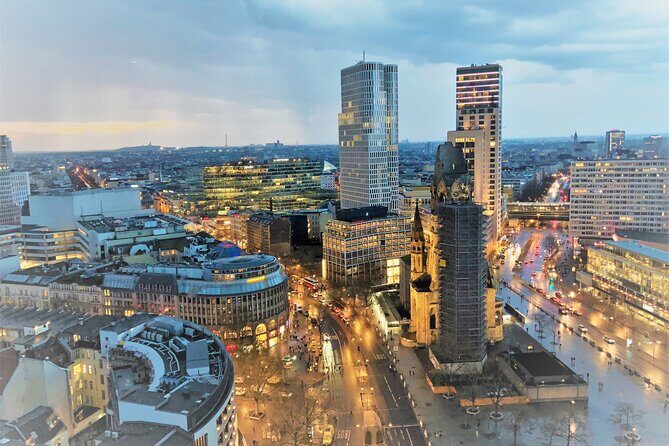
This tour is built like a smart city stroll: you cover a compact stretch and each stop adds another layer to a Berlin that’s very specific—and very often misunderstood. The core theme is the Roaring Twenties in Berlin, with extra attention on how certain streets became magnets for gay and lesbian life.
What makes it work for you is the pacing. Each location gets a short, focused moment, so you’re not stuck listening for ages at one corner. And because it’s a mobile-ticket setup with a small maximum group size (up to 25), you’ll usually be able to hear the guide without feeling swallowed by a crowd.
Also, this isn’t just about nightlife as a vague idea. You’re given addresses and references you can picture on a map later: Motzstraße, Fuggerstraße, Tauentzienstraße, and then the big arc toward Breitscheidplatz and Kurfürstendamm.
You can also read our reviews of more tours and experiences in Berlin.

Starting at Nollendorfplatz: Where “Dream” Turns Into History

Your route begins at Nollendorfpl. 3-4, in the wider Nollendorfplatz area, with a 2:00 pm start. Right away, the tour frames Berlin as a place that drew attention for its queer scene—specifically in the 1920s, when Nollendorfplatz developed into a magnet for the gay and lesbian movement.
The guide also connects the story to writers W. H. Auden and Christopher Isherwood, who were fascinated by that scene. That’s not just trivia. It helps you understand why these places mattered culturally, not only socially. When you know the “who” behind the fascination, the next street signs and building names feel less like random stops and more like real coordinates in a bigger story.
In practical terms: if you arrive early, take 5 minutes just to locate yourself on the map. Nollendorfplatz can feel like a normal transport junction today, but the point of the tour is to teach you what that junction used to mean.
Motzstraße and the Eldorado Slogan: A Small Street With Big Myth
The walk then moves to Motzstraße, where the tour points to a slogan tied to the legendary Eldorado. The message is basically that this was the place—something people knew and talked about.
Even without going inside a building, you’ll get something valuable here: you learn how reputations spread. In 1920s Berlin, the city didn’t just offer venues; it offered a kind of identity. Motzstraße becomes a lesson in how a neighborhood gained meaning, and how people found each other through nightlife and community spaces.
What I like is the brevity. You spend around 5 minutes here, which keeps your energy for the next stops rather than dragging you into a lecture. The tradeoff is that if you love deep, slow storytelling at one site, you might want to later do your own reading about the Eldorado era once you’ve left the group.
Fuggerstraße and the Former Scala: When Evening Became a Slogan
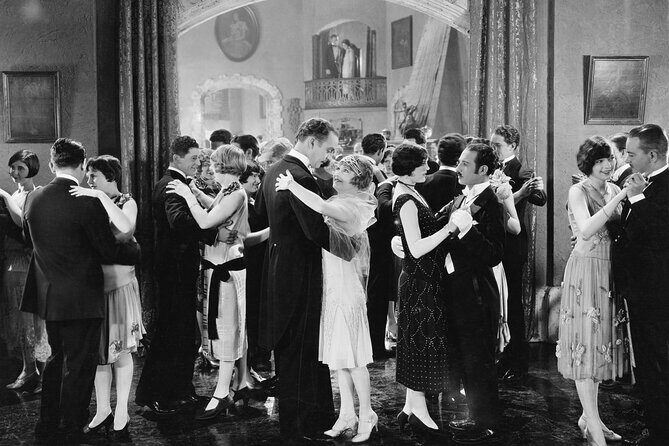
A short step brings you to Fuggerstraße, tied to the former Scala. The Scala appears in the tour with its evening atmosphere—going to the Scala in the evening becomes almost a catchphrase.
You also get names that make the scene feel specific: Enrico Rastelli, Clown Grock, and the Scala Girls. Those references help you imagine the kind of performances that pulled crowds. It’s not just about “a theatre existed.” It’s about the international entertainment that could make Berlin feel connected to the wider world.
A quick tip for your day: as you walk, keep an eye on the streetscape. The Scala story is anchored to a real address, and you’ll likely want to look up photos later to compare then vs now.
KaDeWe at Kaufhaus des Westens: Glamour as a Serious Cultural Engine
Next up is Kaufhaus des Westens—KaDeWe. This is where the tour gives you Berlin’s shopping-spectacle side, not only the nightlife side. The KaDeWe opened in the early 20th century and attracted an audience on a huge scale, including the latest Parisian fashion.
I like this stop because it makes the Roaring Twenties feel logical. People didn’t just go out at night; they performed taste during the day too. Fashion shopping, theatre, dance halls—these were all part of the same social rhythm.
This stop is about 10 minutes, and it stays outward-focused. That’s good if you want to stay in motion and keep your day filled. If you’re the type who wants maximum indoor time, you may decide to come back later on your own day and build extra hours around KaDeWe’s interior.

Tauentzienstraße and the Femina Palace: Dance Halls With an Open-Air Twist
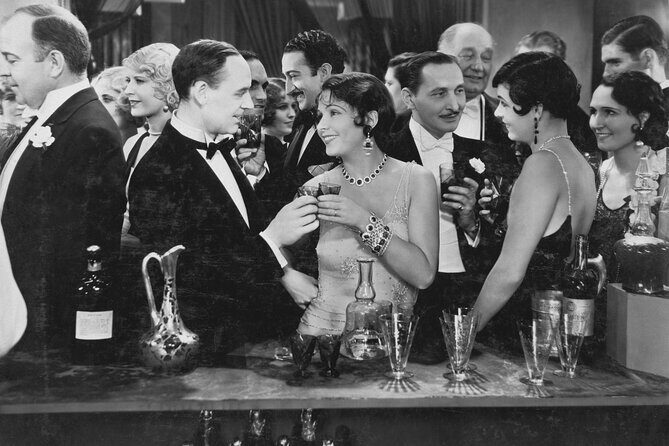
Tauentzienstraße follows, with the legendary Femina Palace dance hall. One practical detail you learn is that the building has been preserved in its original condition. Another detail is even more fun: the roof could be opened, letting dancing happen in open air.
That’s the kind of fact that makes a building feel alive. Instead of thinking of nightlife as a shadowy, closed-door thing, you get the idea that the city itself—its street-level energy—was part of the experience. It’s also a reminder that entertainment venues weren’t one-size-fits-all. Some were designed to blend inside and outside.
This stop is short (about 5 minutes). So you get the essential picture quickly. Then you move on, which is exactly how you want a historic-city walk to operate.
Kaiser Wilhelm Memorial Church: A Landmark That Grounds the Story
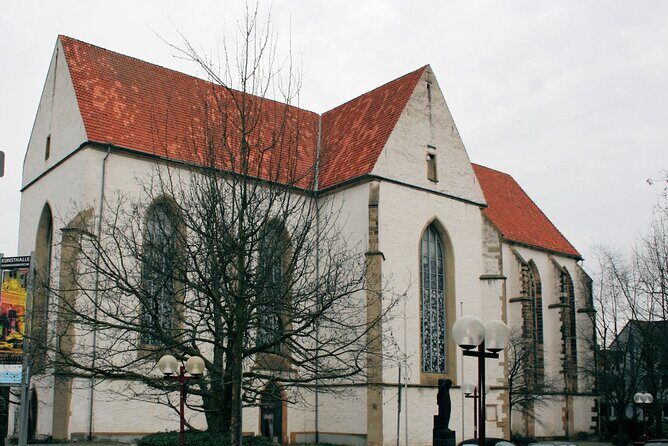
After the entertainment stops, the tour hits Kaiser Wilhelm Memorial Church. This is one of Berlin’s landmarks, and it works as a grounding point. You’re no longer just chasing venues; you’re seeing how the big civic landmarks sit near the places where people went to socialize and escape.
What you get here is balance. The Roaring Twenties story can become too focused on nightlife. The church stop reminds you the city still has anchor points that existed for everyone, not only partygoers.
You only spend about 5 minutes here, which keeps your walk moving. It won’t replace your own time for a longer church visit, but it’s a useful orientation moment in the middle of the route.
Zoo Palast Cinema and Breitscheidplatz: How Movies Pulled in the Crowd
Then comes Zoo Palast, described as the last remaining cinema around Breitscheidplatz. This is the stop where the tour connects the era’s entertainment to something you can still picture today: advertising, marketing, and the way movies turned into big public events.
The tour focuses on how cinema drew the masses in the 1920s and how cinema advertising was done. There’s also mention of where a gentleman took his wife out—one of those lines that makes the history feel like people’s real routines, not just grand cultural talk.
Important practical point: the Zoo Palast admission ticket is not included. So if you want to step inside and get full value from what’s being explained, you should be ready for that extra cost. If you skip the interior part, you can still benefit from the street explanations, but the point of the stop is clearly the cinema story.
Bahnhof Zoologischer Garten: Where People Met
Next is Bahnhof Zoologischer Garten, with admission listed as included. The tour frames the area around the station as a meeting place for the gay and lesbian movement in 1920s Berlin.
This is valuable because it connects nightlife to daily movement. Stations aren’t just transportation. They’re where people cross paths, plan outings, and find each other. So when the guide explains which establishments were preferred, you’re learning about how a community formed its routes—not only its party nights.
This stop lasts about 5 minutes, so it’s efficient. You’ll probably want to glance at the station areas and entrances as you go, even if you don’t have time to wander far.
Theater des Westens and Delphi Palace: Entertainment Arenas Beyond Nightclubs
The tour then passes by Theater des Westens and the adjoining Delphi Palace—both described as important places for entertainment or dancing in the 1920s. Like the other short stops, this one keeps you moving, but it helps you build a mental map: Berlin’s entertainment wasn’t only cabarets and bars. There were big stage venues too.
The admission ticket at this stop is listed as not included, so treat it as a storytelling pause rather than an automatic entry event. If you like architecture or theatre spaces, you may want to research showtimes or revisit later on your own.
Kurfürstendamm Shopping and Showmen Energy: Luxury Meets Leisure
Now you shift to Kurfürstendamm. The tour’s tone turns playful here: it jokes about leaving your credit card at home, then moves into the reality of luxury items that were bought on Kurfürstendamm even in the 1920s.
This stop matters because it gives you a feeling for how “going out” had a shopping layer. People didn’t just consume entertainment—they also consumed style. The guide also mentions dance and entertainment venues along Kurfürstendamm, tying back to the tour’s theme.
This part is about 5 minutes, so again, it’s not meant to replace long browsing. But it’s enough time to get your bearings and learn what to look for if you continue exploring after the tour ends.
Kranzler Eck and Café Megalomania: The Stories Behind the Name
Near the end, the tour reaches Kranzler Eck, where the Cafe megalomania was once located. You’re told the guide will explain why it was called that and what stories are hidden in it.
Admission at this stop is listed as not included, and the tour keeps the timing tight (about 5 minutes). Still, it’s a great final mood. It leaves you with the sense that Berlin’s history isn’t only about official monuments. It’s also about nicknames, marketing, and the way people described their nights out.
You’ll finish at Cafe Kranzler, at Kurfürstendamm 10719. That’s a convenient ending point if you want to keep living in the same area after the tour.
Tickets, Entry Fees, and How to Get Value From a 2-Hour Walk
Even without knowing a tour price, you can still judge value by how many entries are built into the experience.
Here’s the basic pattern you should expect:
- Several stops are marked free for admission, meaning you get the core story without needing to pay to enter.
- Zoo Palast is marked as not included, so factor in an extra ticket if you want the cinema component in full.
- Bahnhof Zoologischer Garten is marked as included, so you can plan to use that part of the stop as an entry experience.
- Theater des Westens / Delphi Palace and Kranzler Eck are marked as not included, so expect more exterior storytelling unless you choose to pay later on your own.
Because the whole tour is about 2 hours and there are many short stops, you generally shouldn’t feel stuck spending your day in lines. The format is designed to give you a lot of context quickly, then let you decide what you want to expand later.
If you’re budget-sensitive, this approach is a plus. You can keep most of the experience outside and only pay for the specific venue(s) you care about most.
Who This Tour Fits Best (and Who Might Want Something Different)
This tour fits best if you like:
- history that’s grounded in streets and addresses
- stories tied to real social life, not only major battles or kings
- a short walking format where each stop adds a new angle
You might want a different style of tour if you need long indoor time at multiple sites. This one is structured for movement and fast scene-setting. It’s not a full museum day.
Should You Book This Roaring Twenties Berlin Walk?
I’d recommend booking if you want a fast, well-focused way to understand why Nollendorfplatz and the surrounding Kurfürstendamm area became so important in the 1920s. The tour gives you named cultural references (Auden, Isherwood), a mix of nightlife and mainstream Berlin glamour (KaDeWe fashion), and a sense of how people met and went out.
Skip it only if you’re looking for a slow, deep academic lecture or a tour where every stop is guaranteed to be an indoor admission experience. In this format, you get the big picture and then you choose your follow-up on your own time.
Provider-wise, this is run by Freizeit-und Reiseclub Berlin, and the group size cap of 25 keeps it small enough for a human-scale walk.
FAQ
How long is the Sündenbabel Berlin Roaring Twenties tour?
It runs for about 2 hours.
What language is the tour offered in?
The tour is offered in English.
Where does the tour start?
The meeting point is Nollendorfpl. 3-4, 10777 Berlin, Germany.
Where does the tour end?
The tour ends at Cafe Kranzler on Kurfürstendamm 10719.
What ticket type do I receive?
You get a mobile ticket.
How big is the group?
The tour has a maximum of 25 travelers.
Are there admission tickets included for all stops?
No. Some stops are free, some list admission as not included, and Bahnhof Zoologischer Garten is listed as included.
Is Zoo Palast included in the admission?
No. Zoo Palast admission ticket is not included.
Is Bahnhof Zoologischer Garten included?
Yes. Bahnhof Zoologischer Garten admission is listed as included.
Is there free cancellation?
Yes. You can cancel for a full refund up to 24 hours in advance.