REVIEW · HAMBURG
St. Pauli Queertour – 100 Jahre Pride auf St. Pauli
Book on GetYourGuide →Operated by St. Pauli Office · Bookable on GetYourGuide
St. Pauli tells stories that don’t fit neatly into history books. This St. Pauli Queertour uses queer life in Hamburg’s most unconventional neighborhood to explain how persecution and pride have run side by side for a century. I like the small-group feel and the fact it’s guided by locals who know where the meaning lives, not just what the signs say.
You’ll get a focused, walking-style look at queer nightlife culture and the people who helped shape it—names like Pauline Courage, Corny Littmann, and Anita Berber come up as the tour moves through the area. One possible drawback: the experience is German-language, and pacing can feel uneven if you want extra-deep historical detail all the way through.
In This Review
- Key Things That Make This Tour Worth Your Time
- Why St. Pauli’s Queer Story Works as a Walking Tour
- Starting at the St. Pauli Office: Calm Before the Streets
- What the 2-Hour Experience Actually Focuses On
- The People You’ll Hear About: Courage, Characters, and Culture
- Walking Through Queer Nightlife Culture (Without Needing a Club Ticket)
- Pace and Group Energy: What to Expect From a Live German Tour
- The Last Stop: When a Bar Ending Might Not Match Your Preferences
- Price and Value: Is $23 for Two Hours a Good Deal?
- Who This Tour Fits Best
- Should You Book St. Pauli Queertour?
- FAQ
- What’s the duration of the St. Pauli Queertour?
- How much does the tour cost?
- What language is the tour guided in?
- Where do I register and meet for the tour?
- Is food or drinks included?
- Is the tour wheelchair accessible?
Key Things That Make This Tour Worth Your Time
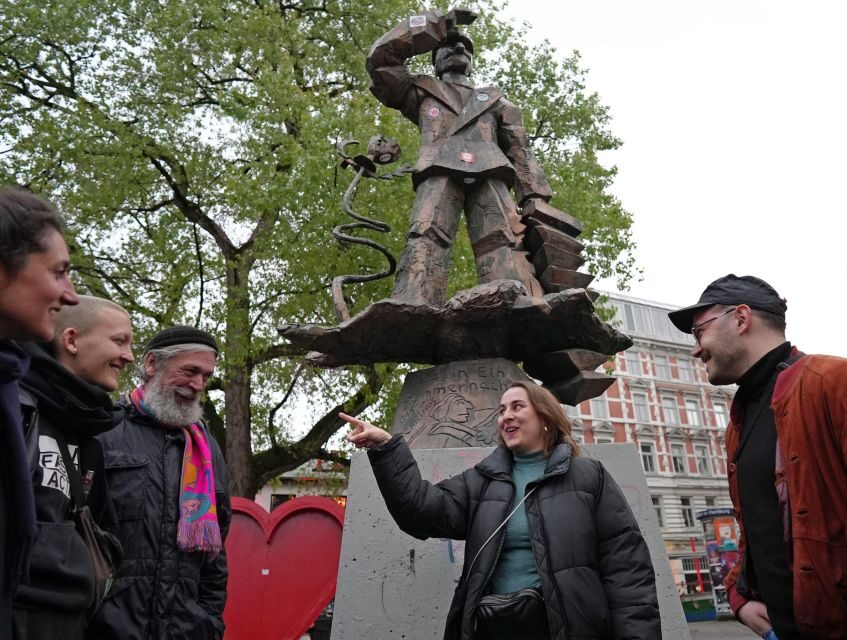
- Small groups keep the tour from feeling like a lecture line
- Local-led walking route makes St. Pauli’s queer story feel grounded in real streets
- 100 years of LGBTQI+ life connects pride, resistance, and nightlife culture
- Named personalities like Pauline Courage and Anita Berber give you anchor points
- Start in a cozy office so you’re oriented before you step into the neighborhood
- No food included, so plan a snack or dinner on your own if you’ll be out late
Why St. Pauli’s Queer Story Works as a Walking Tour

St. Pauli has always been a place where society’s edges show up in public. That’s not just a vibe—it’s a reason the neighborhood became a home for queer life. This tour leans into that mix: discrimination and persecution on one side, pride and partying on the other. The result is a story that doesn’t pretend everything was simple or safe.
A walking format matters here. You’re not just absorbing facts while sitting still. You’re moving through the kind of streets where nightlife culture took shape—where a scene can form around music, meeting places, and the “we’re not going anywhere” attitude. Even when you’re not 100 percent sure what you’re looking at, the guide’s framing helps you connect each stop to what came before.
The tour also keeps the time tight at 2 hours, which is important in a city where distractions are everywhere. You won’t be there all day, so your brain stays sharp. You’re guided through the themes—queer life, pride, and the nightlife culture of the past century—without turning it into a marathon.
You can also read our reviews of more tours and experiences in Hamburg.



Starting at the St. Pauli Office: Calm Before the Streets

The tour begins at the St. Pauli Office at Wohlwillstraße 1, 20359 Hamburg. I like this setup because you get a quick “meeting point” moment before you’re tossed into the neighborhood. It helps you orient fast, and you’re less likely to arrive frazzled.
There’s also a practical detail you’ll want to respect: you should register 15 minutes before the tour start at the counter in the office. That matters because tours like this run on time. If you show up late, you’re not just missing a few minutes—you can miss the start of the story.
One more real-world point: the tour is wheelchair accessible, so the route is designed to be manageable for mobility needs. Still, you’ll be walking, so bring sensible shoes and expect a steady pace rather than a stop-and-stretch style tour.
What the 2-Hour Experience Actually Focuses On
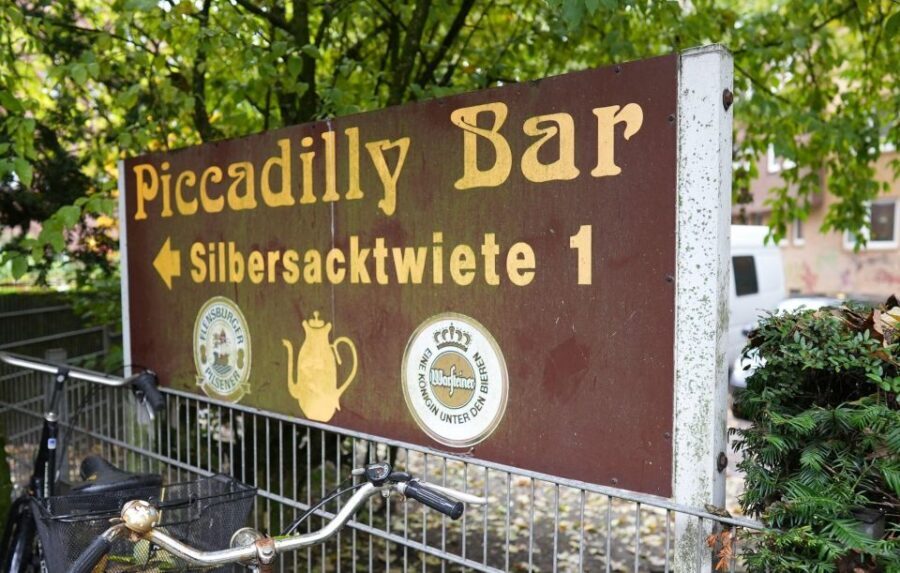
This is not a museum-style tour. It’s a guided walk built around themes: how queer life in St. Pauli developed over 100 years, and how pride and nightlife became intertwined with resistance.
Here’s what that tends to look like in practice:
- You’ll hear about how queer people were treated when society pushed back.
- Then the story shifts toward pride, community, and nightlife spaces—places where people could show up as themselves.
- The guide ties those themes to specific locations in St. Pauli’s scene, the kind of spots where nightlife culture grew and changed over time.
Because the tour is 2 hours, you should expect a curated route rather than every possible historical footnote. That can be a good thing. You’ll walk away with a clearer “through line”—not just a pile of dates.
Also, it’s useful to know what’s not included: there’s no food or drinks. If you’re planning to do this right before or after dinner, you’ll likely want a meal earlier (or budget for something after), especially since nightlife neighborhoods can run late.
The People You’ll Hear About: Courage, Characters, and Culture
One of the tour’s strongest angles is the use of real personalities. You’re not just told that queer communities existed—you’re introduced to specific people and how they fit into the story of St. Pauli.
The names included—Pauline Courage, Corny Littmann, and Anita Berber—are there for a reason: they act like emotional “anchors” as the tour moves through different decades. When a guide connects a person to a place, it helps you see how culture doesn’t appear out of thin air. It’s built by individuals, choices, and communities—sometimes with real risk.
A tour like this works best when you’re open to both sides of the story: struggle and celebration. In other words, don’t expect a straight line where progress just keeps marching forward. The point is that pride and persecution were both part of the same long timeline in St. Pauli.
If you enjoy human stories more than dates, this part is likely what you’ll remember. It’s also a good entry point if you’re new to Hamburg’s LGBTQI+ history and want names to look up later.
Walking Through Queer Nightlife Culture (Without Needing a Club Ticket)
The tour describes itself as covering queer nightlife culture over the last century. In practice, that means the guide points you toward places tied to nightlife life: social gathering points, scenes connected to music and the after-hours rhythm of St. Pauli, and the kind of venues that helped people find each other.
This is where the “local guide” angle really matters. A local can explain what a place meant for the community, not just what it is today. Even when streets have changed, the meaning often lingers—like a memory embedded in the neighborhood.
One thing to keep in mind: a nightlife-focused tour isn’t automatically a party. It’s more about context. You’re learning why certain areas became important, how the community organized itself, and how pride expressed itself publicly in a neighborhood that already attracted outsiders.
And since the tour ends after 2 hours, it’s a “taste with a point.” You’ll come away with direction for further exploring on your own, rather than being stuck in one venue for the whole evening.






Pace and Group Energy: What to Expect From a Live German Tour
The tour is guided in German. That’s a big deal. If your German is conversational, you’ll be fine. If it’s limited, you’ll still get value from the walking route and the place-based context, but you may miss some of the emotional nuance in how the story is told.
Group size is another factor: it’s designed as a small-group experience. That tends to help with questions and with keeping the tour from becoming background noise. It also makes the pacing more flexible if the guide can read the room.
That said, not every experience will feel perfectly smooth. One participant review flagged a concern about pacing—some stops felt longer than expected and the explanation didn’t go as deep as they hoped. They also mentioned that the atmosphere near the end felt less comfortable when members of the group were close to being too intoxicated. You can’t predict that kind of variable, but it’s a reminder to choose tours where you’re comfortable with a lively neighborhood setting.
The Last Stop: When a Bar Ending Might Not Match Your Preferences
This tour can include an ending at a nightlife venue. In at least one booking, the closing moment was described as taking place in a smoky bar with poor air, and the group conversation reportedly got cut short.
Here’s how to use that information without overreacting: it tells you the ending might not feel like a quiet, reflective finale. If you prefer fresh air, low-noise environments, or you’re sensitive to smoke, you should mentally plan for that possibility.
If you’re the type who likes a gentle wrap-up, you might want to follow the tour with a short buffer—grab something nearby, then continue your night where the air and noise levels match your comfort.
Price and Value: Is $23 for Two Hours a Good Deal?
At $23 per person for a 2-hour guided walking tour, the value mostly comes down to what you want from a tour like this.
You’re paying for:
- A local tour guide
- A guided walking tour
- A structured story covering queer life and pride across 100 years
What you don’t get:
- Food and drinks (so you may spend a bit extra before or after)
For many travelers, $23 is a fair “information cost” for a guide-led walk that connects culture, people, and places. The key is that you’re not buying a random stroll—you’re buying interpretation: why specific locations matter, and how the tour turns St. Pauli into a timeline you can actually picture.
If you want ultra-deep history on every stop, this might feel a bit short. But if you want a solid orientation to LGBTQI+ life in St. Pauli and the names and themes to explore further, this price is likely in the right zone.
Who This Tour Fits Best

I’d put this tour in the sweet spot for:
- People who like neighborhood storytelling more than museum-style facts
- Anyone interested in Hamburg and LGBTQI+ history tied to real places
- Travelers who enjoy walking tours but want a tight 2-hour commitment
- Folks who want a guide-led primer using people like Pauline Courage and Anita Berber as anchors
It’s also a good choice if you’re traveling with limited time in Hamburg and want one high-impact activity that makes the city feel more personal.
The main mismatch is language and style. If German isn’t your strength, you might find it harder to follow the emotional framing. And if you prefer a very calm environment throughout, the nightlife context could make some parts feel less controlled than you’d like.
Should You Book St. Pauli Queertour?
If you want a local-guided walking tour that links queer nightlife culture to a century of change in St. Pauli, I think it’s worth booking. The strengths are clear: small groups, local knowledge, and a theme-driven route that names key figures like Pauline Courage, Corny Littmann, and Anita Berber.
I’d reconsider if German-language tours are a struggle for you, or if you’re uncomfortable with the possibility of a bar-style ending in a smoky environment. Also, if you’re expecting every stop to be equally deep and tightly paced, keep your expectations aligned with a curated 2-hour format.
FAQ
What’s the duration of the St. Pauli Queertour?
The tour lasts 2 hours.
How much does the tour cost?
The price is $23 per person.
What language is the tour guided in?
The live tour guide speaks German.
Where do I register and meet for the tour?
You register 15 minutes before the tour start at the counter in the St. Pauli Office, Wohlwillstraße 1, 20359 Hamburg.
Is food or drinks included?
No. Food and drinks are not included.
Is the tour wheelchair accessible?
Yes, the tour is listed as wheelchair accessible.