REVIEW · EBERBACH ABBEY
Eltville: Eberbach Monastery Entry Ticket
Book on GetYourGuide →Operated by Stiftung Kloster Eberbach · Bookable on GetYourGuide
Monastery life and wine, under one roof. I really like the Eberbach Monastery restoration level and how clearly it connects you to the monks’ daily routine. I also love the wine cellars, especially the giant presses and the barrel spaces that make monastery wine feel real, not just historical. One practical drawback: ticket access can be a little glitchy at the entrance if your QR code doesn’t scan right away.
This is a self-paced 1-day visit with the basilica, cloister, abbey museum, and cellar stops, so you can go slow or speed up depending on your energy. Expect lots of walking on site, and it’s not suitable for wheelchair users. For a smooth visit, wear comfortable shoes and plan a packed lunch break if you get hungry between rooms.
In This Review
- Key highlights you’ll feel right away
- Entering Eberbach Abbey and setting yourself up for success
- Basilica and cloister: where the monastery looks like a living set
- The wine cellars: giant presses, barrels, and the logic of production
- Monks’ rooms and dining hall: imagining daily routine without pretending
- Abbey Museum in Eberbach: documents, artworks, and the VERTRICKST! optical-illusions show
- The Name of the Rose factor and where the wine tasting fits in
- Price: is $18 a good deal for a one-day monastery and museum?
- Practical tips so your day runs smoothly
- Who this experience is best for
- Should you book this entry ticket?
- FAQ
- How long is the Eltville: Eberbach Monastery entry ticket valid?
- Where do I enter Eberbach Abbey and show my ticket?
- What is included with the ticket?
- Is transportation to Eberbach included?
- What should I bring for the visit?
- Is the experience suitable for wheelchair users?
- Can I try wine during the visit?
Key highlights you’ll feel right away
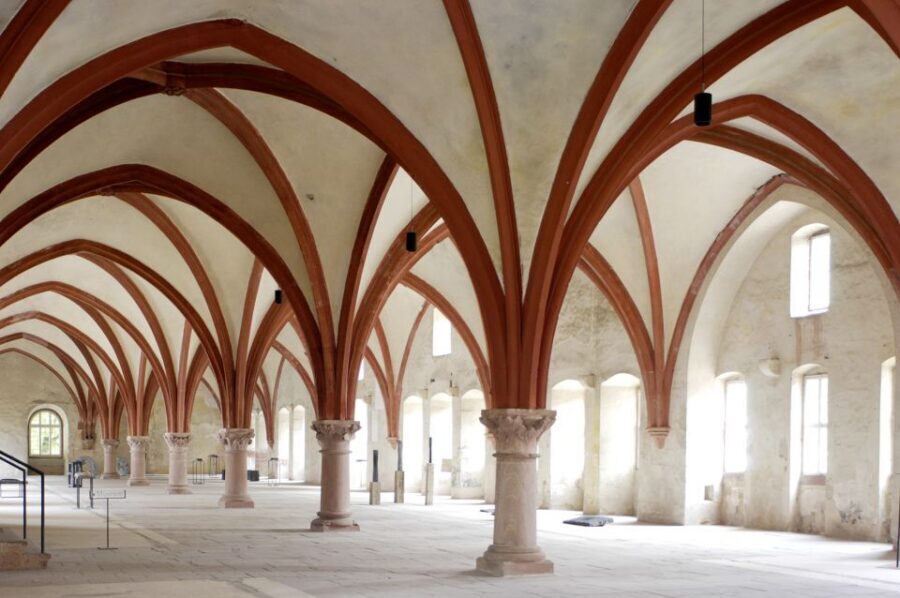
- Name of the Rose film locations: several rooms match the famous movie scenes closely enough to help you place what you’re seeing.
- Thomas Bayrle’s cloister arcade window: an eye-catching design detail in the cloister area you’ll remember.
- Baroque dining hall wine presses: the size alone makes you understand why wine production mattered here.
- Ice cellar and treasure chamber: a stop that turns “cellar” into a real time machine.
- VERTRICKST! optical-illusions exhibition (temporary): mirror rooms, inclined planes, and smartphone-based AR make the museum feel hands-on.
Entering Eberbach Abbey and setting yourself up for success
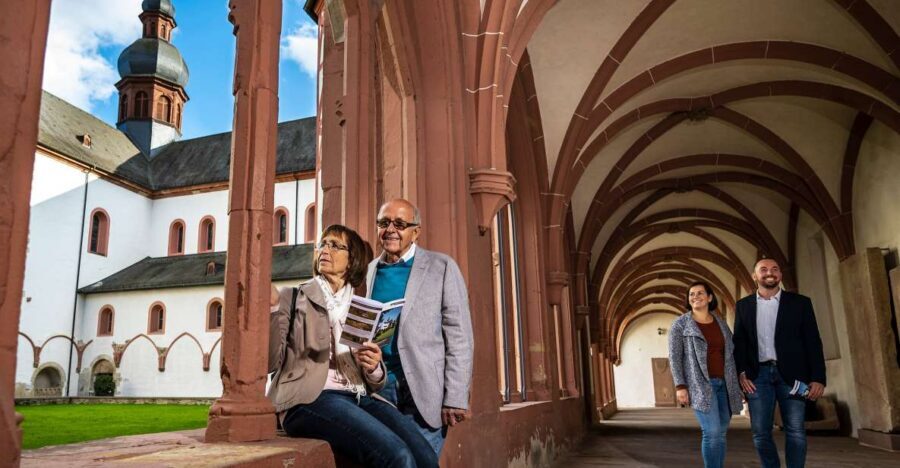
Your visit starts at the main entrance. Show your paper or digital ticket there, and you’re in. If you’re coming by train, it’s easiest to aim for the Kloster Eberbach (Barockpforte) stop; from Eltville train station, Line 172 runs hourly to that stop.
I like this setup because it keeps the pressure off. You’re not stuck with a rigid schedule, and you can move room to room at your own speed—especially helpful if you want extra time in the cellar areas or you’re drawn to the museum exhibits.
One small thing to plan around: parking on site is very limited. If you’re driving, don’t assume you can just grab a space, especially during bigger public events.
Basilica and cloister: where the monastery looks like a living set
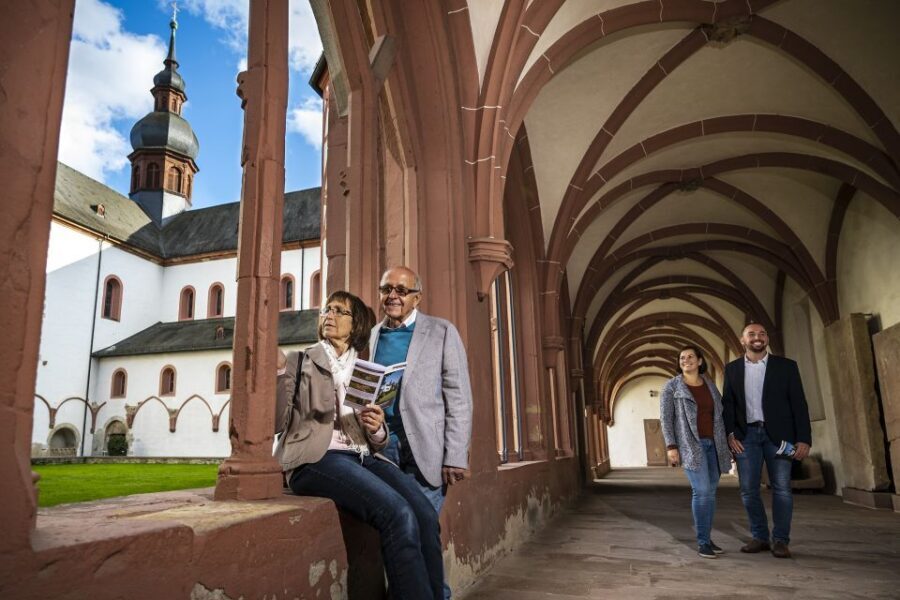
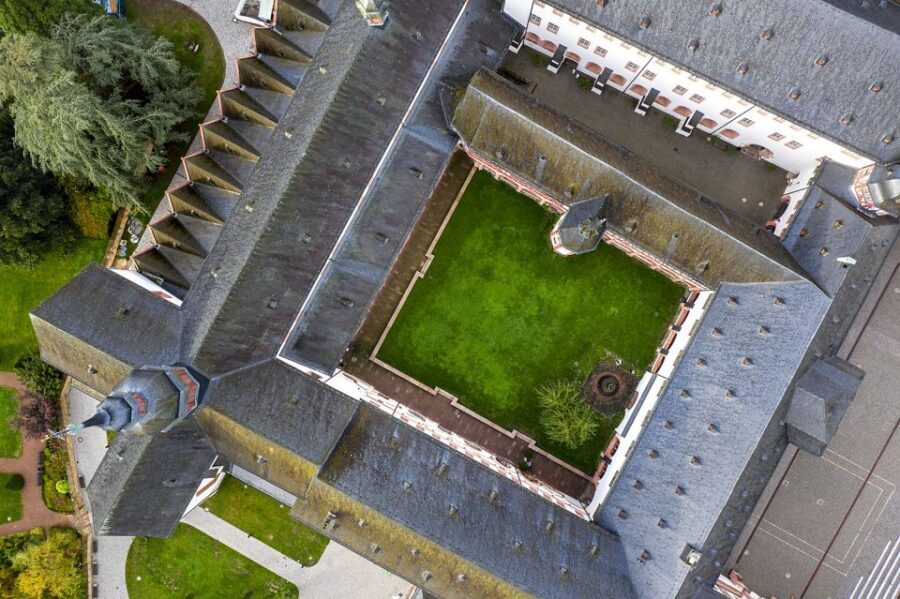
Once you’re inside, the monastery’s spiritual and architectural core is hard to miss. The basilica and cloister areas shape the whole experience. Even if you don’t know monastery history, you’ll feel the layout guiding you: spaces that were meant for prayer, movement, and routine.
In the cloister, don’t rush past the arcade window designed by internationally acclaimed artist Thomas Bayrle. It’s the kind of detail that turns a background feature into something you actively look for. Think of it as your first “pause and notice” moment—proof that this place isn’t only preserved, it’s still engaging.
If you’re the type who likes linking locations to stories, you’ll probably start noticing connections to the movie world too. Several filming locations from The Name of the Rose are part of what people react to most here.
The wine cellars: giant presses, barrels, and the logic of production
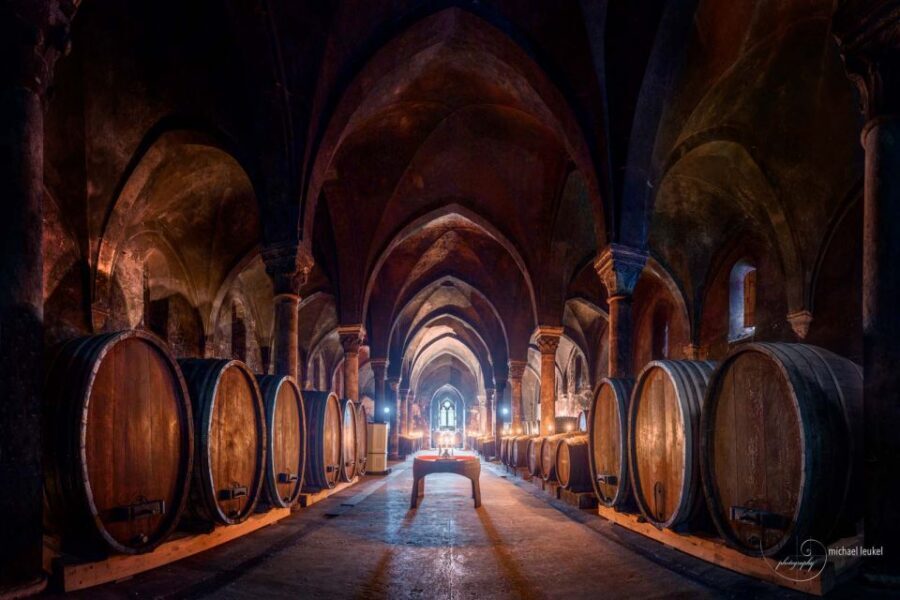
The monastery’s wine story is not theoretical. It’s physical. In the Baroque dining hall, you’ll see giant wine presses. They’re the sort of objects that make the whole building feel like a working machine, not just a pretty ruin.
Then the route continues into the cellars, where wine barrels and storage spaces explain the next step: time and controlled conditions. This is where the monastery’s self-sufficiency becomes obvious. You can almost picture workflow stages—press, store, age—without needing a lecture.
Two cellar stops stand out for me as “this is why people take photos” moments. First is the ice cellar. It helps you understand how people dealt with temperature long before modern refrigeration. Second is the treasure chamber, described as a cellar full of wine bottles—an idea that turns storage into something like a vault.
Monks’ rooms and dining hall: imagining daily routine without pretending
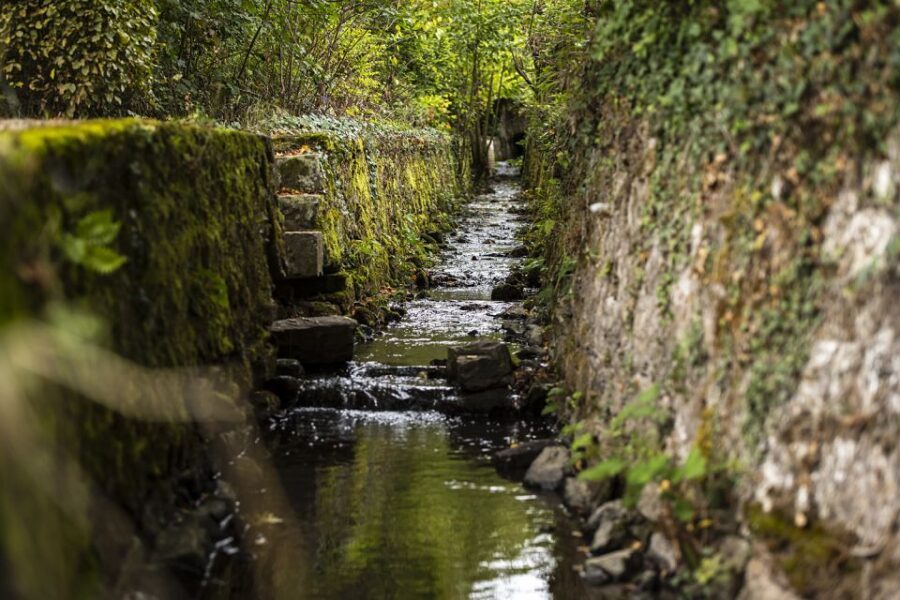
After the production spaces, the experience shifts into human scale. You can stroll through monks’ bedrooms and the dining hall areas and imagine what daily life might have looked like. This is one of those transitions that works best when you slow down for a few minutes. Don’t treat it like a quick corridor; treat it like a lived-in world.
The dining hall area connects back to the wine spaces. If you’re thinking about why the presses and barrels matter, this part answers it in a calmer way: the wine wasn’t just about output. It supported routines, meals, and the monastery’s rhythm.
A note on pace: because you’re walking through production zones and then into personal rooms, you’ll probably feel a mental shift. If you’re tired, that’s normal. Take a breath, drink water, and then keep going when you feel ready.
Abbey Museum in Eberbach: documents, artworks, and the VERTRICKST! optical-illusions show
The Abbey Museum adds context so the monastery doesn’t feel like only “cool buildings.” You’ll see documents, sculptures, and paintings tied to the monastery’s story, plus artworks and religious objects preserved on site in Eberbach. Some items also come from loaned collections from public, ecclesiastical, and private sources.
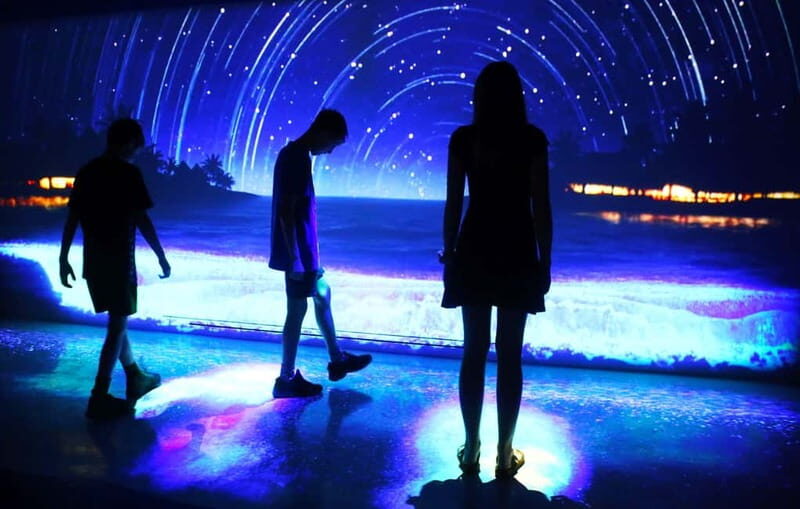
This is also where the temporary exhibition VERTRICKST! takes center stage. If you’re traveling with kids, teenagers, or anyone who just loves interactive exhibits, this museum stop can become the highlight rather than an extra add-on. The theme is optical illusions, and it uses a mix of room experiences and modern tech.
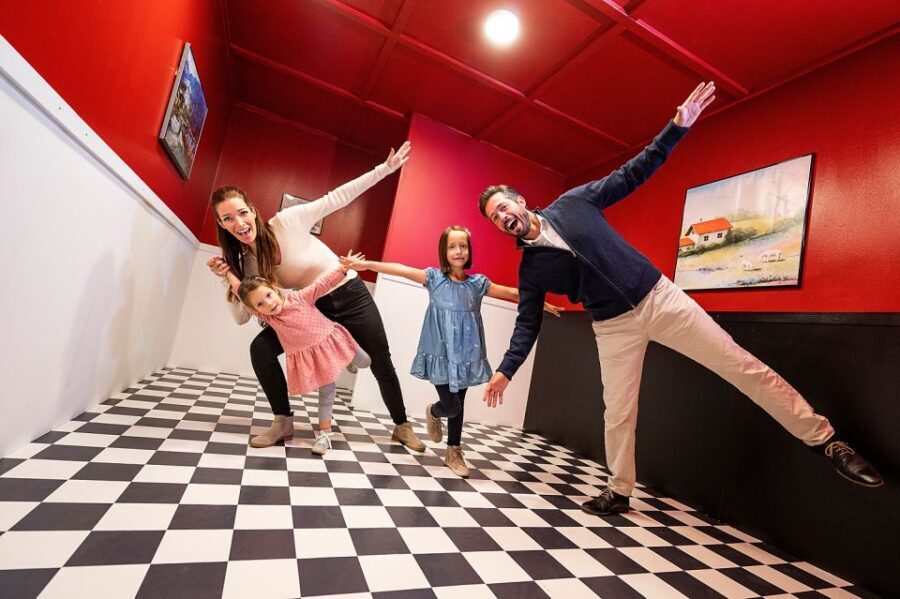
Here’s what you should expect from VERTRICKST!. There are installations with inclined planes, mirror rooms, and whimsical birds. There are moving-image and kaleidoscope-style ideas meant to show how perception works. The museum also includes augmented reality elements that require the right app on a smartphone to bring certain exhibits to life.
You’ll see more than 100 exhibits, ranging from historical originals to work connected with Mexican artist Yunuen Esparza (born 1975). The exhibition also uses room-in-room installations—so you can end up in slanted spaces or even become part of surprising spheres and large-format painting prints. There’s also a black-light room with 3-D worlds by artist Martin Hartmann (born 1980), which is the kind of moment where you stop trying to read labels and just react.
If you prefer classic museum vibes only, you might spend less time on the interactive rooms and focus on the documents and religious objects. The good part is that the ticket supports your choice—you can concentrate where you get the most value.
The Name of the Rose factor and where the wine tasting fits in
Eberbach is famously connected to the film The Name of the Rose, including Sean Connery’s version. The cool part is that the monastery’s spaces are arranged in a way that makes movie scenes feel mentally “placeable.” You’ll likely walk into a room and think, oh, this is the kind of setting they used—even if you don’t remember every exact shot.
That movie connection matters for value. It gives your visit a second layer. You’re not only seeing history; you’re also tracing a pop-culture trail through real rooms. The whole day becomes easier to remember because it has visual anchors.
Once you’ve worked through the monastery and museum, plan time for the monastery shop and wine area. The experience includes the chance to try local wine at the Ederbach Monastery wine house. This isn’t presented as a lecture moment; it’s more like a way to close the loop. If you’ve just stared at presses and barrels, tasting the wine makes the connection click.
Also keep an eye on the general shop atmosphere. Even if you just pick up a bottle or small gift, it extends the day beyond the buildings and lets you leave with something tangible from Eberbach.
Price: is $18 a good deal for a one-day monastery and museum?
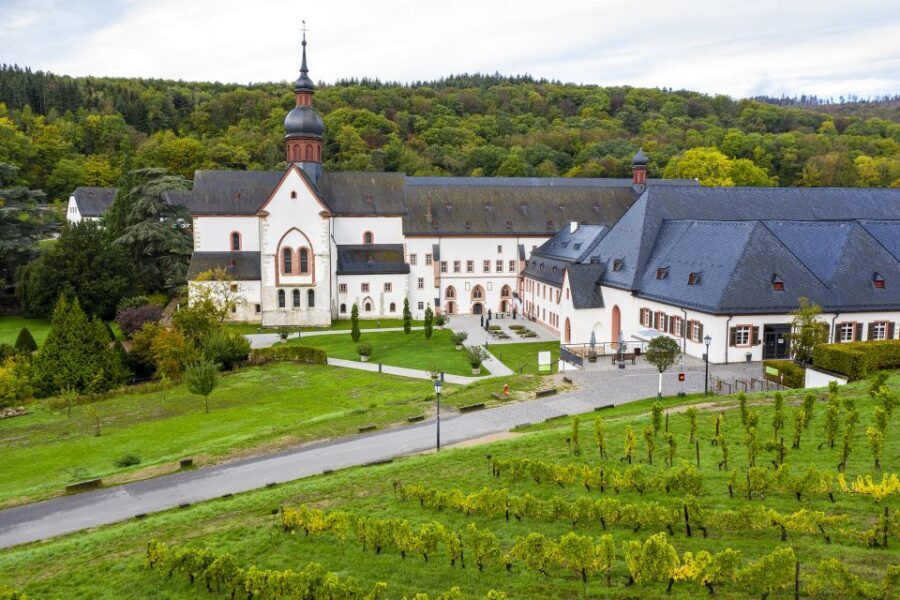
At about $18 per person for entry, this can be a strong value if you actually use the full site. You’re not paying only for one room—you’re paying for a whole day’s worth of monastery architecture, cellar stops (including presses, barrels, ice cellar, and the treasure chamber), plus the abbey museum.
The best value comes when you give yourself enough time to connect sections. If you rush through, you’ll miss why this works as one experience: the wine production rooms explain the “why,” and the museum explains the “what and when.”
The other value factor is flexibility. Since the visit is self-paced, you can spend extra time in the exhibition spaces (especially VERTRICKST!) or slow down in the bedrooms and dining areas if that’s what grabs you.
If you love film locations, wine culture, or interactive museum exhibits, this price starts to feel even more reasonable because the day offers multiple kinds of interest without adding extra ticket costs beyond entry.
Practical tips so your day runs smoothly
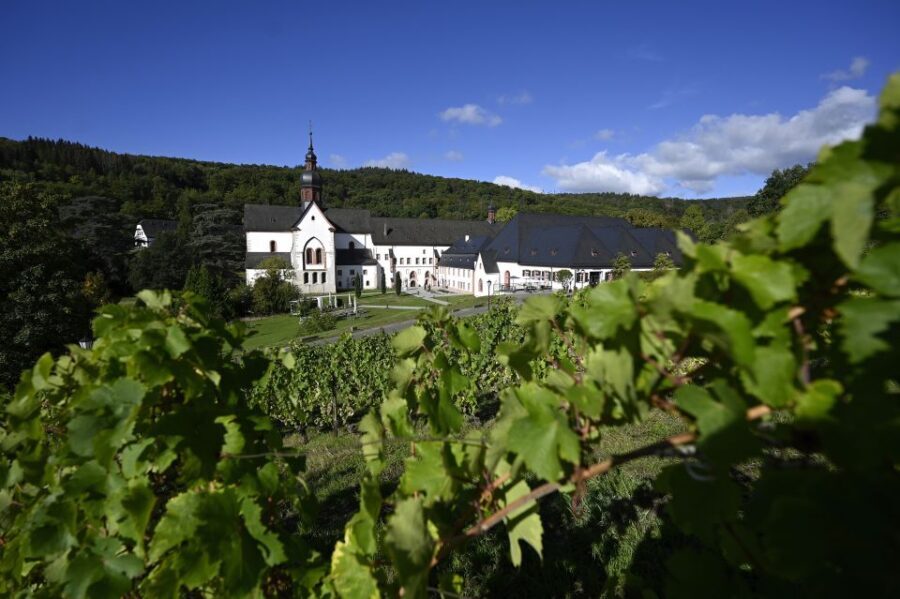
Keep these in mind so you don’t lose time when you arrive.
First, wear comfortable shoes. The site has enough walking that your feet will notice quickly. Bring water too, since you’ll want it while moving between cellar areas and museum rooms.
Second, bring a packed lunch. The activity info suggests it, and it makes a difference if you don’t want to hunt for food mid-visit.
Third, plan around ticket scanning problems. Some entry attempts have had QR code issues. The good news is that the staff can re-issue new tickets when needed. Still, it’s smart to show up with a paper copy when possible, or at least be ready to present a digital ticket quickly at the entrance.
Finally, if you’re thinking about timing: start earlier in the day if you can. That gives you more flexibility if you spend extra time in the museum exhibition rooms or if the cellars take longer than expected.
Who this experience is best for
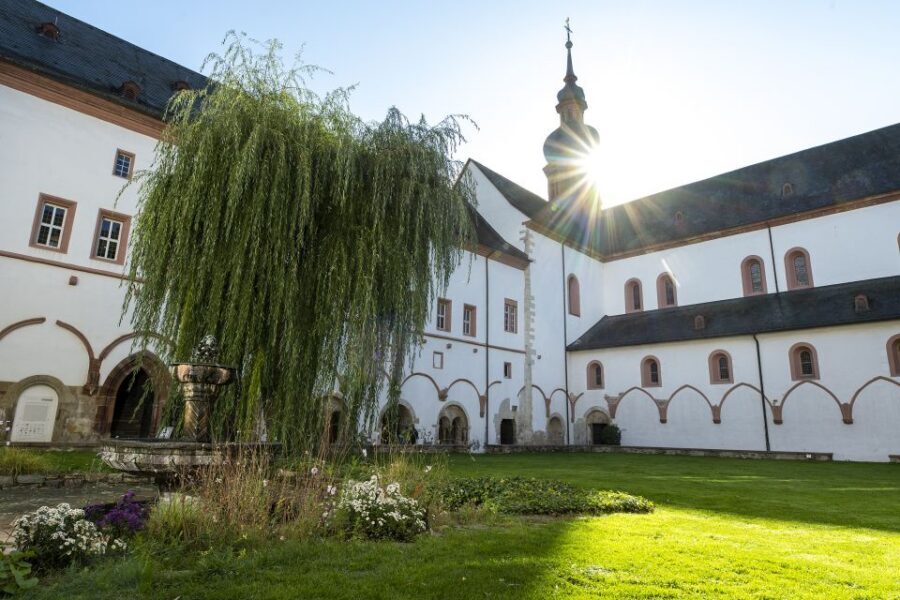
This is a great match if you like any of these:
- film-lovers who enjoy real-world set locations
- people who want wine culture told through objects, not only explanations
- museum fans who want a mix of traditional displays and optical-illusion fun
- couples, small groups, or solo travelers who prefer wandering at their own pace
It’s less of a match if you need wheelchair access, since the site isn’t suitable for wheelchair users.
If you’re traveling with kids or teens, VERTRICKST! can do a lot of work for you. The combination of smartphone-based AR and hands-on visual effects helps keep attention where museum visits can sometimes struggle.
Should you book this entry ticket?
Yes, I think you should book if you want a one-day trip that mixes architecture, wine production, and a museum that’s more than just quiet viewing. The $18 entry makes sense when you plan to use the full route: basilica and cloister, cellar stops with presses and barrels, monks’ rooms, and the abbey museum with VERTRICKST!.
Skip it only if you hate walking through multiple exhibition rooms, or if you’re mainly looking for guided explanations. This ticket is built for self-paced exploration, so your enjoyment will depend on whether you like setting your own rhythm.
If you’re on the fence, here’s the simple test: do you want to see how wine made the monastery run, and do you want a museum stop with optical illusions and smartphone-based exhibits? If yes, Eberbach is a very solid pick.
FAQ
How long is the Eltville: Eberbach Monastery entry ticket valid?
The ticket is valid for 1 day. You should check available starting times when you book.
Where do I enter Eberbach Abbey and show my ticket?
Enter the Eberbach Abbey at the main entrance and show your paper or digital ticket on arrival.
What is included with the ticket?
The ticket includes entry to Eberbach Monastery.
Is transportation to Eberbach included?
No. Transportation is not included.
What should I bring for the visit?
Bring comfortable shoes, water, comfortable clothes, and a packed lunch.
Is the experience suitable for wheelchair users?
No. It is not suitable for wheelchair users.
Can I try wine during the visit?
Yes. You can try local wine at the Ederbach Monastery wine house.