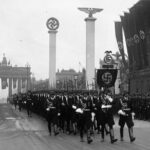
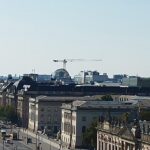
Berlin’s cobblestones have stories. This walking tour focuses on ordinary resistance during the Holocaust, in places you can still stand on today. I especially like how it pairs major sites with quieter, human-scale moments, including Otto Weidt’s workshop, not just big monuments.
You’ll also appreciate the tour’s World War II specialist guidance and the way it connects events across neighborhoods. The route includes the 1933 Nazi book burning site at Bebelplatz, the Rosenstraße women’s protest, and traces of deportation, so the story doesn’t stay stuck in one corner of Berlin.
One consideration: the subject matter is heavy and emotional, and the tour is 150 minutes in all weather, so plan for a serious walk rather than a casual sightseeing afternoon.
In This Review
- Key highlights worth your time
- Why this Berlin Holocaust walking tour feels different
- Value for about $57: 150 minutes with real access
- Starting at the Former Imperial Post Office: getting your bearings
- New Synagogue Berlin and the Moses Mendelssohn school: Jewish life and learning
- Grosse Hamburger Strasse Cemetery: memorials that slow you down
- Otto Weidt’s workshop: when resistance looks ordinary
- Museum Island and Neue Wache: seeing how Berlin memorializes the past
- Bebelplatz book burning memorial: the Nazi war on ideas
- Trains to Life and Trains to Death: the deportation trace
- Rosenstraße protest and the Block of Women: public courage that mattered
- Stolpersteine memorials: memory in the old quarter
- Guide style, Q&A, and why Johan gets consistent praise
- What to bring and how to survive the weather
- Who should book this tour, and who might want a different day
- Should you book Path of Resistance?
- FAQ
- How long is the tour?
- Where do I meet the guide?
- Is the tour wheelchair accessible?
- What language is the tour in?
- Should I bring anything?
- Is the tour affected by weather?
Key highlights worth your time
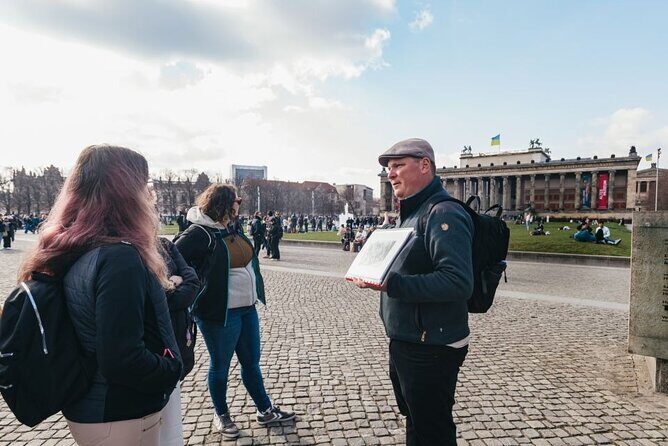
- Johan-led storytelling that sticks: expert explanations with clear historical framing and space for Q&A
- Resistance in multiple forms: from helpers like Otto Weidt to public protests like Rosenstraße
- Concrete memorial stops: book burning at Bebelplatz, deportation-trace sites, and memorials across Berlin’s old quarter
- Then & Now visuals: historical maps and photos help you place events onto today’s streets
- Small group pacing: capped at a small size, so you can hear details and ask questions
Why this Berlin Holocaust walking tour feels different
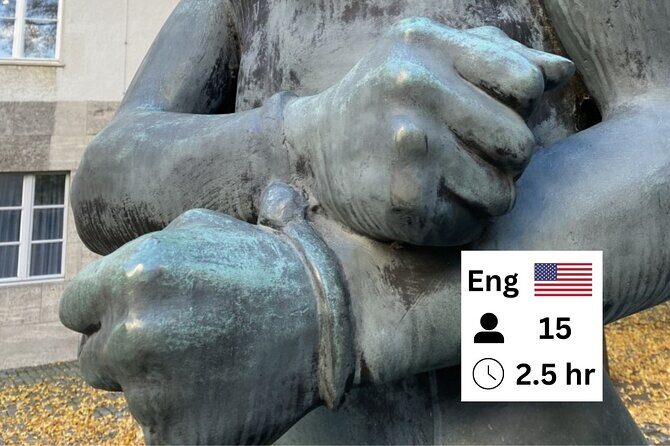
Berlin has plenty of Holocaust information. This tour’s angle is different because it spotlights resistance, not just persecution. You still learn how antisemitism hardened into state power, but you also get a clearer view of what people did when they saw the danger coming.
What works well is that the tour doesn’t treat history like a timeline you memorize. It treats it like a set of choices made by real people: neighbors, workers, families, and bystanders. That perspective helps you understand the range of actions, from quiet defiance to collective protest.
The emotional tone stays respectful, and the pace is designed for comprehension. Expect a serious walk through Jewish Berlin, Nazi repression, and the ways courage showed up even when the outcome was unknown.
You can also read our reviews of more tours and experiences in Berlin.



Value for about $57: 150 minutes with real access
At $57 per person for roughly 150 minutes, you’re paying for more than a walk. This includes an expert local historian, entry to museums and memorials, and a guide-led discussion with Q&A. It’s also a small-group experience, which matters a lot when the material is complex and you don’t want to strain to hear.
You also get practical planning help: the tour uses historical maps and Then & Now photos, so you spend less time guessing where you are in the story. For Berlin, that can be the difference between “I saw plaques” and “I understand what I’m looking at.”
What’s not included is just as important. There’s no food or drinks, so if you need a meal, you’ll want to handle that around the tour time rather than assuming you can grab something inside.
Starting at the Former Imperial Post Office: getting your bearings
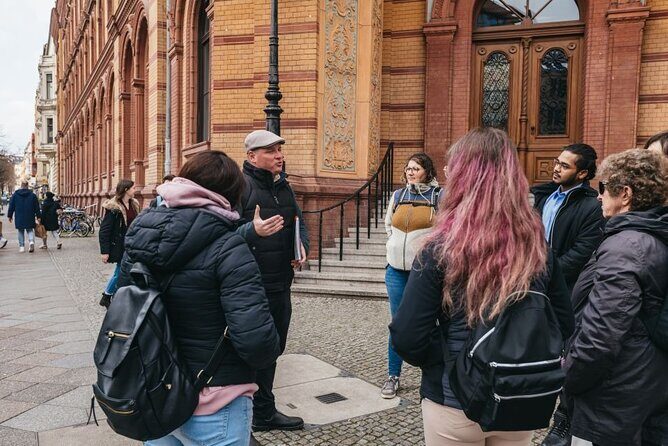
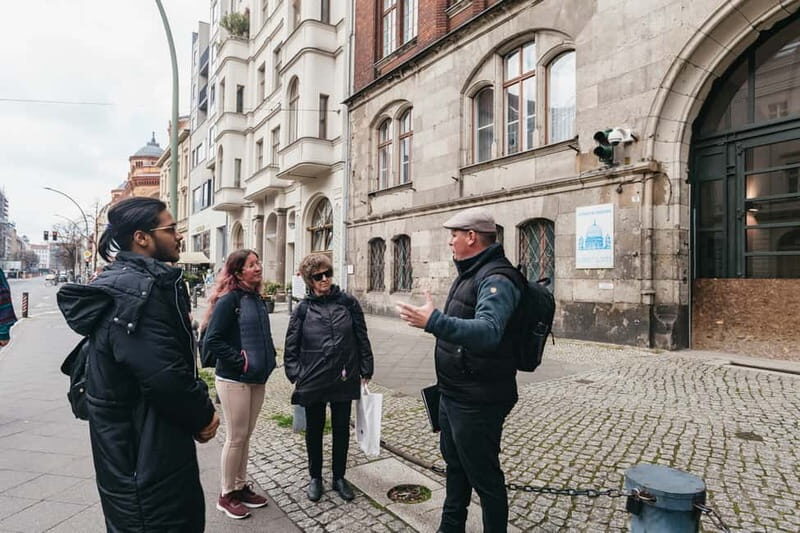
The meeting point is the former Imperial Post Office, and the guide holds a blue umbrella at the main entrance. Arrive about 10 minutes early so you’re not rushed into a serious part of the day.
That early start helps because the route moves you from introduction into the Jewish quarter and then across sites tied to Nazi policies. In practice, it makes your first 30 minutes feel like orientation, not just a list of stops.
Also note the pacing: this is a walking tour with several short visits, not one long stop-and-go marathon with long waits. Most segments are around 10 to 20 minutes, which keeps the story moving while still giving you time to read and look.
New Synagogue Berlin and the Moses Mendelssohn school: Jewish life and learning
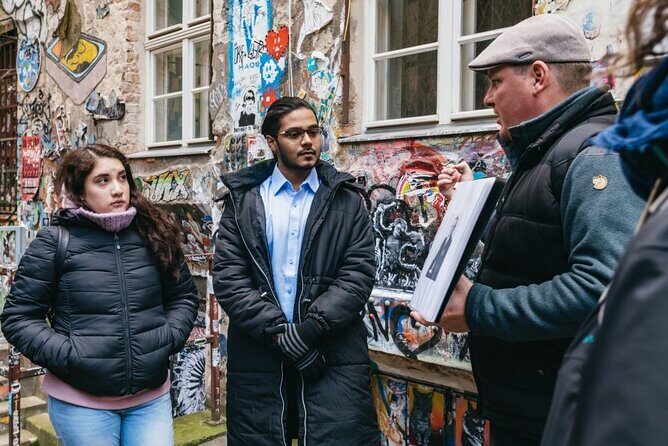
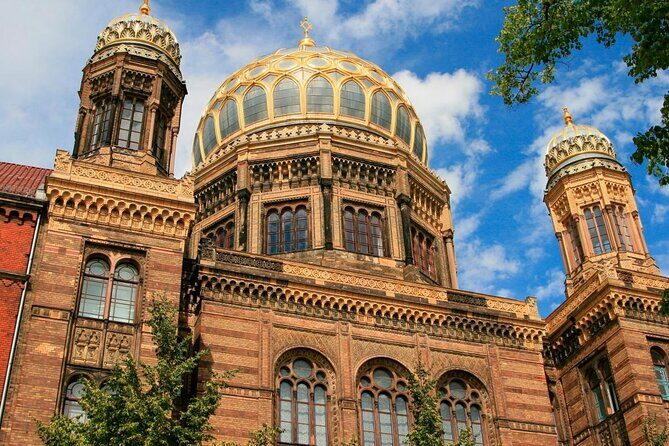
The first major stop is the New Synagogue Berlin – Jewish Centre, followed by the Jüdisches Gymnasium Moses Mendelssohn. Even before the darkest stories, these places anchor you in what was there: community life, learning, and public presence.
This matters because Nazi ideology didn’t spring from nowhere. You’ll see how antisemitism became state policy, but you’ll also recognize the earlier normality that was erased. Put simply, the tour helps you understand what was targeted, not just what replaced it.
The visits here are guided and short, so your goal shouldn’t be to “soak it all up.” Instead, use the time to pick up names, locations, and the sense that German Jewish life was woven into Berlin, not separate from it.
Grosse Hamburger Strasse Cemetery: memorials that slow you down
Next comes the Grosse Hamburger Strasse Cemetery. A cemetery tour can feel like an afterthought if you rush it, but in this format it works as an emotional pause in the middle of the narrative.
You’ll be guided to connect names and loss to the larger story of persecution. Even when you think you know the general arc of events, a cemetery gives the details a human scale. It also helps you notice how memory shows up in public spaces.
Drawback to consider: if you’re the kind of person who needs lighter pacing, this part may feel more intense than the street-level stops. But it’s placed at a point in the route when it adds meaning.



Otto Weidt’s workshop: when resistance looks ordinary
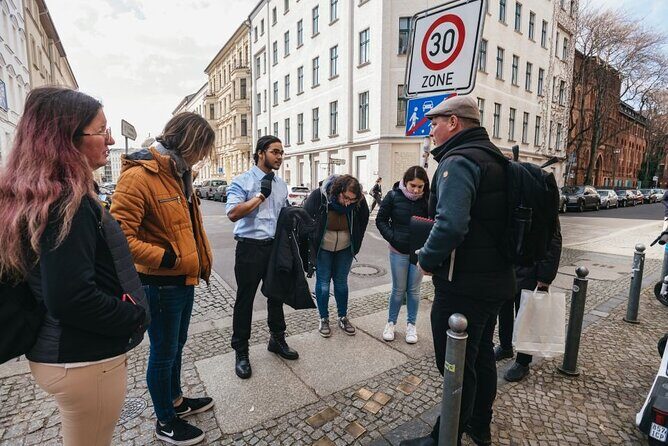
One of the most powerful stops is Otto Weidt’s Workshop for the Blind. The story here is resistance as practical help: Otto Weidt sheltered blind and deaf Jewish workers from persecution.
This is the kind of information that often gets flattened into one sentence in textbooks. Here, you get the context for why this kind of work mattered, and how protection could be life-changing. It also helps you broaden your definition of resistance beyond dramatic heroics.
The visit is short, about 15 minutes, but it’s guided and focused. If you want to remember one site as the clearest example of quiet courage, this one is a top pick.
Museum Island and Neue Wache: seeing how Berlin memorializes the past
The tour includes time at Museum Island and then Neue Wache. These stops shift from neighborhood streets and specific resistance stories to how Berlin chooses to mark remembrance in major public spaces.
This pairing can help you zoom out. After the tight focus on Jewish sites and survival, you’re reminded that societies carry memory through museums and memorial architecture. You’ll also get a sense of how public remembrance fits into the wider city.
You don’t need to be a museum person to enjoy these segments. They function as context breaks: not a detour, but a way to understand how history is presented and processed in Berlin today.
Bebelplatz book burning memorial: the Nazi war on ideas
At Bebelplatz, you’ll stand at the memorial connected to the 1933 Nazi book burning. The tour frames it as more than spectacle. You’ll learn how that event signaled the Nazi campaign against free thought and intellectual freedom.
This stop is useful because it gives you a different entry point into Nazi control. Yes, the regime brutalized bodies, but it also targeted the mind: literature, education, dissent, and public debate. Watching the memorial makes the connection between propaganda and physical repression feel more immediate.
If you’re the type who likes symbolism and clear cause-and-effect, this part will likely click. It explains how the regime moved from ideology to enforcement.
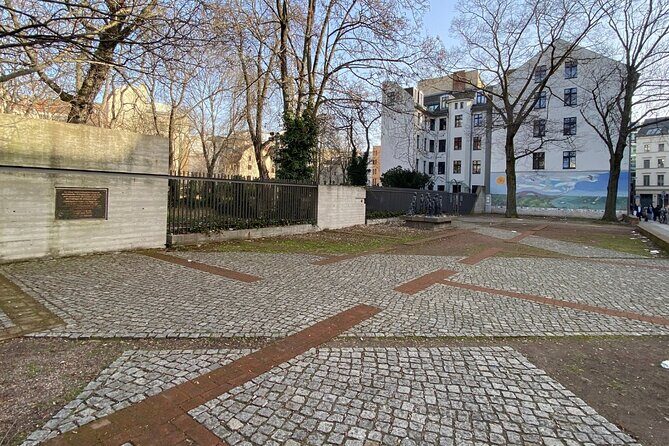
Trains to Life and Trains to Death: the deportation trace
The route includes Trains to Life – Trains to Death, tied to deportation history. Even without turning this into a technical lecture, the tour’s goal is to show the human meaning of deportation systems and the way Nazi policy shaped lives in motion.
This is one of those segments where you’ll feel the weight of the names and the logistics behind them. The tour also connects what you learn here to earlier resistance stories, so you see why people acted when they could.
One practical note: this part can be mentally taxing. If you’re prone to overwhelm when learning difficult history, take slow breaths, read carefully, and don’t worry about absorbing everything at once.
Rosenstraße protest and the Block of Women: public courage that mattered
You’ll also visit the Block of Women, tied to the Rosenstraße Protest, where German women demanded the release of their Jewish husbands. This is one of the most striking examples of resistance as collective action, not just private assistance.
The story works because it highlights timing and risk. The women weren’t performing in a vacuum; they were challenging a system that could punish them. The tour helps you understand why this protest became a beacon of defiance even under brutal pressure.
This stop is also a reminder that resistance doesn’t always look like arms or uniforms. Sometimes it’s presence, voice, and refusal to accept the official story.
Stolpersteine memorials: memory in the old quarter
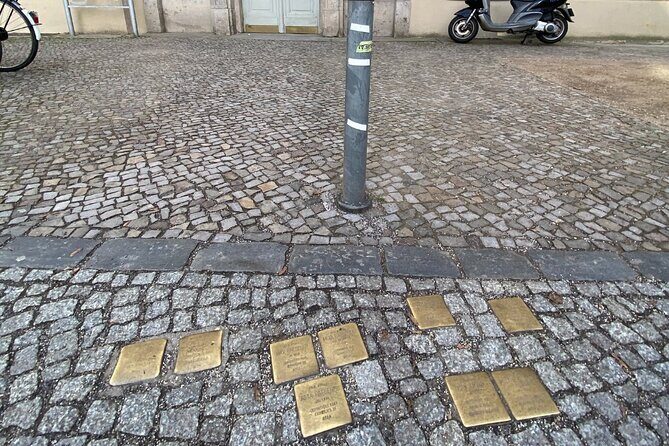
The tour route is designed so you’ll also encounter Stolpersteine memorials in Berlin’s old quarter. These small, street-level memorials can feel like background at first, but the guide brings them into focus.
What I like about including them is that they make remembrance part of everyday movement. You’re not only visiting designated memorial spaces; you’re walking through a living city where memory sits close to where people shop, travel, and commute.
The short visits work best if you slow down for the guide’s framing. Don’t rush past them like you’re scanning a museum label.
Guide style, Q&A, and why Johan gets consistent praise
The tour is guided by an expert historian and storyteller, and the experience is built around discussion and interactive Q&A. In the feedback I’ve seen, Johan is specifically called out for strong teaching, friendly delivery, and the ability to connect resistance stories with broader context.
One theme stands out: the explanations don’t just list events. They show how people came to certain beliefs, how antisemitism hardened into policy, and why resistance happened in the ways it did. You also get some background on the origins and development of German Jewish life in Berlin, which helps your understanding stick.
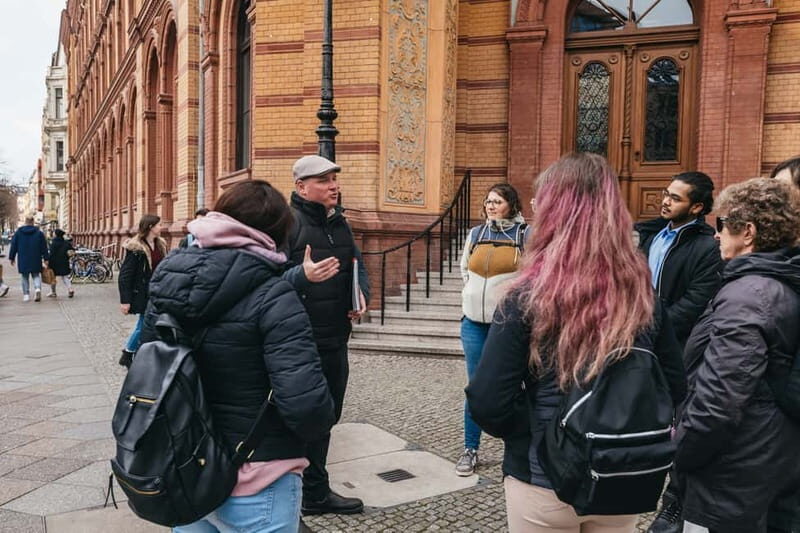
Small group size is another real advantage. With a cap around 10 participants, the tour stays conversational and you’re more likely to hear the subtle details without strain.
What to bring and how to survive the weather
This tour runs in all weather conditions, so your comfort matters. Bring comfortable shoes, a water bottle, and an umbrella since rain is part of the Berlin experience.
Aim to arrive about 10 minutes early at the meeting point. And since the tour doesn’t include food or drinks, plan a snack or meal before or after so you’re not thinking about hunger while the story gets heavier.
Alcohol and drugs aren’t allowed, which also helps keep the tone respectful for the memorial-focused route.
Who should book this tour, and who might want a different day
This is a strong fit if you want Holocaust learning grounded in the city itself, with courage and resistance highlighted alongside the horrors. It’s also a good option for first-time visitors because the stops span multiple kinds of sites: religious and educational locations, workshops of protection, women’s protest history, and major memorial markers.
You might want to choose a different kind of tour if you’re looking for a light, purely sightseeing route. This one is emotionally serious and structured around difficult history, even though it consistently points toward human defiance.
Best match: history lovers who appreciate clear, guided explanation and people who want Berlin’s Jewish quarter and resistance stories connected into one coherent walk.
Should you book Path of Resistance?
If you care about how resistance showed up in everyday life, book it. The combination of specialist guiding, small group pacing, and stops like Otto Weidt’s workshop and the Rosenstraße Protest makes it more than a standard “Holocaust sites” route.
For $57, you get entry to memorials, historical maps and Then & Now visuals, and time for discussion, which is hard to beat for a 150-minute schedule. Just go in ready for an emotional walk, bring your umbrella and shoes, and you’ll leave with a much clearer sense of what people risked—and how courage looked on the streets of Berlin.
FAQ
How long is the tour?
The tour duration is listed as 150 minutes.
Where do I meet the guide?
The meeting point is the former Imperial Post Office. The guide will be standing at the main entrance holding a blue umbrella.
Is the tour wheelchair accessible?
Yes, wheelchair accessibility is listed for this experience.
What language is the tour in?
The tour is offered in English.
Should I bring anything?
You should bring comfortable shoes, an umbrella, and water.
Is the tour affected by weather?
The tour runs in all weather conditions, so you should dress appropriately and bring rain protection or sun coverage as needed.