REVIEW · LEIPZIG
Music in Leipzig – Bach, Wagner and the Thomanerchor
Book on GetYourGuide →Operated by Leipzig Details GbR · Bookable on GetYourGuide
Leipzig turns music theory into street-level stories. This 90-minute walk along the Leipzig Music Trail connects Bach, Wagner, Mendelssohn, and Schumann to real corners, real buildings, and the sounds you’d expect from an 18th-century city. I especially like how it uses St. Nicholas Church as an anchor point, and how the guide keeps the facts moving without drowning you in dates. One thing to plan for: if you’re hoping for lots of on-site singing or musical performances, the experience is more about context plus short musical examples, and church access can vary with opening times.
You start in the Old Town, then work your way through the music web that makes Leipzig feel different from other German cities. It’s a small, focused tour you can fit into a busy day, and it’s offered as a private group, so the guide can pace it to your questions. Still, with just 90 minutes, you’ll want to listen closely and decide in advance what you care about most: Bach specifics, Wagner links, or the Thomanerchor and Leipzig’s modern music life.
In This Review
- Leipzig Music Trail: what makes this tour work
- Walking Leipzig’s music geography, stop by stop
- Starting at Markt 1 and the Old Town mood
- The Leipzig Music Trail: your storyline on the move
- St. Thomas Church and the Thomanerchor connection
- The Gewandhaus and Leipzig’s continuing music institutions
- Wagner, Leipzig, and the composer links you can actually picture
- St. Nicholas Church: Bach’s 1723 first performance as cantor
- “18th-century street noise” and how to use it
- Where the tour can feel light if you’re music-first
- Price and value: what $188 per group really means
- Who this tour suits best
- Booking it: should you go?
- FAQ
- How long is the tour?
- Where does the tour meet?
- What is included in the price?
- How much does it cost?
- What languages are available?
- Is it accessible and can I cancel?
Leipzig Music Trail: what makes this tour work
Leipzig Music Trail is the main idea: instead of a random walk, you follow a themed route that links places to composers. You get the city’s musical “why,” not just a list of monuments.
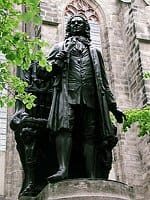
St. Nicholas Church gives you a real Bach moment: Johann Sebastian Bach’s first performance as cantor in 1723 is tied to the church, and you’ll also spot a Bach bust connected to that story. It’s a strong focal point that helps everything else click.
You’ll hear 18th-century street noise and musical examples: the tour isn’t silent lecture mode. The sound cues help you imagine how a Leipzig day might have felt when these composers were alive.
The Thomanerchor angle keeps it human: you don’t just talk about famous names; you also get the background behind Leipzig’s choir culture and its long continuity.
Language options are a big practical win: the live guide can work in Spanish, English, French, German, Italian, or Russian, which makes it easier for mixed groups to actually understand the story.
Walking Leipzig’s music geography, stop by stop
The meeting point is Leipzig, Markt 1, Altes Rathaus (Old Town Hall), Museum Shop. From there, the tour’s rhythm is straightforward: you’ll head into the old center, follow the Leipzig Music Trail, and stop where the music story becomes visible.
Because this is a private group, the pacing is calmer than the usual big-group “keep up” tours. You’re working with a live guide, and the tour is designed to be about 90 minutes—long enough to connect themes, short enough to stay flexible if your day is packed.
You can also read our reviews of more tours and experiences in Leipzig.


Starting at Markt 1 and the Old Town mood
Even before you reach the churches and music landmarks, you’ll feel why Leipzig mattered commercially and culturally. The city is described as a trade and show town, but the tour reframes that: trade routes brought people in, and Leipzig’s music life grew with them. You’ll start with context that helps you understand why so many major composers were drawn here and why the city continues to treat music like a core identity.
This opening also matters because it sets expectations for how you’ll experience the rest of the walk. You’re not just looking at buildings—you’re collecting clues about musical institutions.
The Leipzig Music Trail: your storyline on the move
As you walk, you’re following the Leipzig Music Trail, a guided route that ties together the city’s music museums, music history, and key cultural centers. The tour specifically points you toward places tied to:
- St. Thomas Church (where the Thomanerchor story is rooted)
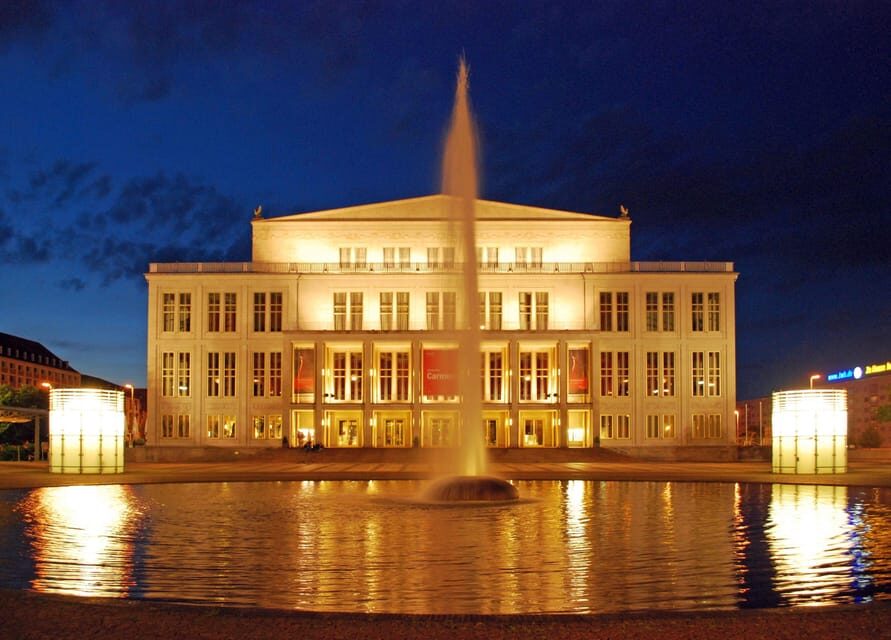
- The opera world
- The Gewandhaus tradition
This is useful because Leipzig can feel “composer-heavy” if you only visit one museum or one church. The trail approach gives you a bigger picture without turning the tour into an academic lecture.
And it’s not only visual. You’ll also get musical examples along the way, plus an element meant to recreate 18th-century street noise. That’s a small detail, but it helps you stop thinking of music history as distant and start imagining it as everyday sound.
St. Thomas Church and the Thomanerchor connection
The tour highlights the St. Thomas Church Choir, known far beyond Leipzig, and its 800-year history. That length of time is a big deal, because it suggests continuity—how a musical institution survives, evolves, and keeps shaping the city.
What I like about this part is the way it connects reputation to structure. The Thomanerchor isn’t just a famous choir. It’s an ongoing cultural engine, and Leipzig still treats it as a living tradition rather than a museum exhibit.
In practical terms, this is the segment where you’ll decide what kind of music fan you are. If you’re into choral music and long-running institutions, you’ll likely lean into this section. If you prefer big composer stories, you’ll treat it as the grounding for why Bach and others mattered here.
The Gewandhaus and Leipzig’s continuing music institutions
Leipzig isn’t only about the past. The tour’s story includes the great musicians of the Gewandhaus and how Leipzig’s singers and conservatory professors continue shaping the musical life of the city.
Why this matters: it keeps you from viewing Bach and Wagner as frozen-in-time geniuses. Instead, you see how the city’s music culture keeps producing professionals who carry the tradition forward.
If you’re the kind of visitor who likes to understand how a city operates today—not just what it used to be—you’ll appreciate this modern thread.



Wagner, Leipzig, and the composer links you can actually picture
Leipzig is mentioned as the place where Richard Wagner was born. That’s a simple fact, but the tour connects it to a wider composer network that includes Bach, Mendelssohn, and Schumann.
The key here is that it’s not only “Wagner happened in Leipzig.” You’re given the idea of Leipzig as a magnet: a city with the institutions and audiences to support composers, performers, and musical education.
So instead of memorizing names, you start building mental maps of relationships—who influenced what, and why Leipzig stayed relevant.
St. Nicholas Church: Bach’s 1723 first performance as cantor
Now for the anchor stop: the St. Nicholas Church. Johann Sebastian Bach gave his first performance as cantor there in 1723, and you’ll also note the bust of Bach during that moment.
This is where the tour pays off. With one specific date tied to one specific site, everything becomes easier to remember. You’re not just hearing that Leipzig mattered; you’re seeing a place that marks a milestone.
Even if you don’t know every Bach cantata by name, this kind of point-to-story connection helps. It’s like getting a handle you can hold onto while you keep walking.
“18th-century street noise” and how to use it
One of the distinctive promises of this tour is the use of street-sound atmosphere from an 18th-century city, plus musical examples. The practical value is this: it prevents the walking tour from becoming a purely visual experience.
Here’s how to get the most from it. When the sound cues start, don’t just listen passively. Let yourself imagine what the day might have been like—sounds bouncing off buildings, people moving, music as something woven into daily life. That’s when a music-city story stops feeling like trivia and starts feeling like place.
Where the tour can feel light if you’re music-first
There are two things to keep in mind. First, it’s 90 minutes. That means it’s built for breadth and understanding, not a deep dive into one composer’s catalog.
Second, church experience can be limited by openings. If you’re expecting the tour to consistently deliver full on-site musical moments at every stop, you may find that the experience is more “guided listening plus context” than “performance-heavy.” The walk is designed to work either way, but your musical payoff depends on what’s possible during your time slot.
Price and value: what $188 per group really means
The price is listed at $188 per group up to 25 people, for a duration of 90 minutes.
That’s not the usual per-person cost model. Because it’s per group, the value changes depending on how many people you have. If you’re traveling with a small cluster of friends or family, you can effectively spread the cost. And because it’s a private group, you’re not locked into the rhythm of a large tour where questions get swallowed.
In other words: this is a good fit if you want a guided Leipzig music storyline without paying the higher per-head rates that often come with private tours focused on a single landmark.
If you’re solo, though, you’ll likely want to compare what the same company charges in other group options. Private-group pricing can be excellent—or just okay—depending on who else is joining.
Who this tour suits best
This tour makes the most sense if you want:
- A guided walk that connects composers to real Leipzig sites
- A fast, structured way to understand Bach, Wagner, and Leipzig’s music institutions
- A choir-centered look at the Thomanerchor and why it matters
It’s also a nice choice for people who like their history with a soundtrack. The street-noise and musical examples give you something extra to pay attention to besides architecture.
If you’re the kind of visitor who only cares about hearing music performed live during your outing, you might find you need to pair this with a concert ticket or another music-focused experience in the same trip. This one is built for understanding, place, and musical context.
Booking it: should you go?
Yes, I’d book it if you want Leipzig’s music story in an easy, walkable format. The big reasons are the focused stops—especially St. Nicholas Church and its Bach 1723 cantor milestone—and the way the Leipzig Music Trail gives you a coherent route instead of disconnected sights.
I’d think twice if you’re chasing a performance-heavy outing. This is a city tour with musical examples and atmosphere, but it’s not guaranteed to function like a concert.
If your goal is to leave Leipzig with composer connections you can actually picture—and not just names—you’ll likely be happy you went. And if you’re traveling as a small private group, the group pricing makes it easier to justify.
FAQ
How long is the tour?
The tour lasts 90 minutes.
Where does the tour meet?
Meet at Leipzig, Markt 1, Altes Rathaus (Old Town Hall), Museum Shop.
What is included in the price?
It includes a city tour with a live, competent guide.
How much does it cost?
It’s listed at $188 per group (up to 25 people).
What languages are available?
The live tour guide is available in Spanish, English, French, German, Italian, and Russian.
Is it accessible and can I cancel?
It’s wheelchair accessible, and you can cancel up to 24 hours in advance for a full refund.