REVIEW · HAMBURG
Hamburg: Tour of Blankenese on the Banks of the Elbe
Book on GetYourGuide →Operated by Hamburg Tours · Bookable on GetYourGuide
A hillside walk with real river views. This Blankenese tour lets you move through park paths and step streets where the Elbe quietly dominates the scene, and you’ll learn how Danish, Austrian, and Prussian rule shaped the area. I love the mix of romance (villas, gardens, winding lanes) with practical payoff (the climb to Süllberg and the beach after). One thing to consider: you’re on your feet for a couple hours on slopes and steps, so wear solid shoes.
What makes it feel worth your time is the way it strings together three Blankenese “moods”: quiet settlement streets, famous Treppenviertel stairs, then sand-and-ship views along the river. The guidance can genuinely smooth the experience, too, with guides like Alexander and Lilli noted for keeping a good pace and staying attentive. If your idea of a tour is mostly history, you might want to come ready to ask follow-up questions, because some people felt there could have been more depth.
In This Review
- Key points before you go
- Blankenese Hills: where Elbe views do the talking
- Starting at Blankenese station: quick setup, easy flow
- Villas, parks, and the rule-shift story (Danish, Austrian, Prussian)
- Treppenviertel: the staircase district you can’t skip
- Süllberg climb: 74 meters of views, plus goats on the way down
- Elbe beach walk: lighthouse, shipwrecks, and freshwater tideland sights
- Price and value: $347 for a private group up to 30
- Who this tour fits best (and who might want something else)
- Practical tips so the 2 hours feel easy
- Should you book this Blankenese tour?
- FAQ
- Where is the meeting point?
- How long is the tour?
- Is the tour private?
- What is included in the price?
- Is food or drinks included?
- What’s the cancellation policy?
Key points before you go
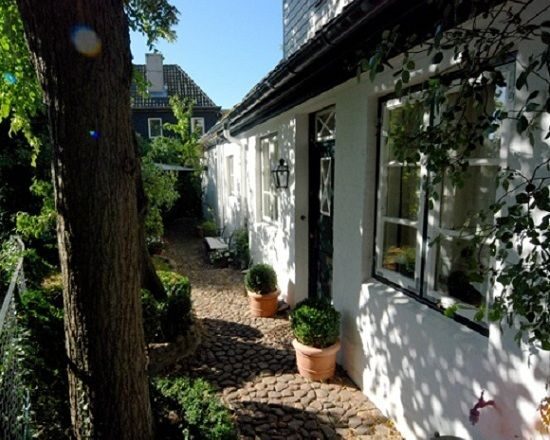
- Blankenese on the Elbe: a hillside neighborhood where villas, gardens, and river life share the frame
- Treppenviertel: the step district you came to see, explained in context as you walk
- Süllberg (74 meters): a viewpoint that changes how you understand Hamburg’s size
- Elbe beach time: sand underfoot, a lighthouse sightline, and ships passing on the water
- Helpful guiding: praised for pace (even for an older participant) and for caring attention to the group
Blankenese Hills: where Elbe views do the talking
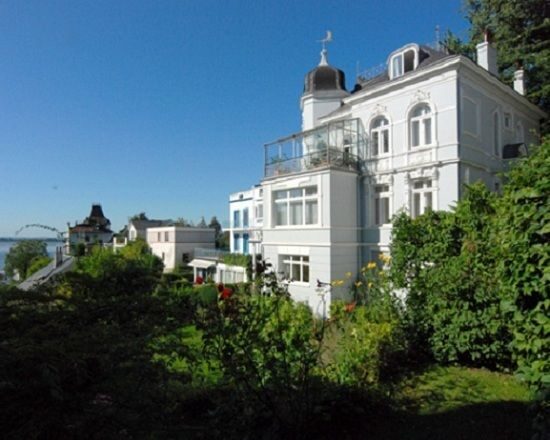
Blankenese is the kind of place where the city feels far away without you needing to travel far from Hamburg. You’re up on a hillside settlement with winding little streets, then you slowly work your way toward the river. The result is a walk that changes scenes again and again, from tidy gardens to long horizons over the Elbe.
I like that the tour also gives you a sense of place beyond photos. You’ll hear about the Danish, Austrian, and Prussian past of the area, which helps explain why the neighborhood looks the way it does and why it became a distinctive corner of Western Hamburg. If you’ve ever looked at Blankenese on a map and wondered why it seems so different, this puts names and time periods to the look.
The “romantic walk” description isn’t just marketing language. The combination of villas, parks, and the later beach walk makes it feel like a proper stroll, not a checklist sprint. Still, keep your expectations honest: it’s two hours of walking in a hillside setting, not a long sit-down tour.
You can also read our reviews of more tours and experiences in Hamburg.


Starting at Blankenese station: quick setup, easy flow
You meet at the S-Bahn station Blankenese, which is a practical choice. You’re already positioned at the right side of the neighborhood, and you don’t have to fight your way across town just to begin sightseeing. It also means you can pair this with other Hamburg plans without losing half a day to transit.
Because it’s a private group (up to 30 people), you’ll usually get a more controlled pace than you would on a packed public group. That matters in a place like this, where winding lanes and stair sections can get tiring if the tempo is too fast. One review specifically praised the tour pace for working well even for a mother over 80, which is exactly the kind of detail that can make a big difference on a walk like this.
Plan on being outdoors the whole time. The tour moves from settlement streets into parks, then up and down toward the river areas. Bring layers if the weather is changeable; coastal spots can shift quickly, and you’ll be walking enough that you’ll feel it.
Villas, parks, and the rule-shift story (Danish, Austrian, Prussian)
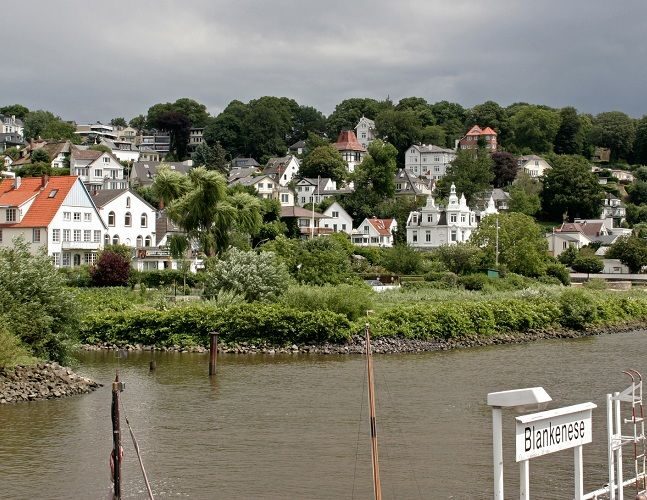
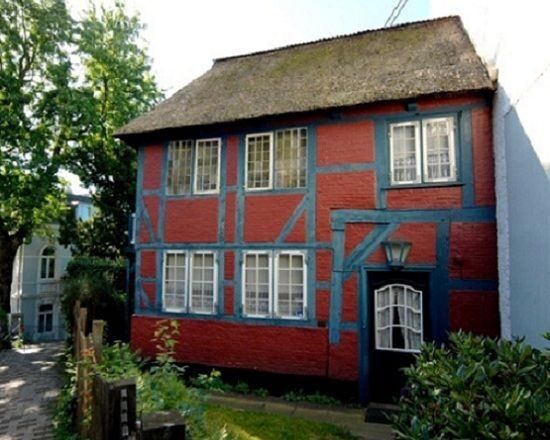
One of the best parts of this tour is that it gives you an interpretive lens while you walk. You see the dreamlike villas and old stately homes, but you also learn how the area’s past connects to different powers: Danish, Austrian, and Prussian. That’s not just trivia. It helps you understand why neighborhoods develop the way they do, especially along major water routes like the Elbe.
As you stroll through the parks and calmer streets, you’re getting more than pretty views. Parks here act like breathing space between denser clusters of houses. That means the walk stays enjoyable instead of exhausting. You also get time to notice garden layouts and how the hillside influences street direction.
A small caution: not everyone felt the historical explanations were enough. If history is your main interest, you can still enjoy the visual side, but you should be ready to ask direct questions about what you’re seeing—especially when the guide mentions those different periods. A good guide will connect details to real-world objects you can spot along the route.
Treppenviertel: the staircase district you can’t skip
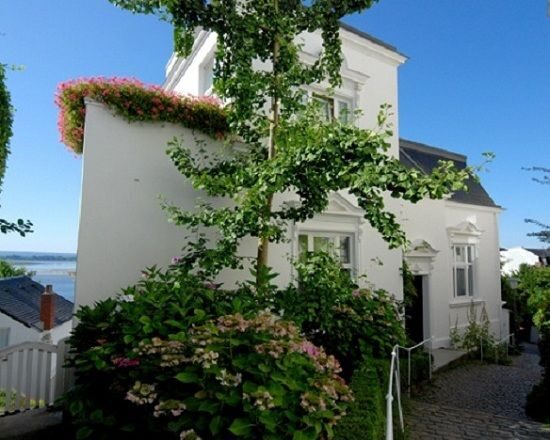
Treppenviertel is the star section for many people, and for good reason. It’s a place where the hillside turns everyday life into something architectural. Streets rise in steps, and the river-side setting gives the stairs extra meaning: you’re literally walking the geography.
On this tour, Treppenviertel isn’t treated as a photo stop. You move through it as part of a bigger narrative: hillside settlement first, then the staircase identity, then the river payoff. That order matters because once you’ve climbed and walked the neighborhood patterns, Treppenviertel feels like the logical next chapter—not a random patch you transit through.
What I like is that Treppenviertel helps you experience Blankenese at human scale. You can’t appreciate it fully from one overlook. The tour approach gets you closer to how people move through the neighborhood—slowly, step by step, with views unfolding in small bursts.
The possible drawback is obvious if you’re sensitive to stairs: you will be walking through a step-heavy area. For most people, that’s part of the charm. Just plan your shoe choice accordingly and pace yourself.
Süllberg climb: 74 meters of views, plus goats on the way down
Then comes the climb to Süllberg, the 74-meter viewpoint that helps you understand Hamburg’s size and coastline geography. You don’t just get a view; you get a perspective shift. From up there, the Elbe and the spread of the city become easier to read, and Blankenese stops feeling like a pretty suburb and starts looking like an actual geographic system.
This is also where the tour becomes “worth it” in a concrete way. Two hours is short enough that you want at least one big sensory payoff, and Süllberg delivers. It’s the kind of spot where you can pause, take in the horizon, and recognize why the area attracts people who like both views and walks.
One charming detail: after the climb, the return route is described as going back alongside mountain goats. That’s the kind of unexpected, local texture you can’t schedule yourself. It also breaks up the walking rhythm so the descent doesn’t feel like just “getting back.”
If you’re bringing grandparents or anyone who needs steady pacing, this tour is the kind that can work well—especially if your guide manages tempo. One participant praised how the pace fit an over-80 mother, which suggests the group can move at a comfortable rate when needed.




Elbe beach walk: lighthouse, shipwrecks, and freshwater tideland sights
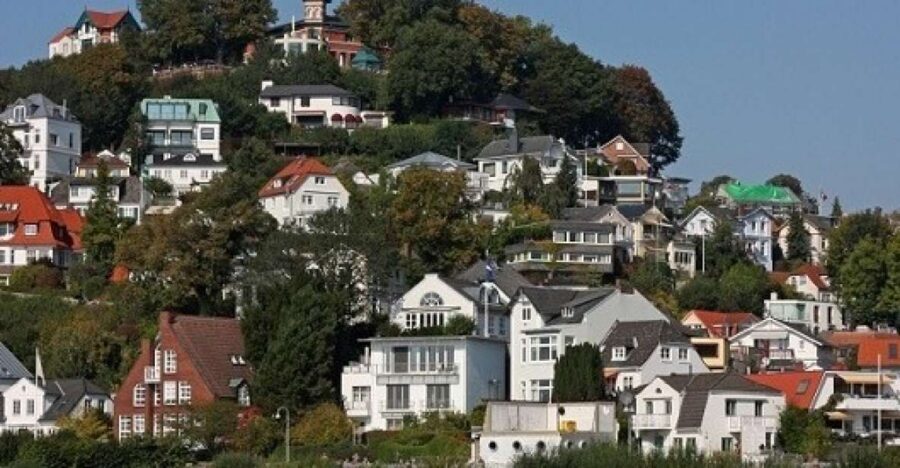
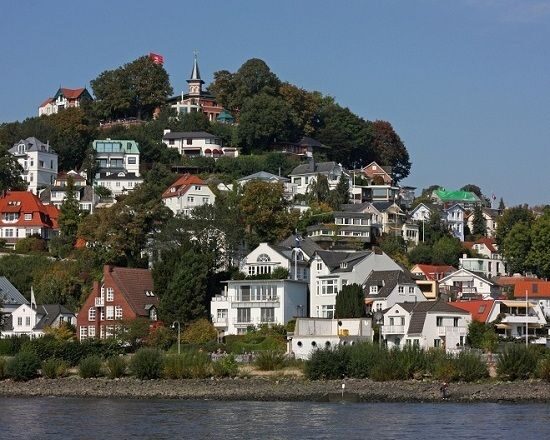
After the hillside and stairs, you reach the Elbe beach stretch, and the whole mood changes. Instead of villas and gardens, you’re dealing with sand underfoot, open sightlines, and the feeling of river air. The tour includes time to walk along the beach and watch ships going by, which turns the river into a live soundtrack.
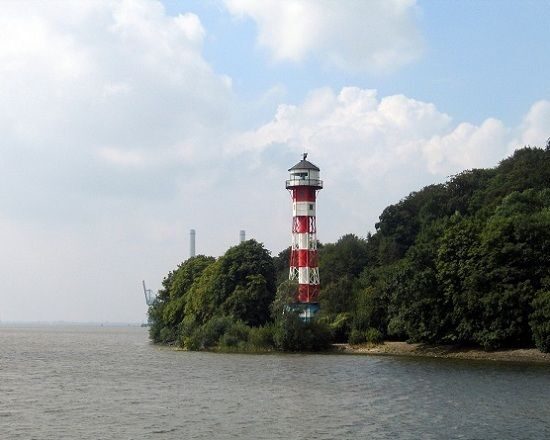
You’ll also see a lighthouse and old shipwrecks, adding a maritime edge to the romantic setting. That contrast is part of Blankenese’s character: it can look postcard pretty and still have reminders of the sea’s history and hazards.
You’ll have chances to look at sailboats on the largest freshwater tideland in Europe. That fact matters because it explains why the water looks and feels different here than along many saltwater coasts. You’re not just “near a river”; you’re on an area with a specific tidal identity that influences how boating and shoreline life work.
A practical thought: beach walking can mean uneven sand and wind. If it’s even slightly breezy, sunglasses help. And if you’re photographing, be ready for changing light—over the Elbe, it can shift quickly.
Price and value: $347 for a private group up to 30
The price is listed at $347 per group for up to 30 people, with a 2-hour duration and a professional guide included. That structure is important: you’re not paying per person in the way many city walking tours do. If you fill the group, the cost per person drops dramatically.
Here’s the math you can use for decision-making: if the group reaches 30 people, it works out to about $11.50 per person. If you’re traveling with a small group and don’t reach the maximum, the per-person cost will be higher—but you’ll still get a private, paced experience tailored to your group size and energy.
In value terms, I’d weigh this like this:
- You’re paying for a guide who can interpret what you’re seeing (the historical layers plus the Treppenviertel explanation).
- You’re paying for a short, high-impact walk that includes both Süllberg and the beach.
- You’re paying less than many private tours because the cost is per group, not per head.
If you’re traveling as a family or a small group of friends, it can still be a good deal if you treat it as the main “Blankenese experience” for the day rather than squeezing it in as a quick add-on.
Who this tour fits best (and who might want something else)
This is a great fit if you like walking through neighborhoods where you can’t just read about the place—you need to feel it. It’s ideal for couples, small friend groups, and families who want scenic payoff without a full-day commitment. The Elbe beach segment and the Süllberg viewpoint make it satisfying even if you’re not a deep-architecture enthusiast.
It also makes sense for people who want history in a light, practical way. You’ll get the Danish, Austrian, and Prussian past mentioned as you move through the settlement, which is a good “starter history” level. But if you’re expecting a heavy, lecture-style timeline, you may want to ask for extra detail when the guide brings up historical points.
One more fit detail based on how the tour has been described by an older participant: if your group needs a controlled pace, this can work well, especially with a guide who stays alert and adjusts to the group. Named guides like Alexander and Lilli have been praised for attention and pacing, which is a good sign.
Practical tips so the 2 hours feel easy
Two hours sounds short until you add stairs, slopes, and beach sand. To make this tour feel comfortable:
- Wear closed-toe, grippy shoes. Treppenviertel plus uneven sand will thank you.
- Bring a light layer for the river breeze. Even warm days can feel cooler near the Elbe.
- Plan your camera breaks. Blankenese rewards slow looking, especially on the way to and from Süllberg.
- If someone in your group is slower, tell your guide early. The tour has shown it can adapt to a relaxed pace.
Also, since food and drinks aren’t included, consider grabbing a snack before or after. That lets you keep the walk enjoyable rather than hungry.
Should you book this Blankenese tour?
I’d book it if you want a focused, scenic Blankenese experience that includes the main highlights: the hillside neighborhood feel, Treppenviertel steps, the Süllberg viewpoint, and the Elbe beach with ships and maritime sights. The private-group pricing can be very cost-effective, especially if you can share the cost with others up to the group cap.
I would hesitate only if you need a lot of detailed historical storytelling and prefer fewer walking elements. Some people have wanted more history explained. If that’s you, go anyway but come armed with questions, or plan to pair this walk with another Hamburg stop where the history is more central.
If your goal is to spend two hours seeing Blankenese the way postcards can only hint at, this tour makes a strong case.
FAQ
Where is the meeting point?
The meeting point is the S-Bahn station Blankenese.
How long is the tour?
The tour duration is 2 hours.
Is the tour private?
Yes. It’s listed as a private group.
What is included in the price?
A professional guide is included.
Is food or drinks included?
No. Food and drinks are not included.
What’s the cancellation policy?
You can cancel up to 24 hours in advance for a full refund.