REVIEW · HAMBURG
Hamburg: Speicherstadt – Stories from the heart of the trading empire
Book on GetYourGuide →Operated by Hamburg Einblick · Bookable on GetYourGuide
Brick warehouses and canal myths, in two hours. This is a focused walk through Hamburg’s Speicherstadt where the neo-Gothic brick walls, canals, and UNESCO setting make the past feel close. With guide Elena Sandik leading, the tour also leans into the human side of a trading empire, not just architecture.
What I like most is the small group format (max 10). It keeps things personal, so you can ask questions without feeling rushed. I also love how the route mixes big, postcard moments—especially Wasserschloss—with stories that explain why the place looks the way it does.
One drawback to consider: this tour is unfortunately not suitable for wheelchair users or people with walking difficulties. It’s built around outdoor streets and canal-area surfaces, so plan for comfortable shoes and steady footing.
In This Review
- Key highlights worth timing your day for
- Hamburg’s Speicherstadt: trading power, told in brick and water
- Where the tour starts at Baumwall, and why that matters
- How the neo-Gothic brick streets become stories you remember
- Wasserschloss: the warehouse district’s top photo motif
- Sandtorkai’s historic harbor: where trade feels physical
- Low German words, proverbs, and the voices in the alleys
- From spice trade glory to WWII scars and today’s Hamburg
- Elbphilharmonie checks and the thrill of a possible ship sighting
- Price and value: why 25 euros can feel fair for this format
- What you should do before you go (so the weather doesn’t win)
- Who this tour fits best
- After the tour: museums and coffee in the Speicherstadt
- Should you book Hamburg’s Speicherstadt stories tour?
- FAQ
- How long is the Hamburg Speicherstadt tour?
- Where do I meet the guide?
- How large is the group?
- What language is the tour taught in?
- Is food included in the ticket price?
- Is the tour wheelchair accessible?
Key highlights worth timing your day for
- Wasserschloss photo moments: the warehouse district’s most famous visual target, perfect for canal light.
- Sandtorkai’s historic harbor vibe: you’ll see where the maritime work made the district matter.
- Low German and everyday proverbs: you’ll pick up language links you can carry home.
- Spice trade to WWII to today: the stories move across eras, not just one “pretty” chapter.
- Elbphilharmonie viewpoint checks: quick, satisfying contrast with modern Hamburg.
- Die Seute Deern spotting, if you’re lucky: a maritime bonus when conditions line up.
Hamburg’s Speicherstadt: trading power, told in brick and water
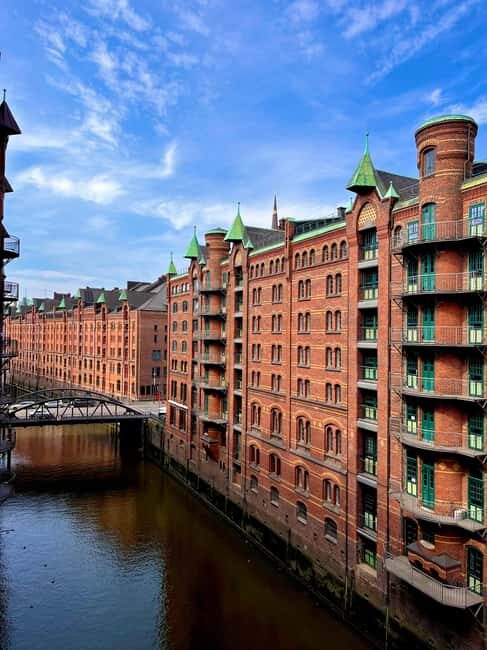
Speicherstadt isn’t just a neat warehouse district. It’s a whole world of canals, brick, and engineering choices that reflect how Hamburg grew into a trading powerhouse. The best part is how the tour connects those structures to real lives—merchants, workers, and the communities that formed around the port.
You’ll spend two hours on foot in an area recognized as a UNESCO World Heritage Site. That matters because Speicherstadt wasn’t designed as a museum; it was built for trade. The tour helps you read that difference while you walk.
You can also read our reviews of more tours and experiences in Hamburg.


Where the tour starts at Baumwall, and why that matters
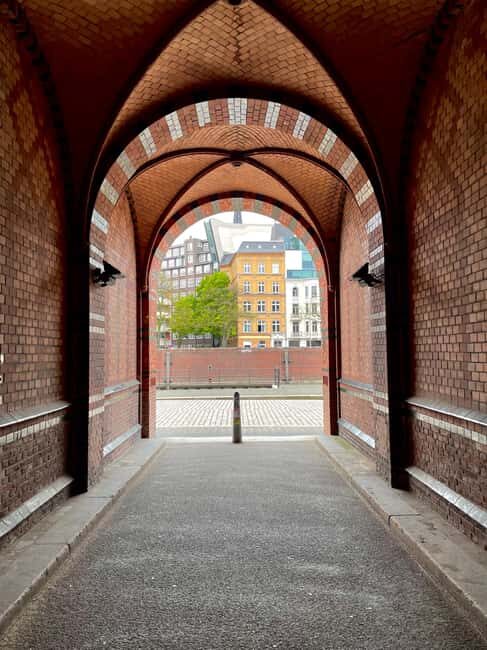
You’ll meet at Baumwall subway station, right next to the kiosk. That’s a smart start point because it gets you moving quickly into the warehouse district area without a lot of extra travel. It also makes the tour easy to plug into a broader Hamburg day plan.
The tour runs for about 2 intense hours, which is ideal when you want a strong overview without burning a half-day. Keep your schedule flexible because the experience is weather-dependent in the simple way that all outdoor walking tours are.
How the neo-Gothic brick streets become stories you remember
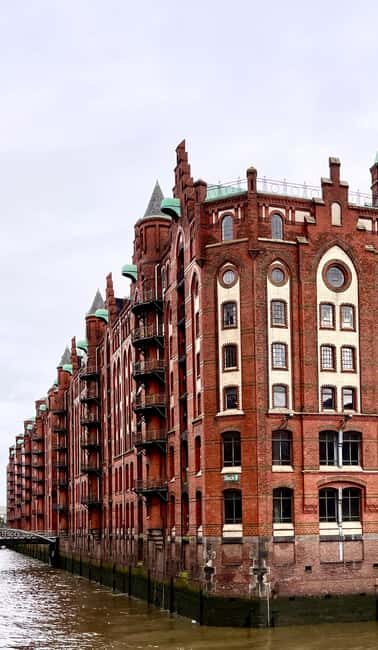
The walk is built around the warehouse district’s neo-Gothic brick buildings, and the guide’s storytelling approach is the main ingredient. You’re not just looking at architecture—you’re hearing why it was imagined, funded, and built to last in a very specific environment.
One of the big themes is engineering and setting. You’ll learn why the warehouses are on tree piles—a reminder that this district had to solve a practical problem long before modern construction tech existed. That explanation changes how you see the place: the brick stops being decoration and becomes part of a functional system.
You’ll also hear about the people the tour calls the neighborhood people. That’s more than a demographic label. It’s a way to frame who belonged here and who moved through these alleys when the port economy was in motion.
Wasserschloss: the warehouse district’s top photo motif
If you’re the type who likes getting the “main shot,” Wasserschloss is your moment. This building is described as by far the most popular photo motif in the warehouse district, and the tour treats it that way: you’ll have time to look closely and then reframe what you’re seeing with context.
Here’s the practical value: canal light can change fast, and photo angles can be finicky. Having a guide point out the right spots helps you stop guessing and start shooting with purpose. Even if you don’t care about photography, Wasserschloss is a good place to calibrate your understanding of the district’s layout.
Sandtorkai’s historic harbor: where trade feels physical
Next comes the historic harbor area around Sandtorkai. This is where you’ll feel the maritime spine of the whole district. The stories connect the canal-side buildings to the work they were built to support, so the atmosphere makes sense instead of feeling like scenery.
I like how this portion gives you a sense of scale. A warehouse district can look quiet from a distance, but the harbor framing brings back the idea of ships, deliveries, and daily logistics—without needing you to know every German term up front.




Low German words, proverbs, and the voices in the alleys
One of the most memorable parts is language. The tour includes Low German terms that have echoed through these alleys for generations. That’s not trivia for trivia’s sake. When you learn a few words, you start noticing how the district communicates identity—what people called things, how they spoke, and what stayed consistent over time.
You’ll also learn where proverbs you use every day come from. That’s a neat trick for turning cultural history into something personally relevant. Instead of thinking of Speicherstadt as “long ago,” it becomes a place where language patterns survived.
A quick note: some content may appear in original language. If your German is basic, don’t panic. The guide’s job is making it make sense, and the visual setting does a lot of the heavy lifting.
From spice trade glory to WWII scars and today’s Hamburg
Speicherstadt’s story covers a full arc, and the tour doesn’t try to sugarcoat it. You’ll hear about the golden years of the spice trade, when the district’s purpose was tied to global goods moving through Hamburg. That era explains the wealth and confidence behind the architecture.
Then the tone shifts toward the dark hours of World War II. This is where the tour feels more serious, because the place you’re walking through isn’t just scenic—it has lived through disruption. Finally, you’ll connect it to the present day, which is what makes the ending feel practical rather than mournful.
I find that this sequencing works well in two hours. It gives you a narrative shape, so you leave with more than isolated facts.
Elbphilharmonie checks and the thrill of a possible ship sighting
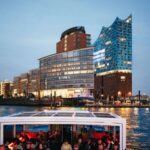
You’ll also check out the Elbphilharmonie as part of the experience. That’s a smart contrast with Speicherstadt’s centuries-old brick character. It reminds you Hamburg didn’t stop evolving once the warehouses were built.
And then there’s the added maritime bonus: with a bit of luck, you’ll see Die Seute Deern. This isn’t presented as a guarantee, so treat it like a fun chance to add motion to your photos. If it happens, it’s the kind of detail you’ll remember because it feels alive, not staged.
Price and value: why 25 euros can feel fair for this format
This tour costs 25 euros per person (often shown online in the neighborhood of $29 depending on currency display). For two hours with a certified city guide and a small group capped at 10, that’s a value you should feel if you care about interpretation, not just sightseeing.
You’re paying for:
- a guided explanation of why the district works (engineering like tree piles),
- cultural context (Low German, proverbs, and how trade shaped life),
- and direct access to questions because the group stays small.
It’s not a food tour, and it doesn’t include entrance fees. So if you’re hoping for a built-in meal or paid attractions, plan to handle those separately. Still, the tour gives you a strong framework that makes self-guided wandering afterward much better.
What you should do before you go (so the weather doesn’t win)
Hamburg’s weather is famously changeable, and this tour runs rain or shine. I’d treat that line literally: bring an umbrella and rain gear, plus water and comfortable clothes. Good footwear matters a lot here.
Also, pack for time on foot. It’s short—two hours—but it’s “packed with stories,” which means you’ll be moving while listening. If you can only walk for short periods, this is the part where you’ll feel it.
Who this tour fits best
This is a great match for:
- History buffs who want an explanation tied to real places.
- Architecture fans who like neo-Gothic brick, canals, and structure with purpose.
- Photographers who want the key photo spots like Wasserschloss and the harbor area.
- Hamburg tourists who want maritime flair without getting lost in a self-guided maze.
- Families with children, especially if you plan to connect with Miniatur Wunderland afterward.
It’s also a strong option if you like tours that teach you a few local terms. Learning Low German words turns the district into something you can talk about later, not just remember visually.
After the tour: museums and coffee in the Speicherstadt
When you finish, you’re set up to keep exploring on your own. The experience encourages you to check out the museums nearby, or to slow down with coffee at one of the roasteries in the Speicherstadt.
This is where you can pick your pace. If the tour gave you a few “story threads,” you’ll likely notice them again as you browse museums. If you just want a break after two hours of talking and walking, roastery coffee is the easy win.
Should you book Hamburg’s Speicherstadt stories tour?
Book it if you want a compact, story-driven walk in a UNESCO setting, led in German by a guide like Elena Sandik who clearly connects history to the street-level view. The small group size is a real advantage if you like asking questions and getting straight answers.
Skip it or think hard if mobility is an issue. Since it’s not suitable for wheelchair users or people with walking difficulties, don’t gamble on it.
If your ideal Hamburg day includes canal photos, maritime settings, and a guide who can explain why places look the way they do, this one is a solid call.
FAQ
How long is the Hamburg Speicherstadt tour?
The tour lasts about 2 hours.
Where do I meet the guide?
You meet at Baumwall subway station, next to the kiosk.
How large is the group?
The group is limited to a maximum of 10 people, keeping the atmosphere personal.
What language is the tour taught in?
The tour guide speaks German, and some content may be shown in its original language.
Is food included in the ticket price?
No. Food and drinks are not included.
Is the tour wheelchair accessible?
No. It is unfortunately not suitable for wheelchair users or people with walking difficulties.