REVIEW · HAMBURG
Hamburg: Krimi-Rätseltour Schanze
Book on GetYourGuide →Operated by Eat the World GmbH · Bookable on GetYourGuide
A bank-robber case in Hamburg, without a single dull moment. This Krimi-Rätseltour sends you through the Schanzenviertel district as a team of undercover investigators, hunting clues, cracking codes, and trying to catch the culprit. I like the fact that the story is fictional but the game rules feel real: you collect clues, solve puzzles at each station, and make the case step by step. I also like the built-in structure—each stop nudges you forward with a new task instead of wandering around guessing. One thing to consider: it’s outdoors with moderate walking and it takes place in German, so it’s not for everyone.
One more practical note: this tour isn’t barrier-free and isn’t suitable for people with mobility impairments, so check that before you book. If you’re comfortable walking on city sidewalks in weather-appropriate clothing, you’re set for a fun mix of sightseeing-by-doing and detective-style teamwork.
In This Review
- Key things to know before you go
- Hamburg’s Schanzenviertel, solved on foot
- The case: catch a robber using deduction, not luck
- How the game master supports you (without spoiling it)
- What happens at the start near Copenhagen Coffee Lab
- Puzzle stations: how the clues guide your route
- Mid-route momentum: crack the codes and move closer to truth
- The finale: convict the culprit and recover the loot
- Price and value: is $38 for 2 hours worth it?
- Practical tips that make the mystery smoother
- Who this is best for (and who should skip it)
- Should you book the Hamburg Krimi-Rätseltour Schanze?
- FAQ
- FAQ
- How long is the Hamburg Krimi-Rätseltour Schanze?
- How much does the tour cost?
- Where is the meeting point?
- What is the main goal of the game?
- Does the game include hints or help?
- Is the tour in English?
- How big is the group?
- Is the tour suitable for people with mobility impairments?
- What should I bring?
- Are pets allowed?
Key things to know before you go
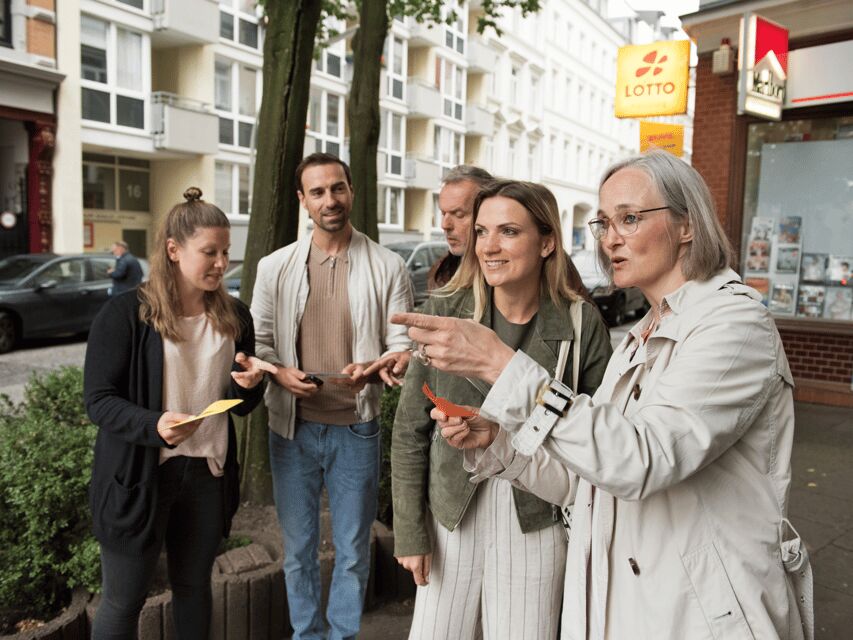
- Small group, up to 8 people means you’re not stuck waiting while others solve.
- Hidden puzzles at every station keep you moving from clue to clue, not just reading a storyline.
- Remote help from the game manager gives you a safety net if you stall.
- Final-code moment turns the whole hunt into a satisfying finish: convict and recover the loot.
- Moderate outdoor walking through familiar and less-familiar corners of Schanzeviertel.
Hamburg’s Schanzenviertel, solved on foot

This is one of those Hamburg activities where the neighborhood becomes your game board. You’ll start near the meeting point at Kleiner Schäferkamp Ecke Weidenallee, by the litfaßsäule (advertising column) in front of Copenhagen Coffee Lab, and then you’ll work your way through the Schanzenviertel area on foot.
Because the activity is designed as a running mystery, you get a more hands-on feel for the district than you would on a regular walking tour. Instead of just looking, you’re constantly asking questions: What does this clue mean? Where would a ticket or a detail matter? What’s missing?
The walking is described as moderate, so think “comfortable city pace” rather than a long hike. Still, you’ll be outside for the full 2 hours, so bring comfortable shoes and dress for the weather.
You can also read our reviews of more tours and experiences in Hamburg.



The case: catch a robber using deduction, not luck
The whole experience is built around a fictional criminal case: you and your team are trying to catch a bank robber in the Schanzenviertel neighborhood. The game gives you a main suspect—a petty crook who seems harmless—but there’s a rumor about something bigger: he’s supposedly come into a lot of money.
That’s the hook. The story pushes you to question appearances and follow the money logically. Where does the sudden fortune come from? Is the main suspect really the mastermind, or is he a distraction?
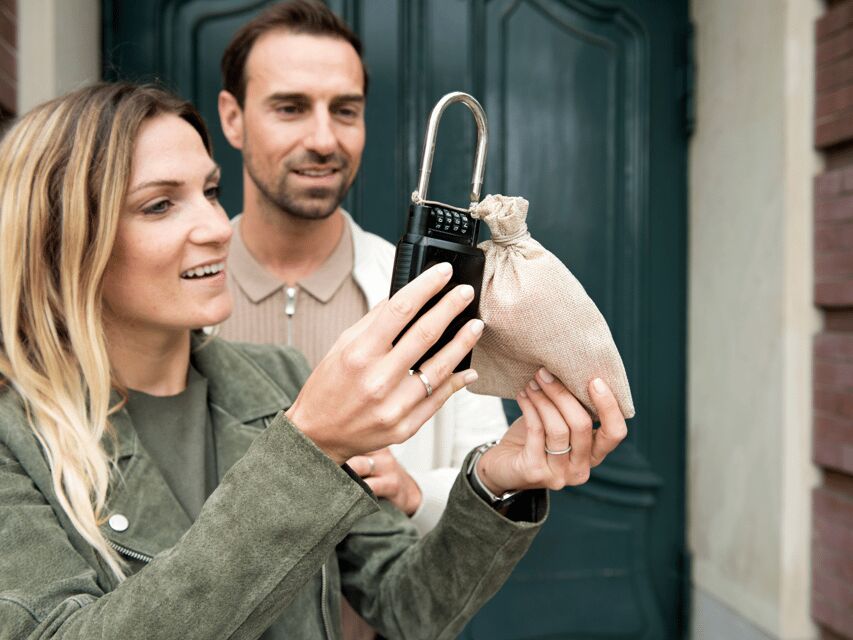
In practice, this means the game isn’t about speed. It’s about pattern recognition and combining small bits of information into one conclusion. You’ll be working with clues you collect along the way, and the key part is that you’re not limited to one kind of puzzle. Expect tasks that involve deduction, clue gathering, and codes you have to crack.
How the game master supports you (without spoiling it)

One of the smartest design choices here is the way help works. You get supervision by the game manager, but that support is from a distance—meaning you’re not constantly guided step-by-step. When you need it, you can ask for hints and some kind of action from the game master.
For you, that balance matters. If a mystery game is too hands-on, it stops feeling like a real case. If it’s too hands-off, you end up frustrated and stuck. This setup aims for the middle: you stay in control of the investigation, but you’re not doomed if a puzzle trips you up.
So if your group tends to stall, plan to share responsibility. Assign one person to read instructions carefully, another to focus on decoding or matching clue details, and another to keep the team on track toward the next station. Small roles prevent the common failure mode: everyone solving their own thing in different directions.
What happens at the start near Copenhagen Coffee Lab

Your first step is showing up at the meeting point at Kleiner Schäferkamp Ecke Weidenallee, outside the Copenhagen Coffee Lab area, at the litfaßsäule. From there, the game starts as a structured activity with the case premise in place.
Even though you’ll be outdoors and moving through the district, you still get that “start line” energy: you’re briefed for the investigation mindset, then you’re sent off to find clues and solve puzzle tasks at each station.
This is also where the small group format helps. With limited to 8 participants, you’re more likely to actually talk, compare clues, and collaborate instead of only half the group being engaged.
Puzzle stations: how the clues guide your route

The core gameplay is station-based. You’ll pass well-known and lesser-known spots in the Schanzenviertel area, but what makes these stops special is that they’re not random. Each station includes hidden puzzles and clues that show you the way forward.
The description makes it clear you’ll be doing things like:
- asking yourself what details might matter
- collecting clues as you go
- cracking codes to open the next step
- combining information to build a case against the culprit
One detail I like in the way this is framed: you’re encouraged to question “ordinary” items. For example, the game asks whether a ticket could be the decisive clue. That’s a good approach for you, too. Don’t treat clues as one-note. Even if something looks small, it might be part of a code system or a logic chain later.
A practical way to avoid getting lost in the puzzle fog: keep your team aligned on what you already know. Every time you solve a step, restate the key clue in plain language for the group. That way, when you reach a later station that refers to earlier info, you won’t have to recreate it from memory.






Mid-route momentum: crack the codes and move closer to truth
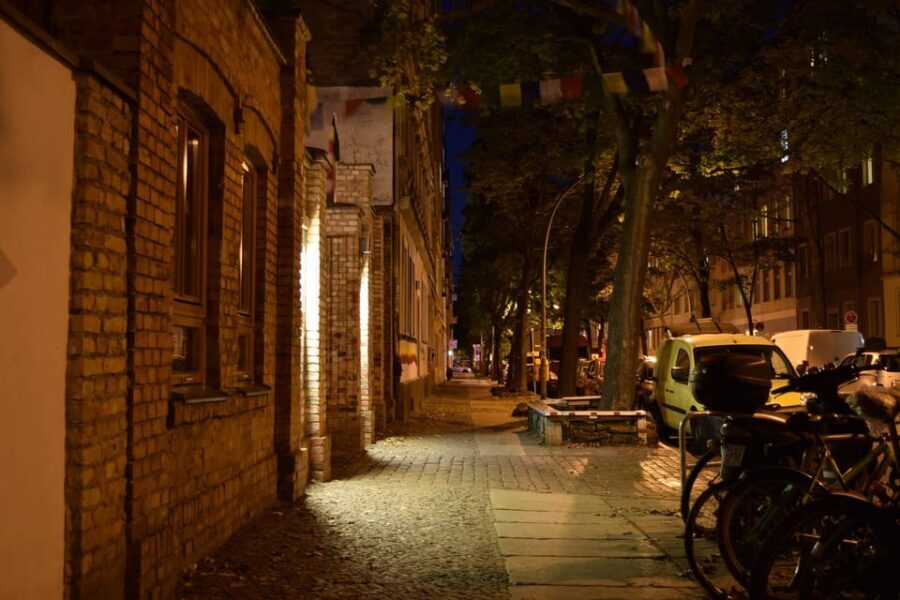
As you continue through the case, the difficulty is designed to rise. The thief is described as having camouflaged the trail well, which is game-speak for: you won’t solve everything instantly.
That’s good news for you if you like puzzles with a bit of challenge. But it also means your team should be ready to think in layers. One station might give you part of a message, another might give you a key, and only later does the full pattern make sense.
Here’s how to keep things fun when the brain-power ramps up:
- Don’t let one person carry the entire solution.
- If you’re stuck for several minutes, ask for a hint instead of burning the clock.
- After each station, confirm you understand what the clue means before moving on.
The “remote hint” feature is built for exactly this moment—when you want the satisfaction of solving but you don’t want to get trapped in one code forever.
The finale: convict the culprit and recover the loot
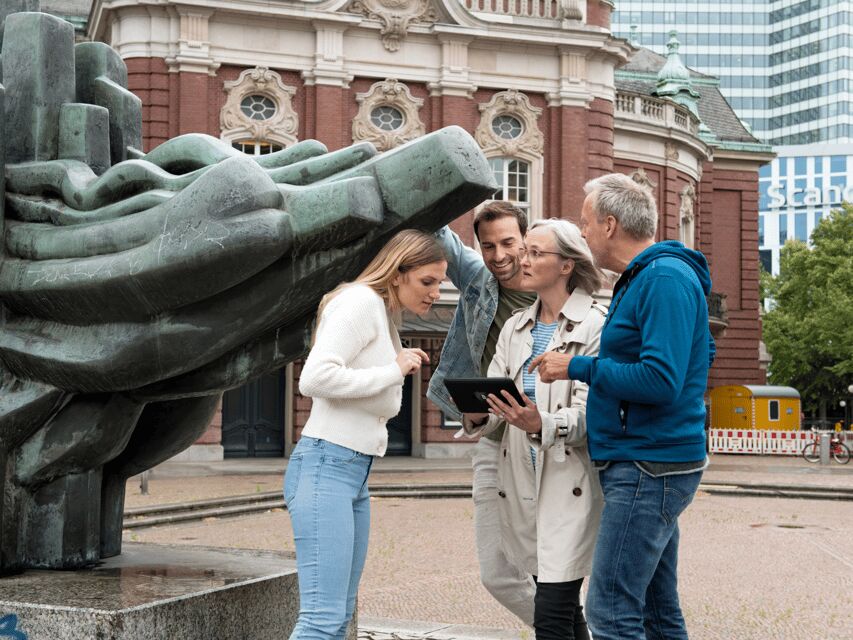
The last stretch is the payoff. The game expects you to find a goal and then crack the final code, tying together the clues you collected earlier.
At this point, you’re not just finishing a puzzle—you’re making the case. The whole story hinges on the main suspect and the rumor of sudden wealth. Your job is to connect the dots in a way that convinces the case’s logic.
If your team has been working together all along, the finale should feel like a real moment of progress. You’ve been gathering evidence; now you combine it into a final answer.
And yes, the recovery of the loot and the capture of the robber is ultimately in your hands. That’s part of what makes this tour different from passive sightseeing: you’re actively trying to solve the case, not just following a script.
Price and value: is $38 for 2 hours worth it?
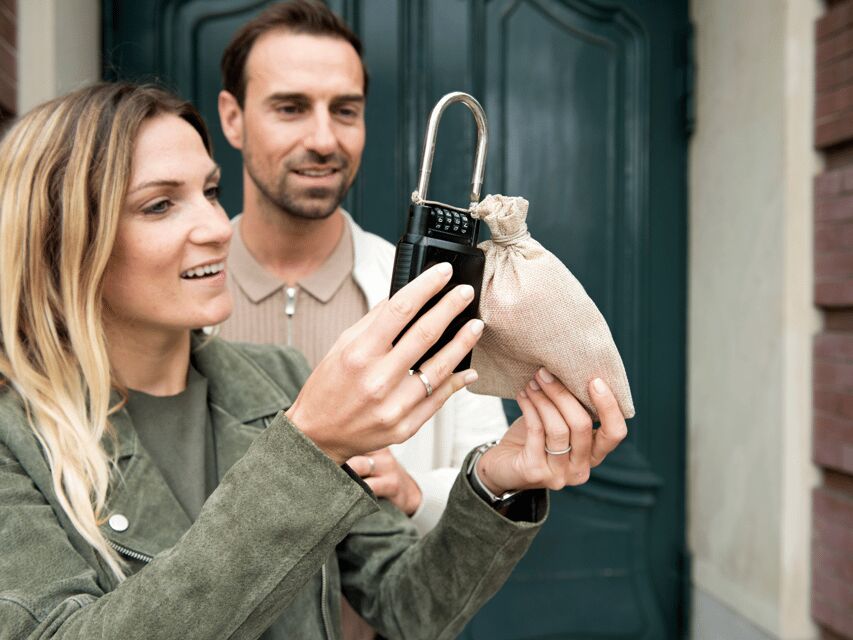
At $38 per person for a 2-hour activity, this sits in the “pay for an experience” category. The value comes from three places:
First, you get structured game time. Two hours goes fast when you’re solving puzzles and moving between stations; it’s not a slow, drawn-out museum visit.
Second, you get a small group (up to 8). That keeps the experience social and collaborative, and it prevents you from feeling like you’re watching other people play detective.
Third, you get game master support and hints. That reduces the risk that you’ll waste the whole session stuck on one step. You stay challenged, but not helpless.
If you like interactive activities, puzzles, and teamwork, the price usually feels fair. If you want mostly visual sightseeing with minimal brainwork, this might feel like too much work for two hours.
Practical tips that make the mystery smoother
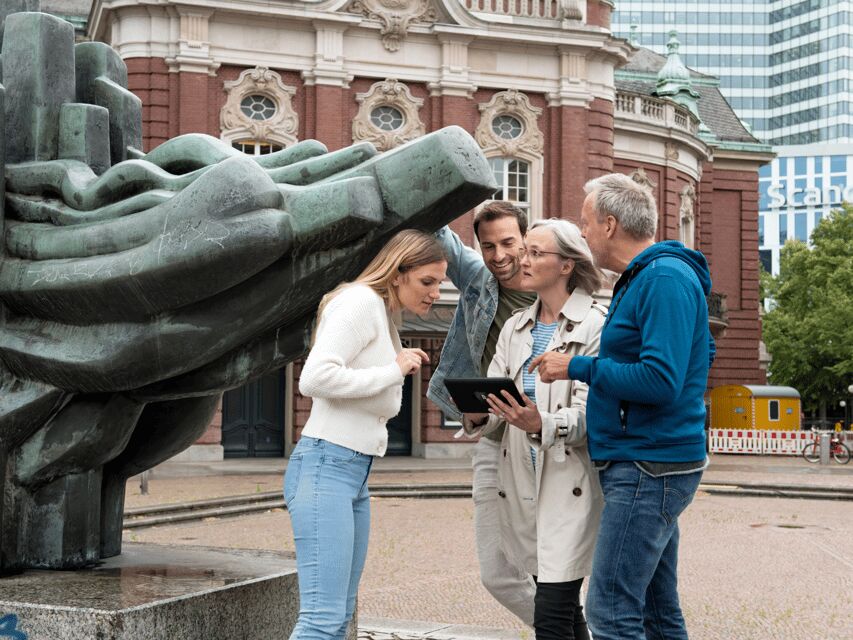
A few things will help you get more enjoyment and less frustration:
- Wear comfortable shoes. The tour is outdoors with moderate walking, and you’ll be moving between stations.
- Dress for the weather. The experience doesn’t mention indoor segments, so plan for being outside.
- Go as a team mind-set. This is built for groups; the case is easier when you share ideas.
- Be ready for German. The event takes place in German, and the host/greeter is German. If your German is limited, you might still follow the flow, but you’ll likely miss some of the nuance behind the clues.
- Use hints wisely. If you’re genuinely stuck, ask. Getting unstuck keeps the game fun for everyone.
Who this is best for (and who should skip it)
This is a great fit if you want a different kind of Hamburg activity—one that mixes light sightseeing with detective-style problem solving. The “fictional bank robbery” framing is also a nice middle ground: it feels like a crime story, but it stays playful and puzzle-focused.
You’ll probably enjoy it most if you:
- like teamwork and sharing ideas
- enjoy codes, deduction, and clue-based challenges
- want a structured route through Schanzenviertel rather than wandering alone
Skip it if:
- you need barrier-free access (it’s not barrier-free)
- you have mobility impairments (not suitable for that)
- you’re bringing pets (pets are not allowed)
- you don’t want an activity that’s heavily based on German instructions and interaction
Should you book the Hamburg Krimi-Rätseltour Schanze?
If you’re the type who likes solving puzzles while exploring a neighborhood, I’d book it. The small-group size, the station-based clues, and the remote hint system are a strong combo for keeping the experience both challenging and achievable. And the payoff—cracking the final code and finishing the case—gives the whole thing a clear end point in just 2 hours.
But if you want a fully barrier-free tour, or you’re not comfortable with German as the working language, look for a different Hamburg experience. This one is built to work like a real investigation: you’ll do the thinking, and you’ll do the walking.
FAQ
FAQ
How long is the Hamburg Krimi-Rätseltour Schanze?
The tour lasts 2 hours.
How much does the tour cost?
It costs $38 per person.
Where is the meeting point?
It meets at Kleiner Schäferkamp Ecke Weidenallee, at the litfaßsäule in front of Copenhagen Coffee Lab.
What is the main goal of the game?
You act as undercover agents and try to catch a bank robber by finding and solving clues, puzzles, and codes.
Does the game include hints or help?
Yes. There is supervision by the game manager, and you can receive hints.
Is the tour in English?
No. The event takes place in German.
How big is the group?
It’s a small group with a limit of 8 participants.
Is the tour suitable for people with mobility impairments?
No. The tour is not barrier-free and is not suitable for people with mobility impairments.
What should I bring?
Bring comfortable shoes and weather-appropriate clothing.
Are pets allowed?
No. Pets are not allowed.