REVIEW · HAMBURG
Hamburg – Freemason Walking Tour in German
Book on GetYourGuide →Operated by DIE STADTSPÜRER® · Bookable on GetYourGuide
Hamburg’s secret societies are easier to read than you think. This Freemason walking tour in German leads you past major landmarks and focuses on the symbols, signs, and rituals linked to Freemasonry. I love the clear route through central Hamburg and the way the guide connects meaning to specific buildings and streets. I also like that it ends with you seeing the Hamburg Masonic Lodge headquarters, not just hearing theories. One possible drawback: if you want only building-by-building symbolism with no storytelling layer, you may feel the pace varies.
You start at the St. Nikolai memorial and walk with an experienced guide in German for about 2 hours. Along the way, the stops cover places like the Hamburg Town Hall area, Stephansplatz, and Gänsemarkt, so you’re always looking at Hamburg, not a lecture hall. The tour is recommended from age 12+ and is wheelchair accessible, which makes it a practical option for a wide range of visitors.
In This Review
- Key things I’d watch for on this Freemason walking tour
- Why Freemasons in Hamburg feel concrete, not spooky
- Meeting at St. Nikolai: the route starts with meaning
- Trostbrücke and Adolphspl. 1: learning to read symbols where they’re actually visible
- Hamburg Town Hall: where civic architecture does the talking
- Stephansplatz and Gänsemarkt: spotting Masonic clues while you keep moving
- Seeing the present headquarters of the Hamburg Masonic Lodge
- The guide factor: German narration that should keep a clear thread
- Price and value: is $29 a fair trade for 2 hours?
- Who this tour fits best (and who should think twice)
- Practical tips for getting the most out of the walk
- Should you book the Hamburg Freemason Walking Tour?
- FAQ
- Where does the tour start?
- How long is the Hamburg Freemason walking tour?
- What language is the live guide?
- Is it wheelchair accessible?
- Is there a minimum age?
- What are some of the stops on the route?
- What’s included in the ticket price?
- How much does it cost?
Key things I’d watch for on this Freemason walking tour
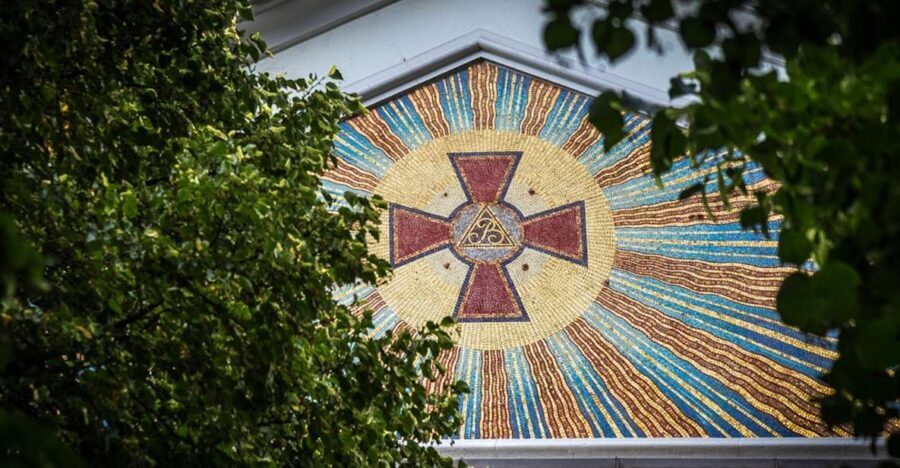
- St. Nikolai memorial is a smart starting point for the topic’s tone and setting
- You’ll visit key central sites including Trostbrücke, Adolphspl. 1, Town Hall, Stephansplatz, and Gänsemarkt
- The tour aims to explain symbols, signs, and rituals as you see them in the city
- You get a real-world payoff by seeing the current Hamburg Masonic lodge headquarters
- The guide is live and German-speaking, so come ready to follow spoken explanations
- A small souvenir is included, which is a nice bonus for a focused 2-hour walk
Why Freemasons in Hamburg feel concrete, not spooky
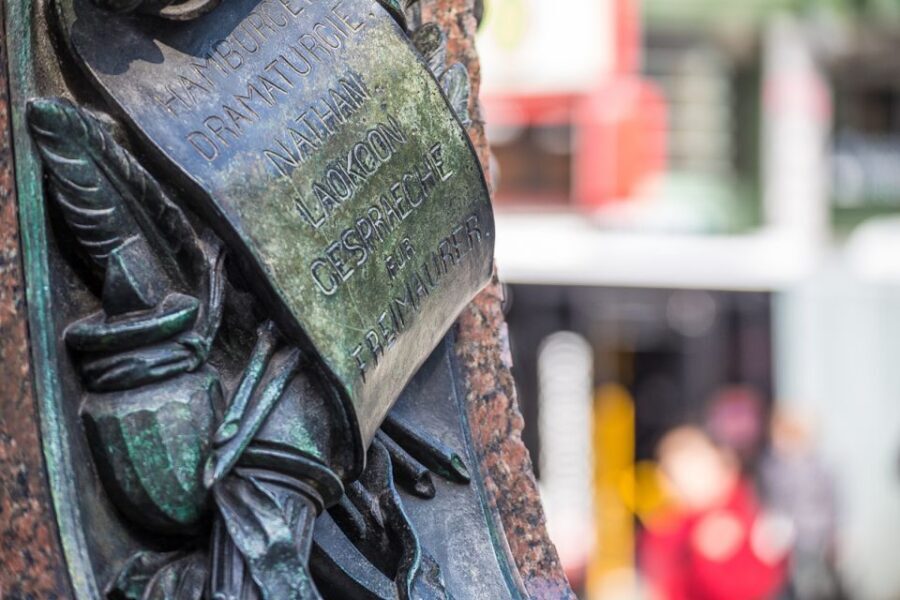
Freemasonry is one of those topics that can sound like a movie plot. This tour keeps it grounded. Instead of treating Freemasonry like pure myth, you’re guided to look for marks in the urban fabric—things like symbols, recurring design language, and the way groups can leave footprints in public spaces.
What makes Hamburg a great setting is the mix of civic grandeur and street-level visibility. You’re walking through parts of the city where you can still feel the old rhythms: plazas, formal buildings, and historic-looking streets that invite looking up. That’s where the tour’s best trick happens. You stop scanning for random “secret codes” and start building a practical habit: noticing and then asking what an emblem or sign might communicate.
If you’re even slightly curious about how societies operate—how they recruit, how they signal identity, how they keep tradition—you’ll likely enjoy the way the tour frames Freemasonry as an organization with an urban presence. And if you’re more skeptical, that’s fine too. You’ll still learn how to interpret visual language, which is useful in cities across Germany.
You can also read our reviews of more walking tours in Hamburg


Meeting at St. Nikolai: the route starts with meaning
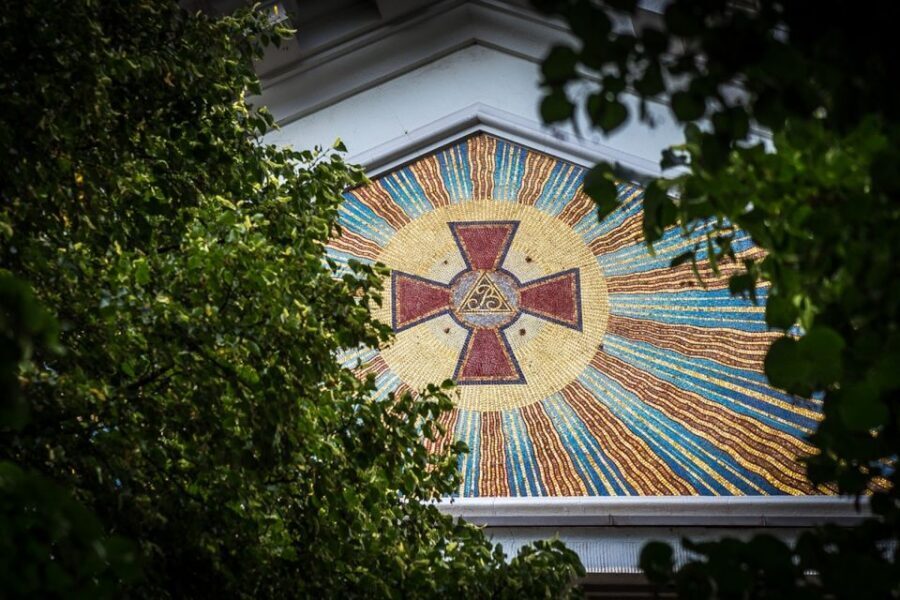
You meet at Am Mahnmal St. Nikolai, Haupteingang. Starting at the St. Nikolai memorial sets a serious mood right away, and it’s also a handy location to orient yourself before you head into the core sights.
From that first step, the tour is set up like a guided investigation. You’re not just strolling. The guide is effectively teaching you a method: look for symbols, then connect them to what you’ve been told about Freemasonry’s use of signs and ritual references.
A big plus here is timing. With a 2-hour duration, the walk stays focused. You’re not expected to track dozens of sites or spend the day hopping between neighborhoods. It’s long enough to get multiple stops and learn patterns, but short enough that you can still enjoy Hamburg on your own afterward.
One practical point: since the tour is German, your experience will depend on how comfortable you are with spoken explanations. If German isn’t your strong suit, you can still enjoy the visual part, but you’ll miss some of the nuance.
Trostbrücke and Adolphspl. 1: learning to read symbols where they’re actually visible
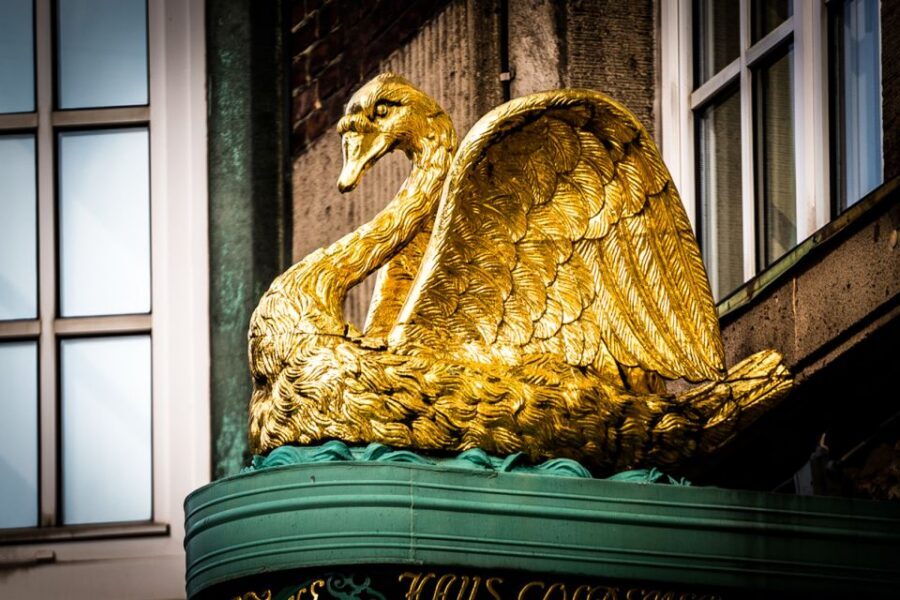
The tour moves early to Trostbrücke. Bridges are good for this kind of theme because they naturally funnel your attention. You tend to look along lines—toward entrances, façades, and urban details—rather than zoning out to the horizon.
After that, you head to Adolphspl. 1. This is one of those stops where the value comes from the guide’s explanation. Freemasonry-related symbols can look like “just decorative detail” until someone tells you what to look for. The guide’s job is to turn that switch on quickly.
Here’s what I like about this approach: it trains you to notice without becoming obsessed. You learn that symbols have meaning, but you also learn that you need context to interpret them. That keeps the tour from drifting into pure speculation.
If you’re the kind of person who likes learning in short bursts, this early section works well. You get multiple opportunities to compare what you see with what you’re told. And if a symbol is hard to spot, don’t panic. The whole point is that the guide helps you see what you’d probably miss on your own.
Hamburg Town Hall: where civic architecture does the talking
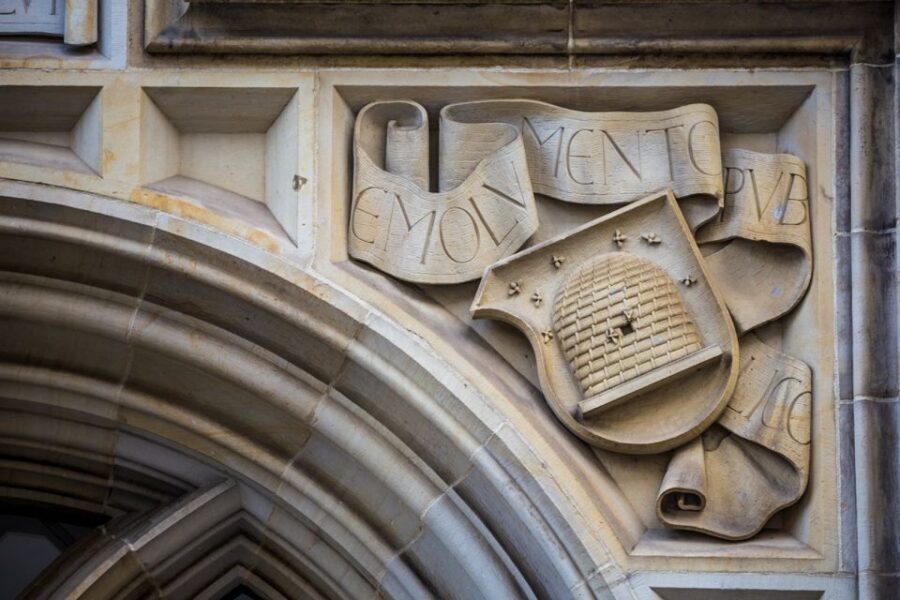
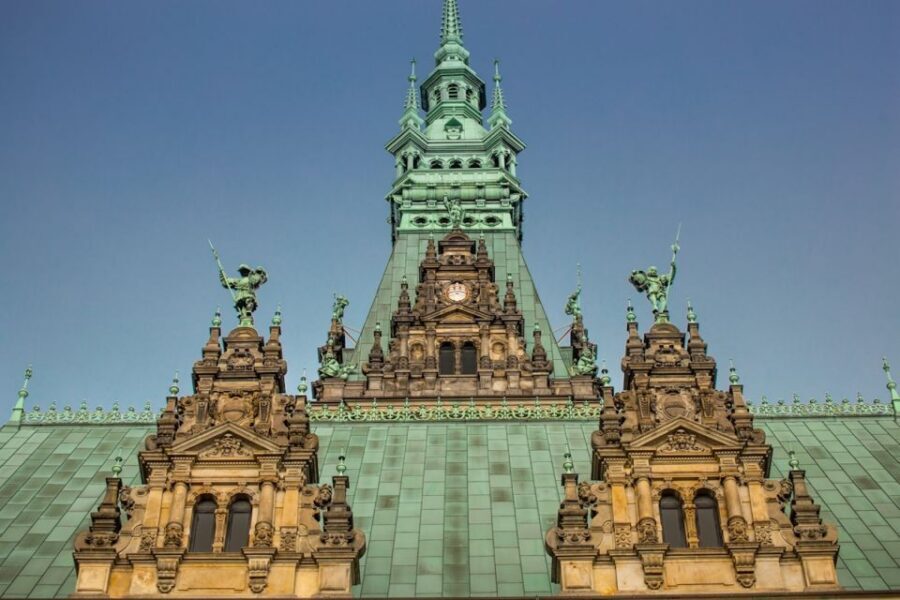
Next up is the Hamburg Town Hall area. Big civic buildings change the energy of a walking tour. You’re standing in the presence of official power, and that makes it easier to talk about how organized groups can relate to public institutions—directly or indirectly.
What you’ll likely take away here is the connection between symbolism and legitimacy. Freemasonry’s visual language isn’t only about inside meaning. In places like this, it can also be about how identity and tradition gain visibility within a city’s official spaces.
The guide’s explanations matter most at this stop. Without a guide, you might enjoy the architecture and move on. With the guide, you’re pushed to look harder: for sign-like elements, patterns, and design choices that can communicate membership, values, or references to ritual themes.
Possible drawback to keep in mind: a couple of people noted that they wanted more facts and less story framing. So if you’re picky about content (for example, you want symbol-by-symbol meaning at the façades), you should come prepared with questions. Ask for direct interpretation, not general background. A good guide will usually respond by pointing to the exact elements again.
Stephansplatz and Gänsemarkt: spotting Masonic clues while you keep moving
The tour then sweeps into Stephansplatz and its surroundings, and later to Gänsemarkt. This is where central Hamburg helps you. These areas are made for walking and pausing. You can look at façades, street-level ornamentation, and the way spaces are arranged.
I especially like this middle-to-late section because it slows you down without making you tired. You’re still moving, but you’re also practicing “city reading.” You start to notice how certain details repeat across different buildings or how street geometry frames where people would look.
And because this tour is about secret society signs and marks, movement helps. Symbols are often easiest to see when you understand the viewing angle: from the right corner, at the right distance, looking up instead of straight ahead. A walking tour gives you the time and positioning that a single photo can’t.
At Gänsemarkt, you also get a more open feeling. It’s the kind of square where it’s easy to stand, regroup, and keep your attention on what’s being pointed out. If you’ve been collecting new interpretations during the earlier stops, this is a good moment to test your understanding: can you spot what the guide is referencing before it’s pointed out?





Seeing the present headquarters of the Hamburg Masonic Lodge
One of the strongest reasons to choose this tour is that it includes the present headquarters of the Hamburg Masonic Lodge. A lot of themed walking tours stop at landmarks and legends. Here, you get a direct, present-day anchor.
That matters because it helps you avoid turning Freemasonry into pure fantasy. Even if you’re not trying to join anything, seeing a real, functioning headquarters changes the mental image. It shifts you from guessing to observing: this group exists, it’s organized, and it has an address in the city.
This stop also gives you closure. After walking through civic buildings and central streets, you end up at something more literal. For many people, that’s what converts curiosity into understanding: you see where the organization is today, not just where it might have been in theory.
If you’re worried about it being uncomfortable or awkward, the tour is structured as a guided investigation, not an attempt to access restricted areas. Your value here comes from explanation and visual context, not any behind-the-scenes intrusion.
The guide factor: German narration that should keep a clear thread
This is a live guided tour in German, run by DIE STADTSPÜRER®. The best tours of any kind depend on the guide’s ability to keep the thread straight. And here, you’ll get a mix of strengths and expectations.
What I would call the tour’s ideal rhythm is: explain what to look for, point it out at the stop, then reconnect it to the bigger idea—symbols, signs, rituals, and how these show up in Hamburg. Some feedback indicates the structure can feel more or less tight depending on the session, so you’re best served by going in ready to listen and asking for specifics if you feel you’re drifting.
There’s also a content style element. Some people preferred more direct facts and less narrative fluff. So if you’re the type who likes clean takeaways, don’t be shy about tracking the key points. Look for repeated motifs and ask what each one means in simple terms.
One practical tip: since you’re walking and listening, keep your phone for photos and let the guide do the speaking. This kind of tour works best when you’re fully on the sidewalk moment-by-moment.
Price and value: is $29 a fair trade for 2 hours?
At about $29 per person for a 2-hour walking tour, this price sits in the “reasonable and focused” category. You’re not paying for transportation, and you’re not spending the whole day. You’re paying for an experienced guide and a thematic route that hits multiple central locations without dragging.
The value question is simple: do you want interpretation, or do you just want sightseeing? If you want only general history, you could self-walk Hamburg and be happy. But if you want help reading Masonic symbols and understanding why the guide is pointing at certain details, then a guided format is worth it.
Also, the tour includes a souvenir, which is a small but real add-on for a short experience. It doesn’t make the price cheap, but it makes the ticket feel more complete.
My suggestion: if you’re excited by symbolic reading and architectural clues, this is good value. If you’re expecting heavy academic depth or extremely technical symbol analysis at every façade, be aware the time is limited and the tour has to cover several stops.
Who this tour fits best (and who should think twice)
This is a smart fit if you like:
- Walking city centers and looking upward at details
- Themes tied to symbols, signs, and ritual references
- Tours with a clear route and a manageable time window
It’s also a reasonable choice for families with older kids since it’s recommended from age 12+.
It may be less ideal if you:
- Need very strict, moment-by-moment symbol decoding with no storytelling framing
- Want the tour to feel like a strictly academic lecture
- Prefer tours in languages you already speak fluently, since the narration is German
One more thing: because it’s centered on Freemasonry, your enjoyment will depend on openness. If you start from a position of curiosity rather than certainty, you’ll probably get more out of it. Symbols are interpretive by nature, and the guide’s job is to steer you toward likely meanings.
Practical tips for getting the most out of the walk
Come prepared to look. Literally. This kind of tour lives in details: doorways, ornament, layout cues, and the way a guide points to a feature you might otherwise ignore.
Wear shoes you trust. Central Hamburg walks well, but you’re on your feet for the full 2 hours.
If German is a challenge, still go—just adjust expectations. Focus on visuals and follow the route. You’ll still learn the basic approach to spotting symbols and reading signs, even if you don’t catch every word.
Finally, have one goal for yourself before you start: decide what you want more of. For example, do you want the meaning behind specific symbol types, or do you want the bigger story of Freemasonry’s footprint in Hamburg? When you know your goal, you’ll feel less frustrated if the tour spends more time on some elements than others.
Should you book the Hamburg Freemason Walking Tour?
I’d book it if you want a guided way to read Freemasonry-related signs in central Hamburg and you like tours that connect explanations to specific street-level locations. The route is tight for the time, the starting point at St. Nikolai is well-chosen, and the inclusion of the Hamburg Masonic lodge headquarters gives the theme a real-world endpoint.
I’d think twice if you only want strict architectural symbolism with no narrative framing, because the tour’s success depends on your preference for guided storytelling versus pure fact listing. Also, since it’s in German, choose it only if you feel comfortable following a live guide.
If that sounds like you, this is an interesting way to see Hamburg with your eyes switched on.
FAQ
Where does the tour start?
You meet at Am Mahnmal St. Nikolai, Haupteingang.
How long is the Hamburg Freemason walking tour?
The tour runs for about 2 hours.
What language is the live guide?
The live tour guide speaks German.
Is it wheelchair accessible?
Yes, the tour is wheelchair accessible.
Is there a minimum age?
The tour is recommended for age 12+.
What are some of the stops on the route?
The tour includes stops such as Trostbrücke, Adolphspl. 1, Hamburg Town Hall, Stephansplatz (and surroundings), and Gänsemarkt, plus the present headquarters of the Hamburg Masonic lodge.
What’s included in the ticket price?
The experience includes an experienced tour guide and a souvenir.
How much does it cost?
It costs $29 per person.