REVIEW · FRANKFURT
From Frankfurt: Heidelberg and Rothenburg Guided Day Trip
Book on GetYourGuide →Operated by Fux Fahrservice und Touristik · Bookable on GetYourGuide
Heidelberg plus Rothenburg in one day sounds wild. The key is that this tour pairs a hands-on look at Castle Heidelberg with a guided walk through Rothenburg’s medieval lanes, including the Holy Blood Altar area. What I like is how the small group size keeps things personal, and how the guide can shift the pacing toward history and architecture. One thing to consider: it’s a long day with plenty of walking, and food is not included.
The best part is the rhythm: you get the big sights with context, then you also get breathing room so you can wander a bit on your own. In the reviews, the guide name that shows up again and again is Michael, and the consistent theme is that he’s thoughtful and willing to tailor the day. If you want a slow, sit-down travel day, this probably isn’t it.
In This Review
- Key highlights at a glance
- How this day trip actually feels: long-drive energy, tight sightseeing
- Castle Heidelberg: why this stop is the anchor of the whole day
- Heidelberg medieval highlights: Karlstor, churches, and where to spend your time
- The drive from Frankfurt: comfortable transfer, not just transportation
- Rothenburg walking route: half-timbered charm with built-in structure
- Burggarten and St. Jacob’s Church: the Holy Blood Altar moment
- Optional museums in Rothenburg: pick your mood and move on
- Souvenir strategy: what to buy (and what to watch your time on)
- Price and value: when $324 makes sense
- Who this tour fits best (and who should choose something else)
- Booking call: should you book this Frankfurt-to-Rothenburg day?
- FAQ
- How long is the tour?
- Where does the tour pick up in Frankfurt?
- What’s included in the price?
- Is food included?
- How many people are in the group?
- What languages is the tour guide available in?
- Is the tour suitable for wheelchair users?
Key highlights at a glance
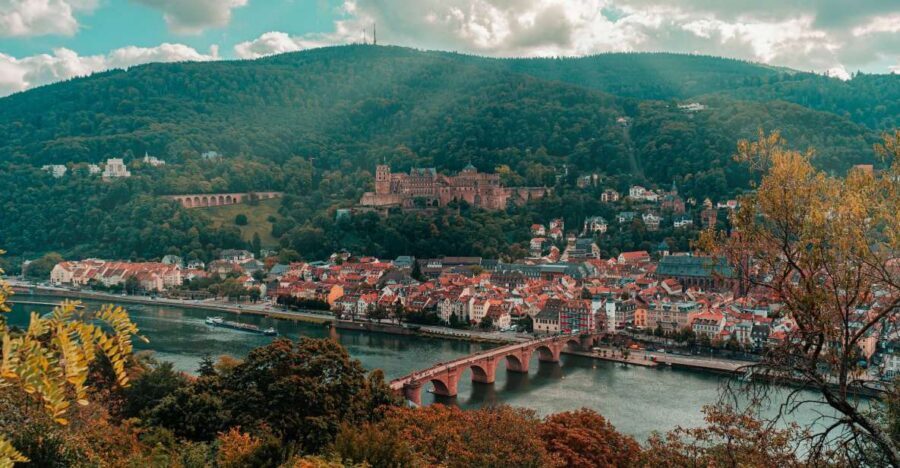
- Castle Heidelberg access and terrace views: close-up ruins, courtyard atmosphere, and panoramic lookouts over the city
- Guided medieval center walking: Karlstor, the old bridge area, and major church stops in Heidelberg
- Rothenburg’s guided street-to-gate route: half-timbered streets, city gates, and the Renaissance town hall
- St. Jacob’s Church area focus: time around the Holy Blood Altar by Tilman Riemenschneider
- Museum options with flexibility: Crime Museum, Doll and Toy Museum, and Christmas Museum if the group wants them
- Rothenburg souvenir time and a sweet stop: wood carvings, cuckoo clocks, and the famous snowball made of sweet shortcrust pastry
How this day trip actually feels: long-drive energy, tight sightseeing
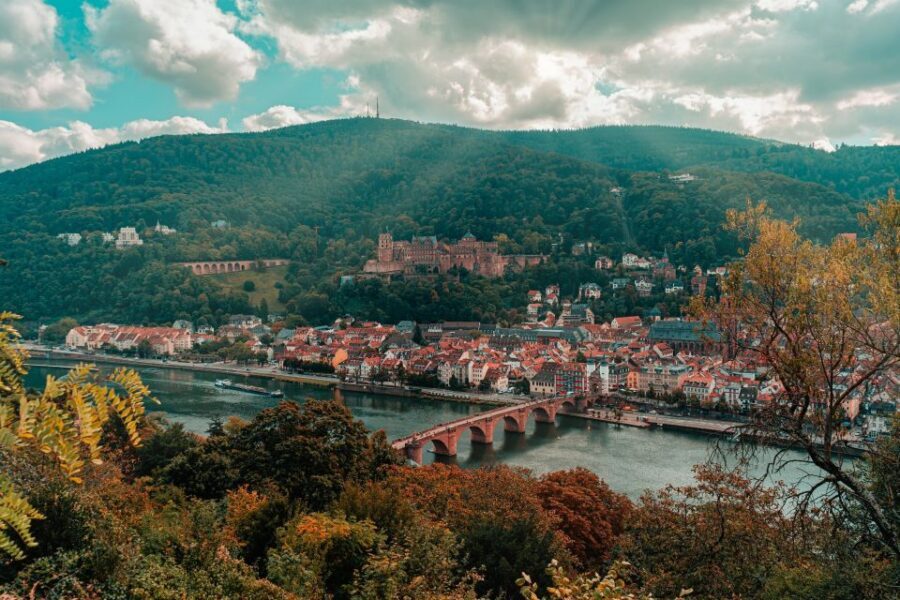
This is a guided Frankfurt → Heidelberg → Rothenburg → Frankfurt day trip, timed for maximum “wow” without turning into a sprint-meets-chaos situation. You start with a pickup at the bus stop in front of the Le Meridien hotel in Frankfurt (Wiesenhüttenplatz 38), then you’re in a vehicle doing the longer stretches so you don’t lose your legs before the fun begins.
The itinerary is built around two different vibes. Heidelberg is more about views, ruins, and city landmarks along the Neckar. Rothenburg is the postcard medieval experience, with half-timbered streets and big-signal buildings like the town hall and church areas. It’s a lot to pack into about 570 minutes, so the value comes from having a guide connect the dots fast, rather than trying to figure it all out alone.
And because the group is limited to 7 participants, you’re not stuck with that classic “tour bus whisper” where you can’t ask questions or hear details. In the feedback you provided, multiple people highlight exactly that kind of attentive hosting.
You can also read our reviews of more guided tours in Frankfurt



Castle Heidelberg: why this stop is the anchor of the whole day
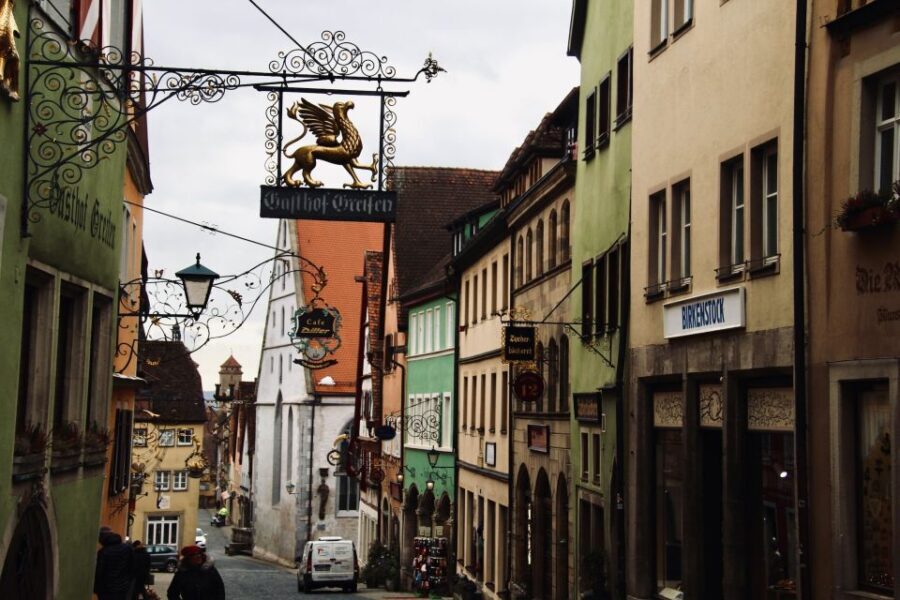
Castle Heidelberg isn’t just a background scene. It’s the anchor that makes the tour feel coherent, because the guide can explain what you’re seeing as you go—ruins, construction, and how the castle fits into Heidelberg’s story.
Here’s what’s especially useful for your planning:
You get an entry ticket for the castle, so you’re not guessing about permissions or timing once you arrive. Inside, you’ll spend time around the courtyard and ruins, which can feel much more real than a quick photo stop. The huge terrace is where the experience clicks: the guide points you toward a viewpoint that shows the city spread below.
One detail worth knowing: there’s mention of one of the largest wine barrels in the world you can see at the castle. Even if you’re not a wine-history person, it’s the kind of “only-in-Heidelberg” thing that turns castle time into something memorable.
Possible drawback: castle time often means uneven ground and stair steps. You’re not told it’s wheelchair-friendly, and you should expect some walking surfaces that can feel tricky if you’re mobility-limited. The upside is that the guide style described in the reviews is considerate, with people noting attention to seniors.
Heidelberg medieval highlights: Karlstor, churches, and where to spend your time
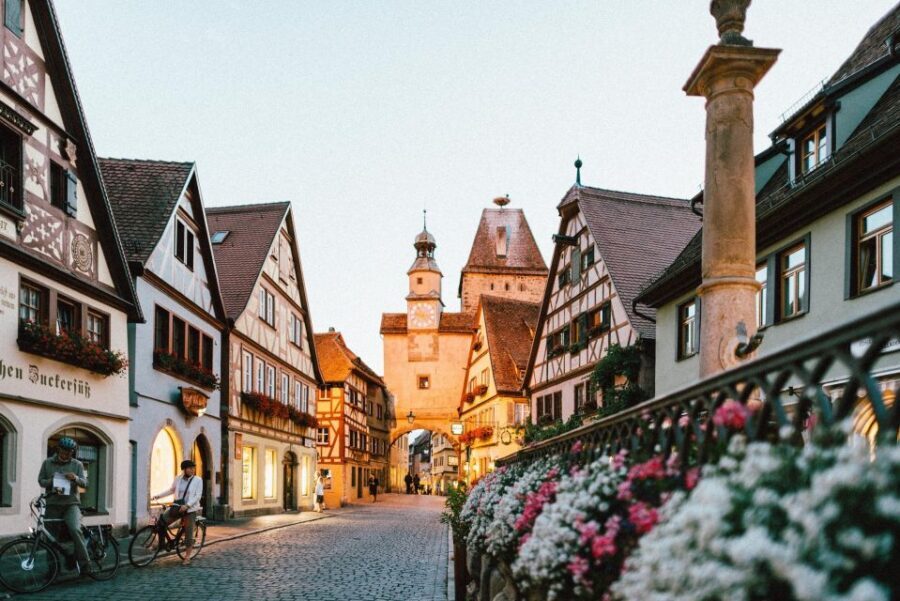
After the castle, the tour shifts into walking mode through Heidelberg’s medieval center. The goal is to help you understand the layout quickly: where the old core sits, how major landmarks relate, and why certain streets feel the way they do.
The stops you’ll see include things like:
- the old bridge area
- Karlstor
- a Renaissance-style building reference described as the Renaissance house to the knight
- Heiliggeistkirche
This is where the guide earns the money. Without someone explaining what’s what, you can wander through a gorgeous city and still miss the reasons those places mattered. With a guide, you get names, architectural cues, and a basic sense of chronology so the scenery turns into a story you can follow.
You also get something practical: advice on how much time to give downtown Heidelberg. In the feedback you shared, the guide Michael specifically recommends spending only a short time in Heidelberg downtown because you’ll want most of your time in Rothenburg. That’s smart planning for this specific tour because Rothenburg has more “dense wow per minute.”
So my takeaway for you: enjoy Heidelberg as the prologue, but don’t overinvest your energy there if Rothenburg is the big reason you booked.
The drive from Frankfurt: comfortable transfer, not just transportation
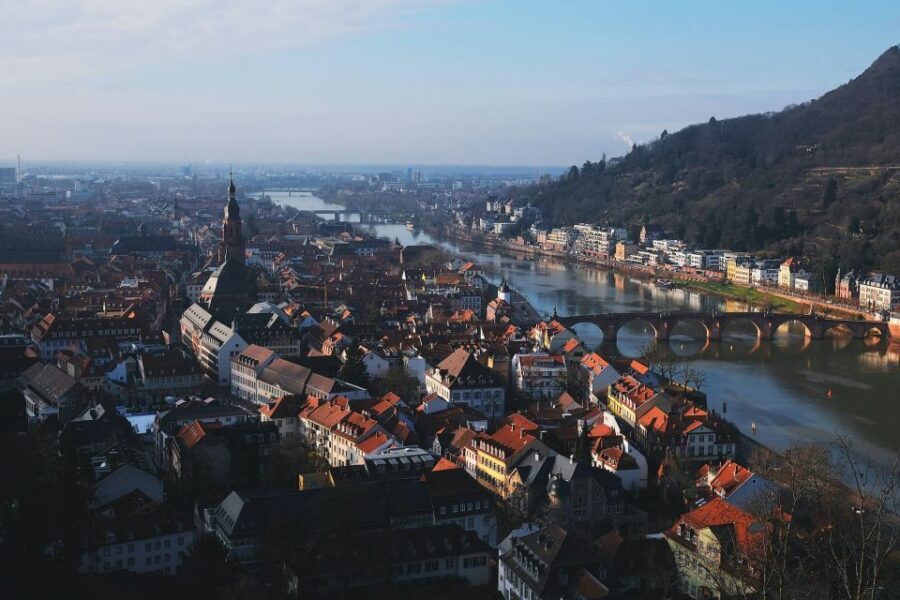
The tour includes a driving service for the route between Frankfurt and Heidelberg, Heidelberg and Rothenburg, and the return back to Frankfurt. That matters more than it sounds, because it protects your day from transit stress. You don’t need to coordinate trains or rental logistics, and you don’t spend your limited hours on schedules.
For a day like this, a good transfer is part of the value. You’re committing to a full day, and the less you have to think about logistics, the more you can focus on what’s actually on your list: castle views and medieval streets.
Also note: smoking is not allowed in the vehicle. If that’s a dealbreaker for you personally, plan for a break when you’re out on foot rather than expecting it during transport.
Rothenburg walking route: half-timbered charm with built-in structure
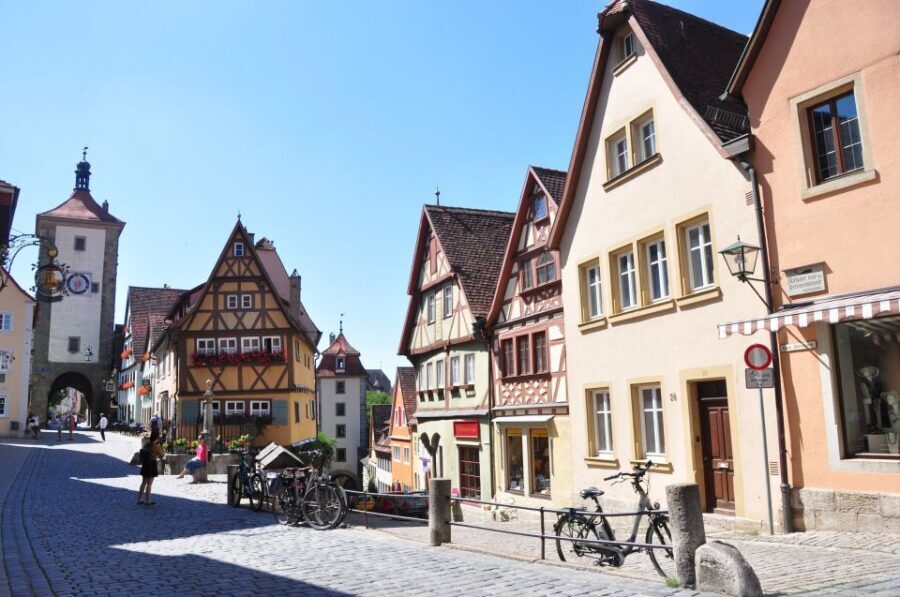
Rothenburg is where the tour leans hardest into medieval atmosphere. The guide takes you through picturesque historic streets lined with half-timbered houses, then onward toward the city’s gates and major civic landmarks.
You’ll see the Renaissance town hall and move through areas connected to the city’s defenses—think city gates and walls as part of the experience, not just scenery. This structure is key. Without it, Rothenburg can feel like you’re constantly taking photos and still wondering where to look next.
One more smart detail: you’re on foot together, so the guide can point out the cues that make these streets feel like a time capsule—window rhythms, rooflines, and how the town’s “center” behaves spatially as you walk. That’s the difference between seeing a postcard and understanding why it looks like that.
A few more Frankfurt tours and experiences worth a look



Burggarten and St. Jacob’s Church: the Holy Blood Altar moment

This stop is the emotional high point for many people, and it’s easy to see why. You’ll visit the Burggarten and St. Jacob’s Church, with focus on the Holy Blood Altar by Tilman Riemenschneider.
Even if you only know the name from hearing it somewhere else, the payoff here is that you’re not just standing near a famous artwork. A guide can explain what to look for and why it matters in the context of Rothenburg’s religious and civic life. That helps you slow down at exactly the right moment.
Practical tip for you: if you get even a little tempted to rush to the next alley for a photo, remember this is one of the few indoor or focused-art stops in the day. Plan to give it your attention. The surrounding gardens and church area help you reset after street walking.
Possible drawback: if you’re not into church art or altarpieces, this could feel like the longest stop of the day. The fix is to treat it as a break from constant walking, then enjoy the surrounding Rothenburg atmosphere right after.
Optional museums in Rothenburg: pick your mood and move on
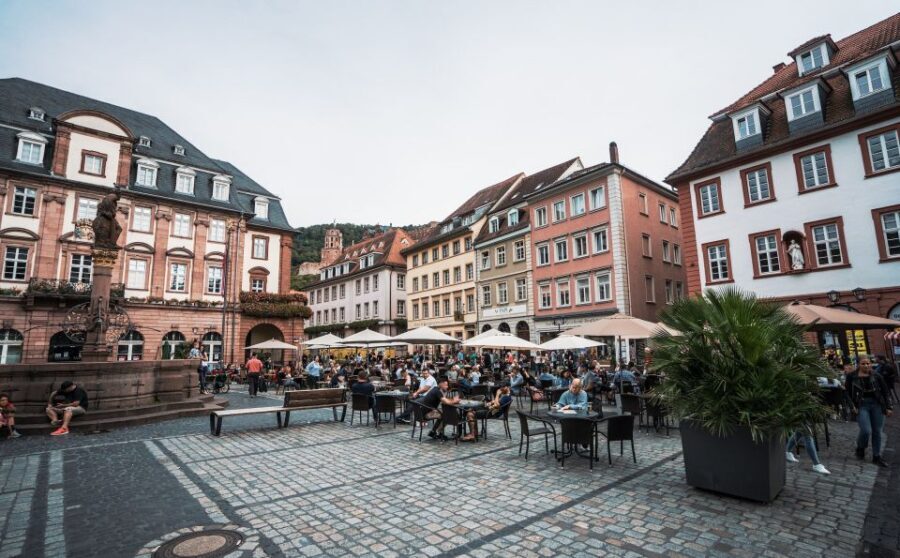
After Rothenburg’s core sights, you have options that can keep the day from becoming one-size-fits-all. Depending on timing and group energy, you may visit one or more of these:
- the Crime Museum
- the Doll and Toy Museum
- the Christmas Museum
This is a great feature of the tour design because it lets you choose between different types of fun. Some museums skew quirky, some skew nostalgic, and the Christmas Museum can add a seasonal layer even if it’s not winter.
Because the tour keeps you guided but not locked into one route forever, you can match the museum choice to your interests without feeling like the day derailed.
Souvenir strategy: what to buy (and what to watch your time on)
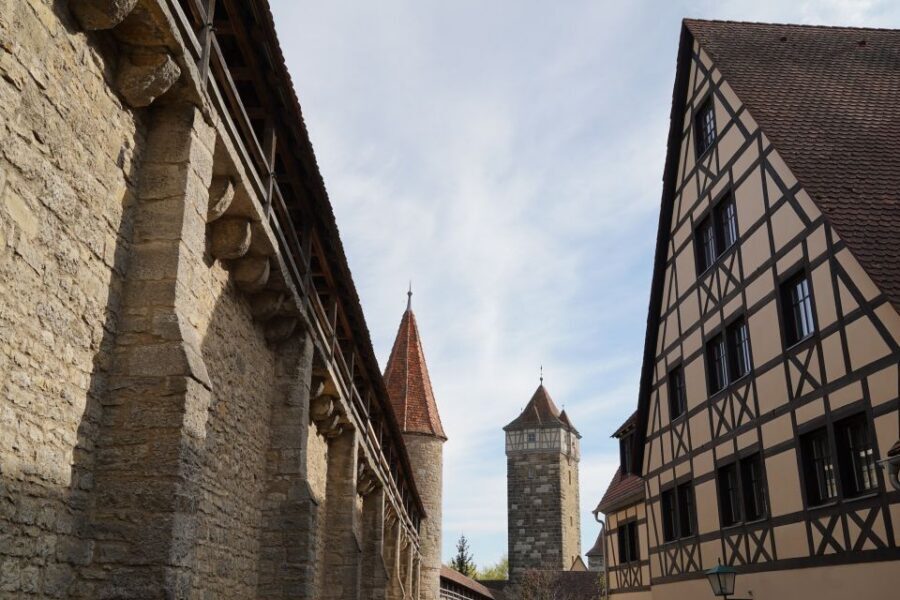
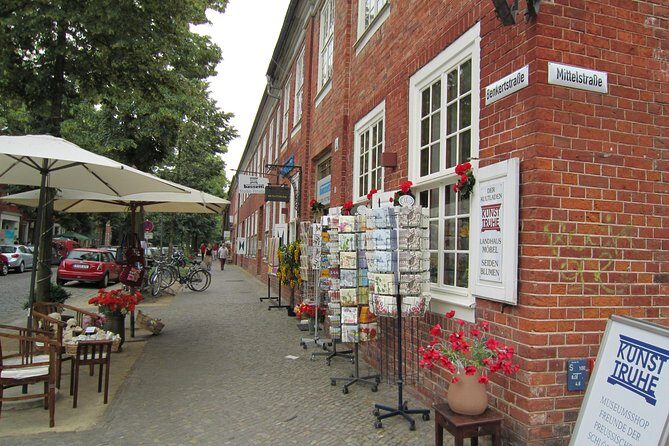
Rothenburg is famous for shopping that feels more specific than generic Germany-themed stores. The tour includes a visit to a very special place for souvenirs, described as having wood carvings, glasses, Christmas decorations, beer mugs, and cuckoo clocks.
If you like bringing home something small that looks handmade, this is where you’ll want to focus. This kind of stop is also where time can disappear fast, so keep your spending goals clear.
There’s also mention of a classic local treat: the famous snowball made of sweet shortcrust pastry. It’s one of those food experiences that sounds silly until you try it, and then you get why it’s become part of Rothenburg’s identity.
Price and value: when $324 makes sense
At $324 per person for a 570-minute day, you’re paying for four things working together:
1) Guiding in both cities
2) Transportation from Frankfurt to Heidelberg, then to Rothenburg, and back
3) Entry into Castle Heidelberg
4) Entry to a church or museum in Rothenburg
Food and drinks are not included, so plan for that separately. But even with that, the big value is that you’re not paying for transit time you’d otherwise spend figuring things out, and you’re not paying for a guide you can’t hear.
Also, the small group (max 7) is a big deal for value. In large groups, you often lose the ability to ask questions, and you wander more on autopilot. Here, the setup supports a more personal experience. In the reviews you provided, people repeatedly say the guide Michael is passionate and tailored the day to group tastes, including lots of detail on castle architecture. That kind of adapting is hard to get if the tour is too large.
So the realistic way to judge value for you: if you want guided context plus transportation plus paid entries, this price can feel fair. If you’re traveling on a strict budget and you’re happy to DIY both cities, it may feel expensive.
Who this tour fits best (and who should choose something else)
This day trip is a strong match if:
- you want two iconic towns without planning day-by-day
- you like history that includes architecture and practical “what am I looking at” context
- you prefer a small group over a big bus situation
- you’re okay with a full day of walking and standing
It may be less ideal if:
- you want lots of quiet downtime (this is sight-focused)
- you need wheelchair access (it’s stated as not suitable for wheelchair users)
- you hate long days with transport time before your first major stop
Booking call: should you book this Frankfurt-to-Rothenburg day?
If Rothenburg is on your must-see list and you also want Heidelberg beyond just a selfie around the castle, I think this is a smart booking. The combination of guided structure, included entries, and a guide who can adjust the pacing toward what your group cares about makes the day feel purposeful rather than rushed.
My advice: book it if you’re the type who enjoys learning as you walk, and you’re happy to let the guide set the priorities. If you’re the type who wants control of every hour and minimal walking, you may be happier with a slower, separate-stay plan.
If you do book, come prepared for a full day: comfortable shoes, a plan for lunch spending (since food isn’t included), and a mindset that Heidelberg is the warm-up and Rothenburg is the main event.
FAQ
How long is the tour?
The duration is listed as 570 minutes, so it’s essentially a full-day trip.
Where does the tour pick up in Frankfurt?
Pickup is at the bus stop in front of the Le Meridien hotel, Wiesenhüttenplatz 38, 60329, Frankfurt am Main.
What’s included in the price?
The tour includes a pickup service, a German/English tour guide, driving service between Frankfurt, Heidelberg, and Rothenburg (and back), the Castle Heidelberg entry ticket, and entry to a church or museum in Rothenburg.
Is food included?
No. Food and drinks are not included.
How many people are in the group?
It’s a small group limited to 7 participants.
What languages is the tour guide available in?
The tour is offered with a live guide in English and German.
Is the tour suitable for wheelchair users?
No, it is not suitable for wheelchair users.