REVIEW · HANOVER
Fritz Haarmann – Die Mördertour
Book on GetYourGuide →Operated by Hendrik Seiffert · Bookable on GetYourGuide
Serial killer history, explained street by street. This 2-hour Haarmann tour takes you through Hannover’s Altstadt and points at real places tied to Fritz Haarmann’s case, with a guide who explains the timeline and why the story mattered beyond the murders. I particularly like the clear, visual storytelling (you don’t just get names and dates), and I like that the guide connects the case to the political and social conditions of the time. The one drawback to flag: this is unavoidably heavy subject matter, so if you want a light city stroll, this won’t feel like that.
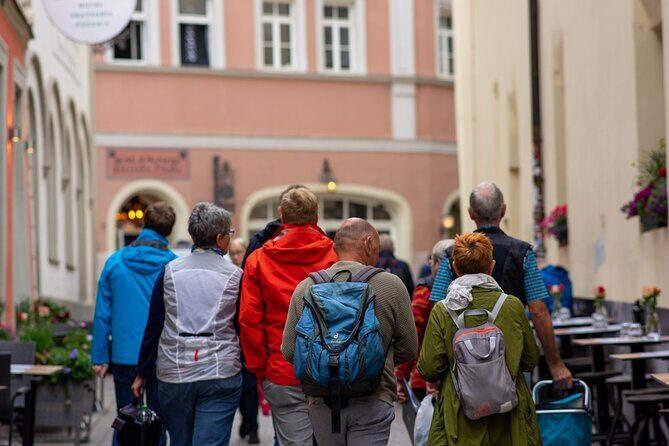
You’ll start near the city center at the meeting point by the Ernst-August Statue, then the walk continues toward the Oldtown area, where the story becomes grounded in specific sites. The format is straightforward: listen, look, and ask questions when you have them—especially if you’re curious about how the case escalated and drew attention far beyond Hannover.
The tour is led by Hendrik Seiffert and runs in German. If you don’t read or speak German comfortably, you’ll likely struggle to follow the details, which are a big part of the value here.
In This Review
- Key highlights I’d plan around
- Fritz Haarmann in 1920s Hannover: why this tour hits
- Walking from the Ernst-August Statue toward Hannover Altstadt
- The route into the Oldtown: how the story becomes geography
- Stop one: the former murderhouse site
- Stop two: where Haarmann buried victims’ bones
- Guide style in German: what you’ll notice in the delivery
- Price and value: what $35 buys you in 2 hours
- Who should book—and who should skip
- Practical expectations before you go
- Should you book Fritz Haarmann – Die Mördertour?
- FAQ
- How long is Fritz Haarmann – Die Mördertour?
- Where do we meet for the tour?
- What language is the tour guide?
- What is included in the price?
- Are drinks included?
- Can I get a refund if my plans change?
Key highlights I’d plan around
- Meeting at the Ernst-August Statue (Unterm Schwanz), then walking into Hannover Altstadt
- Two major crime-scene stops tied to the murderhouse and the location where Haarmann buried victims’ bones
- Strong background context about how the Haarmann case was politicized
- Plenty of time for questions, not just a lecture-and-go style
- Good group handling, including splitting with an extra guide when groups are larger
Fritz Haarmann in 1920s Hannover: why this tour hits
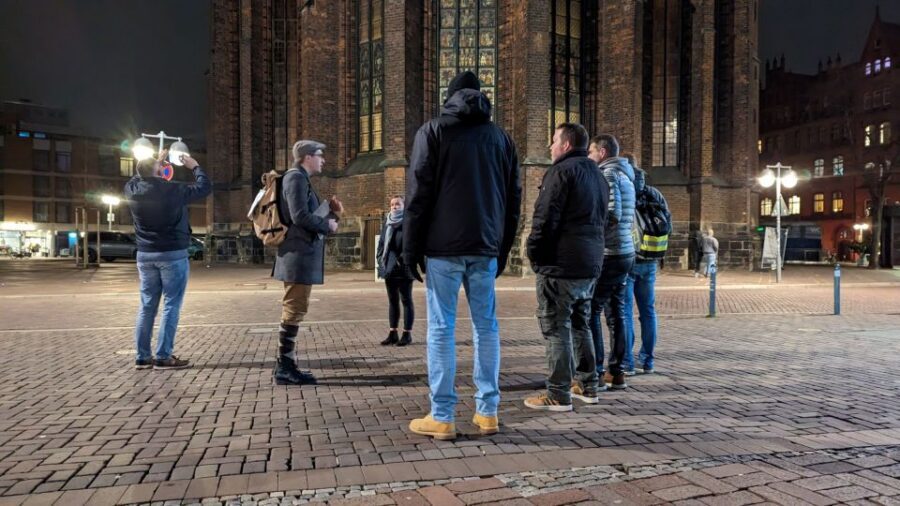
Fritz Haarmann’s name is still widely known in Germany, and that’s not just because the crimes were shocking. The story peaked in 1924, when people discovered Haarmann had killed at least 24 citizens of Hannover. On this tour, you’re not asked to memorize a crime dossier—you’re shown how the case unfolded and how it rippled outward.
That ripple is the part I think you’ll appreciate most. The Haarmann case didn’t stay a local scandal. It was heavily politicized and helped shape public debate in Germany. The guide’s job here is to keep the focus on understanding, not sensationalism: what the city was like in the early 20th century, why the case exploded when it did, and why the nicknames people used—like the butcher of Hannover—became part of how society processed the horror.
In other words, you’re doing more than visiting “spooky spots.” You’re putting a famous case into human and historical context, using Hannover’s streets as the map.
You can also read our reviews of more tours and experiences in Hanover.



Walking from the Ernst-August Statue toward Hannover Altstadt
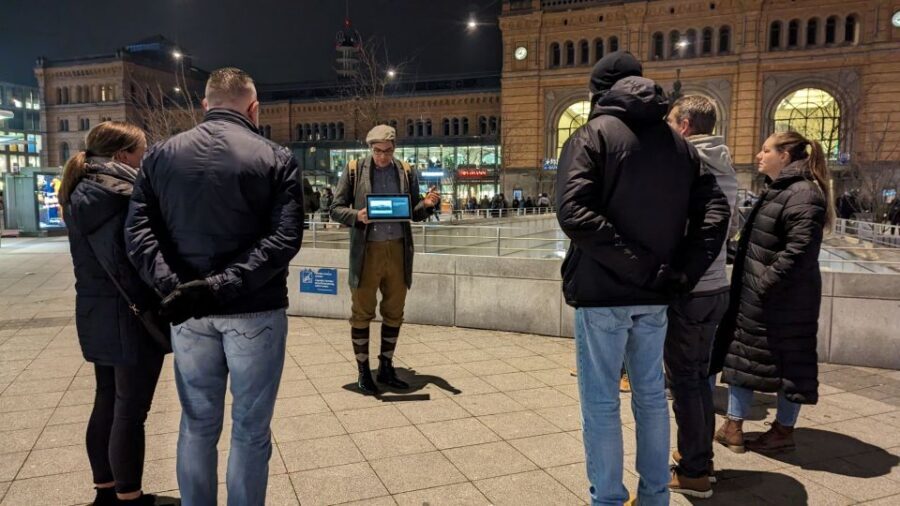
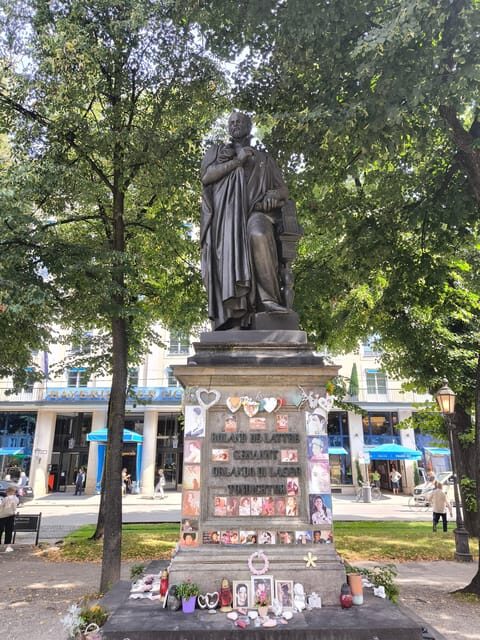
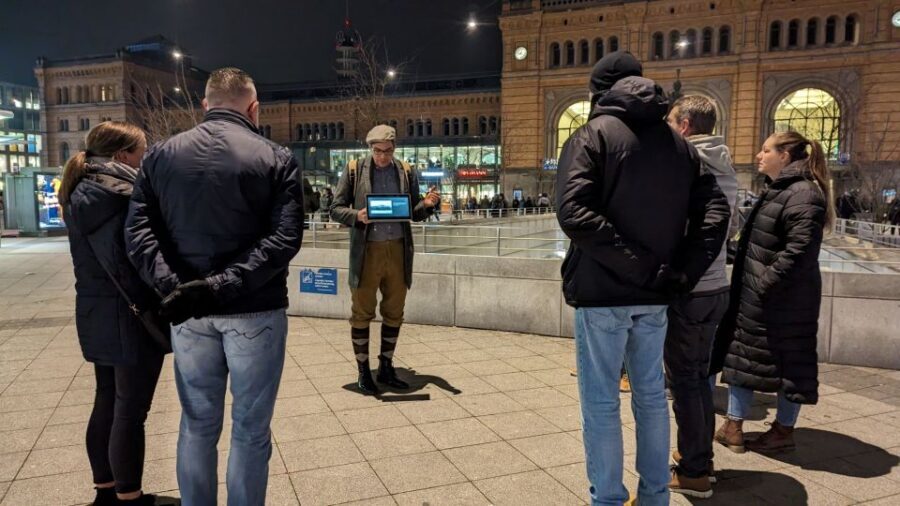
The meeting point is easy to find if you know where to look: the Ernst-August Statue, under the horserider’s tail (Unterm Schwanz). Plan to be there about 5 minutes early so you don’t miss the start.
From there, the tour moves on foot. One thing I like about starting where you can quickly orient yourself is that you’re not spending the first minutes trying to figure out what direction you’re headed. You’ll walk together toward the Oldtown area, and the guide times the story so the stops feel purposeful rather than random.
Because it’s only 2 hours, pacing matters. You’ll cover enough ground to feel like a real walking tour, but it won’t drag. This is a good length for people who want a meaningful “story walk” without committing to a half-day or full-day excursion.
The route into the Oldtown: how the story becomes geography
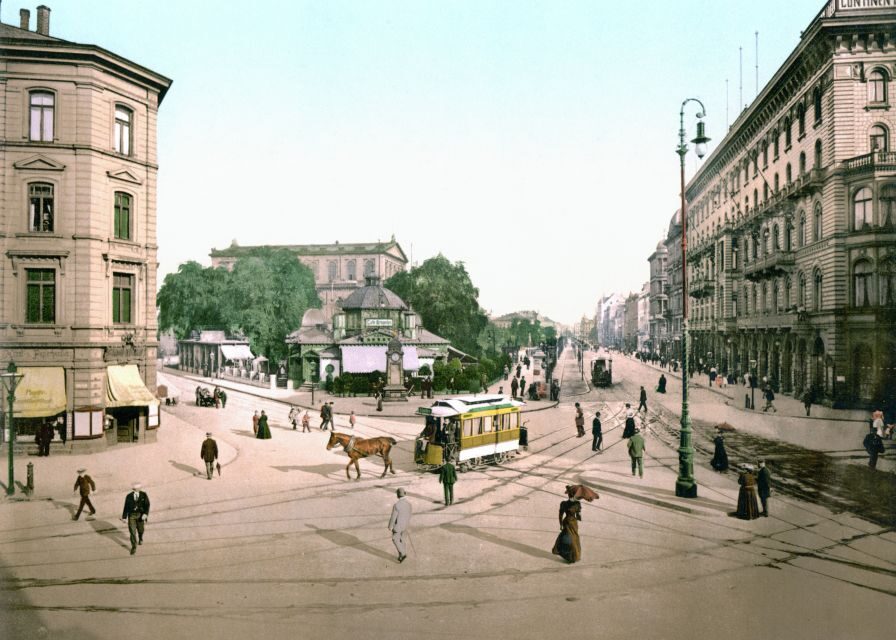
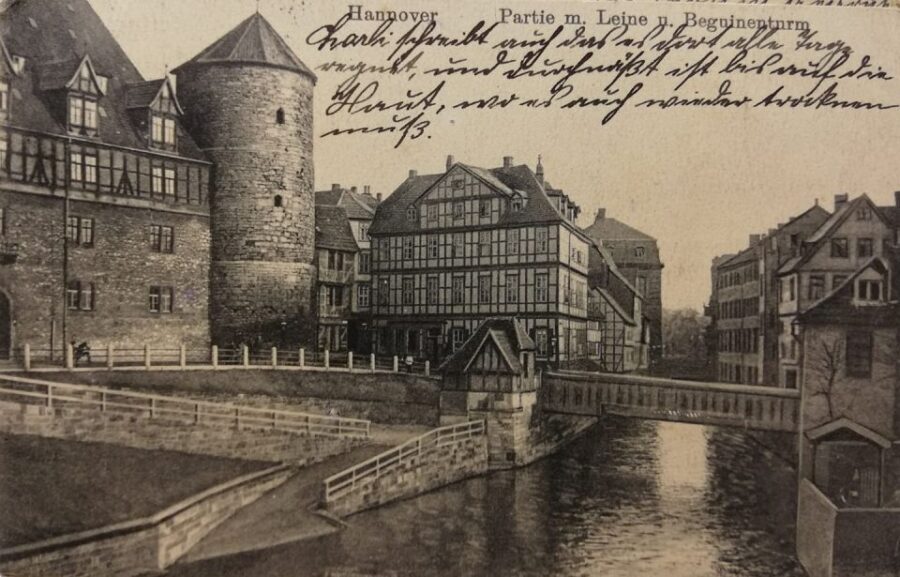
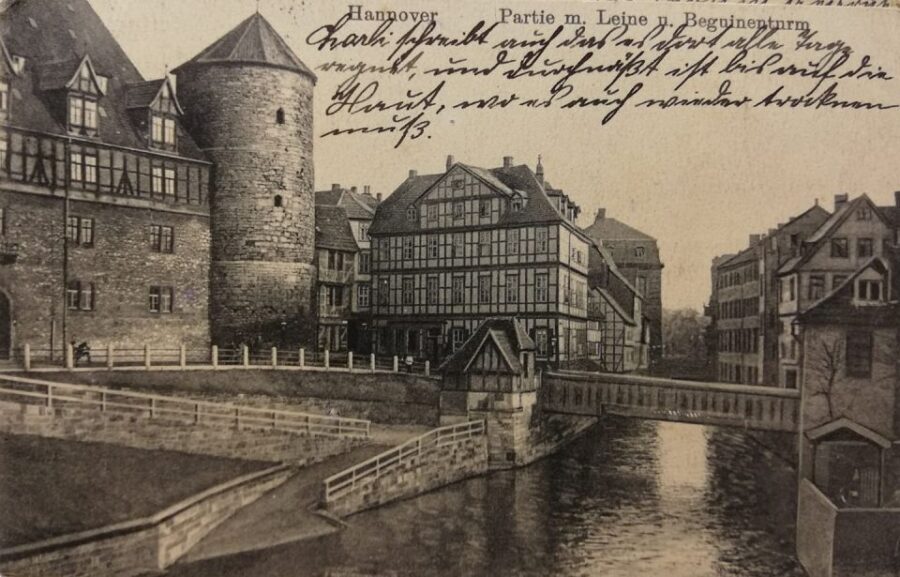
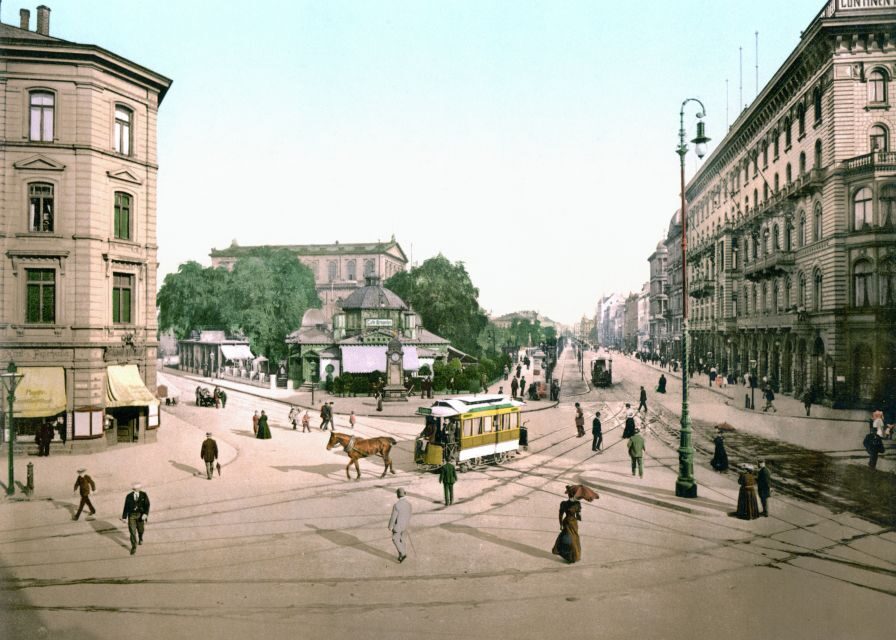
The tour begins with a walk from the central area toward Hannover’s Oldtown. That matters because the Haarmann story is rooted in the city’s early 20th-century reality, not in a museum setting. When you move on foot, you get a better sense of scale: where streets meet, where you’d plausibly pass daily life, and how a place can hold multiple layers of meaning over time.
I also like that the tour doesn’t feel like you’re chasing every detail from one stop to the next. Instead, the walk acts like a thread. As you progress into the Altstadt, the guide’s explanations build toward the key locations that anchor the worst moments of the case: the murderhouse and the place associated with the burial of victims’ bones.
If you’re the kind of traveler who enjoys learning from place itself—street-level history rather than just indoor displays—this format fits you well.
Stop one: the former murderhouse site
One of the tour’s main highlights is the stop at the place where the murderhouse used to be. This is where the experience becomes specific. A city can feel like a blur of buildings unless someone gives you a reason to slow down. Here, the guide gives you that reason.
What you should expect at this stop is a guided explanation tied to the Haarmann case: how the person behind the nickname became a public target, and how the timeline connects back to why the story climaxed in 1924. The value is in the wording and pacing—reviews back up that the guide describes things in a very vivid, understandable way.
There’s also a balancing act in how this kind of tour should be handled. You’re not being asked to romanticize anything. The point is to connect what happened to the city’s spaces, so the history feels grounded. If you’re sensitive to crime-related material, keep your expectations aligned: you’ll be learning about murders at the exact kinds of places where ordinary life would have happened.
Stop two: where Haarmann buried victims’ bones
The second key stop focuses on the place where Haarmann buried the bones of his victims. This is likely the most intense moment of the tour, because it’s where the story moves from “events and accusations” into the physical reality behind the case.
You’ll want to bring the right mindset here. It’s not a performance, and it’s not about shock. It’s about understanding what made the case so disturbing—and so hard to ignore once the discovery came. The guide’s role is crucial at this point, because the difference between an informative tour and a sensational one comes down to how the material is framed.
Based on the tour’s description and the strong feedback on the guide’s knowledge, you can expect explanations that include context: why the case reached a tipping point, and why the social and political climate mattered. In a topic like this, that context helps your brain hold the story responsibly instead of just reacting.


Guide style in German: what you’ll notice in the delivery
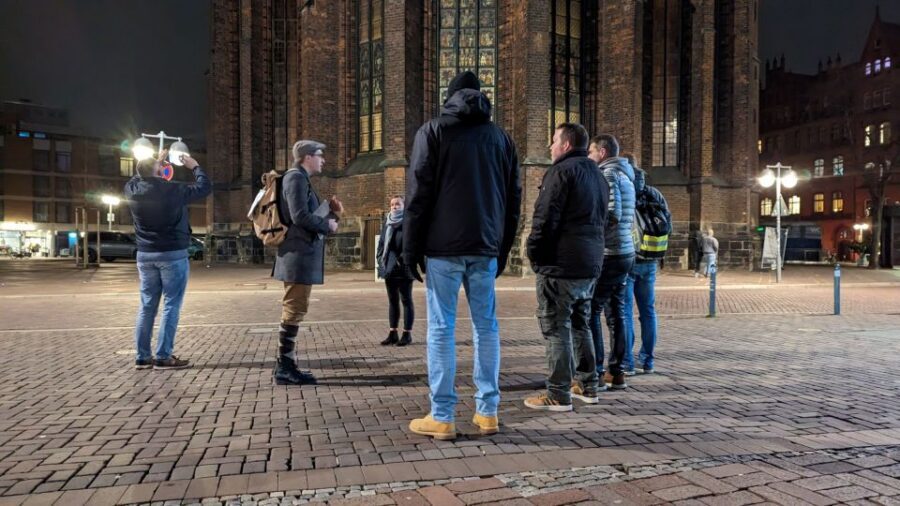
This is a German-language guided tour, led by Hendrik Seiffert. If your German is comfortable enough to follow multi-sentence explanations, you’ll likely get a lot more out of it. Reviews emphasize that the guide has good knowledge and makes the story vivid and easy to follow.
Two parts of the guide style come up again and again in the feedback:
- The ability to explain with clear connections to the conditions of the time, not only the criminal facts.
- The ability to keep the narration engaging even when the topic is grim, with enough breathing room for questions.
Another practical note: when the group is large, the tour may be split and supported by an additional guide. That helps the experience feel more tailored and prevents the classic problem of being stuck far from the guide with no chance to ask questions.
So if you like history that sounds like a person talking to you—rather than a prerecorded script—this is a good fit.
Price and value: what $35 buys you in 2 hours
The price is $35 per person for a guided tour lasting about 2 hours. On paper, that might look like a “small” tour cost compared with big-ticket attractions, but value here is tied to storytelling and access to context.
You’re paying for three things you can’t easily DIY:
- A guided walkthrough of specific places in Hannover’s Altstadt tied to the case
- A structured explanation of Haarmann’s life and how the case climaxed in 1924
- Interpretation of how the story was politicized and shaped wider German history
Even the optional add-on makes sense in context: drinks such as beer or sparkling wine can be served for an additional 3.50€ per person. It’s not required, but it’s a small extra for people who want a casual end-of-walk moment.
If you’re comfortable paying a modest amount for a guide who clearly knows the material, this price feels fair for what you’ll get: a focused 2-hour narrative tied to real locations.
Who should book—and who should skip
This tour is a strong choice if you:
- Like city history that stays grounded in places, not just in photos
- Want context for the Haarmann case, including the fact it was politicized
- Enjoy asking questions during the walk, not only listening passively
It may not be the best fit if you:
- Want a cheerful sightseeing day
- Prefer tours that avoid crime and remains-related subject matter
- Don’t speak German enough to follow the guide’s explanations
Also, because the focus is on the specific Hannover sites tied to Haarmann, the experience is less about viewpoints and more about meaning. If you’re mainly chasing scenic highlights, your payoff will be different.
Practical expectations before you go
Plan your start time around the meeting point details. You’ll be at the Ernst-August Statue at the designated spot (Unterm Schwanz), and you should arrive about 5 minutes early.
The tour runs about 2 hours. That time window is long enough for a real story arc—early context, a clear lead-in to the major stops, and the climax tied to 1924—without becoming exhausting.
And yes, it’s wheelchair accessible. So if mobility is part of your planning, you’re not guessing whether the route will work for you.
Should you book Fritz Haarmann – Die Mördertour?
I’d book it if you want a guided Hannover Altstadt walk with real location stops and explanations that connect the Haarmann case to the bigger political and social picture. The best sign is the consistent feedback about the guide’s knowledge and vivid delivery, plus the way the tour makes room for questions.
I wouldn’t book it if you need a relaxing day or you don’t want to spend time learning about murders and remains-related details. This tour is honest about what it covers, and your mood matters.
If you’re in the middle—curious, respectful, and ready for serious history—this is a high-value 2-hour experience that turns Hannover streets into something you’ll remember.
FAQ
How long is Fritz Haarmann – Die Mördertour?
The tour duration is 2 hours.
Where do we meet for the tour?
You meet at the Ernst-August Statue, at the spot known as Unterm Schwanz (under the tail of the horserider statue).
What language is the tour guide?
The live tour guide speaks German.
What is included in the price?
The price covers the guided tour.
Are drinks included?
No. Drinks like beer or sparkling wine can be served for an additional 3.50€ per person.
Can I get a refund if my plans change?
Yes. Free cancellation is available up to 24 hours in advance for a full refund.