REVIEW · FRIEDRICHSHAFEN
Friedrichshafen: Zeppelin Museum Entry Ticket
Book on GetYourGuide →Operated by Zeppelin Museum Friedrichshafen · Bookable on GetYourGuide
Airships feel real here. The Zeppelin Museum in Friedrichshafen brings LZ 129 Hindenburg history to life with multimedia displays and full-size spaces you can step into. It’s a mix of technology, design, and art, set right on the shore of Lake Constance.
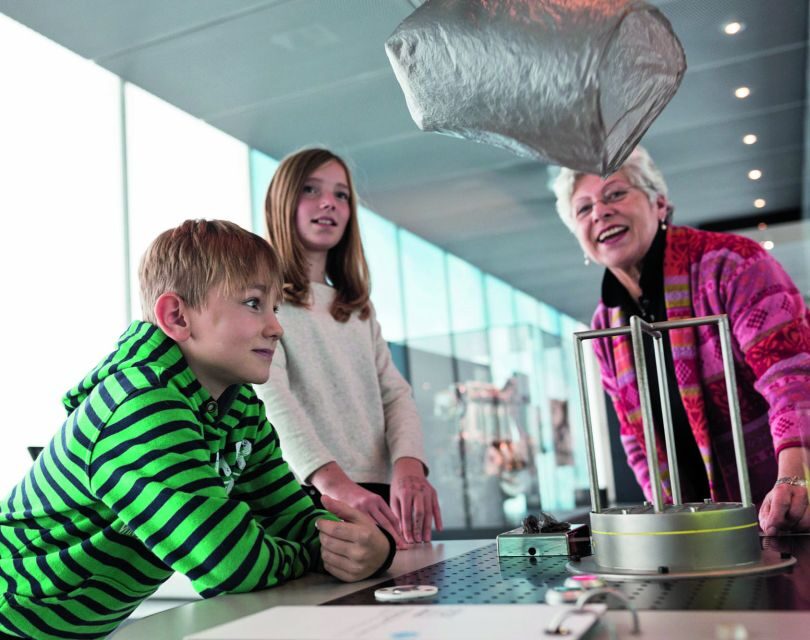
I love the hands-on payoff of climbing into the replica passenger areas. You get a clear sense of how this luxury airship experience might have felt, not just what it looked like on paper. I also really like the way the museum pairs storytelling with tangible artifacts, from original recordings to physical fragments.
One thing to plan around: your ticket visit is time-based, and the last admission is 4:30 pm. If you want to linger over both the airship tech and the art collections, you’ll need to move with purpose and keep your bag rules in mind.
In This Review
- Key highlights worth your time
- Zeppelin Museum Friedrichshafen: a museum on Lake Constance, not off in the weeds
- Stepping into the LZ 129 Hindenburg replica passenger areas
- The airship tech displays: fragments, gears, and the “real stuff” factor
- Multimedia history: how the museum explains airship travel
- Art collections in the same ticket: Middle Ages to Baroque, plus a Lake Constance refuge story
- A practical 2-hour visit plan (and how not to feel rushed)
- Tickets, rules, and what to pack (so you don’t waste time)
- Should you book this Zeppelin Museum entry ticket?
- FAQ
- Where is the Zeppelin Museum Friedrichshafen located?
- How much is the entry ticket?
- How long can I visit?
- What is the last admission time?
- Is the museum wheelchair accessible?
- Are food and drinks allowed inside?
- Are pets allowed?
- What items are not allowed?
Key highlights worth your time
- Full-size replica passenger areas of the LZ 129 Hindenburg you can climb into
- 1,500+ original exhibits plus historical film and image recordings
- Real airship fragments like propellers, nacelles, elevator motors, and gears
- Art collection from the Middle Ages through the Baroque period
- Avant-garde art tied to Lake Constance as a refuge during the Third Reich, featuring Otto Dix, Max Ackermann, Erich Heckel, and Willi Baumeister
Zeppelin Museum Friedrichshafen: a museum on Lake Constance, not off in the weeds

The Zeppelin Museum is right at Friedrichshafen Harbor, on the Lake Constance waterfront. The landmark building helps you orient fast: it’s the striking white structure of the former harbor railway station, with a tower and a glass facade facing the city. If you like starting a museum visit with a good view and an easy arrival, this location does that job immediately.
Inside, the museum’s name makes sense. Friedrichshafen is tied to Graf Zeppelin and the airships developed there, and the museum uses that connection to explain how air travel influenced technology, art, and society. That big idea matters because it keeps the exhibits from feeling like separate categories. You’re not just learning facts about flying machines—you’re seeing how people thought, designed, and created around that technology.
If you only have a short window, that setting helps too. You’ll get a full “day-trip museum” feel: arrive by the water, spend a couple hours indoors, then you can head back out without the exhaustion of a huge museum complex.
Stepping into the LZ 129 Hindenburg replica passenger areas
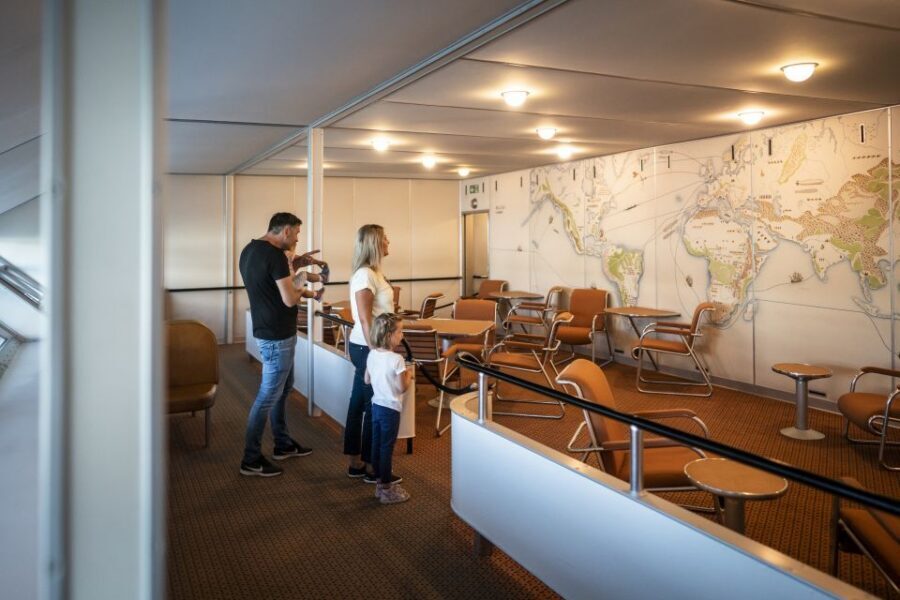
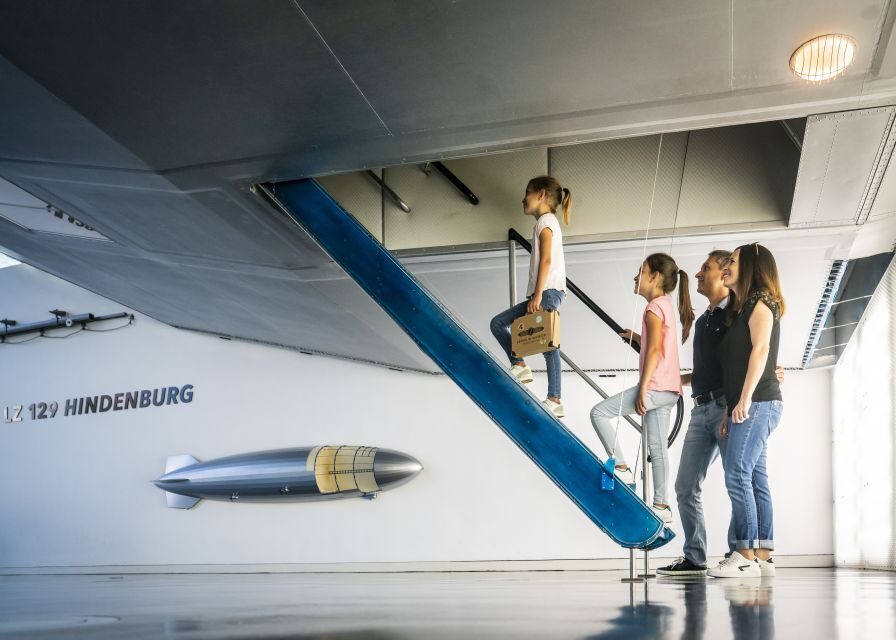
The star experience here is climbing into the full-size replica passenger areas of the LZ 129 Hindenburg. This is the kind of exhibit that changes how you understand history. Looking at photos or drawings can tell you what it looked like. Being inside the space helps you picture how bodies would move, how people would sit, and what “luxury airship travel” really means in human terms.
What I like about this is the balance: it’s not just a staged model behind glass. You’re allowed to enter the replica passenger areas, which naturally slows you down and makes you pay attention to details. Even if you’re not an aviation superfan, the scale and layout make it easier to grasp why airships captured imaginations in the first place.
One practical note: you’re doing this as part of a ticket entry experience with a set visit window (the visit is listed as about 2 hours). So treat the replica areas as your anchor. Once you’ve experienced them, you can spend the rest of your time deciding whether you want to go deeper on tech or art.
The airship tech displays: fragments, gears, and the “real stuff” factor
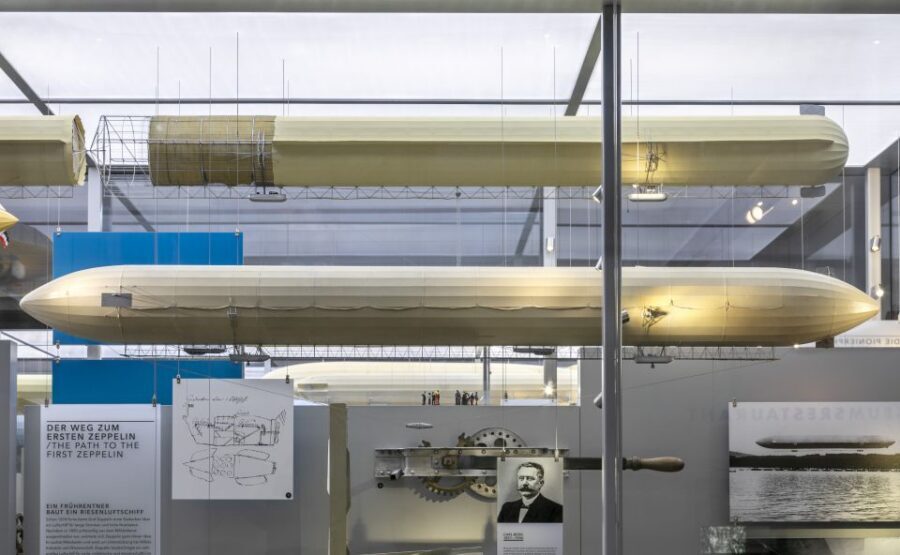
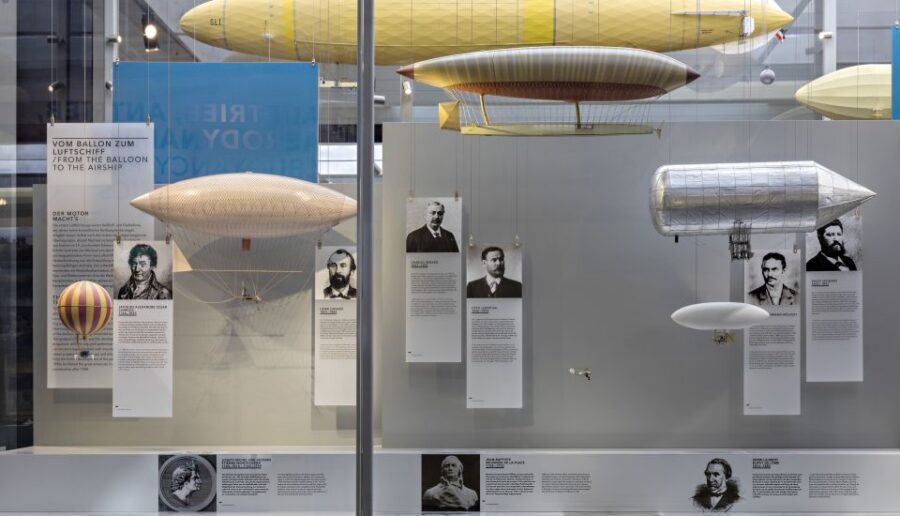
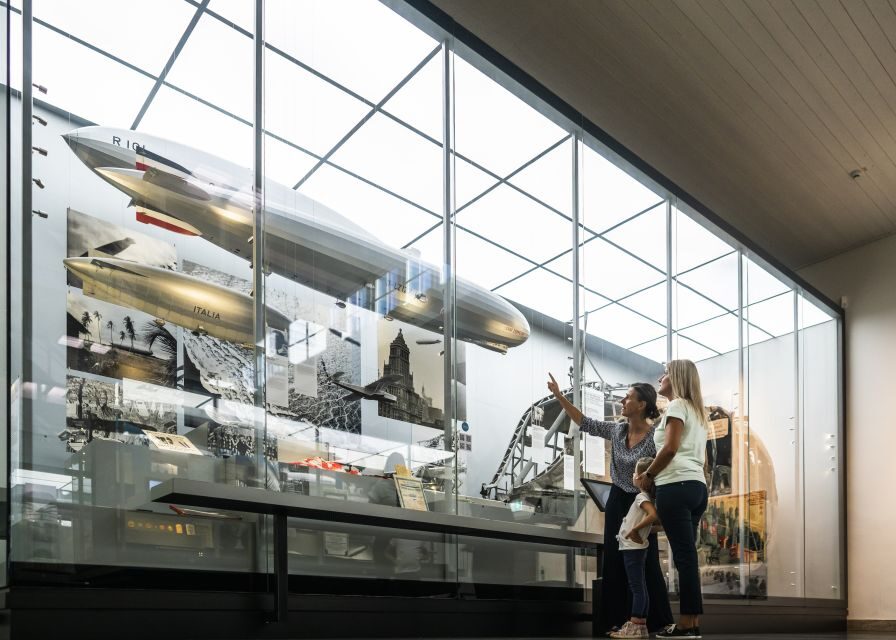
If you like machines, you’ll feel at home. The museum has large technical objects and also fragments of airships—things that are almost too specific to be decorative. Expect to see items such as skeletons, propellers, nacelles, elevator motors, and gears. These aren’t just “cool leftovers.” They’re physical evidence of how a complex flying system was built and maintained.
I also appreciate the way the museum supports the artifacts with documentation. You can run into construction documents and technical drawings, plus posters, postcards, newspapers, and photos. There’s even material connected to aerophilately—philately related to air travel—which is a great reminder that airships weren’t only engineering stories. They were cultural ones too, turning travel into something people collected, discussed, and shared.
What does that mean for you? It means you can build your own museum route. If you’re more interested in the human side, you can spend time around passenger-related areas and storytelling. If you’re more interested in “how it worked,” the technical objects and fragments give you a satisfying, concrete thread.
Multimedia history: how the museum explains airship travel
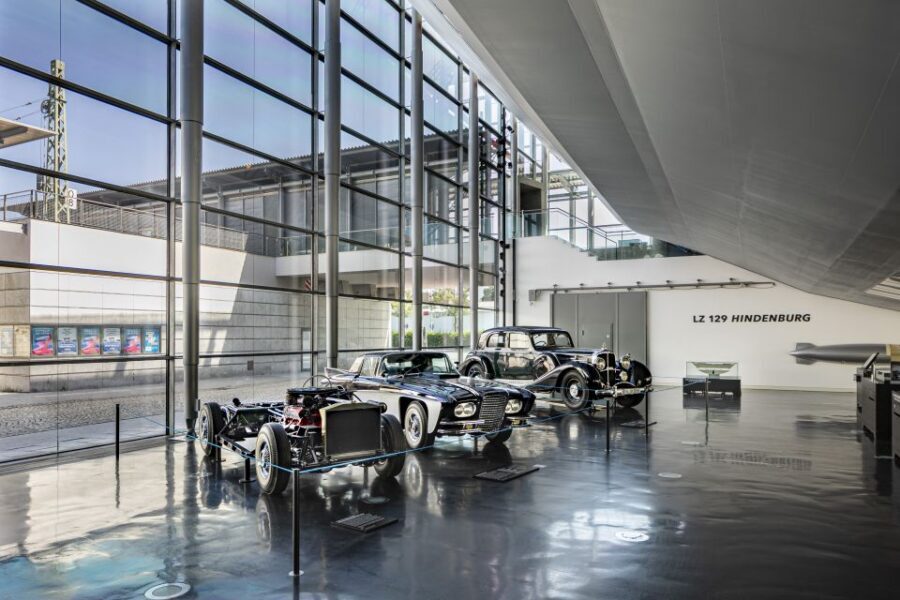
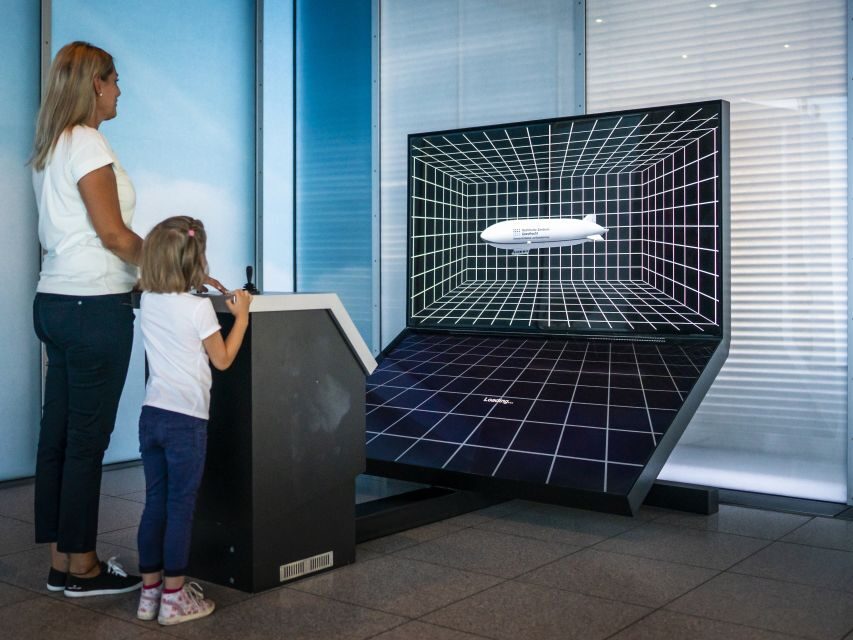
The museum’s storytelling isn’t limited to text panels. You’ll find historical film and image recordings woven into the experience, presented as a lively and multimedia way to learn the story of airship travel. That approach matters because airship history can feel distant—huge machines from another era. Film and images help bridge that gap fast.
The museum also connects the story to life innovations in technology and art. Graf Zeppelin is the link between the place and the concept, and the exhibits keep returning to how airships shaped thinking. It’s not only about flight; it’s about innovation in society—how new tools change what people build, commission, and celebrate.
One thing I’d keep in mind: this is a museum that wants you to “experience” it, not just read it. If you go in expecting a quiet library of facts, you may find yourself wanting more time in the multimedia sections. If you’re okay with a museum that uses visuals actively, you’ll likely enjoy the pace.
Art collections in the same ticket: Middle Ages to Baroque, plus a Lake Constance refuge story
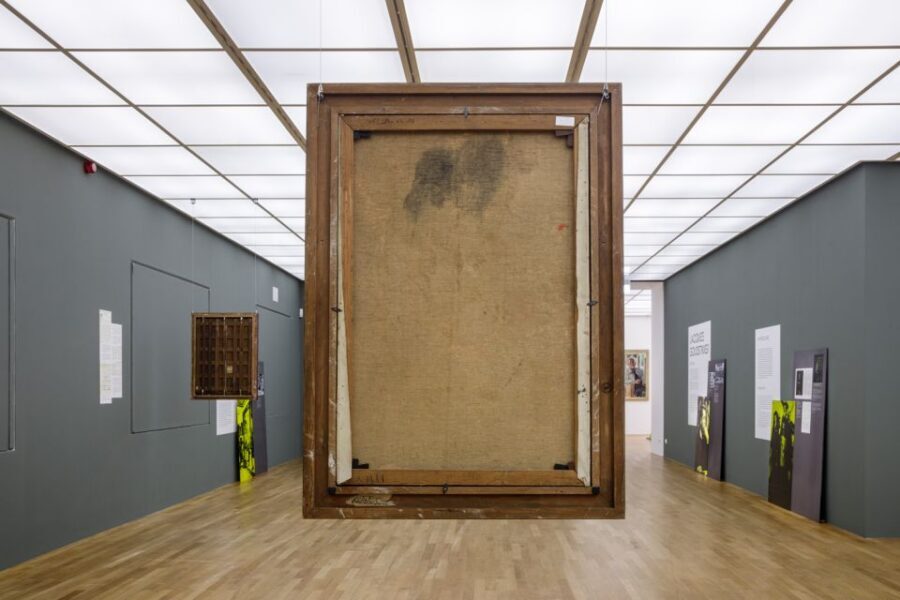
Here’s the surprise that makes the Zeppelin Museum more than an aviation stop. The museum houses a large art collection covering works from the Middle Ages through the modern age, with a notable focus on the Middle Ages and the Baroque period.
That matters because it changes the mood of your visit. You can go from the physical reality of propellers and gears to artworks made in very different eras. For me, that mix creates a more interesting museum rhythm: you’re not stuck in one theme the whole time.
Then comes the especially human angle tied to the Third Reich. During that period, Lake Constance became a refuge for leading avant-garde artists. The museum points to specific names as focal points of the art collection: Otto Dix, Max Ackermann, Erich Heckel, and Willi Baumeister. This part of the visit gives the museum’s “technology and society” message extra weight. You see how place and safety affect artists, and how culture responds to pressure.
If you’re a person who tends to enjoy museums more when they include art, this is one of those tickets where you can happily split your time. You don’t need to choose between “airships” and “art”—the museum is designed so you can do both.
A practical 2-hour visit plan (and how not to feel rushed)
The visit length is listed as about 2 hours, and the last admission is 4:30 pm. That’s enough time to do the main experience without sprinting, but not enough time to treat every exhibit like a textbook.
Here’s a plan that works well for how this museum is set up:
- Start with the replica passenger areas (first priority). If you leave this for later, you risk losing time to technical displays or art, and then you rush through it.
- Spend a block of time on the airship tech fragments and objects. Look specifically for the kind of items you can picture as components of a system: nacelles, propellers, gears, motors.
- Then switch to art for a mood reset. If you’re standing for a lot of the tech exhibits, the art sections give your brain a different kind of attention.
- Use multimedia and documentation as “the connect-the-dots moments.” Film and images can help you understand what you saw in physical form.
Also, go in with one mindset: you’re building an impression, not collecting every detail. With an entry ticket experience like this, the goal is to leave understanding the big story—airships as engineering, culture, and artistic influence—and having felt the Hindenburg replica with your own senses.
Tickets, rules, and what to pack (so you don’t waste time)
The entry ticket price is listed at $16 per person. For that cost, you’re paying for more than a single exhibit. You get access to the Zeppelin airship story, the Hindenburg replica passenger areas, a large technical collection with fragments, and a major art collection stretching from the Middle Ages onward. If you like museums that blend themes instead of forcing you into one lane, the value is strong.
Now for the rules that can trip you up. Food and drinks are not allowed, and luggage or large bags are not allowed. Pets are not allowed (assistance dogs are allowed). Also, selfie sticks aren’t allowed, and backpacks, umbrellas, and bags are listed as not allowed.
So the practical move is to travel light. Think phone, wallet, and the layer you need for Lake Constance weather. If you normally carry a bigger bag, plan on leaving it behind before you arrive, because this museum’s rules are clear about what it won’t accept.
Wheelchair access is supported, which is good to know if you rely on mobility assistance. The museum setting at the harbor also means you’ll likely be crossing outdoors-to-indoor transition points, so comfortable shoes help.
Should you book this Zeppelin Museum entry ticket?
Book it if you want a museum with real variety packed into a short visit: airship technology with physical artifacts, a full-size Hindenburg passenger experience you can enter, and an art collection that adds serious texture beyond the aviation theme. At $16, it’s also a straightforward ticket price for a lot of different rooms and exhibit types.
Skip it only if you already know you want zero art and zero technology details, and you’re only interested in one tiny slice of airship history. Because the museum mixes tech fragments, multimedia storytelling, and Middle Ages-to-Baroque art, it rewards curiosity and broad interests.
If you’re the kind of traveler who likes to feel how a place shaped innovation—Graf Zeppelin in Friedrichshafen, airships tied to society, and art tied to safety and refuge—this ticket is a smart choice. You’ll leave with a clearer sense of how airship travel lived in both engineering and culture.
FAQ
Where is the Zeppelin Museum Friedrichshafen located?
The museum is on the shore of Lake Constance in Friedrichshafen, at the Friedrichshafen Harbor. The building is the former harbor railway station, with a white tower and a glass facade facing the city.
How much is the entry ticket?
The price is listed as $16 per person.
How long can I visit?
The ticket experience includes a visit time of about 2 hours. The ticket is valid for 1 day, and you should check availability to see starting times.
What is the last admission time?
The last admission to the museum is 4:30 pm.
Is the museum wheelchair accessible?
Yes, wheelchair access is listed as available.
Are food and drinks allowed inside?
No. Food and drinks are not allowed.
Are pets allowed?
Pets are not allowed, but assistance dogs are allowed.
What items are not allowed?
The museum lists no luggage or large bags, no selfie sticks, no backpacks, no umbrellas, and no bags.