REVIEW · DRESDEN
Dresden: Guided City Walk and City Museum Entrance Ticket
Book on GetYourGuide →Operated by Dresden Information · Bookable on GetYourGuide
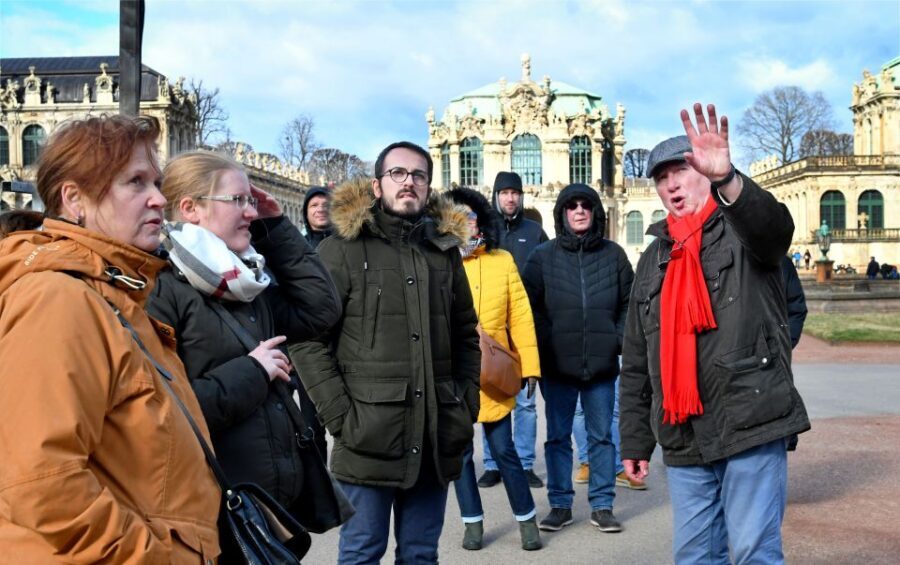
One city, two time periods, all in one easy plan. This Dresden combo pairs a live guided city walk with real museum access, so you see famous buildings and then dig into what made the city tick. You’ll cover Semperoper, Zwinger, Frauenkirche, and more, while your guide ties it all to stories from the Middle Ages to 1989.
I especially like how the tour packs the highlights into a tight 1.5-hour rhythm. You get the big visual hits fast, then the City Museum adds the context with 800 years of exhibits, documents, and film footage.
One consideration: the walk portion ends before you enter the museum, so you’ll need to plan your own transition to Landhausstrasse 2. And if you’re very picky about exact DDR details, treat the guide’s storytelling as a helpful overview, not a footnote-perfect lecture.
In This Review
- Key highlights you’ll care about
- Why this 90-minute walk works so well in Dresden
- Meeting at QF Passage: start where the tour actually begins
- Neumarkt to Frauenkirche: seeing Dresden’s rebuild in real space
- Semperoper: opera-house grandeur and big premieres in one stop
- Zwinger and the fountain lawns: Baroque architecture you can feel
- City Museum at Landhausstrasse 2: 800 years in 1,000 exhibits
- Städtische Galerie: artworks from 1500 to now
- Price and ticket value: why $20 makes sense here
- Tips to avoid friction and make the day feel smooth
- Should you book this Dresden walk and museum combo?
- FAQ
- FAQ
- How long is the guided part of this experience?
- What’s included in the price?
- Is there a ticket line to worry about?
- Do I have to speak German to join?
- Where do I meet the guide?
- Does the guide go with you into the City Museum and Städtische Gallery?
- Where are the museum and gallery located?
- Is this experience wheelchair accessible?
- What’s the cancellation policy?
- Can I book and pay later?
Key highlights you’ll care about
- 100-minute walking loop that hits Dresden’s headline sights without dragging
- Live German guide sharing stories that connect buildings to events and everyday life
- Skip the ticket line with included entrance to the City Museum and the Städtische Gallery
- City Museum with 1,000 exhibits covering 800 years, including GDR life and 1989
- Städtische Gallery showing artworks from 1500 to the present
- Guidance stops after the walk: you explore the museum spaces on your own
Why this 90-minute walk works so well in Dresden
Dresden is one of those cities where the center can feel like a movie set. This walk takes that feeling seriously: you’re not just “looking at things,” you’re getting a guided thread that makes Baroque façades, opera-house grandeur, and church domes feel like part of one story.
The pacing is the main win. The walking segment is built around a fast circuit of the top sights in roughly 100 minutes, which means you spend less time shuffling and more time actually absorbing what’s in front of you. Then the museum ticket extends the experience without forcing you to keep walking.
You also get good value for a short tour. For $20, you’re paying for two things at once: a guided orientation of the old town plus entrance to the City Museum and the Städtische Galerie.
A few more Dresden tours and experiences worth a look

Meeting at QF Passage: start where the tour actually begins
Your day starts at the Untergeschoss of the QF Passage, in the seating area of the Dresden Information. That’s specific enough to avoid wandering, but still easy to miss if you arrive late or from the wrong side of the passage.
Here’s the practical approach: arrive a few minutes early, scan for the Dresden Information desk area, and then match your group/tour label to what’s on site. It’s a small logistics thing, but it keeps the tour from starting with stress.
Once you’re with the group, you’ll begin moving through the historic old town around Neumarkt. This is where Dresden’s layered identity shows up early: you’re walking through an area that was destroyed during the Second World War, and still somehow feels intact because the rebuilt city concentrates your attention.
Neumarkt to Frauenkirche: seeing Dresden’s rebuild in real space
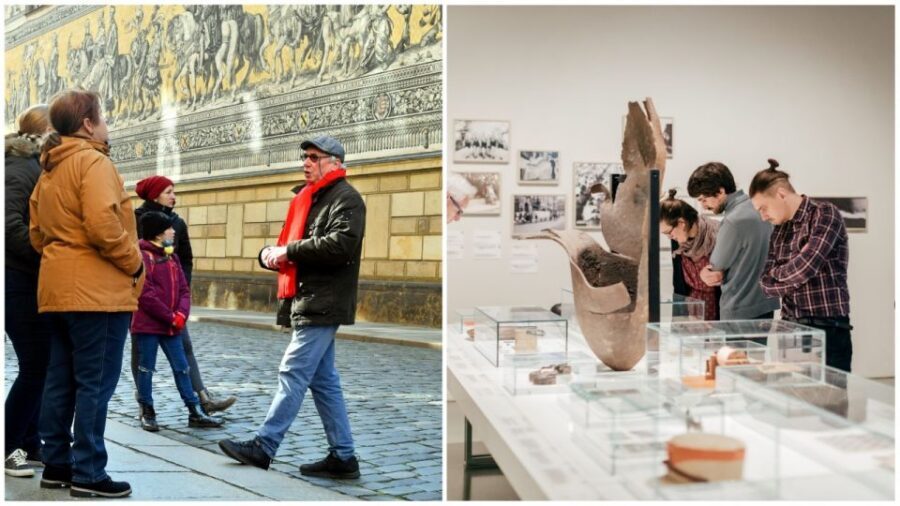
At Neumarkt, the tour frames the old town as more than pretty streets. You learn how the city’s history shaped what you see now, including the scars from WWII and what came after. That context matters because later, when you stand in front of Dresden’s famous church, you’ll understand why it’s emotionally important, not just architecturally impressive.
Then comes Frauenkirche. This is the Gothic-style church with the big church towers that dominate the skyline. You’ll get the essential “what to notice” moment—how it looks, why it’s a focal point, and how it connects to the city’s long memory.
This is also a good moment to slow down your pace for photos. The surrounding streets funnel your eye upward, so you’ll want at least a minute to step back and get a clean view before the group moves on.
Semperoper: opera-house grandeur and big premieres in one stop
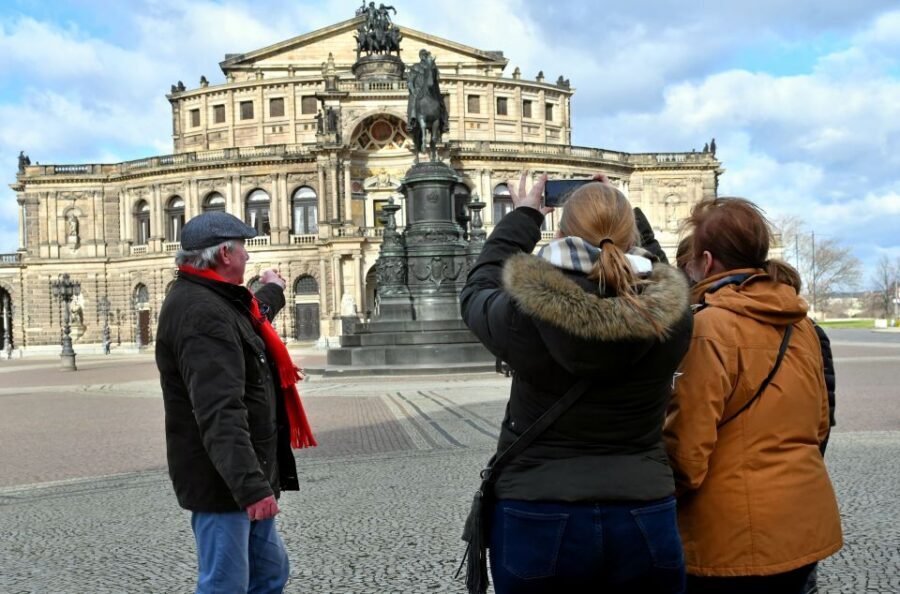
Next up is Semperoper, Dresden’s opera house. It’s one of those buildings where you don’t need to know anything to feel the scale; the tour gives you the “why it matters” layer.
The guide explains that works by Strauss and Wagner were premiered here. Even if you’re not an opera superfan, this detail changes the building from a pretty landmark into a piece of cultural machinery—Dresden as a stage for major composers.
Practical tip: the Semperoper stop is perfect for a quick rest, because the group tends to spend enough time there for you to look around. If you’re traveling with someone who gets bored on “walking tours,” this is usually where their interest clicks back on.
Also, plan your listening style. The tour is in German, so if your German is basic, you can still follow the rhythm through architectural prompts and the story arc. The best part is how the guide connects meaning rather than drowning you in dates.
Zwinger and the fountain lawns: Baroque architecture you can feel
Then you move into the Zwinger, one of Germany’s most important Baroque buildings. This is where Dresden shows off with theatrical confidence—ornament, symmetry, and that “designed to impress” feeling.
The tour spotlights the water fountains around green lawns, which sounds simple until you’re standing there. Those fountains give you a natural break between indoor-looking façades and the next chunk of history talk. It’s a nice reset for your legs too.
If you love architecture, this stop delivers. Baroque can look like “just decoration” if you’ve seen too many museums. Here, the guide helps you read the building like a language—how design communicates power, taste, and the city’s self-image.
One more thing: in summer or bright weather, the Zwinger area can be photo-friendly, but it’s also popular. Keep moving with the group, then circle back briefly if you want that perfect shot without turning the tour into a traffic jam.
You can also read our reviews of more walking tours in Dresden



City Museum at Landhausstrasse 2: 800 years in 1,000 exhibits
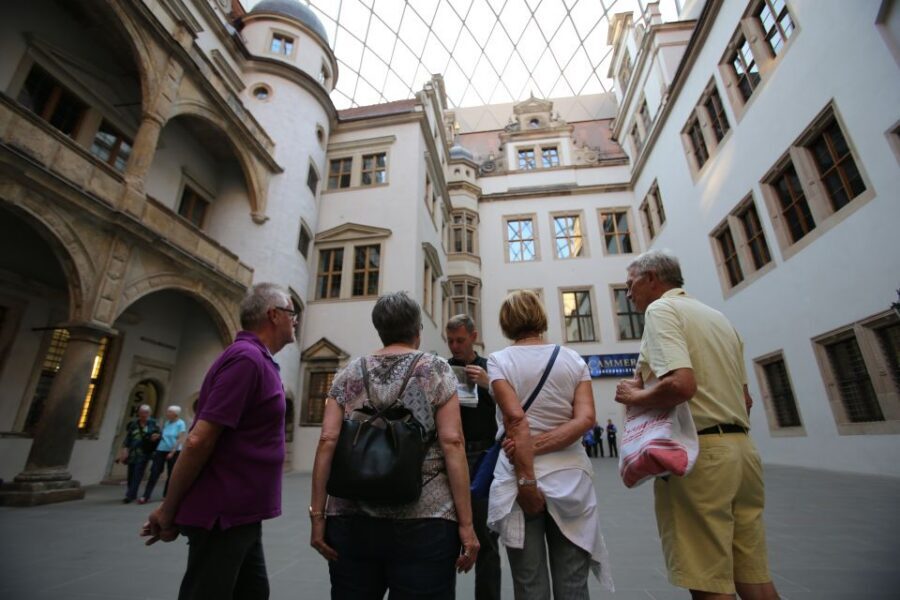
Here’s the smartest part of the experience: after the walking loop, you get tickets to the City Museum right in the center at Landhausstrasse 2. The guide does not accompany you inside, so you’re on your own—but that also gives you control over how deeply you want to go.
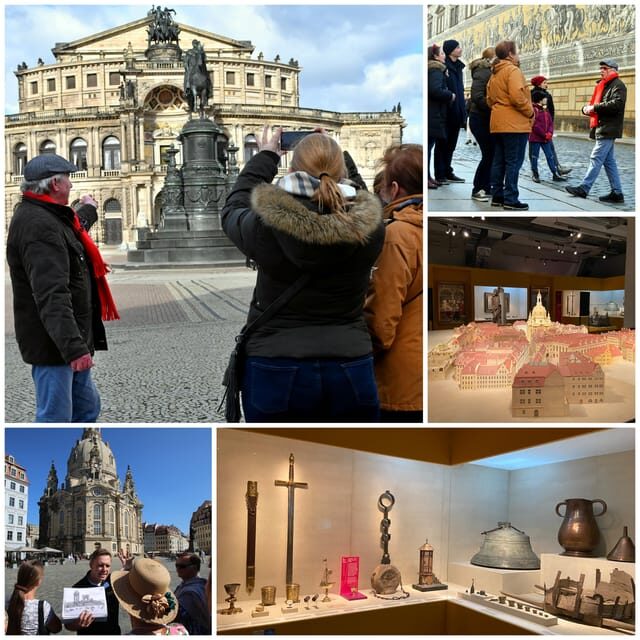
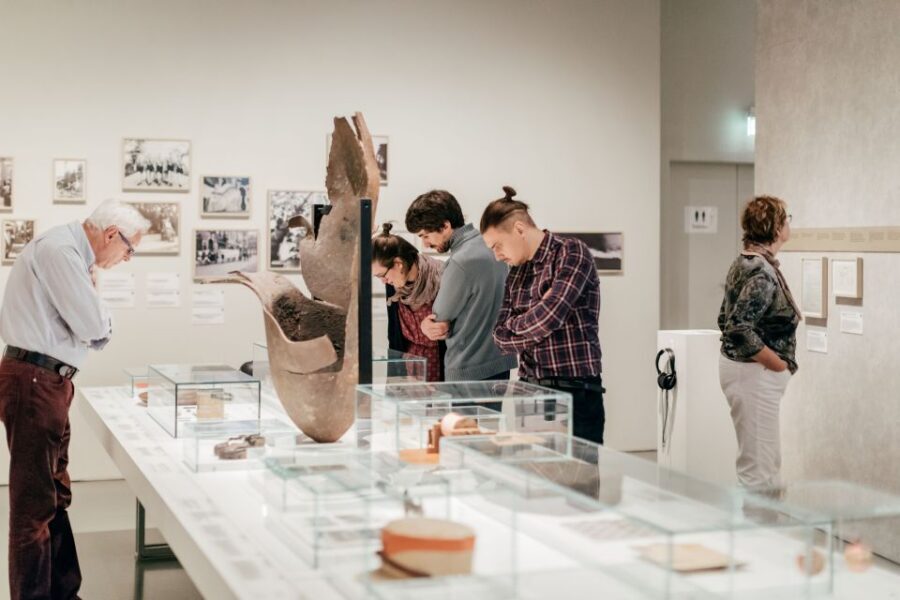
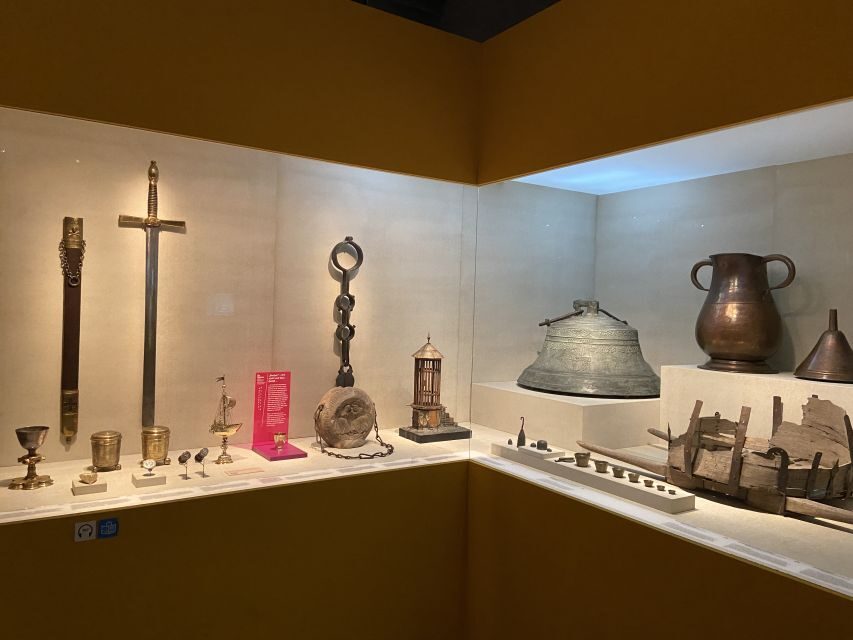
The City Museum claim to fame is scale and time range: 1,000 exhibits covering 800 years of Dresden history. You’re not just looking at objects behind glass. The museum experience includes rare film footage, ancient documents, paintings, and art treasures, which helps you picture daily life rather than treating history like a postcard.
The content focus is especially useful if you want more than Baroque sightseeing. You’ll see material tied to:
- the early settlement of the Elbe valley and founding of the city
- the golden age of Baroque
- the fall of the old city
- everyday life in the GDR
- the events surrounding the Peaceful Revolution of 1989
A standout detail is that the museum includes curiosities tied to Dresden’s past, like the Sophienschatz, inventions from Dresden, and odd historical items such as a neck ring for quarrelsome women and a fool’s house for drunks. Those aren’t just quirky props. They make daily behavior and social rules feel real, like you’re peeking at how people managed trouble.
One practical note: an app is part of the museum experience, and it’s smart to bring headphones so you don’t miss audio segments.
Städtische Galerie: artworks from 1500 to now
After (or alongside) the City Museum, you also have entrance to the Städtische Gallery. This part matters because it changes your lens from “history as events” to “history as culture and style.”
The gallery includes outstanding artworks from 1500 to the present. That time span helps you connect the city’s political changes to shifts in taste, technique, and subject matter.
If you’ve only seen Dresden through its architecture, the gallery gives you another way to understand the city’s identity. Buildings tell you how power wanted to look. Art can show how people actually felt, dreamed, and argued over time.
Since you’re exploring on your own once the walking tour ends, you can choose your pace. You might do a quick overview pass first, then slow down where a style catches you.
Price and ticket value: why $20 makes sense here

Let’s talk money in a realistic way. You’re paying $20 per person, and you’re getting:
- a live guided city walk covering the major sights
- included entrance tickets for the City Museum
- included entrance tickets for the Städtische Gallery
- and skip-the-ticket-line entry
So you’re not paying just for walking. You’re paying for an orientation plus two indoor payoffs. For a short trip, that combo can be the difference between seeing the city and actually understanding it.
The live guide matters because you’re walking through dense landmarks—Frauenkirche, Semperoper, Zwinger, and more—where a self-guided stroll can turn into a checklist. The guide turns the checklist into a story arc.
Language is German, so this is best if you can handle basic German or you’re comfortable following along with a mix of listening and looking. If you want English commentary, you might consider other options, since this one is explicitly German.
Tips to avoid friction and make the day feel smooth
A few small, practical things will help your experience feel effortless:
- Confirm the meeting spot: head to the QF Passage basement (Untergeschoss) and look for the seating area of Dresden Information.
- Plan your museum timing: the guide does not accompany you into the City Museum / Städtische Gallery, so give yourself enough time to find the entrance at Landhausstrasse 2 without rushing.
- Bring headphones if you plan to use any app features in the museum.
- Expect a storytelling style: the tour aims for entertaining context, including GDR life and 1989. If you’re very detail-heavy about DDR-specific accuracy in personal stories, keep an open mind and use the museum for the exact stuff.
- Wear good shoes: even though the walk is short, the center can involve lots of turns and uneven surfaces around historic areas.
Also, if you’re traveling in a group that includes someone less patient with history, lean on the visual breaks. Places like Semperoper and the Zwinger area give you natural “look and breathe” moments.
Should you book this Dresden walk and museum combo?
I’d book this if you want a smart one-and-a-half-hour plan that covers the headline sights and then gives you real context indoors. The format works well when you’re short on time but still want more than photos.
You should skip it (or at least compare options) if you need English-guided storytelling or if you dislike museum self-direction after a tour ends. The walking part has a guide; the museum part is on you.
One more check: confirm you’re comfortable with the German guide. If that’s fine, this is a solid way to understand Dresden’s Baroque beauty and its later, complicated 20th-century story without spending half a day sorting it out.
FAQ
FAQ
How long is the guided part of this experience?
The duration is about 1.5 hours, with the walking portion designed to cover the main sights in roughly 100 minutes.
What’s included in the price?
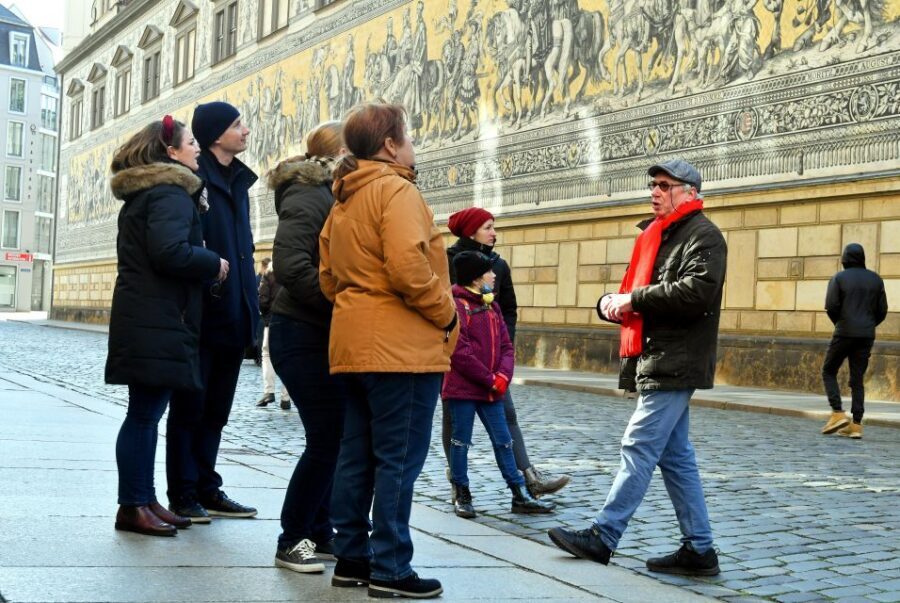
You get a guided city walk that passes major sights (including Frauenkirche, Semperoper, Zwinger, Residenzschloss, and Fürstenzug) plus entrance tickets to the City Museum and the Städtische Gallery.
Is there a ticket line to worry about?
No. The experience includes skip-the-ticket-line entry.
Do I have to speak German to join?
The live tour guide is German. The provided information doesn’t list other languages for the guide.
Where do I meet the guide?
Go to the Untergeschoss of the QF Passage, at the seating area of the Dresden Information.
Does the guide go with you into the City Museum and Städtische Gallery?
No. The guide does not accompany you to the City Museum and Städtische Gallery.
Where are the museum and gallery located?
They’re in the center of the old town at Landhausstrasse 2.
Is this experience wheelchair accessible?
Yes, it’s listed as wheelchair accessible.
What’s the cancellation policy?
Free cancellation is available up to 24 hours in advance for a full refund.
Can I book and pay later?
Yes. You can reserve now and pay later.