REVIEW · COLOGNE
Cologne: Southside Severinsquarter Guided Tour in German
Book on GetYourGuide →Operated by Tours & Tales · Bookable on GetYourGuide
Cologne’s oldest street has real stories attached. This Severinsquarter guided walk turns everyday landmarks into a clear timeline of medieval Cologne, with a German-speaking guide to keep the details moving. I especially liked getting straight context at the Basilica of St. Severin, and I also enjoyed how the route makes Hohe Straße feel like the spine of the neighborhood, not just another old street.
The main thing to watch for is language: the tour runs in German only, so plan on following the guide’s pace and explanations. If you’re comfortable in German or want to practice it outdoors, you’ll get a lot more out of the walk.
In This Review
- Key highlights you’ll care about
- A Two-Hour Walk Through Severinsquarter With a German Guide
- Starting at the Basilica of St. Severin: Where the Story Gets Grounded
- Hohe Straße: Cologne’s Oldest Street, Explained Like It Matters
- City Wall and Severinstorburg: Medieval Fortification Without the Museum Vibe
- Carnival Clubs, Fountains, and the Stuff You’d Miss Without Context
- How the Route Feels in Real Life: Pace, Stops, and What You Might Enjoy Most
- Price and Value: $94 Per Group Up to 5 Is the Real Math
- Language and Guide Style: What You Should Expect From a German-Only Tour
- Wheelchair-Friendly in Practice: Plan for Comfort on a Walking Route
- Should You Book This Severinsquarter Guided Tour?
- FAQ
- What is the duration of the Cologne Southside Severinsquarter guided tour?
- Where is the meeting point for the tour?
- What language is the tour in?
- How much does the tour cost?
- Is the tour wheelchair accessible?
- What is included in the price?
- Are food and drinks included?
- Is cancellation free?
- Can I pay later?
- Do I need to bring walking-friendly shoes?
Key highlights you’ll care about
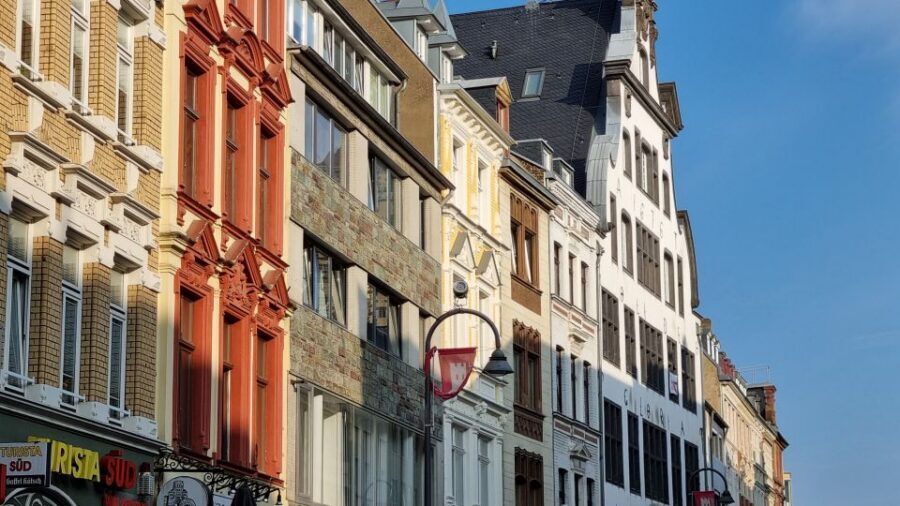
- Hohe Straße: Cologne’s oldest street, explained in a way that makes the buildings and corners feel intentional
- Basilica of St. Severin: early Romanesque architecture tied to its late-14th-century establishment
- Cologne around 1180: you’ll get help picturing the city in that medieval era
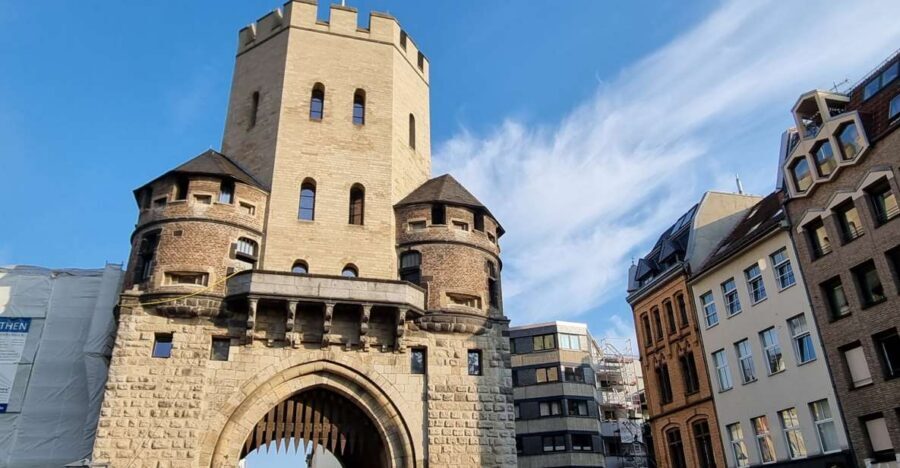
- Medieval City Wall + Severinstorburg: one of the four surviving city gates, with a strong role in both history and today’s carnival
- Carnival clubs, fountains, pubs and churches: the neighborhood’s traditions are part of the route, not random side stops
- German guide expertise: one guide, Manfred Speier (a Cologne native), is singled out for his specialist knowledge
A Two-Hour Walk Through Severinsquarter With a German Guide
If you want Cologne’s “old city” to make sense quickly, this 2-hour walking tour is a smart format. You’re not stuck on a coach or scanning plaques; you’re walking from stop to stop while the guide connects the dots between street life, architecture, and medieval power.
This is a private group tour with room for up to five people at a time, so you can move at a reasonable walking pace without feeling like cattle. At $94 per group, the cost makes more sense when you’re splitting it with friends or a small family, since the price is per group, not per person.
Just remember the language reality up front. It’s German only, so choose this if you’re comfortable following German explanations at walking speed, or if you’re happy to let the visual cues do extra work.
You can also read our reviews of more guided tours in Cologne
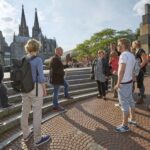
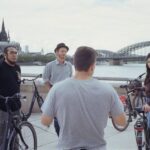
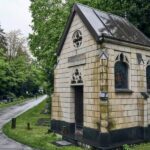
Starting at the Basilica of St. Severin: Where the Story Gets Grounded
You meet at the square in front of the Basilica of St. Severin, on Severinstraße, across from house number 35. It’s a good starting point because you begin with a landmark that anchors the whole neighborhood. When a guide starts with a church that has a lot of structural character, it’s easier to understand why this area grew the way it did.
The basilica is described as an early Romanesque basilica church established in the late 14th century. That matters because Romanesque style usually means thick, sturdy forms and a “built to last” feel—so even before you hear the medieval details, you can sense why this is the kind of place people gathered around for centuries.
From there, the tour doesn’t drift into generic sightseeing. You’re guided toward how the quarter developed, and how religious buildings, streets, and civic defenses all shaped daily life. If you like when history comes with street-level orientation, you’re in the right place.
Hohe Straße: Cologne’s Oldest Street, Explained Like It Matters
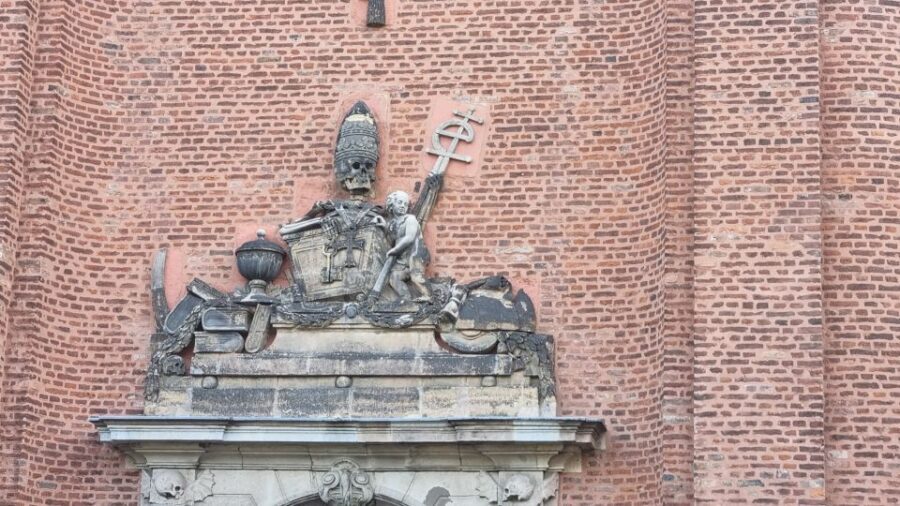
After the basilica, the walk focuses on Hohe Straße, described as Cologne’s oldest street. That’s the kind of fact that can sound like trivia—until the guide helps you see why the oldest street usually becomes the neighborhood’s main thread.
On this route, expect to pass a mix of things that feel very Cologne: breweries, traditional pubs, monasteries, churches, and carnival clubs. The point isn’t that every building is medieval. The point is that the street still carries the layers: what was practical in the past often becomes cultural in the present.
A standout part is how the tour helps you picture Cologne in the medieval period—there’s mention of getting a glimpse of what the city looked like around 1180. I find this kind of “visualizing the past” useful because it stops history from being a calendar date you forget. Instead, it becomes a mental image you can walk past.
Also, Hohe Straße is a great street for photographers, but it’s more than that. The guide’s job is to connect architectural form and location to movement—where people entered, where commerce happened, and why certain spots gained importance.
City Wall and Severinstorburg: Medieval Fortification Without the Museum Vibe
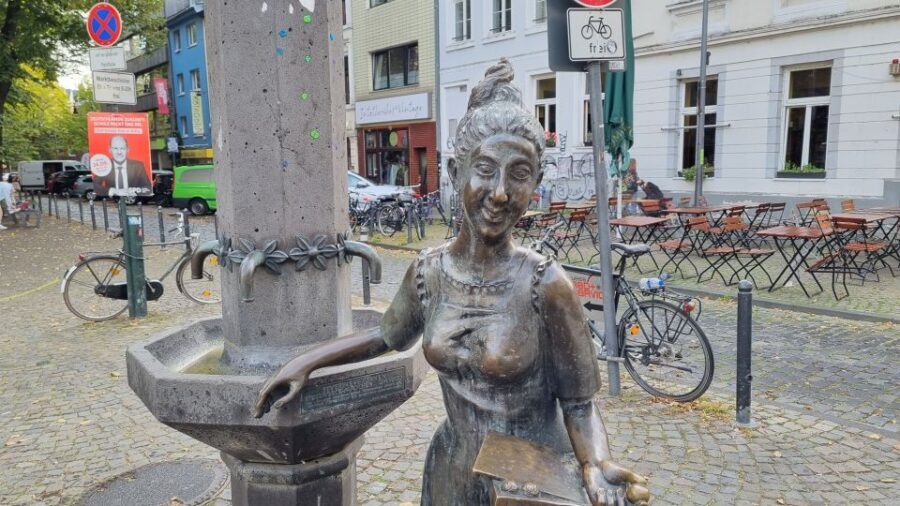
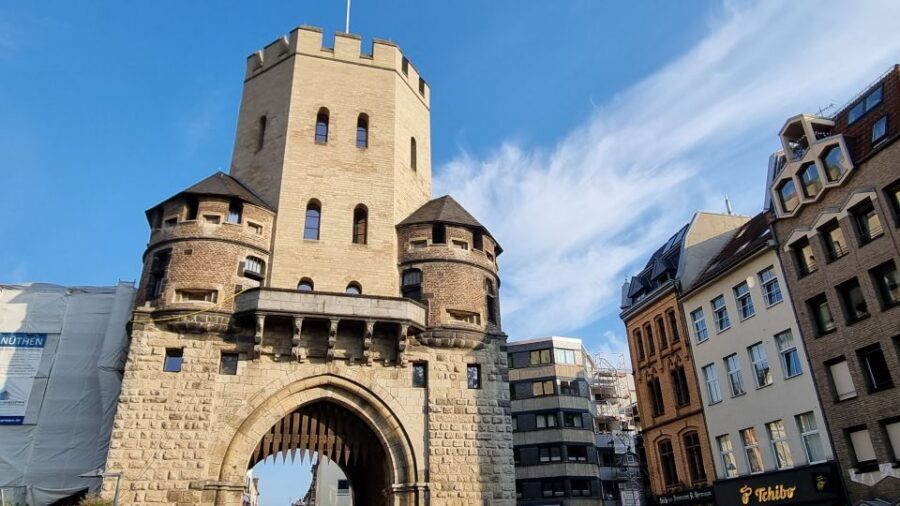
One of the strongest reasons to take a guided walk here is the medieval city defense angle. You’ll admire the City Wall and get a view toward Severinstorburg, the city gate tied to this area.
The gate is especially worth your attention because it’s described as one of four surviving city gates from the Middle Ages. That’s a big deal: many European cities lost most of their medieval fortifications, so seeing what still stands gives you something to measure your imagination against.
Severinstorburg also links past and present. The tour notes that today, the start of the big carnival parade takes place here, while historically it’s where kings and nobles entered Cologne. That contrast is exactly the kind of thing a guide is good at explaining—how the same stonework can serve very different roles across time.
You also get guided attention to the City Wall itself, not just the gate. Walls tend to feel abstract until someone points out their purpose and what they protected. Here, that becomes practical: you start understanding the quarter as a defended space with controlled entry points, rather than just a scenic neighborhood.
Carnival Clubs, Fountains, and the Stuff You’d Miss Without Context
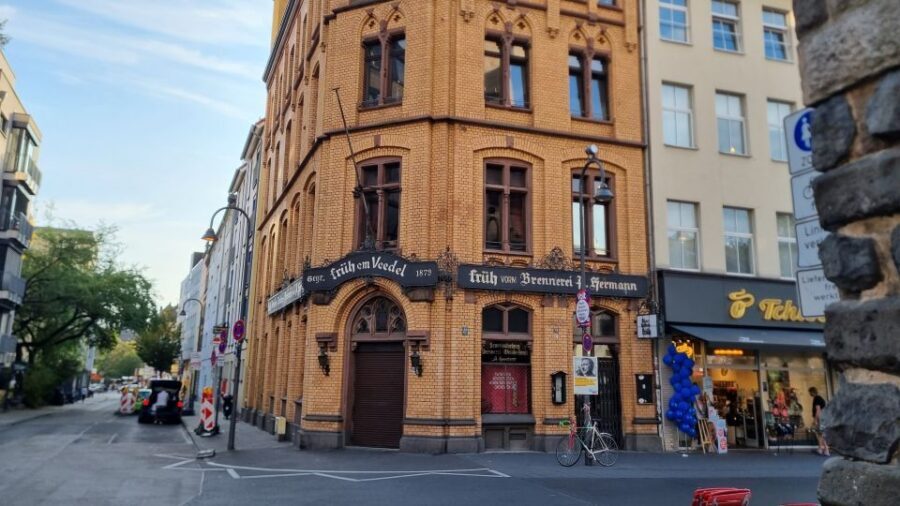
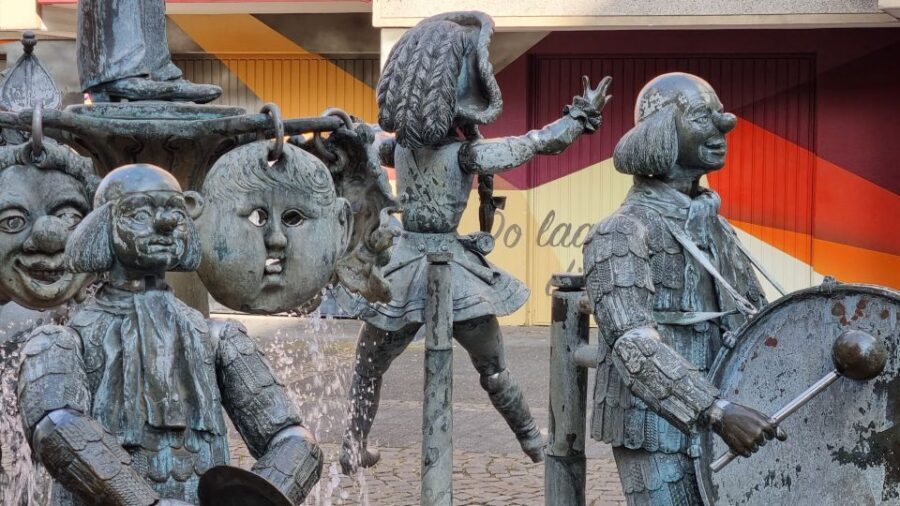
Cologne’s carnival identity isn’t a costume party that starts on one specific date. It’s a living tradition, and this tour includes that in the route: you’ll see the “many big traditional carnival clubs and fountains” around the city.
If you only know carnival through TV images or parade footage, a walking tour like this helps you understand where the culture actually lives year-round. You’re shown places tied to the clubs and the city’s festive infrastructure, and you get explanations that connect those locations to the neighborhood’s history.
You’ll also pass through what the tour describes as a mix of everyday “real Cologne” elements: traditional pubs and local gathering spaces, plus churches and monasteries. That combination matters because it prevents the walk from becoming one-dimensional. You see how spiritual life, community life, and celebration all share the same streets.
One more practical note: fountains and club buildings can be easy to spot but hard to interpret. A guide gives you the “why” behind what you’re seeing, which is where value shows up. Without that context, a stop is just a photo opportunity. With it, you start recognizing patterns in how the city developed.





How the Route Feels in Real Life: Pace, Stops, and What You Might Enjoy Most
This tour lasts 2 hours, and it’s a walking experience. That’s long enough to cover meaningful ground and still short enough that you won’t feel like you spent your whole day on your feet. Since it’s wheelchair accessible, the pacing is likely designed to be manageable for different mobility levels—though you should still plan to wear shoes you’re comfortable walking in.
The route is built around recognizable Cologne anchors—St. Severin, Hohe Straße, the city wall and gate—plus “in-between” cultural stops like carnival clubs and fountains. For me, that structure hits a sweet spot: you’re always moving toward something, but you’re never stuck only on big monuments.
If you’re a history fan, you’ll appreciate the timeline angle: late-14th-century church details, medieval defenses, and a mental picture of the city around 1180. If you’re more into culture, you’ll probably love the way carnival references aren’t treated as an afterthought.
If you want a smooth day, plan this early or mid-day. Two hours is ideal before or after other neighborhood browsing, since you’ll leave with a map in your head—not just a list of sights.
Price and Value: $94 Per Group Up to 5 Is the Real Math
The price is listed as $94 per group up to 5, and the only included service is the guided tour. That pricing structure can be very reasonable, depending on your group size.
Here’s the practical way to think about it:
- If you’re traveling as two or three people, you’re splitting the group cost, so the per-person cost often becomes comparable to many other guided options.
- If you’re traveling alone, it’s still not outrageous for a guided walking tour, but it’s less cost-efficient than bundling with friends or family.
The big value driver here is that you get a guided explanation for a focused slice of Cologne: Severinsquarter, with both medieval structures and carnival culture included. You’re not paying for a vague stroll that might cover the basics. You’re paying for someone to help you see connections—street, church, defenses, and festival life in one loop.
Also, since food and drinks are not included, you have full flexibility. You can decide later if you want a quick coffee break or a longer stop at a pub—without feeling locked into a tour package.
Language and Guide Style: What You Should Expect From a German-Only Tour
This is a German-language tour. That’s not a deal-breaker for everyone, but it’s important to know because the quality of your experience will depend on your comfort level.
One of the guides mentioned in past tours is Manfred Speier, described as having a lot of expertise as a Cologne native. That kind of local perspective tends to improve a walking tour because the guide can connect facts to real place knowledge: how the neighborhood feels, what traditions mean here, and why certain sites matter.
If you speak German only at a basic level, you’ll still see plenty—church architecture, medieval walls, gates, streets and fountains. But you’ll likely get more satisfaction if you can follow the guide’s explanations about what you’re looking at and why it’s there.
Tip: bring a small notebook or use your phone notes. If you catch a few key terms, it makes the next section of the walk easier to follow.
Wheelchair-Friendly in Practice: Plan for Comfort on a Walking Route
The tour is listed as wheelchair accessible, which is a meaningful plus if you need it. Still, it’s a walking experience, so you’ll want to factor in that sidewalks, street surfaces, and turns can vary.
Comfort matters here. The tour notes you should wear comfortable walking shoes. Even if the pace is moderate, a two-hour city walk will test your feet if you chose shoes just for looks.
If you’re using a wheelchair or mobility aid, consider messaging the provider ahead of time to confirm specifics for your situation. The listing confirms accessibility, but streets can have their own surprises.
Should You Book This Severinsquarter Guided Tour?
I think you should book this tour if you want Cologne’s medieval side and carnival culture to connect in one easy, guided loop. The combination of Hohe Straße, the Basilica of St. Severin, and the Severinstorburg gate gives you both beauty and meaning, and the $94 per group cost works best when you’re traveling with at least one other person.
Skip it or look for alternatives if German-only tours aren’t your thing. Without the language support, you’ll still see a lot of historic Cologne, but you won’t capture the full “why” behind the route.
If you’re happy walking for two hours with a local guide and you want a tighter, more personal feel than a giant group tour, this one is a strong pick.
FAQ
What is the duration of the Cologne Southside Severinsquarter guided tour?
The tour lasts 2 hours.
Where is the meeting point for the tour?
You meet at the square in front of the Basilica of St. Severin on Severinstraße, opposite of house No. 35.
What language is the tour in?
The live tour guide speaks German only.
How much does the tour cost?
It costs $94 per group, up to 5 people.
Is the tour wheelchair accessible?
Yes, the tour is listed as wheelchair accessible.
What is included in the price?
The guided tour is included.
Are food and drinks included?
No, food and drinks are not included.
Is cancellation free?
Free cancellation is available: you can cancel up to 24 hours in advance for a full refund.
Can I pay later?
Yes, you can reserve now and pay later.
Do I need to bring walking-friendly shoes?
Yes. The tour advises wearing comfortable walking shoes.