REVIEW · COLOGNE
Cologne Highlights: Exclusive Private Tour
Book on Viator →Operated by BlackBuck Travels · Bookable on Viator
Cologne in three hours? Yes, and it works. This exclusive private tour helps you check off major sights efficiently, with your guide handling the story, the pace, and the flow between neighborhoods. You’ll get that rare feeling of moving through a city without constantly stopping to figure out what to see next.
What I especially like is the focus on the big hitters: Cologne Cathedral at the end, plus stops that explain the city’s identity through fragrance and chocolate. The other great part is the undivided attention that comes with a private group of up to 15 people, so you’re not stuck listening to a one-size-fits-all script. One thing to consider: two major attractions (the Farina and Lindt museums) require separate tickets, so your total cost depends on what you choose to enter.
In This Review
- Key Things You’ll Notice on This Cologne Highlights Tour
- Why This Private Cologne Highlights Tour Works in 3 Hours
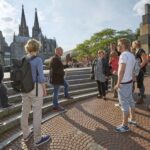
- The Kickoff on Kardinal-Höffner-Platz and the City Center Walk
- The Pedestrian Shopping Street: Where Roman-Era Structure Meets Today
- Duftmuseum im Farina-Haus: The Birthplace of Eau de Cologne
- The Old Rathaus and the Way Cologne Mixes Architectural Styles
- Great St. Martin Church: A Medieval Anchor With Roman Roots
- Lindt Chocolate Museum: From the Maya Period to Modern Cacao
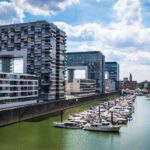
- Hohenzollern Bridge: WWII History and Rhine Views in One Walk
- Cologne Cathedral: UNESCO Since 1996 and a Big Gothic Finish
- Price and Value for Up to 15 People
- Who This Tour Suits Best (and Who Might Want Another Option)
- A Quick Planning Checklist for a Smooth 3-Hour Route
- Should You Book This Exclusive Private Cologne Highlights Tour?
- FAQ
- How long is the private Cologne highlights tour?
- What does the price include?
- Is this tour private?
- What language is the tour offered in?
- Are there entrance fees for the main stops?
- Where does the tour start and end?
Key Things You’ll Notice on This Cologne Highlights Tour
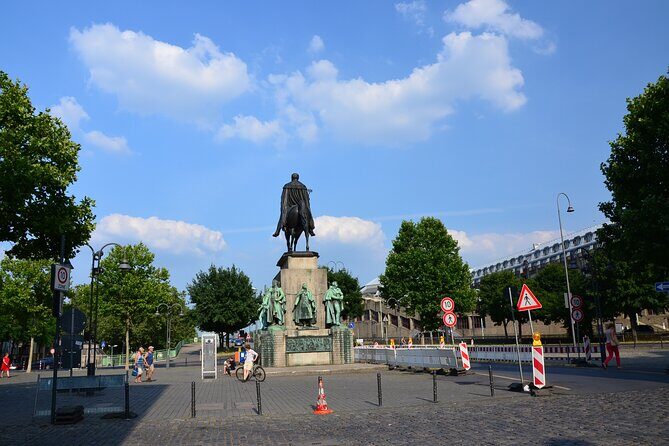
- Private, up-to-15 group pacing that keeps you from losing time between stops
- Old-meets-new walking on Cologne’s pedestrian street, where Roman and modern landmarks rub shoulders
- Farina’s Eau de Cologne backstory at the world’s oldest fragrance factory
- UNESCO Cologne Cathedral as the clean finish line with its huge Gothic façade
- Hohenzollern Bridge history and photos framed by statues and the Rhine
- Museum ticket extras that you’ll plan for up front so the tour stays smooth
Why This Private Cologne Highlights Tour Works in 3 Hours
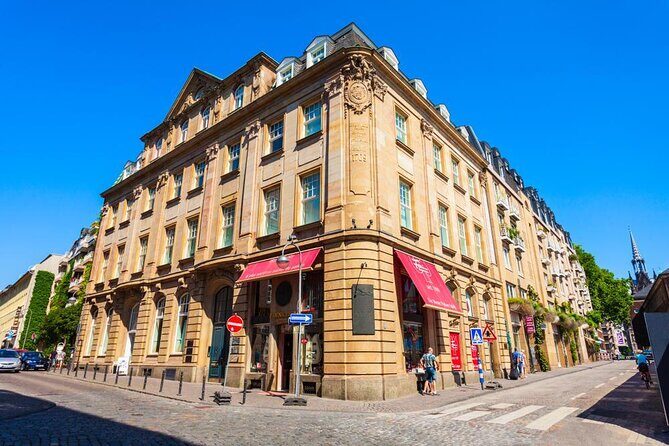
If you only have a short window in Cologne, this format is smart. You’re not trying to “do Cologne” in a full day. You’re doing the parts that make Cologne make sense—then you’re done while you still have energy for dinner.
The tour runs about three hours and is offered in English. It’s private, so it’s just your group. That matters because the guide can adjust to your questions and your walking pace, instead of herding a mixed crowd.
Also, you get flexibility: you can choose from different potential tour times to fit your schedule. That helps if you’re juggling museum days, transit days, or an evening plan.
You can also read our reviews of more private tours in Cologne

The Kickoff on Kardinal-Höffner-Platz and the City Center Walk
Most meeting points are fine. This one is functional, and it’s near public transportation, so you’re not planning your whole day around a hard-to-reach spot.
From there, the tour heads into the city center where you’ll start picking up Cologne’s “two worlds at once” feeling. In just a short walk, you’ll see a pedestrian street known as one of Europe’s busiest shopping streets—and along it, the past is visibly layered into the present.
If you like orientation early—getting your bearings fast—this start helps a lot. It sets the rhythm before you hit specific landmarks.
The Pedestrian Shopping Street: Where Roman-Era Structure Meets Today
One of the best early moments is the stroll along a 500-meter pedestrian street where modern design and Roman architecture blend together. It’s a quick win: you get atmosphere without trekking across the city.
You’ll notice landmarks tied to the built history of the area, including the Antoniterkirche Church and the Weltstadthaus, designed by Renzo Piano. That’s a nice contrast: one look tells you Cologne has deep roots, and the next look reminds you the city keeps building forward.
Practical tip: because this is a main shopping corridor, expect foot traffic. The guide’s role here is mostly about choosing the best moments to look, point, and move—so you’re not stuck staring while everyone flows past.
Duftmuseum im Farina-Haus: The Birthplace of Eau de Cologne
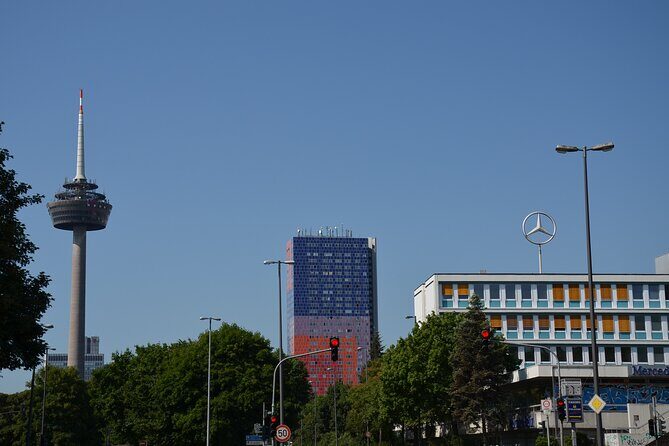
The Farina Fragrance Museum stop is where Cologne turns into a sensory story. You’ll visit the Duftmuseum im Farina-Haus, described as the world’s oldest fragrance factory and the birthplace of Eau de Cologne.
This is the part of the tour that helps you understand why Cologne became Cologne. Instead of treating fragrance as a random souvenir, you get the narrative: who made it, how it was made, and how the scent culture grew around the product.
The museum also leans into the Rococo era, so you’ll likely see period-style design and a connection to the way perfume was valued in earlier centuries. You can expect explanations of production methods and the historical context of that iconic Eau de Cologne.
Two important notes:
- Admission isn’t included, so bring budget for the ticket if you want the full museum experience.
- If you’re sensitive to strong scents, be ready—this is a fragrance-focused place, so it’s not a neutral museum room.
The Old Rathaus and the Way Cologne Mixes Architectural Styles
Next up is a look at Germany’s oldest city hall, founded in the 12th century. The building is a Renaissance monument that houses the mayor and city government, and it’s shaped by multiple eras.
What makes it interesting isn’t just that it’s old. It’s the way the structure reads like a timeline: a 61-meter Gothic tower, a Renaissance corridor, a piazzetta, and the Spanischer Bau. In other words, you’re not just seeing one style—you’re seeing how Cologne built over centuries.
If you like architecture you can interpret, this stop is valuable. You’ll start seeing that Cologne’s “main sights” aren’t isolated monuments; they’re connected by layers of design choices.
And since this is part of a walking route, you get it without paying extra time. It’s an efficient stop that sets up what you’ll see in the churches and cathedral later.

Great St. Martin Church: A Medieval Anchor With Roman Roots
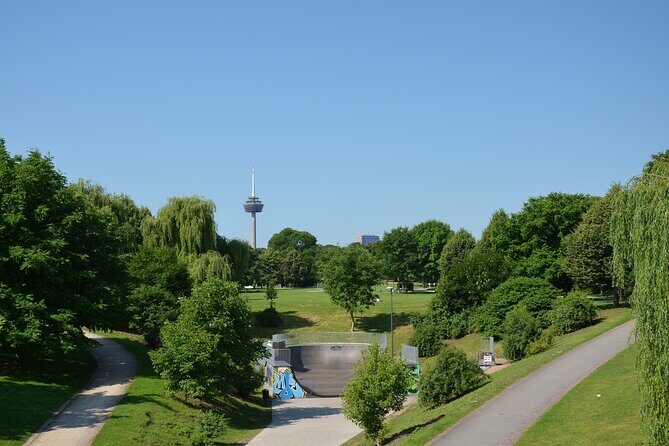
Then you’ll visit Great St. Martin Church, with a stop time of about 15 minutes. That might sound short, but churches work best when you get the key context first—then you can look without guessing.
The church sits on the remains of a Roman chapel dating to the 10th century, and it has been reconstructed multiple times. You’ll also see influences described as Baroque and Classical, which makes it a great contrast to the pure Gothic look of the cathedral later.
Admissions are free for this stop, which is a nice bonus. If you’re trying to keep costs controlled while still getting variety, this is one of your best “value per minute” moments.
Small planning thought: if you want photos, look for spots where you can frame both the exterior shape and the impression of the façade. A quick stop can still yield strong shots if you don’t overstay and keep moving.
Lindt Chocolate Museum: From the Maya Period to Modern Cacao
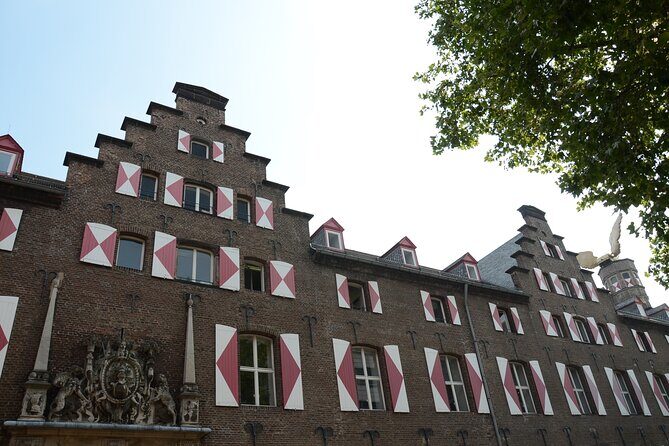
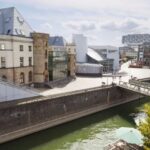
The Lindt Chocolate Museum is one of those stops that turns “a quick break” into a full-on story. You’ll spend about 30 minutes here, and it’s built around the journey of chocolate—starting from the Maya period and moving to modern times.
You’ll also get visual and hands-on moments that help it click:
- a tropical palm house with cacao trees
- a three-meter chocolate fountain
- miniature machines used in chocolate production
If you’re traveling with kids, this museum tends to land well because it mixes atmosphere with clear explanations. Even as an adult, the “how we got chocolate” angle makes it more than a sweet shop.
The main drawback is cost: admission isn’t included. So decide in advance if you truly want to go in. If you do, this stop is worth it because it gives you a structured experience rather than just walking past the museum storefront.
Tip: go with a plan for the time. Thirty minutes is enough to see the highlights, but not enough to slow-read every display.
Hohenzollern Bridge: WWII History and Rhine Views in One Walk
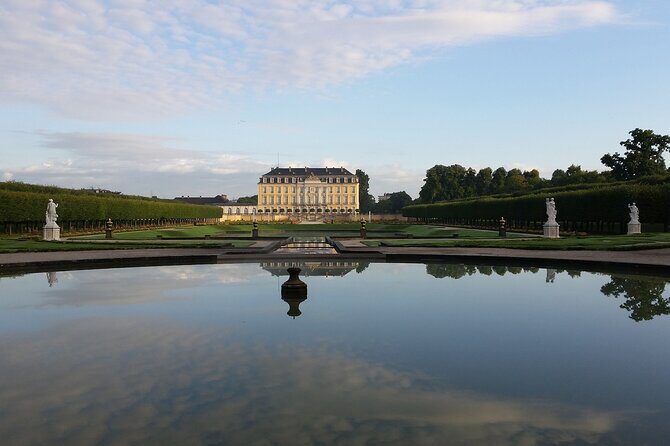
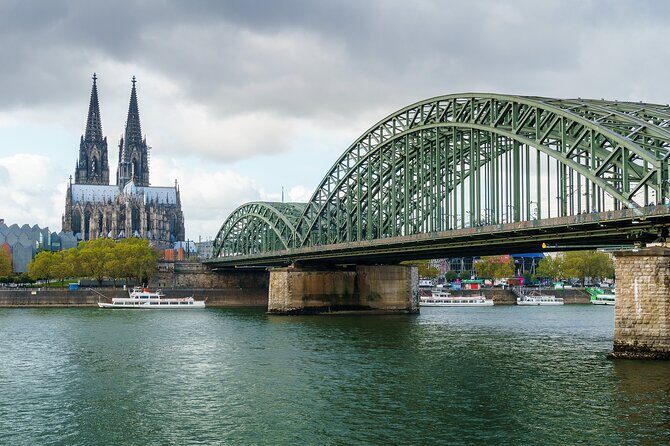
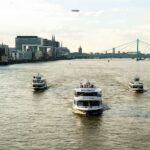
After the chocolate, you’ll head to the Hohenzollern Bridge, constructed between 1907 and 1911. This is a classic “Rhine moment,” with views that make the walk feel like a pause in the tour.
Historically, the bridge played a key role during World War II. It’s since been rebuilt as a tied-arch bridge and decorated with four equestrian statues of Prussian kings and German emperors.
This stop is great for two reasons:
1) you get a sense of how the city’s identity shows up in infrastructure
2) you get a clean photo opportunity without needing a separate plan
And because it’s on the route to the cathedral area, it works as a mental transition. You leave the quirky museum world and return to the grand landmark finish.
Cologne Cathedral: UNESCO Since 1996 and a Big Gothic Finish
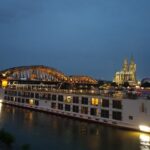
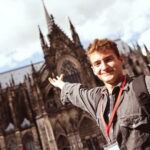
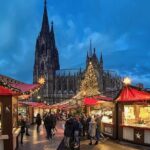
The final stop is Cologne Cathedral, one of Europe’s most famous church buildings. It’s a UNESCO World Heritage Site since 1996, and it’s known for Gothic architecture with the world’s largest façade and the tallest twin spires.
You’ll have about 30 minutes here, and the “best use of time” is simple: don’t just look from one angle. Use the time to take in the façade scale first, then shift to a view that shows the twin spires and the overall mass.
Admission is free for this stop, which makes it an excellent closing act. It also helps the value of the tour, because one of the world-famous landmarks doesn’t add extra ticket costs.
A special bonus in at least one guided experience: a guide named Aylin helped make time for a climb of the south tower during the Christmas season. That’s not something I can promise as a standard element, but it’s a good reminder that a capable guide can sometimes find ways to enhance the experience when access and timing align.
If you’re visiting during December, your timing can line up with nearby Christmas markets. Even if the tour isn’t “a market tour,” you may find the season adds atmosphere to the cathedral area and the streets around it.
Price and Value for Up to 15 People
The price is $436.50 per group for up to 15 people. That’s a group price, so your real value depends on how you split it.
Here’s the math idea: if you’re a small group, the per-person cost can be higher than a cheaper shared-group tour. But if you’re several people traveling together, you’re effectively paying for a guide’s time plus efficient routing—and you’re avoiding a lot of independent planning.
What makes this tour feel good value-wise:
- your guide is included
- two major landmark moments (St. Martin Church and Cologne Cathedral) don’t require admission tickets
- the itinerary is designed to pack multiple “signature Cologne” stops into about three hours
Where you’ll spend extra: Farina and Chocolate Museum admissions are not included. If you add both, your total trip cost rises. If you skip one, you can keep the budget tight while still getting the cathedral, architecture, and bridge.
So for value, think of it as paying for time saved and for someone to make the city readable. If you prefer to explore solo with no structure, this might feel pricey. If you want a smart route with minimal decision fatigue, it often feels like a good deal.
Who This Tour Suits Best (and Who Might Want Another Option)
This tour fits you best if:
- you’re short on time and want the top Cologne landmarks and stories
- you like explanation, not just photo stops
- you’re traveling as a group and want a private guide experience
- you enjoy variety: architecture, museums, and a Rhine landmark in one run
You might want to consider a different format if:
- you prefer long museum browsing and don’t like time limits
- you’re trying to avoid additional museum ticket costs
- you need a slower pace with lots of downtime between stops
The good news is that the stops are chosen to cover a wide slice of Cologne identity in a short window. You’ll leave with a clearer picture of the city than you’d get from walking around without a plan.
A Quick Planning Checklist for a Smooth 3-Hour Route
To get the most from the tour, plan around comfort and decision points.
Wear comfortable shoes. You’ll be walking between multiple landmarks, and it’s concentrated enough that tired feet can steal your enjoyment. Bring a small water bottle if you’re traveling in warm weather.
Also decide early about museum tickets. Because Farina and Lindt admissions are not included, you’ll want to commit so you don’t end up spending tour time making choices on the spot.
Finally, use the fact that it’s near public transportation. If your day is already packed, it’s easier to slot this into your route without turning it into a logistics headache.
Should You Book This Exclusive Private Cologne Highlights Tour?
Book it if you want a guided, efficient Cologne with a strong finish at the cathedral. The private format and up-to-15 group size make it feel easier to manage than a bigger shared tour, and the mix of architecture plus fragrance and chocolate gives you a memorable sense of place.
Skip or rethink it if your priority is staying in museums for long periods. This is a highlights route, not a slow day. Also, check your budget for the two museum admissions, since they aren’t included.
If you’re arriving in Cologne with a short itinerary and you’d rather see more with less stress, this tour is a solid choice.
FAQ
How long is the private Cologne highlights tour?
It runs about 3 hours.
What does the price include?
The tour includes an official tour guide. Entrance fees are not included for the Farina Fragrance Museum and the Lindt Chocolate Museum.
Is this tour private?
Yes. It’s a private tour/activity, so only your group participates. The group size can be up to 15.
What language is the tour offered in?
The tour is offered in English.
Are there entrance fees for the main stops?
Cologne Cathedral and Great St. Martin Church are free to enter. Entrance fees are not included for the Duftmuseum im Farina-Haus and the Lindt Chocolate Museum.
Where does the tour start and end?
It starts at Kardinal-Höffner-Platz 1, 50667 Köln, Germany, and ends back at the meeting point.