REVIEW · BREMERHAVEN
Bremerhaven: German Emigration Center Entrance Ticket
Book on GetYourGuide →Operated by Deutsches Auswandererhaus gGmbh · Bookable on GetYourGuide
Emigration feels personal here. The German Emigration Center in Bremerhaven uses an iCard to turn big migration history into a guided, audio-and-interactive story you can follow start to finish. I especially love the award-winning migration collection and the way it connects 19th- and 20th-century journeys to the people behind the numbers. One thing to consider: you’ll want enough time to work through computers and interactive areas, which can be crowded.
The core flow also means you’ll spend real time moving through scenes and learning stations, so plan your day with that in mind. I’d also flag that some wheelchair users may find tighter spaces on the older ship sets, depending on how easily you can maneuver. If you like to read slowly and replay audio, give yourself a full visit window instead of rushing.
In This Review
- Key Highlights You’ll Actually Notice
- Bremerhaven’s Emigration Story: Why This Place Works
- Your iCard Journey Starts at the Main Entrance
- Quay Scene to Passenger Ship: The Farewell Moment
- The Ellis Island Stop: Legal Desk, Immigration Test, Entry Permit
- Grand Central and the New World: What Life Changed Into
- Exhibition Halls: 19th- and 20th-Century Migration, Award-Winning Displays
- Family Research Room: The Best Part for Many People
- How Much Time Do You Need? Plan for a Full Day
- Wheelchair Access: What’s Good and What to Watch
- Who Should Book This Ticket?
- Price and Value: Is $23 Worth It?
- Should You Book the German Emigration Center in Bremerhaven?
- FAQ
- FAQ
- How long is the ticket valid?
- Where do I enter the German Emigration Center?
- What’s included with the entrance ticket?
- Can I search for my ancestors in the museum?
- Is the museum wheelchair accessible?
- Is food included?
- Are pets allowed inside?
- When should I arrive before closing?
Key Highlights You’ll Actually Notice
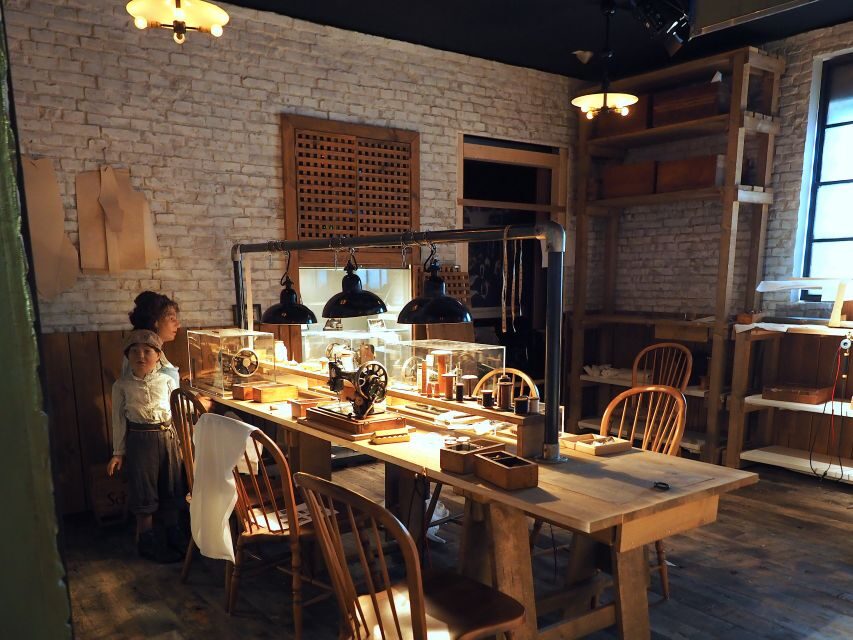
- iCard-guided route: your electronic boarding pass triggers audio stations and interactive displays.
- 7 million emigrants, one route: you follow the paths of Europeans who left via Bremerhaven for the New World.
- Three eras of passenger shipping: you get a feel for ship life using scenes set in different periods, including an ocean liner example from 1929.
- Ellis Island-style immigration process: you reach a legal desk and take an immigration test as part of the experience.
- Free Family Research room: you can search your own emigration connections with help from a trained assistant.
- Sensory “history in motion”: the experience is built to feel less like a lecture and more like walking through a journey.
Bremerhaven’s Emigration Story: Why This Place Works

Bremerhaven matters because it’s one of the clearest gateways in Europe’s migration tale. This museum frames migration as a long process—about 300 years of immigration and emigration—rather than a single headline moment. You’re not just learning facts. You’re following a route that millions used when they left for a new life.
I like that it keeps the focus on people. Even when you’re looking at big themes—why people left, what they risked, what they hoped for—you’re constantly nudged back to individual stories. That’s what makes it feel grounded instead of abstract.
A few more Bremerhaven tours and experiences worth a look
Your iCard Journey Starts at the Main Entrance

Your ticket works as your entry pass into the museum experience, and the real engine is the iCard. It functions like an electronic boarding pass that accompanies you through the museum route. Each iCard includes the story of a specific person who emigrated, and it activates lots of audio stations and interactive elements as you go.
When I think about value, I see this as the museum doing the hard work for you. Without the iCard, you’d still be in a great museum, but you might wander. With it, you get a stronger sense of sequence: where you are, what’s happening, and why each stop connects to the next.
Practical note: use the main entrance at Columbusstraße 65. The experience ends back at the meeting point, so you’re not hunting around for an exit.
Quay Scene to Passenger Ship: The Farewell Moment
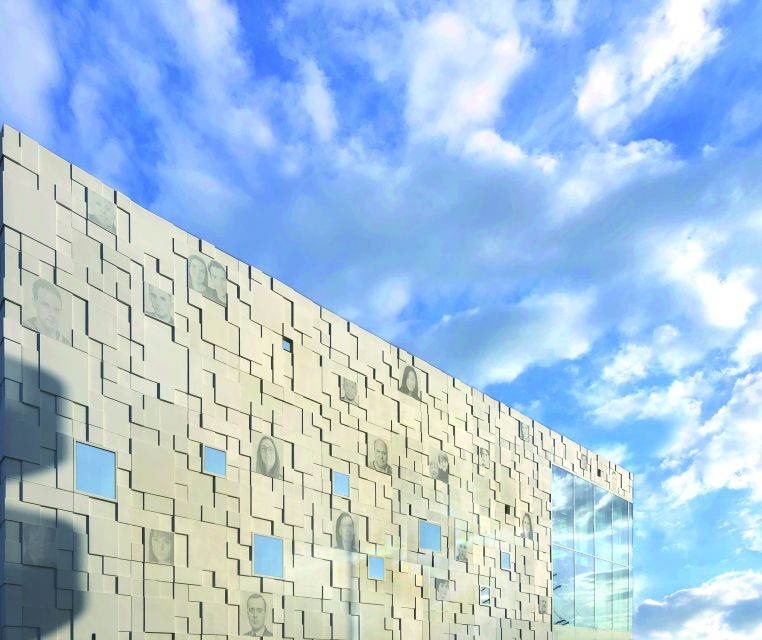
One of the most striking parts is the quay setup. Here you meet emigrants from different European countries, and you learn what that departure felt like—especially the emotional moment of farewell. It’s the kind of scene that doesn’t treat emigrants like background props. You’re guided through the human side of leaving.
After that, you board a ship. This isn’t one generic “ship room.” The experience is designed to show three eras of passenger shipping, so you can compare how ocean travel evolved over time. You may see examples like the ocean liner Columbus from 1929, which helps make the timeline feel real instead of theoretical.
If you’re traveling with someone who needs wheelchair access, this is one area to think about carefully. The museum is wheelchair accessible overall, but older ship sets can include tight spaces—especially on intermediate decks, where maneuvering may be difficult if you can’t move easily in narrow areas. The experience is still designed for access, just be ready for some constrained geometry in ship scenes.
The Ellis Island Stop: Legal Desk, Immigration Test, Entry Permit
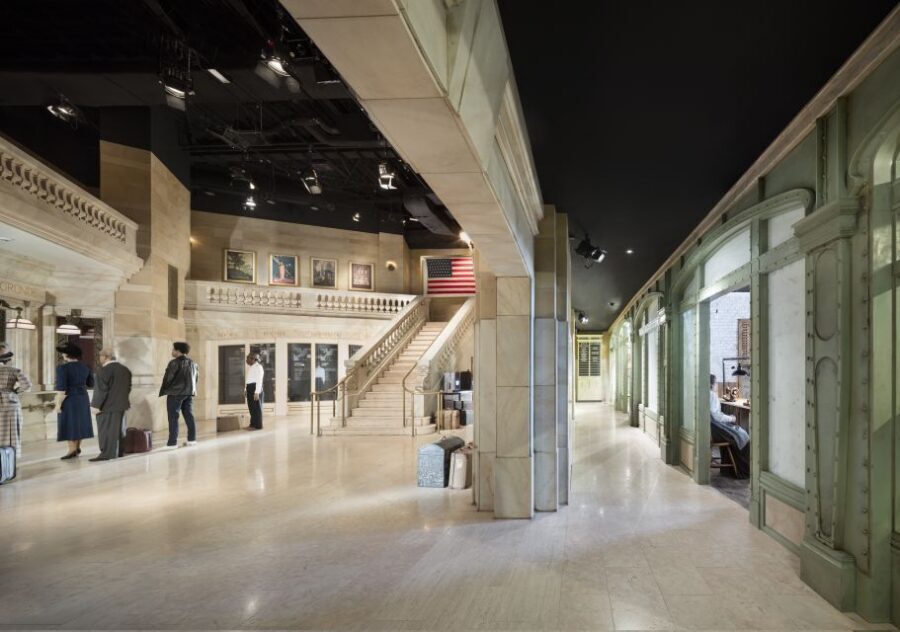
Next comes a stop inspired by the immigration station experience at Ellis Island. The museum uses this part of the route to explain what it meant to arrive and go through screening and processing.
You’ll face an immigration test at a legal desk. The entry permit you receive is part of the “continuation” logic of the journey, and it keeps you moving to the next major location. It’s a clever way to teach how immigration wasn’t just hope and celebration—it involved rules, checks, and decisions.
What I appreciate is how this segment adds structure. Too many museum experiences stay on the emotional level or the historical level. Here, you get both: how people felt and how the system worked.
Grand Central and the New World: What Life Changed Into
Once you have that entry permit, the route pushes you forward to Grand Central in New York. This is where the museum shifts from leaving to arriving—and from a travel story to a life story.
The exhibition halls that follow explain more about the factors of migration and what emigrants encountered after arrival. You’re not just watching scenes. You’re also being guided through exhibitions that connect the migration process to the broader patterns of Europe-to-New World movement.
If you want to get the most out of this portion, use the iCard’s audio stations instead of treating them as optional extras. The audio is built to support what you’re seeing, so it helps you build a clear mental timeline.



Exhibition Halls: 19th- and 20th-Century Migration, Award-Winning Displays
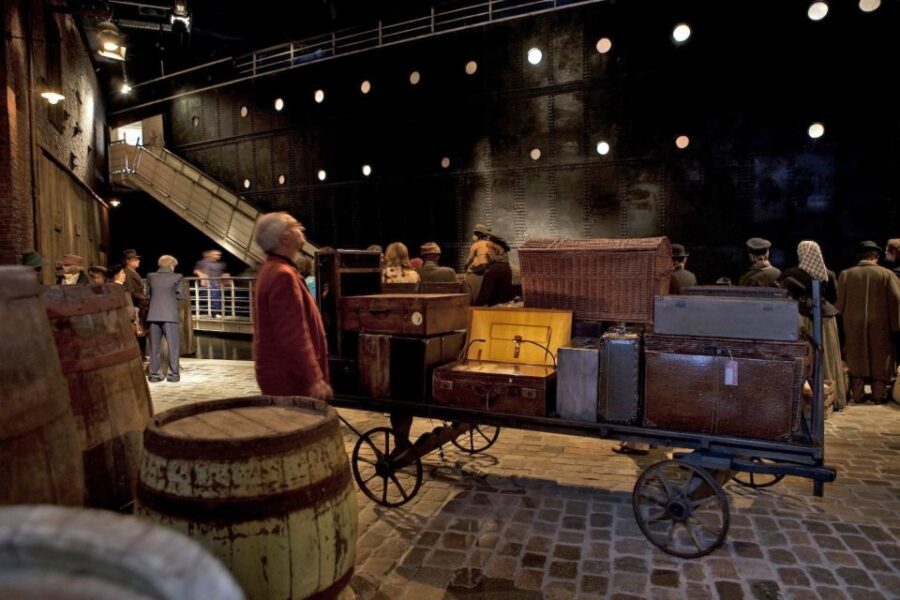
The center is known for an award-winning collection focusing on 19th- and 20th-century migrations. That’s a sweet spot for many visitors because it overlaps with mass migration waves while still being close enough to feel documented and personal.
You also learn about about 300 years of immigration and emigration history, so you’re not stuck in only one century. The museum’s approach makes the whole story feel like a progression: earlier movements laid foundations, and later waves built on them.
The best way to enjoy this section is slow reading plus short resets. Interactive displays can pull you forward, but you’ll get more meaning if you take breaks and let the larger story connect before you move on.
Family Research Room: The Best Part for Many People
If you have any reason to suspect your family ties involve emigration, the museum’s Family Research room is the big payoff. After you complete the journey, you can do a personal search for emigrated ancestors.
This service is free of charge. And there’s a trained assistant there to help you navigate your family history search. That matters because family-history work can be frustrating if you’re staring at records without knowing where your question fits.
I also like the way the museum supports research with state-of-the-art facilities. Even if you don’t find everything, you’ll usually leave with clearer next steps—new leads, stronger search terms, or a better idea of where your ancestors entered and when.
One more practical tip: if computer stations are part of the workflow, plan extra time. One common hiccup is that stations can be occupied. If you’re hoping for a full research session, don’t schedule this for the last hour.
How Much Time Do You Need? Plan for a Full Day
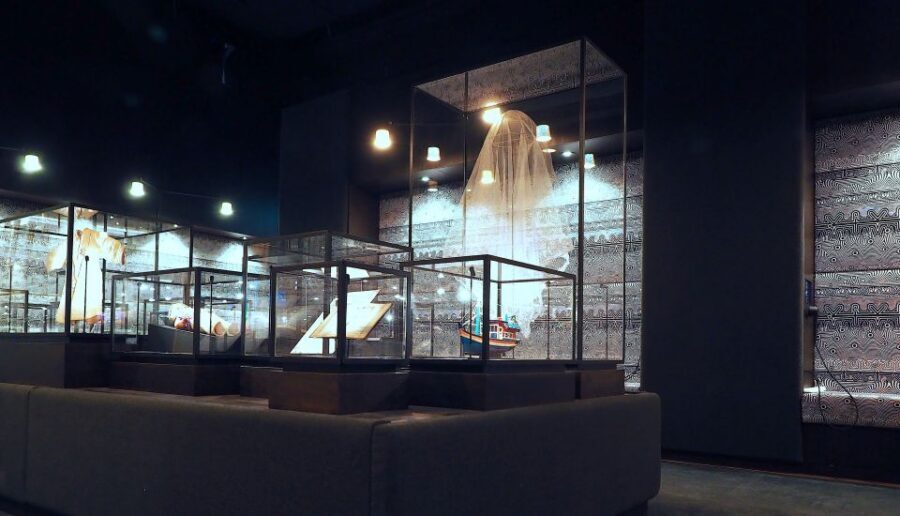
Your entrance ticket is valid for 1 day, and starting times depend on availability. The museum recommends a timing approach that’s easy to follow: reach the museum at least two hours before closing time. That gives you room for the walking route, the interactive segments, and the family search area.
In real terms, I’d treat this as a “no-rush” day. You’re moving through multiple thematic zones, plus the iCard-driven audio and interactive displays take time. If you love reading, you’ll naturally stretch it out. If you prefer a faster pace, you can still lose time at the computer-based research.
Also, note that food and drinks are not included. Build in a snack plan or be ready to pick something up nearby before you settle in.
Wheelchair Access: What’s Good and What to Watch
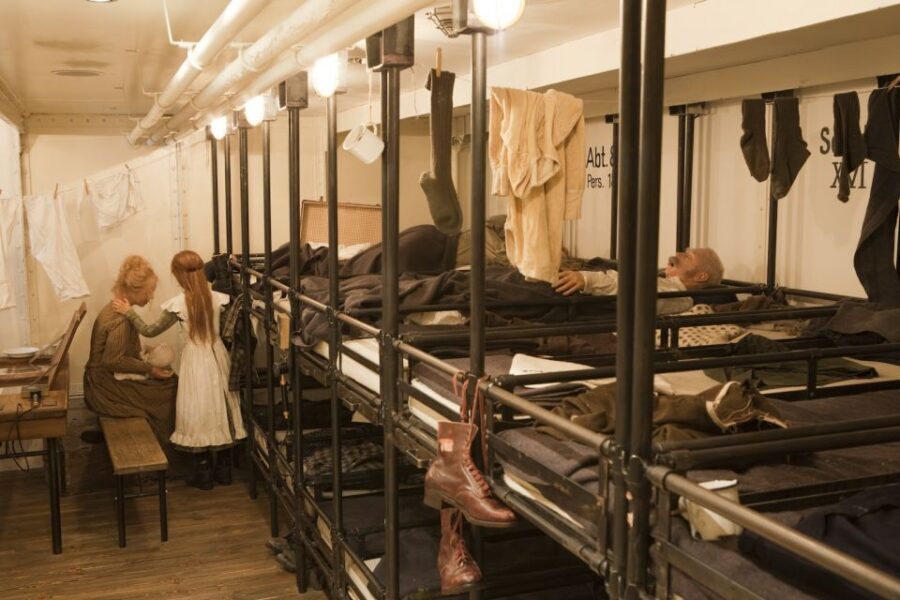
The museum is wheelchair accessible, which is a huge plus. But the ship scenes are where you may notice differences. The older emigrant ship sets can include tight intermediate decks, so it helps if your group is comfortable maneuvering in smaller spaces.
If you’re planning for mobility needs, I’d recommend focusing your day on the parts that matter most to you and giving yourself buffer time. Rushing through transition areas usually causes the most stress.
Who Should Book This Ticket?
Book it if you want:
- A museum experience that uses audio, interactive displays, and a guided storyline rather than only static exhibits.
- A clear explanation of the emigration process, including an Ellis Island-style screening step.
- A real chance to connect history to your own family research, with a trained assistant in the Family Research room.
You might not love it as much if:
- You’re short on time and can’t do a full, unhurried visit.
- You hate interactive elements or you prefer a strictly lecture-style museum format.
- You need to avoid any tight indoor spaces, since ship sets can be constricted.
Price and Value: Is $23 Worth It?
At about $23 per person, the German Emigration Center is priced like a major museum experience, not a quick stop. The value comes from three places: the iCard route (with audio and interactive elements), the multi-era ship and immigration process storyline, and the free Family Research room.
If you’re the kind of traveler who likes to leave a museum with more than photos—names, leads, or a stronger understanding of how people moved across the Atlantic—this ticket can feel like a great deal. If you’re only mildly interested in emigration history, you might feel the price more than the content. But even then, the museum’s “story path” is designed to keep you engaged.
Should You Book the German Emigration Center in Bremerhaven?
Yes, if you want an experience that connects personal stories to the mechanics of migration. The iCard journey is a strong format, and the museum makes the process of leaving and arriving feel step-by-step instead of vague.
Also, if family history is on your mind, don’t wait. The free Family Research room and the assistant support can turn a fun visit into an actual breakthrough—or at least into a clearer plan for what to search next.
FAQ
FAQ
How long is the ticket valid?
The ticket is valid for 1 day. Starting times depend on availability, so check available slots when you book.
Where do I enter the German Emigration Center?
Use the main entrance at Columbusstraße 65.
What’s included with the entrance ticket?
The entrance ticket gives you access to the museum experience. It includes the guided iCard journey through the exhibitions and the on-site Family Research room service.
Can I search for my ancestors in the museum?
Yes. You can use the Family Research room to search for emigrated ancestors, and the service is free of charge with a trained assistant on hand.
Is the museum wheelchair accessible?
Yes, the museum is wheelchair accessible. Keep in mind that ship scenes may have tight spaces, including narrow intermediate decks.
Is food included?
No. Food and drinks are not included with the ticket.
Are pets allowed inside?
Pets are not allowed. Assistance dogs are allowed.
When should I arrive before closing?
Plan to arrive at least two hours before closing time so you have enough time to visit the exhibitions and complete the full experience.