REVIEW · HAMBURG
Bicycle tour through the “other” Hamburg (min.4)
Book on Viator →Operated by Sightseeingforyou · Bookable on Viator
Some cities hide their real story in plain sight. Hamburg’s less-famous neighborhoods are the point here, and they come with genuine contrast. You pedal through areas tied to fine society, alternative culture, and gritty street realities—then glide toward calmer waterfront views. The route symbolically crosses toward grassroots democratic living before shifting into the Schanzen district’s creative energy.
I especially like the easy-to-follow pacing and the useful on-the-road guidance. The guide also works bilingually and takes time to answer your questions, so you’re not just watching from the saddle. One thing to keep in mind: it’s not a couch-to-10K plan, so you should be comfortable with moderate physical fitness and a sustained 3.5-hour ride.
In This Review
- Key takeaways before you pedal off
- Entering Hamburg’s Other Side: What This Ride Really Shows
- Where You Start on Foot and Bike: Schlüterstraße 11
- The Sternschanze Shift: From Fine Society to a Different Beat
- Schröderstift and Sternschanzenpark: Breathing Room Between Streets
- Schanzen District: The Real Mix of Alternative Culture
- St. Pauli Harbor Road and the Portuguese Quarter: A Different Kind of Energy
- Chilehaus and the 1920s Office Buildings: When Hamburg Shows Off
- Cycling Into St. Georg: Where the Contrasts Feel Maximum
- Inner Alster, Kennedy Bridge, and the City Panorama: Slowing Down Without Stopping
- Lombards Bridge, Rowing Clubs, and Consulates: The Elegant Side of Ordinary
- The Guide Factor: Why Bilingual, Q&A-Friendly Works So Well
- Price and Timing: Is $40.52 Worth 3.5 Hours in Motion?
- What to Bring and How to Ride Comfortably
- Who This Tour Fits Best (and Who Might Skip It)
- Should You Book This Hamburg Bike Tour Through the Other Side?
- FAQ
- Where does the tour start?
- How long is the bike tour?
- What does it cost?
- Is there a limit on group size?
- Do I need a high fitness level?
- Will I get confirmation after booking?
- Is the meeting point easy to reach by transit?
- What happens if the weather is bad?
- Is free cancellation available?
Key takeaways before you pedal off
- A small group (max 20) makes it easier to ask questions and stay together.
- Bilingual guiding helps if you want more than one language option on the route.
- The route mixes scenes: traditional landmarks, alternative districts, and waterfront calm.
- Sternschanze to Schanzen is where the cultural energy ramps up fast.
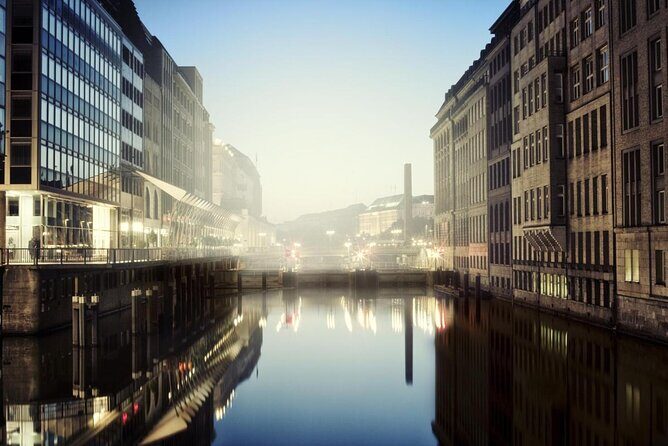
- Water + bridges in St. Georg give you a scenic counterbalance to the streetier areas.
- Good weather matters since the experience runs on a bike schedule.
Entering Hamburg’s Other Side: What This Ride Really Shows
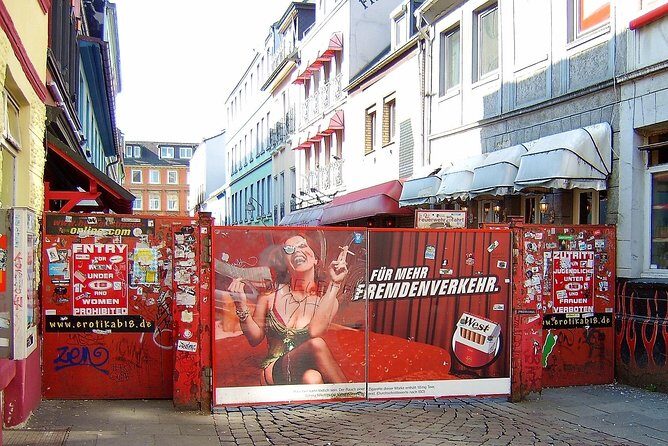
Hamburg can look tidy and corporate from a distance. This tour flips that script. You move through neighborhoods where different worlds overlap—upmarket pockets nearby to areas associated with drugs, prostitution, and an autonomous or artists’ scene. That contrast is exactly why the ride feels honest: you see how the city actually lives, not just how it photographs.
The route is built around neighborhoods with distinct “characters.” You start moving toward Sternschanze, then pass through the symbolic markers tied to grassroots democratic living before continuing into the Schanzen area. Later, things open up toward St. Georg and the waterfront—so you get change of scenery instead of a one-note cruise.
You can also read our reviews of more tours and experiences in Hamburg.

Where You Start on Foot and Bike: Schlüterstraße 11
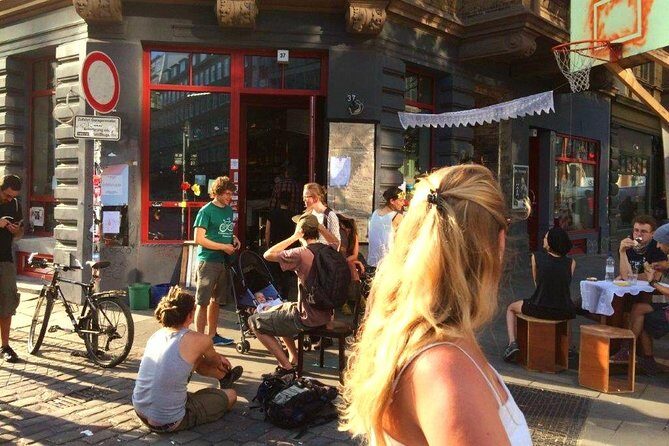
The meeting point is Schlüterstraße 11, 20146 Hamburg. That matters more than it sounds, because a clear start makes the whole experience feel less rushed. If you like planning your day with minimal friction, this location is also described as being near public transportation, which helps if you’re arriving by train or bus.
From the end perspective: the tour finishes back at the meeting point. That’s a simple payoff. You don’t have to solve the “how do I get home from the far end of town” puzzle while your legs are already thinking about dinner.
The Sternschanze Shift: From Fine Society to a Different Beat
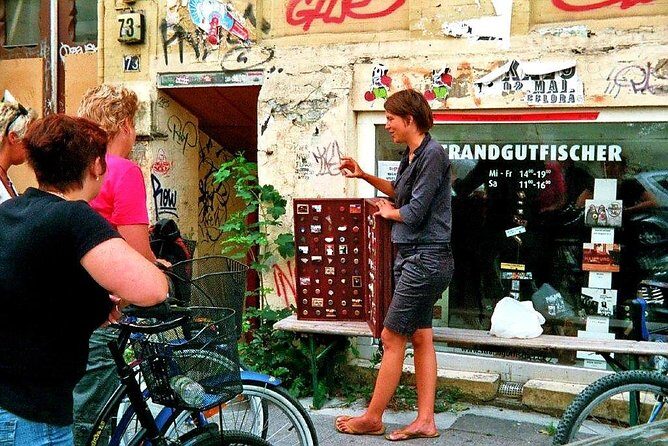
Once you head toward Sternschanze, you’re basically watching the city’s social map change as you roll forward. Sternschanze sits in that sweet spot where Hamburg feels creative and edgy without turning into a single-style theme park. The tour’s framing is practical: you’ll see how the area connects to the next phase of the route, rather than treating each stop like a random postcard.
This is one of those segments where the guide’s approach matters. The reviews highlight solid knowledge and great hints, and you’ll feel that in how the story gets explained while you’re actually moving. A bike tour is fast by nature—if you don’t get context on the go, you miss the point.
Schröderstift and Sternschanzenpark: Breathing Room Between Streets
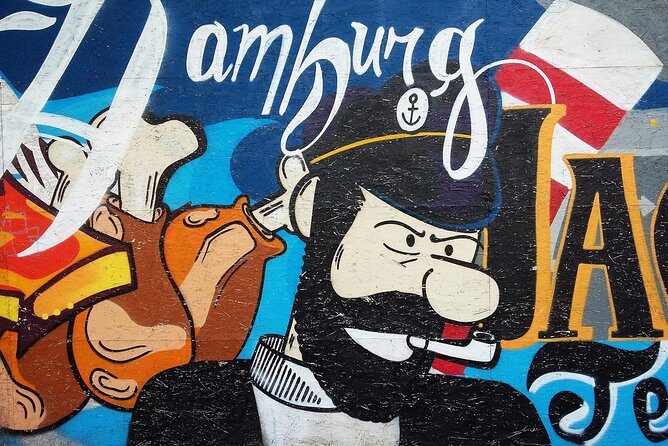
After the early shift in atmosphere, you pass through Schröderstift and then toward Sternschanzenpark. These parts act like pacing breaks. Urban rides can be mentally loud, especially when neighborhoods carry heavy reputations. Parks and institutional waypoints give you a short reset: you can look around, orient yourself, and then move on with a clearer sense of where you are.
Sternschanzenpark also helps the ride feel like a full city walk, not just a long “look at this, move along” sequence. You get to see how green space fits into a district known for alternative energy. If you’re the kind of traveler who likes texture—what a neighborhood feels like across different streets—you’ll appreciate this rhythm.
Schanzen District: The Real Mix of Alternative Culture
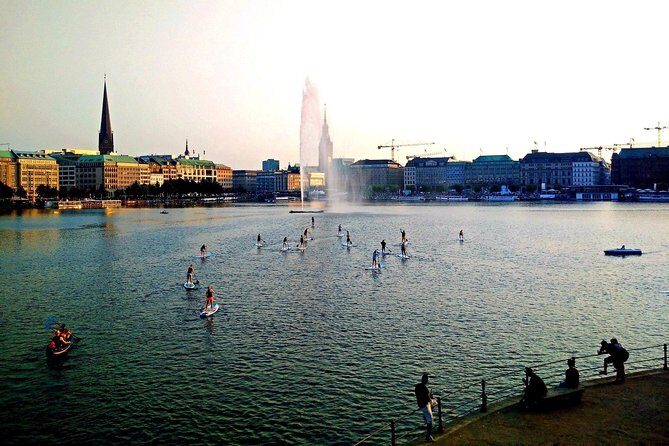
Then comes the heart of the scene: the actual Schanzen district, with diverse alternative cultural offerings. This is where the tour’s description takes on weight. You’re cycling through an area associated with an autonomous scene and artists’ quarters, and the route is designed to show that this isn’t just a buzzword neighborhood. It’s a place where different lifestyles coexist—and sometimes clash.
Here’s the practical upside: you’re not just dropped into a zone and told to wander. By riding through, you get a better sense of how boundaries work—what’s close together, what’s clearly separated, and how street life changes from block to block.
One note to keep expectations grounded: the tour explicitly references areas tied to drugs and prostitution. You don’t need to be sensational about it, but you should be emotionally prepared. This is about understanding place, not pretending Hamburg is only Instagram-friendly.




St. Pauli Harbor Road and the Portuguese Quarter: A Different Kind of Energy
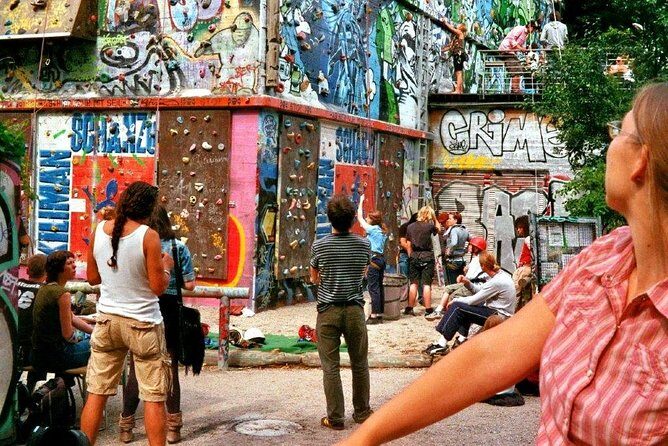
From Schanzen, you continue on the St. Pauli harbor road. Harbor roads do something special on a bike: they stretch your sense of scale. Even if you don’t stop to stare at one view for long, you feel the city’s working pulse—the sense that Hamburg isn’t just offices and shopping streets.
As you ride through the Portuguese quarter toward the new town, the contrast keeps stacking. This is a useful lesson in how cities move from one identity to the next. One minute you’re thinking about alternative culture; the next, you’re riding through another community layer with its own feel and streetscape.
Chilehaus and the 1920s Office Buildings: When Hamburg Shows Off
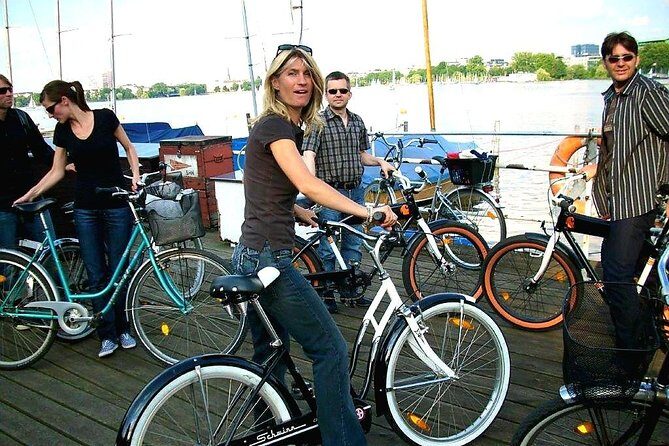
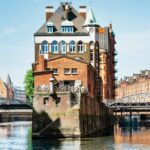
You reach office buildings from the 1920s, including Chilehaus. This is one of those “wait, we’re here?” moments that makes bike tours worth it. You’re moving through neighborhoods, then suddenly you get a landmark tied to a bigger historical and architectural story.
The practical benefit is that you can connect this building phase to what came before. The tour doesn’t treat Hamburg’s identity as a neat timeline. Instead, you see how the city’s older grandeur sits next to modern street culture. That juxtaposition is part of the point.
If you like architecture but don’t want a lecture, this segment hits a good balance. The ride gives you context without asking you to spend hours in one spot.
Cycling Into St. Georg: Where the Contrasts Feel Maximum

Next you head to St. Georg, described as having some of the strongest contrasts in multicultural city life. This is where the route earns its name: the “other” Hamburg doesn’t fade out. It evolves.
St. Georg tends to feel like an everyday working district mixed with multiple cultural influences. You can sense it in the variety of street scenes and how people move through the area. The tour’s value is that you’re not just observing from a distance. You’re traveling with momentum, so the neighborhood’s differences don’t blur together.
Inner Alster, Kennedy Bridge, and the City Panorama: Slowing Down Without Stopping
After the street-life intensity, the route turns toward the Inner Alster. Water changes your body’s attention. After hours of watching streets and facades, a body of water gives you open lines and a different kind of visual breathing space.
Then come the Kennedy Bridge and city panorama views. Bridges do two jobs on a bike tour: they offer perspective, and they force you to stop fighting for the next turn. You get a view that helps you re-map Hamburg in your head, so you understand where you are relative to everything else you’ll see later in your trip.
Lombards Bridge, Rowing Clubs, and Consulates: The Elegant Side of Ordinary
The route continues to the Lombards Bridge, mentioned alongside fine rowing clubs and consulates. That pairing matters. It suggests a neighborhood identity shaped by both local sport culture and international-facing institutions.
This segment gives you a more refined finish to the ride. After cycling through districts associated with street-edge culture, ending near consulates and rowing clubs feels like a natural “cap.” The city looks more formal from certain angles, even while the everyday life continues in the background.
And because you’re still on a bike route, you don’t feel stuck in sightseeing-only mode. It’s moving, but the scenery is calmer.
The Guide Factor: Why Bilingual, Q&A-Friendly Works So Well
The strongest praise in the reviews is about the guide: in-depth knowledge, simple route handling, troll-proof helpful hints, and being bilingual. That’s a big deal on a tour like this, because the subject matter isn’t abstract. It’s about understanding neighborhoods with multiple reputations at once.
If the guide answers questions, you get to tailor the experience. You’re not stuck listening to a script while your brain is busy guessing what something means. When the guide explains as you roll past, you remember more—and you connect details to what you’re seeing in real time.
Also, the route is described as easy. Easy doesn’t mean boring. It usually means you won’t be fighting the bicycle for most of the time, which lets you focus on what matters: context, streetscape, and contrasts.
Price and Timing: Is $40.52 Worth 3.5 Hours in Motion?
At $40.52 per person for about 3 hours 30 minutes, this tour sits in the “good value” category if you want context without a full day commitment. You’re paying not only for the ride, but for the interpretation. For a route that crosses multiple distinct districts, a guided bike format is often more efficient than walking.
The tour is also booked on average about 41 days in advance. That suggests it’s popular enough that you shouldn’t wait too long if you want a specific day.
The group limit is 20 travelers. Small group tours often feel less like a herd, more like a moving conversation. With this size, the guide can realistically answer questions without rushing you past everything.
What to Bring and How to Ride Comfortably
You should plan on a bike ride that requires moderate physical fitness. That’s not an empty phrase—it means you’ll want comfortable clothing and a realistic pace expectation.
The tour also needs good weather. If it’s canceled due to poor weather, you’ll get another date or a full refund. That’s worth noting because bike tours are more weather-sensitive than walking tours. If your trip dates are flexible, great. If they’re fixed, bring a weather plan.
One more practical thing: because the tour uses a mobile ticket, make sure your phone has battery and access. It’s a small detail that can derail a start if your phone is at 5%.
Who This Tour Fits Best (and Who Might Skip It)
This ride is ideal if you want a city-with-edges experience, but still prefer structure. If you like authentic neighborhoods and can handle the idea that some areas of Hamburg have uncomfortable realities, you’ll get a lot out of it.
It’s also a good fit if you prefer learning on the go. The guide’s Q&A style and bilingual support can make the experience feel more personal, especially if you’re the kind of traveler who asks Why is this here? or What’s that about?
If you’re looking for only postcard charm or you prefer strictly family-friendly “safe zone” sightseeing, this may not match your mood. The tour includes neighborhoods tied to sensitive topics, and the route doesn’t sugarcoat the city’s complexity.
Should You Book This Hamburg Bike Tour Through the Other Side?
I’d book it if you want to understand Hamburg through contrasts: Sternschanze and the Schanzen district for alternative culture energy, then St. Georg and the Inner Alster area for the calmer, panoramic perspective. The route logic is strong, and the guide gets high marks for knowledge, helpful hints, and bilingual communication.
I’d think twice if you’re sensitive to topics like drug use and prostitution references in how neighborhoods are described. Even if the tour stays informational rather than graphic, the framing is still part of the experience. I’d also avoid it if weather on your dates is likely to be messy since the tour requires good conditions.
If you can ride comfortably for roughly 3.5 hours and you want a guided mix of street life and water-and-bridge views, this is a smart value choice.
FAQ
Where does the tour start?
The tour starts at Schlüterstraße 11, 20146 Hamburg, Germany.
How long is the bike tour?
It runs for about 3 hours 30 minutes.
What does it cost?
The price is $40.52 per person.
Is there a limit on group size?
Yes. The tour has a maximum of 20 travelers.
Do I need a high fitness level?
No high-athlete training is required, but you should have moderate physical fitness since it’s a bike tour for several hours.
Will I get confirmation after booking?
Yes. You’ll receive confirmation at the time of booking.
Is the meeting point easy to reach by transit?
It’s described as being near public transportation.
What happens if the weather is bad?
The experience requires good weather. If it’s canceled due to poor weather, you’ll be offered another date or a full refund.
Is free cancellation available?
Yes. You can cancel for a full refund if you cancel up to 24 hours in advance. If you cancel less than 24 hours before the start time, the payment is not refunded.