REVIEW · BERLIN
Berlin’s Alternative Side: The Urban Jungle Tour
Book on GetYourGuide →Operated by Withlocals · Bookable on GetYourGuide
Berlin has more than one face. This one leads straight into its urban underground corners. I like that the tour mixes big-name sights with smaller, less obvious places where contemporary artists have built their own rules, and you’ll hear the human stories behind the art and the neighborhoods—not just postcard facts. I also like the pace: a walk-first style that helps you clock the vibe of each stop, from cafe streets near Hackescher Markt to the East Side Gallery area.
You’ll get stops tied to street art culture and local hangouts, with key moments like Blu’s famous Pink Man graffiti and a stop at a hip beer garden by Urban Spree. One thing to keep in mind: this is a tour that focuses on sights and commentary, not freebies—drinks and food cost extra, so don’t assume you’ll be handed beer during the beer garden stop.
In This Review
- Key Highlights You’ll Actually Care About
- Where the Tour Starts: Butler’s Gift Shop to Hackescher Markt
- The Artist Courtyard: Where Alternative Berlin Learned to Survive
- Blu’s Pink Man: Street Art Meets Politics and Ethics
- Urban Spree Beer Garden: A Realistic Evening Vibe (Not a Free Bar)
- East Side Gallery: The Wall as a Global Message Board
- The Smallest Cinema in Town: 1970s Flair as a Berlin Signal
- Ending at Boxhagener Platz: Where the Walk Turns Into Hangout Time
- Price and Value: Is $116 for 3 Hours Worth It?
- Who This Tour Fits Best (And Who Might Want Something Else)
- How to Get the Most Out of It
- Should You Book the Berlin Urban Jungle Tour?
- FAQ
- Where does the tour start?
- How long is the tour?
- What’s included in the price?
- Is the tour in English?
- Do I need to bring anything?
- Is it suitable for wheelchair users or people with mobility impairments?
Key Highlights You’ll Actually Care About
- Street art with a point: You’ll hear why works like Blu’s Pink Man connect to protest and debate over gentrification.
- Off-the-beaten-track courtyards: The route includes a courtyard loved by contemporary artists—less obvious than the usual must-sees.
- Beer garden as a Berlin evening preview: Urban Spree is a realistic look at how people decompress after work.
- East Side Gallery stop with context: You’ll connect the Wall’s remaining stretch to the artists who left messages there.
- A tiny cinema detour with 1970s flair: It’s a small stop, but it says a lot about how Berlin keeps oddball culture alive.
Where the Tour Starts: Butler’s Gift Shop to Hackescher Markt
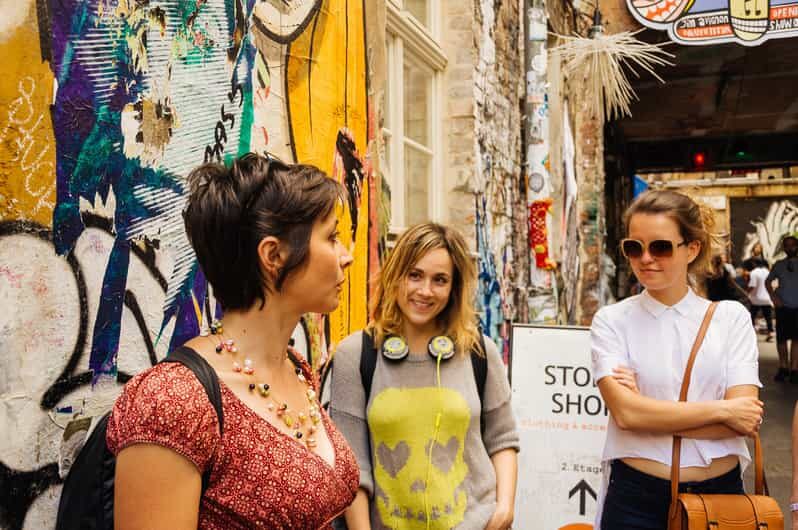
You’ll meet your local host in front of Butler’s Gift Shop. From there, you’re set up for a day that feels like walking with someone who knows the city’s alternate shortcuts and story lines.
Hackescher Markt is the launchpad for the whole mood shift. This area is known for its cafe scene, so it gives you a clean “Berlin today” starting point before you head toward the more alternative, creative spaces. I like this approach because you’re not plopped straight into street art overload—you ease in, you get your bearings fast, and you start noticing how neighborhood character changes block by block.
Practical tip: wear comfortable shoes. The route is built for walking, and you’ll be on foot more than on subway.
You can also read our reviews of more tours and experiences in Berlin.


The Artist Courtyard: Where Alternative Berlin Learned to Survive
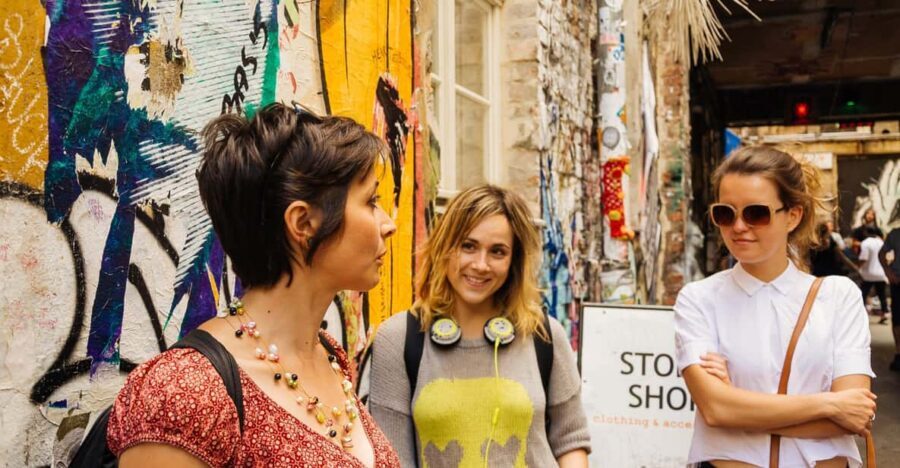
One of the most interesting early stops is a courtyard loved by contemporary artists. The theme here is endurance. You’ll hear how this space managed to keep going against the odds, and why courtyards like this matter to Berlin’s creative underground scene.
What I find useful as a traveler: this isn’t just about seeing a pretty place. It’s about understanding the logic of Berlin’s alternative spaces—how artists and locals use overlooked pockets of the city to create community, and how that community becomes part of the neighborhood’s identity. If you’ve ever wondered why Berlin feels different from other European capitals, the answer often shows up in small spaces like this.
You’ll also get insights into the alternative messages of the art on display. That’s the key word to watch for in your head: message. Street art here isn’t only decoration. It’s part of the local conversation.
Blu’s Pink Man: Street Art Meets Politics and Ethics
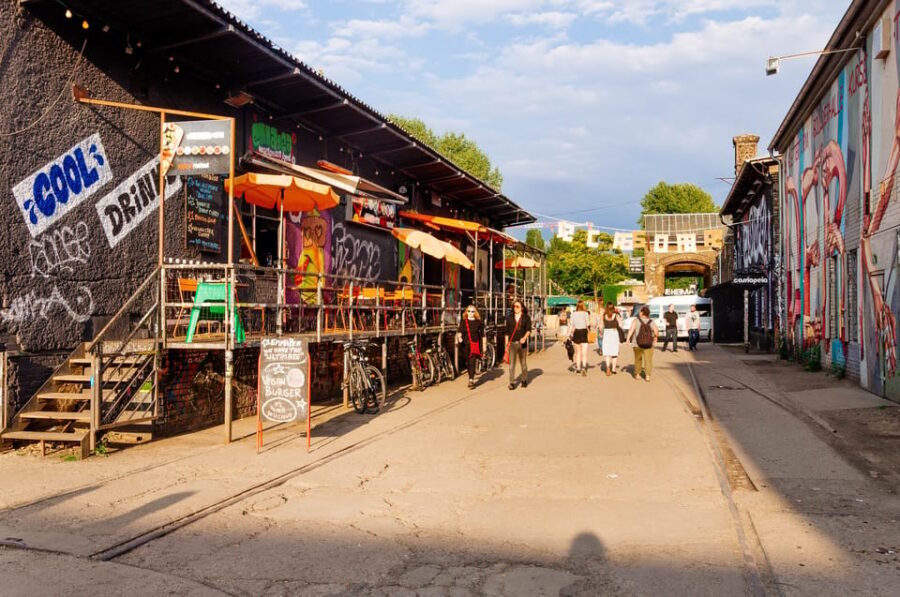
Next comes one of the route’s marquee storytelling points: the Pink Man graffiti by Blu. This is a very specific piece, and the tour uses it to talk about a bigger issue: protest against gentrification of Berlin’s alternative side.
This is where the tour becomes more than “cool photos.” You’ll hear how the artist’s protest connects to ethical projects and broader debates about what happens when areas known for creativity get priced out—or polished into something less real. Even if you don’t care about art theory, you’ll leave with a clearer sense of why street art in Berlin often reads like a public argument.
I’d think of this stop as a Berlin lesson in cause and effect. You’re seeing a painted figure, sure—but you’re also getting a way to read the city’s tensions. That helps you make sense of why locals talk about ownership, community, and change.
Urban Spree Beer Garden: A Realistic Evening Vibe (Not a Free Bar)
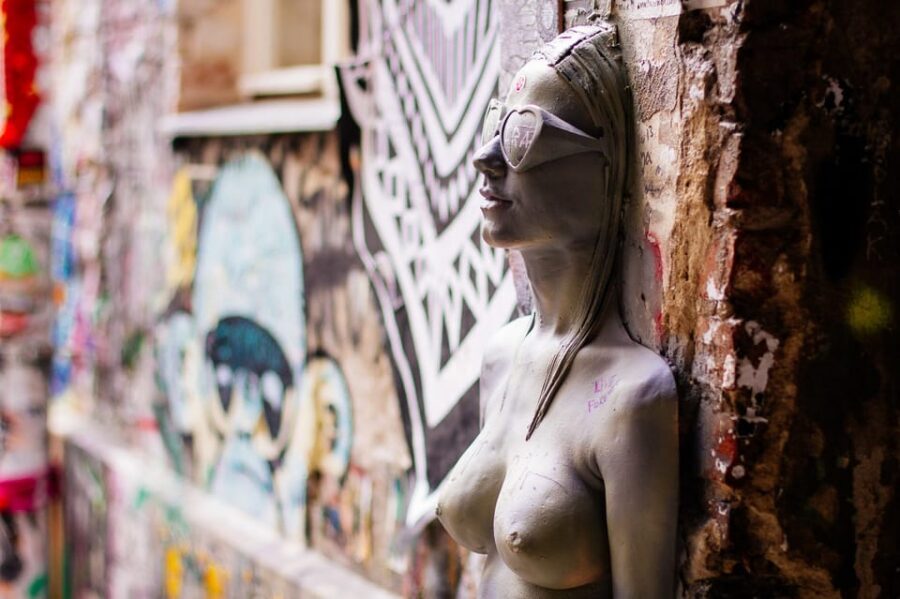
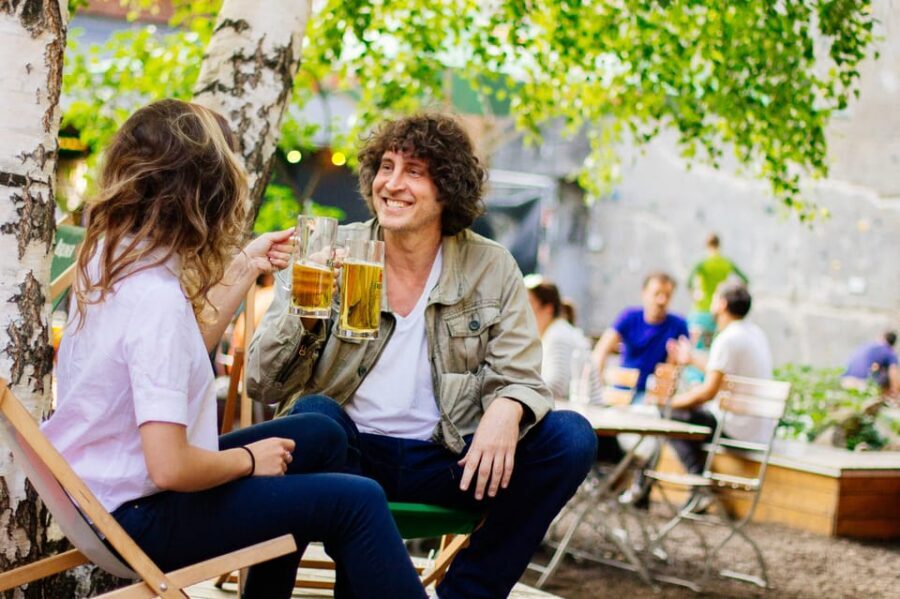
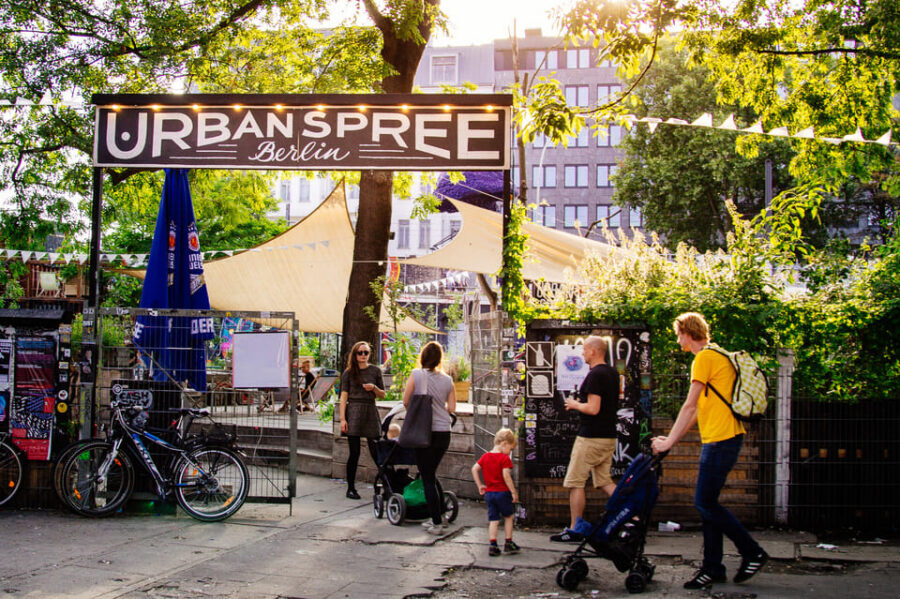
Then you head to relax with a drink at a hip beer garden by Urban Spree. This stop is meant to show you how Berliners spend their evenings—low-pressure, social, and very much part of street-level life.
Important value note: the tour does not list food or extra drinks as included. The highlight says you’ll taste German beer in town, but in practice you should plan to order what you want. If you’re expecting the cost of the tour to cover a beer during the beer garden stop, it might not match reality—especially since the included items are a local guide and 1 subway ticket per person.
Still, I think it’s worth it. Beer gardens are one of the fastest ways to sense how Berlin works socially. You get to slow down, compare neighborhood impressions with your guide’s commentary, and—if you’re up for it—watch how people actually hang out in this part of the city.
East Side Gallery: The Wall as a Global Message Board
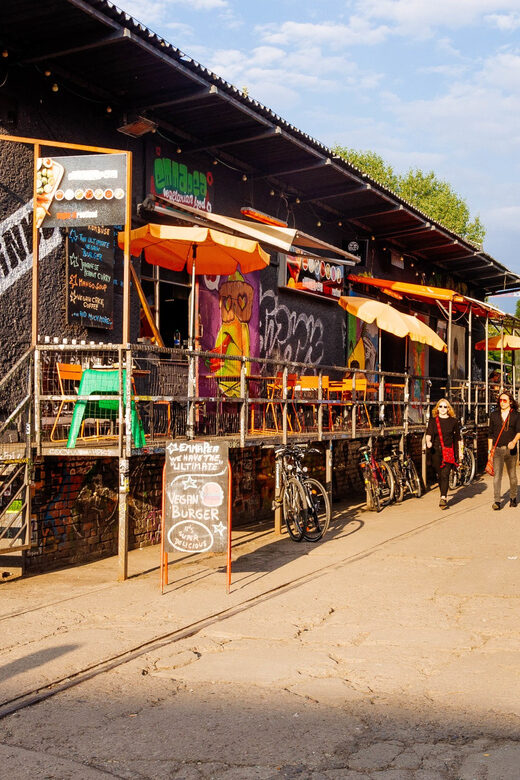
After that mood reset, you roll into the East Side Gallery. This is a section of the Berlin Wall with artwork by artists from around the world. On the tour, the key is the framing: the Wall’s remains aren’t treated like a finished monument. They’re treated like an ongoing canvas of messages.
Why this matters for your experience: you’ll likely see the gallery as images first, then stories second. The tour helps you switch from tourist mode to meaning mode. In other words, you’re not just ticking off a famous sight—you’re connecting the art to the idea of freedom, borders, and international voices.
Practical note: you’ll probably do a bit of walking between stops, so take a moment at the East Side Gallery to drink in details while you have a break. It’s easy to rush this section on your own; a guide’s pace helps you focus.


The Smallest Cinema in Town: 1970s Flair as a Berlin Signal
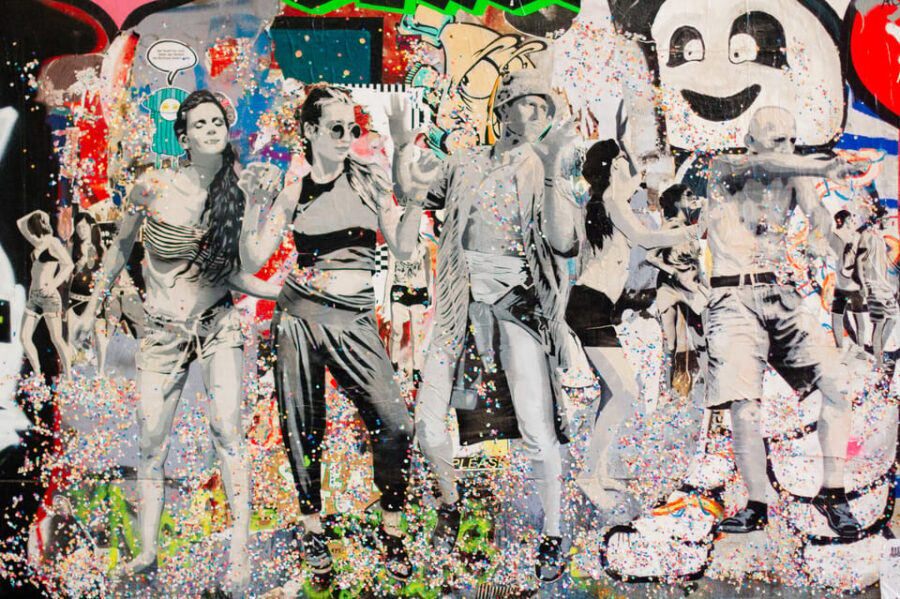
Next is a stop at the smallest cinema in town, known for showing international movies and for its 1970s flair. It’s brief, but it’s a great example of what Berlin does well: it keeps room for odd corners of culture instead of steamrolling everything into something uniform.
This part of the tour feels like a palate cleanser after the big emotional weight of the Wall. The connection isn’t obvious at first, but it’s there. Both are about how a city preserves identity through alternatives—one via street art on concrete, the other via film culture in a small room with old-school style.
If you like travel that turns into personal discovery, this kind of stop can be a highlight. It’s not a “name-brand” attraction, but it tells you how Berlin thinks.
Ending at Boxhagener Platz: Where the Walk Turns Into Hangout Time
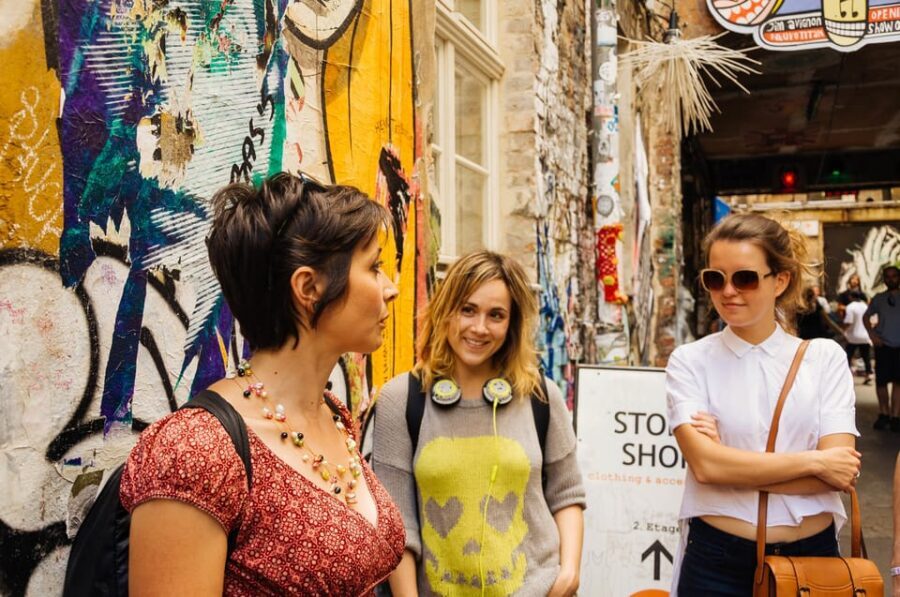
The tour ends at Boxhagener Platz. This is a smart final stop because it shifts you from “guided sightseeing” to “what would I do next?” You’re left in a place where the vibe supports lingering—perfect for grabbing a bite afterward or simply people-watching.
I like ending here because it makes the tour feel less like a checklist and more like a route through a living neighborhood. You can take what you learned—street art politics, alternative spaces, Berlin evening rituals—and test it immediately in the real atmosphere around you.
Price and Value: Is $116 for 3 Hours Worth It?
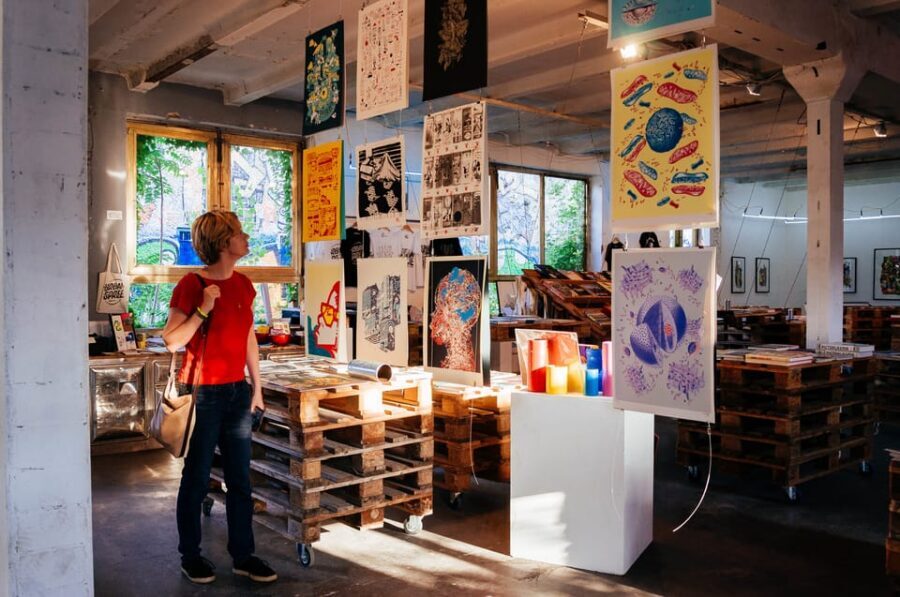
At $116 per person for a 3-hour private-group urban underground tour, you’re paying for a specialized guide and a narrative route, not a big-bus production. The included items are a local guide and 1 subway ticket per person. Drinks and food are on you.
So what makes it good value?
- You’re getting a focused theme: alternative Berlin, street art stories, and neighborhood context.
- You’re moving through several distinct zones that would be harder to connect without interpretation.
- The guide’s stories add meaning, especially around topics like gentrification and artists who use public space as a tool.
Where you should be cautious?
- If your priority is a low-cost experience with included drinks, this won’t match that expectation.
- If you’re picky about pacing and guide style, you’ll want a good fit. One downside signal from past experiences is that some people felt the guide wasn’t as organized as they wanted. That doesn’t mean it’s common, but it is worth noting when you’re paying $116.
In short: it’s a good buy if you want context and a walking route with specific stops. It’s less ideal if you want a casual, drink-included night tour.
Who This Tour Fits Best (And Who Might Want Something Else)
This tour is a strong match if you:
- Love street art that comes with real-world meaning, not just murals for photos
- Want to understand alternative neighborhoods and the tension around change
- Prefer a walking tour that includes short culture stops like the small cinema
You might choose a different option if you:
- Need an itinerary with guaranteed included food or drinks
- Want fewer stops and less walking
- Have mobility limitations. The tour is not suitable for wheelchair users or people with mobility impairments, so plan around that.
How to Get the Most Out of It
Here’s how to make the 3 hours feel like more than 3 hours:
- Take notes on the political themes. The Blu Pink Man story sets up a lens you’ll want for later stops.
- Bring cash or card for the beer garden. The tour’s stated inclusions don’t cover it.
- Keep your camera ready, but slow down for the explanations. The best parts are the story links between works and neighborhoods.
If you treat the tour like a guided way to learn how Berlin argues with itself—through art, space, and community—you’ll get your money’s worth.
Should You Book the Berlin Urban Jungle Tour?
I think you should book this tour if you want an alternative Berlin walkthrough with specific street art connections and neighborhood context that helps you read what you’re seeing. The route hits meaningful stops like Blu’s Pink Man, the East Side Gallery, a beer garden by Urban Spree, and a small cinema with 1970s flair—so you get both the visual and the local interpretation.
I’d skip it if you’re mainly chasing a cheap drink-and-stroll or if you strongly need accessibility accommodations. Also, plan for extra spending for food and drinks; the tour isn’t built around inclusions there.
If you’re ready to walk, observe, and listen for the stories behind the art, this is one of the more thoughtful ways to see Berlin’s less predictable side.
FAQ
Where does the tour start?
You meet your local host in front of Butler’s Gift Shop.
How long is the tour?
The tour lasts 3 hours.
What’s included in the price?
It includes a local guide and 1 subway ticket per person.
Is the tour in English?
Yes, the live tour guide is English.
Do I need to bring anything?
Bring comfortable shoes for walking.
Is it suitable for wheelchair users or people with mobility impairments?
No, it is not suitable for people with mobility impairments or wheelchair users.