REVIEW · BERLIN
Berlin & Sachsenhausen: 5-Hour Tour “Third Reich” by VW-Bus
Book on GetYourGuide →Operated by Terra Incognita Tours · Bookable on GetYourGuide
Nazi Germany feels close here. In just 5 hours, I like how the route links Berlin’s government streets to the Topography of Terror documentation center, then continues to the Sachsenhausen Memorial with a guide who keeps the story clear and human. On private trips, I also like the extra room to ask questions and take breaks when the subject gets heavy, with guides such as Johannes leading in English or German.
One thing to consider: time is tight. The Berlin stops move fairly quickly, and if you want a slower, deeper look—especially inside the memorial areas—this may leave you wanting more.
In This Review
- Key highlights at a glance
- A Five-Hour Route Through Nazi Power Centers
- Wilhelmstraße: Where Propaganda and State Power Lived
- The Topography of Terror: Prison Cells and the Face of the Perpetrators
- Sachsenhausen Memorial by VW Bus: From Offices to a Camp System
- Private Group Comfort: Space, Pace, and Real-Time Questions
- Price and Value: $448 Per Group Up to 2
- What to Bring So You Can Focus on the Sites
- Should You Book This Third Reich Tour?
- FAQ
- How long is the Berlin and Sachsenhausen tour?
- What sites are included in the tour?
- Do I get hotel pickup and drop-off?
- What languages is the guide available in?
- Is the tour wheelchair accessible?
- Is food included in the tour price?
- Can I cancel for a full refund?
Key highlights at a glance
- Wilhelmstraße power sites: walk the government district tied to propaganda, labor policy, and high-level repression
- Topography of Terror: permanent exhibition plus remnants of prison cells from the former Gestapo/SS system
- A clear Nazi timeline: from 30 January 1933 to planning connected to the Final Solution under Göring
- Sachsenhausen Memorial in Oranienburg: a major camp close to Berlin used for training and inspection
- Air-conditioned private comfort: travel in a clean VW bus with space, plus hotel pickup within 10 km of Brandenburg Gate
A Five-Hour Route Through Nazi Power Centers
This tour is built like a chain: government buildings in Berlin connect directly to the machinery of terror, and then you cross to a real camp system at Sachsenhausen in Oranienburg. If your goal is to understand not just events, but how an ideology became bureaucracy and then became violence, the structure helps.
You’ll start in central Berlin and spend your time walking key stretches of Wilhelmstraße—where the Nazi state ran on offices, ministries, and coordinated messaging. Then you move to the Topography of Terror documentation center, which matters because it turns many scattered facts into one place where you can see the perpetrators, the organizations involved, and what happened inside the prison system. Finally, you go to Sachsenhausen Memorial, where the story stops being abstract.
The pacing is one of the big trade-offs. Five hours is enough to get oriented and connect the dots, but it’s not enough for everyone to absorb every detail at Sachsenhausen without rushing. If you’re the type who reads every sign slowly and wants to linger, plan to treat this as a strong first pass and then consider adding extra time on your own afterward.
You can also read our reviews of more tours and experiences in Berlin.
Wilhelmstraße: Where Propaganda and State Power Lived
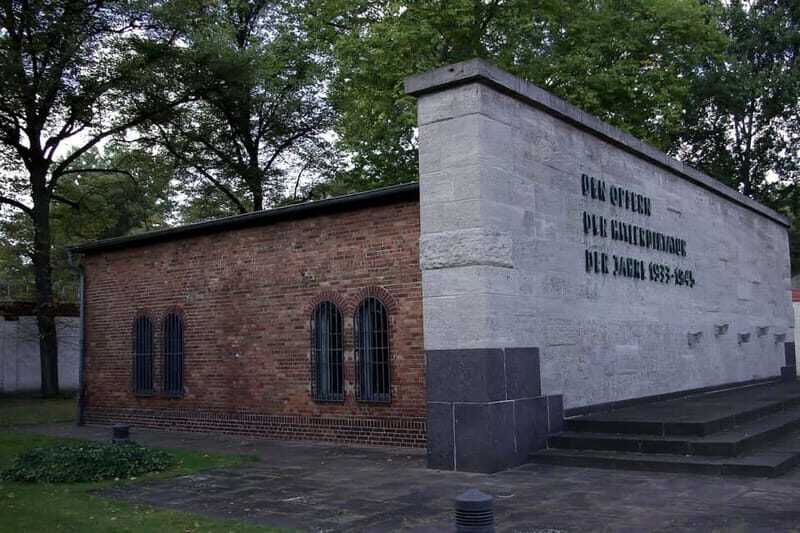
Wilhelmstraße is one of those Berlin areas where the architecture and the administrative grid give you a sense of how power liked to organize itself. You’ll travel down the street and focus on the Nazi-era government district, rebuilt rapidly in the 1930s. That quick rebuilding is a useful clue: the regime didn’t wait around—it moved fast to remake institutions.
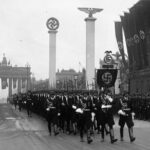
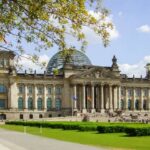
As you walk from Brandenburg Gate toward Platz des Volksaufstandes 1953, you’ll follow the footsteps of major staged moments, including a torchlight procession led by Hitler on 30 January 1933 as the regime took hold of the Reich Chancellery. You’ll also stop at places tied to names you’ve seen in history books—then see how those names map onto real blocks and addresses.
A few stops in this Berlin stretch are especially meaningful because they show how the Nazi state worked across different functions:
- The German Ministry for Consumer Protection, linked here to Konrad Adenauer having an official residence and spending more than a month hiding from the Nazis.
- The Federal Ministry of Labor, connected to the space where the Ministry of Propaganda (Joseph Goebbels’s world) was housed.
- The monument to Georg Elser, tied to the failed assassination attempt at the Bürgerbräukeller in Munich.
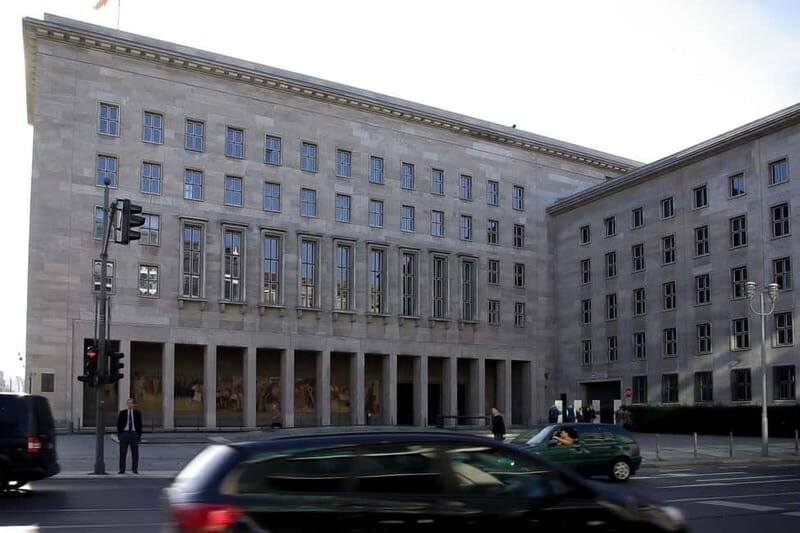
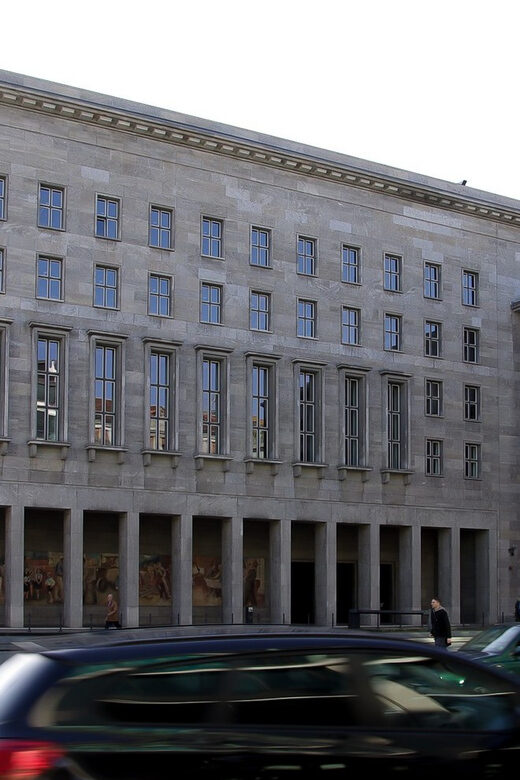
Then there’s the Reich Air Ministry at Platz des Volksaufstandes 1953. The tour connects this site to the pre-Wannsee planning stage for the Final Solution, led by Hermann Göring. Even if you already know the larger story, having it linked to a physical location helps you grasp the cold bureaucratic nature of what followed.
A practical tip: wear comfortable shoes. The value of this first half is in the walking and the way the guide connects buildings to systems. If your feet are tired, the story won’t land as well.
The Topography of Terror: Prison Cells and the Face of the Perpetrators
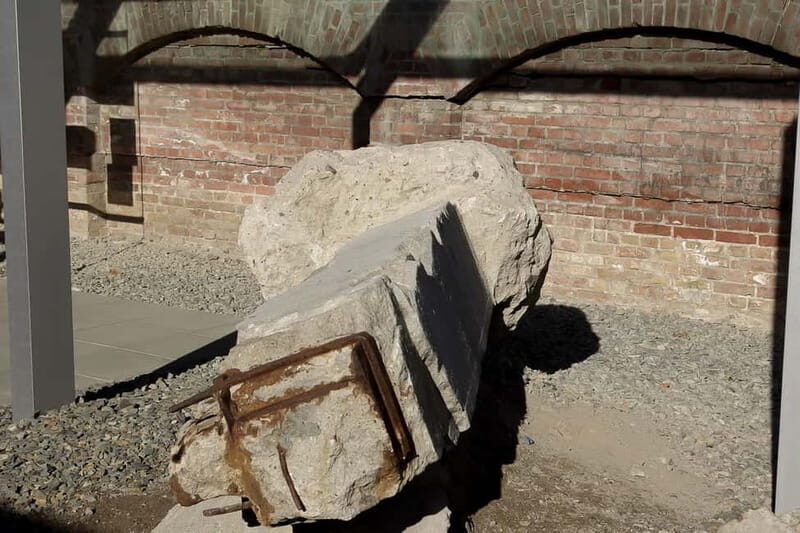
After Wilhelmstraße, you shift into a documentation space designed to make you understand mechanisms, not just dates. The Topography of Terror is powerful because it doesn’t only talk about victims; it explains the structures behind oppression—Gestapo, SS, and the Reich Security Head Office are all part of the permanent exhibition you’ll be able to see.
One detail I really appreciate is that you can see remnants of the cells at the infamous prison house. That small physical trace changes the feel of the tour. It’s harder to treat history like a textbook when you can stand in the space where confinement happened.
In a short tour, the goal here shouldn’t be to read every panel. Instead, you’ll get the big frame: how the Nazi terror system was organized, who ran parts of it, and how that organization made violence possible at scale. Your guide’s role is to keep you oriented—what the building system was, which organizations mattered, and how the Berlin story connects to what you’ll see next in Oranienburg.
If you’re traveling with teens, this section is often the best “bridge.” It’s concrete enough for younger minds and serious enough to avoid fluff. If you’re sensitive to heavy topics, give yourself permission to pause. Private group format helps because you’re not stuck keeping up with a crowd.
Sachsenhausen Memorial by VW Bus: From Offices to a Camp System
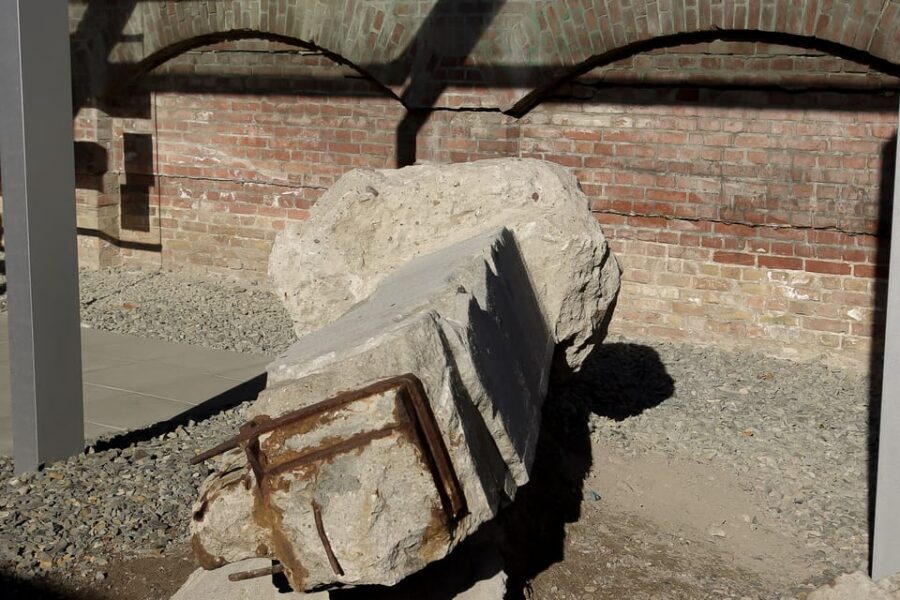
Then the tour changes gears. You ride in an air-conditioned VW bus to Oranienburg. This matters more than it sounds: Sachsenhausen isn’t in the middle of Berlin, so a comfortable ride keeps your energy for the memorial visit itself.
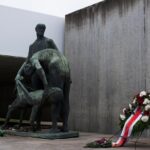
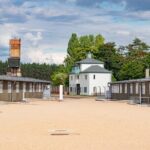
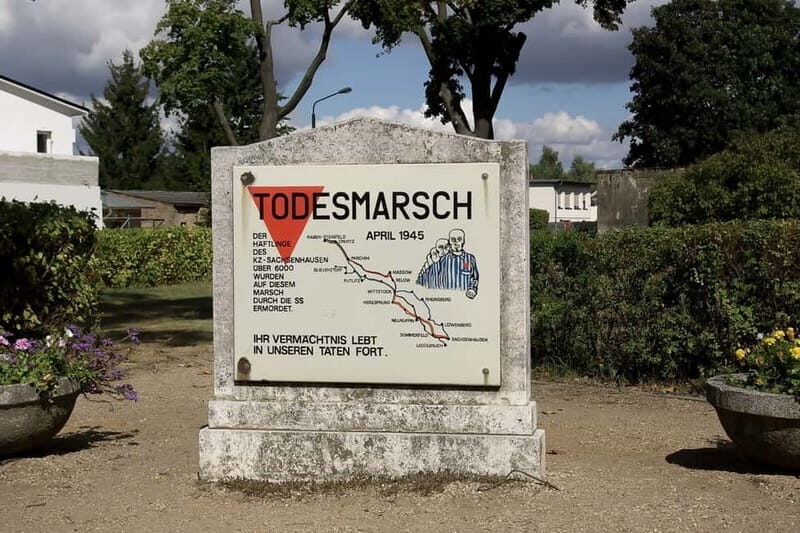
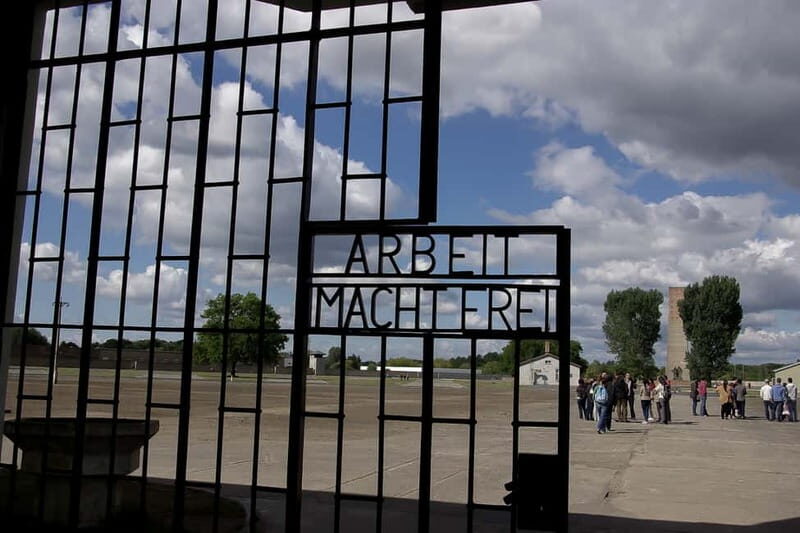
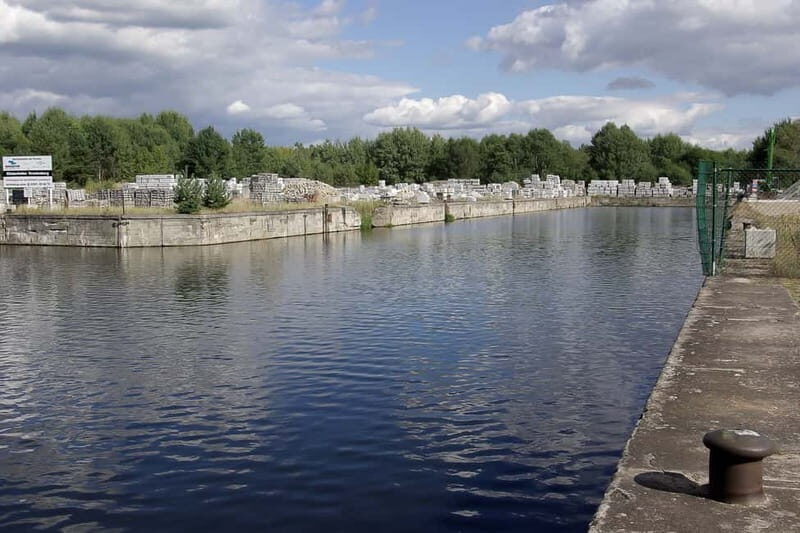
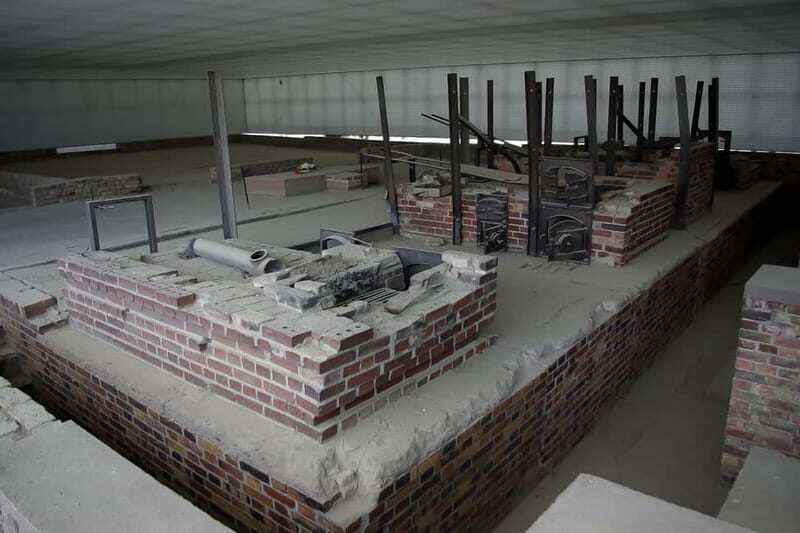
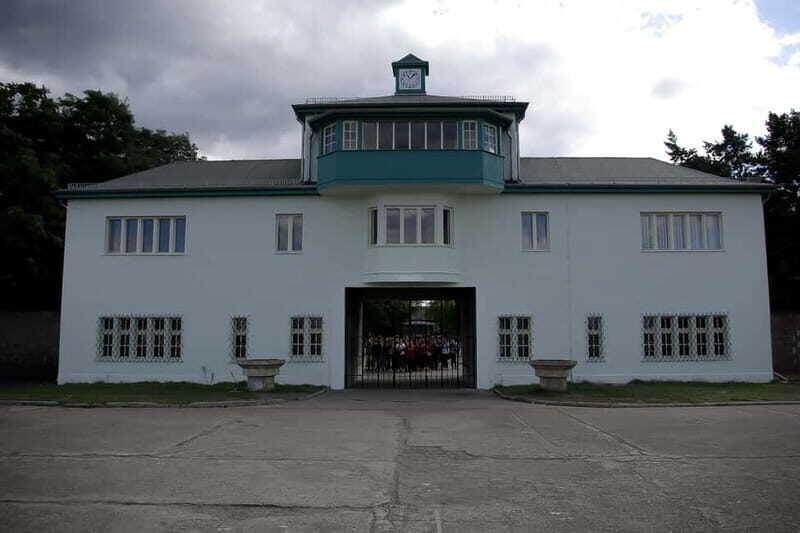
Once you arrive at the Sachsenhausen Memorial, the focus becomes how the camp system functioned as part of the Nazi administrative machine. The tour highlights that Sachsenhausen played a significant role as a model and training camp because it was close to Berlin. It was also described here as an official residence for all camp inspectors. That combination—distance from the capital plus a role for training and inspection—helps explain why camps weren’t just “remote sites.” They were part of a managed system.
The guide-led time is where you’ll get the most value. A concentration camp can be overwhelming to navigate on your own, and the tour structure helps you understand what you’re looking at and why it matters. Even if you already know the basics, a good guide turns scattered facts into a clearer picture of how prisoners were processed, controlled, and used within the system.
One consideration from past experience: some visitors wish they had more time at the camp. That makes sense. The site is expansive, and the emotional impact doesn’t follow a stopwatch. If this tour is your only time for Sachsenhausen, plan a slow pace on your own afterward in nearby areas so you’re not forced to jump out right away and mentally pack everything away.
Private Group Comfort: Space, Pace, and Real-Time Questions
This is a private group tour, which changes the whole feel. You’re not just paying for a vehicle; you’re paying for flexibility. In practice, that means:
- You can ask questions without worrying about slowing down strangers.
- The guide can adjust pacing if something lands strongly—or if someone needs a calmer moment.
- If mobility is a factor, the tour is listed as wheelchair accessible, and that can make the difference between managing the day and constantly worrying about logistics.
Guides named for this experience include Johannes, who is described in past bookings as engaging and attentive, with a special ability to work with teenagers by answering questions in a way that makes the history feel understandable. Another guide mentioned is Herr Westerkamp, noted for approaching the sensitive topic with careful empathy and expertise.
As for the vehicle, the VW bus is described as clean with plenty of space. That’s the kind of small detail that matters on a five-hour run, especially when you’re going from walking blocks in Berlin to an outdoor memorial visit where you’ll want your focus ready.
Price and Value: $448 Per Group Up to 2
At $448 per group for up to two people, this tour is priced like a private experience. To judge value, look at what’s included and how much of your day it saves:
- Hotel pickup and drop-off within 10 km of Brandenburg Gate
- Air-conditioned transport to Oranienburg in a VW bus
- A guide for Sachsenhausen concentration camp
- A guided Berlin route across several significant sites, including Topography of Terror
If you’re traveling as a couple or with one close companion, the per-person cost often feels more reasonable than typical per-person tours, because the price covers the group size cap. If you’re solo, it may feel steeper, but you still get the main advantages: pickup, private pacing, and a guided approach at both Berlin and Sachsenhausen.
One more value point: food isn’t included. That’s not a deal-breaker, but it does mean you should plan your timing. If you show up hungry, you’ll lose attention during the most important parts of the morning or afternoon.
What to Bring So You Can Focus on the Sites
Because food and drink aren’t included, you should think about small comfort items and timing:
- Bring water, especially if the weather is warm.
- Wear shoes you can stand and walk in for extended stretches.
- If you’re sensitive to the topic, consider taking a small break strategy—water, a sit-down moment, and a quick check-in with your group.
Also, prepare mentally. This tour deals with Nazi terror and the systems behind it. The best way to get value is to give yourself time to absorb, not just to “complete” the route.
Should You Book This Third Reich Tour?
Book it if you want a structured, guided connection between Berlin’s Nazi power centers and the reality of a major camp system at Sachsenhausen. It’s especially well-suited to couples, families with older kids, and anyone who values thoughtful explanations and the ability to ask questions in real time.
Skip or supplement it if you need a slower pace at Sachsenhausen or you know you’ll want extra time reading and walking without a tight schedule. In that case, you can still do this tour for orientation, then add independent time afterward to go at your own speed.
If you choose just one “first look” tour that ties the dots across locations and explains how the machinery worked, this one is a strong fit.
FAQ
How long is the Berlin and Sachsenhausen tour?
The tour lasts 5 hours.
What sites are included in the tour?
You’ll visit Wilhelmstraße and related historic sites in Berlin, the Topography of Terror documentation center, and then the Sachsenhausen concentration camp memorial in Oranienburg.
Do I get hotel pickup and drop-off?
Yes. Pickup and drop-off are included for hotels within 10 kilometers of Brandenburg Gate in Berlin.
What languages is the guide available in?
The live tour guide is available in English and German.
Is the tour wheelchair accessible?
Yes, the tour is listed as wheelchair accessible.
Is food included in the tour price?
No. Food and drink are not included, so you’ll want to plan accordingly.
Can I cancel for a full refund?
Yes. Free cancellation is available up to 24 hours in advance for a full refund.