REVIEW · BERLIN
Alternative tour of Berlin in Spanish
Book on GetYourGuide →Operated by CULTURE AND TOURING SL · Bookable on GetYourGuide
Berlin’s alternative side starts at the gate. I love the sharp focus on Oranienburger Straße and the art nouveau calm of Hackesche Höfe, both of which make the city feel bigger and stranger in the best way. One thing to consider: this tour runs at a quick pace, so comfy shoes matter.
You meet near Pariser Platz and start in the 3:00 pm window, with a Spanish-speaking guide who keeps the history and street-level details clear and organized. You’ll finish at the East Side Gallery, so you get a practical route that ends right where many people want to spend more time anyway.
In This Review
- Key highlights at a glance
- Starting Point at Pariser Platz: The Right Moment to Learn Berlin
- Oranienburger Straße and Hackesche Höfe: Where Berlin Gets Personal
- Kreuzberg Through Kotti District: Punk, Turkish Hip Hop, and Halal Choices
- Astronaut Cosmonaut (Victor Ash) and Street Art After War
- Bethaniendamm and Baumhaus: A Sustainable Stop in the Middle of the City
- Kopi District and Yaam Market: Punk Politics Meets African Food
- End at East Side Gallery: Finish Where You’ll Want to Slow Down
- Price and Logistics for a 3-Hour Alternative Berlin Walk
- Who This Tour Fits Best (and Who Might Want Something Else)
- Should You Book This Alternative Berlin Tour?
- FAQ
- What language is the guide?
- How long is the tour?
- Where do we meet?
- What time does the tour start?
- Where does the tour end?
- Is a public transportation ticket included?
- Is the tour wheelchair accessible?
Key highlights at a glance
- Oranienburger Straße: walk a street tied to Berlin’s Jewish community in the late 19th and early 20th centuries
- Hackesche Höfe: see the art nouveau courtyard complex up close
- Kreuzberg and Kotti district: punk bars, club atmosphere, and strong multicultural food
- Victor Ash’s Astronaut Cosmonaut graffiti: urban art with an unexpected link to war
- Kopi district + Yaam market: punk/anarchism/Marxism vibes and African food stalls, with a possible live reggae set
Starting Point at Pariser Platz: The Right Moment to Learn Berlin
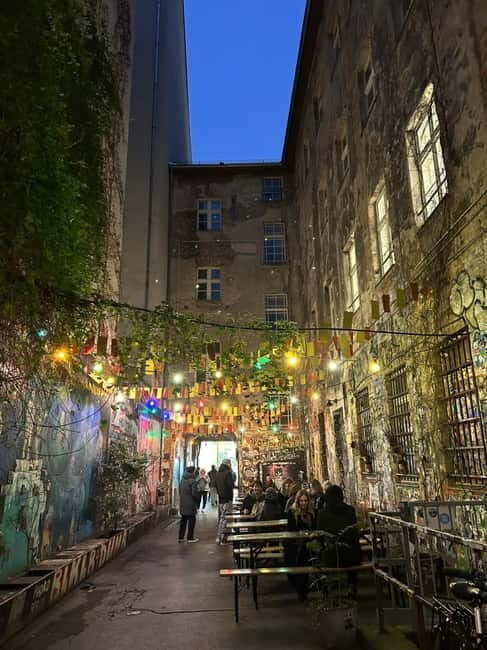
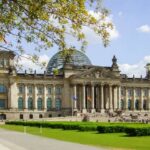
This alternative Berlin walk is designed for people who don’t just want the “postcard Berlin” version. The meeting point is Pariser Platz, in front of the Academy of Arts. You start at 3:00 pm, in the same general area as the Brandenburg Gate, so you get orientation from the first minute.
Starting here helps you understand Berlin’s layout quickly. Brandenburg Gate isn’t just a photo stop. It’s a useful geographic anchor for grasping how neighborhoods and borders shifted over time. From your guide, you should expect an approach that mixes street observations with context—why a block looks the way it does, and what people once used those spaces for.
The Spanish guide format matters, too. Even if your German is limited, you can follow the tour smoothly, including neighborhood references that can otherwise be hard to decode on your own. And since the tour lasts 3 hours, the tempo is deliberate: you cover a lot without doing the “run-and-gasp” thing you often get with longer city walks.
You can also read our reviews of more tours and experiences in Berlin.


Oranienburger Straße and Hackesche Höfe: Where Berlin Gets Personal
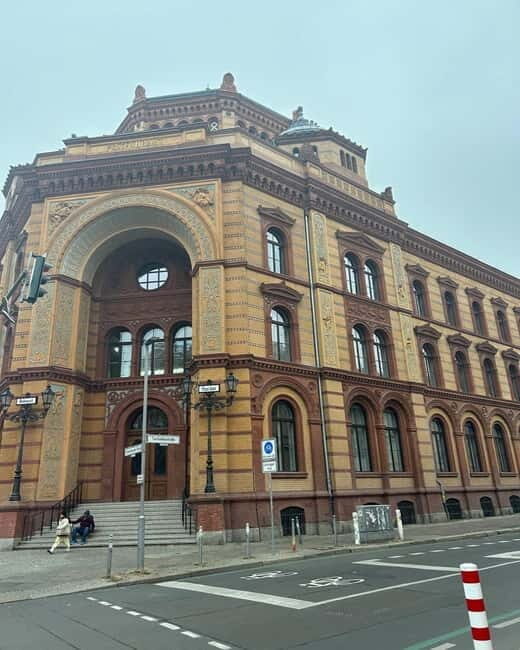
The first stretch takes you along Oranienburger Straße, a street known for its Jewish presence in the late 19th and early 20th centuries. What I like about this segment is that it’s not treated as a museum lesson. You’re outside, walking, seeing the street as an everyday space while the guide explains the layers that used to define it.
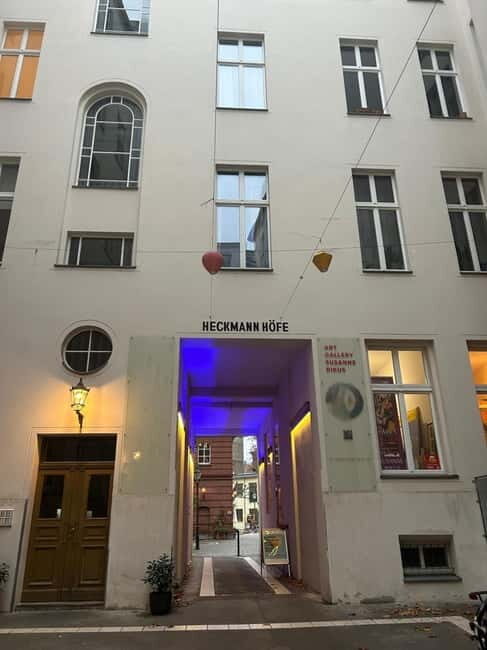
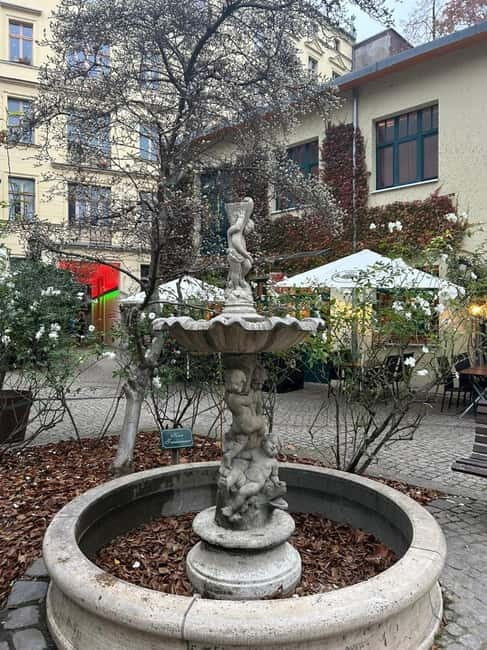
Then you move to Hackesche Höfe, the famous art nouveau courtyard complex. This is one of those Berlin stops where the architecture changes how you feel. The courtyards create an in-between world—less open-street, more shaded passageways and inner spaces—so you get a break from the noise without leaving the city.
Practical note: courtyards can involve short detours and walking through passages. Wear shoes that work on sidewalks and uneven surfaces. Also, if you’re the type who likes looking up at buildings, this is a good section to slow down for a minute and take in details between group directions.
Kreuzberg Through Kotti District: Punk, Turkish Hip Hop, and Halal Choices
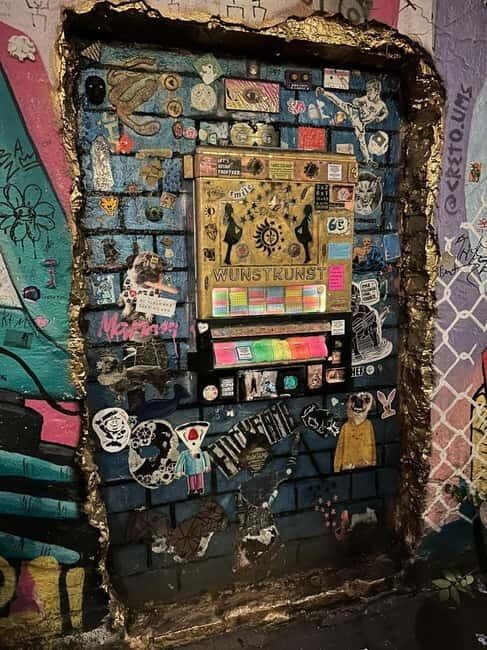
Next comes Kreuzberg, with a stop through the Kotti district area, where Berlin’s alternative scene overlaps with everyday multicultural life. You’ll pick up the mood here fast: punk bars, club energy, and a food scene that includes excellent halal options.
One specific detail that makes this segment worth paying attention to is the reference to Turkish hip hop being born in this neighborhood. That’s the kind of fact that turns graffiti, posters, and street sounds into something with meaning. You start noticing how culture moves through communities—how music, politics, and youth scenes share the same streets.
This part also helps you avoid a common trap when visiting Kreuzberg: thinking it’s only about nightlife. You’re seeing it as a living neighborhood with identity, not just a place to party. If you want a Berlin that feels human and current, this is where it shows up.
Astronaut Cosmonaut (Victor Ash) and Street Art After War
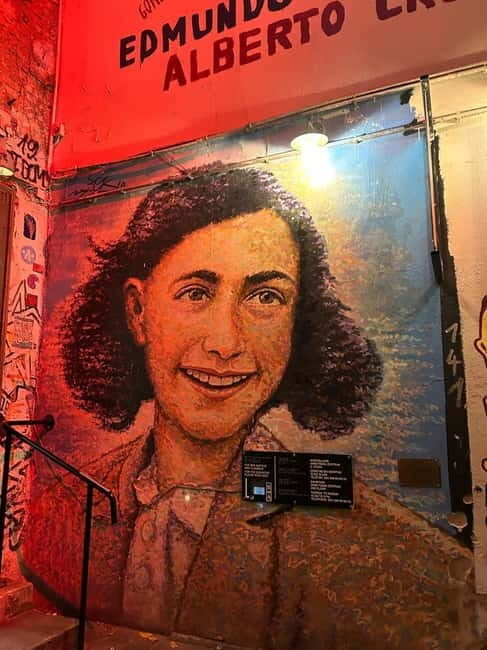
In Kreuzberg, the tour introduces you to urban art, including Astronaut Cosmonaut by Victor Ash. The key point isn’t just that it’s a striking mural. The interesting twist is its relationship to war—something surprising enough that it stops you from treating street art as decoration only.
This is a smart move in the route. Berlin street art can be easy to oversimplify. One minute it looks like style, the next minute it reads like a message. Here, the guide helps you connect visual impact to historical weight, while still keeping it grounded in what you can see right in front of you.
You’ll also continue through lively streets such as Oranienstraße, a place favored by younger people. That matters because it tells you the neighborhood isn’t stuck in one era. You’ll feel the constant mix of old and new, with art acting like a bridge between generations.
Bethaniendamm and Baumhaus: A Sustainable Stop in the Middle of the City
After the heavier context of the street art, the tour shifts to something that feels calmer but still relevant: Bethaniendamm and then Baumhaus, a sustainable space in the heart of the capital.
What I like about this segment is the way it balances “why Berlin looks like Berlin” with “how people are responding now.” Sustainable spaces can sound abstract, but on foot you can feel the difference in vibe. Even without zoning-level detail, it’s a sign that alternative ideas aren’t only about protest posters—they also show up in how people build and use community places.
Bethaniendamm is a charming walking stretch that helps you reset your brain between louder cultural stops. If you tend to get mentally overloaded on city walks, these quiet stretches are a real value. They keep the tour from feeling like a sprint through headlines.
Kopi District and Yaam Market: Punk Politics Meets African Food
The last big personality cluster comes from the Kopi district, where punk culture, anarchism, and Marxism converge. This is one of those moments where Berlin’s alternative reputation becomes specific, not vague. The guide frames the neighborhood as a place where political beliefs and street identity overlap.
Then you head toward Yaam market, where you can explore African food stalls. This is a practical payoff: by this point in the walk, you’ll likely be hungry, and Yaam gives you something real to do with that energy. If you’re lucky, you may even catch a live reggae concert.
Even if you don’t land on live music, Yaam is still useful as a final “taste of the neighborhood” moment. It’s not just sightseeing; it’s a chance to check out how street culture shows up through food and informal performances.
End at East Side Gallery: Finish Where You’ll Want to Slow Down
The tour ends at the East Side Gallery, which is a good finish because it’s both a landmark and a flexible hangout. After the structured 3-hour walk, you’re not forced to leave the area immediately. You can decide to keep looking, take photos, or read plaques at your own pace.
This finish also makes route sense. When tours end in a far-off spot, you often scramble to get back to where you’re staying. Ending in this central corridor is practical, especially if you plan to spend the rest of the afternoon exploring nearby.
Price and Logistics for a 3-Hour Alternative Berlin Walk
The price is $23 per person for a 3-hour guided experience in Spanish, with the guide included. For Berlin, this is solid value if you want structure and context without paying for a full-day trip.
Two logistics points affect the real cost:
- Public transport ticket is not included. You’ll need an AB zones ticket, listed at 7 € per person. If you’re planning to use transit during the route, budget this in.
- Some tour content may appear in the original language on site (signs, text, or references). Since the guide is Spanish, you should be fine overall, but keep this in mind if you’re sensitive to language mixing.
Also, plan for walking. The tour is described as intense and at a fast pace, so don’t schedule it right after a long travel day.
Who This Tour Fits Best (and Who Might Want Something Else)
This alternative Berlin tour is ideal if you want:
- a guided walk focused on neighborhood identity rather than only monuments
- Spanish commentary with a route that connects architecture, politics, and street culture
- a finish at East Side Gallery so you can continue independently
It may be less ideal if you prefer slow, sit-down sightseeing, or if you have limited stamina for continuous walking. The value is in the intensity, not in lingering.
Should You Book This Alternative Berlin Tour?
I’d book it if you want Berlin to feel like it has edges—history you can walk through, street art with meaning, and neighborhoods that still host real creative scenes. The combination of Hackesche Höfe, Kotti/Kreuzberg culture, and an ending at East Side Gallery gives you a satisfying arc in just 3 hours, which is great if your days are packed.
If you’re on a tight schedule, bring comfortable shoes and budget for the AB zones transit ticket. If you do that, this tour is a strong way to understand a side of Berlin that most standard walks skip.
FAQ
What language is the guide?
The tour is guided in Spanish.
How long is the tour?
The duration is 3 hours.
Where do we meet?
You meet at Pariser Platz, in front of the Academy of Arts.
What time does the tour start?
The tour starts at 3:00 pm.
Where does the tour end?
The tour finishes at the East Side Gallery.
Is a public transportation ticket included?
No. You need an AB zones public transport ticket, listed at 7 € per person.
Is the tour wheelchair accessible?
Yes, the tour is wheelchair accessible.