REVIEW · ESSEN
Adventure Darkness – Guided tour in the dark
Book on GetYourGuide →Operated by Stockfinster · Bookable on GetYourGuide
Stepping into a dark room changes everything fast. In the Ruhr Area, Adventure Darkness uses blind or severely visually impaired guides to lead you through themed adventure spaces where you rely on your other senses, not your eyes. I love the way this tour builds a brand-new world out of smell, sound, and touch, and I also like the small group setup that keeps the experience personal even when you’re nervous and new to the dark.
The main drawback to weigh is comfort with sensory focus. This is a sound-and-haptics-heavy experience, and it may not feel right if you get overwhelmed by noise or tactile situations. Also, the tour is listed as wheelchair accessible, but it states it’s not suitable for wheelchair users, so you’ll want to check carefully before you book if mobility is part of your plan.
In This Review
- Key things that make this tour special
- What 90 minutes of total darkness is actually like
- Your guides: long cane leadership and real inclusion
- How the dark rooms recreate real-life challenges
- The senses you’ll rely on (and why your brain reacts strongly)
- The dark bar: conversation time after the rooms
- Price and value: what $21 buys you in real terms
- What to know before you go: rules that keep the magic working
- Group size and timing: why this tour feels personal
- Who should book Adventure Darkness (and who should skip it)
- Should you book Adventure Darkness?
- FAQ
- How long is the Adventure Darkness guided tour?
- Where does the tour take place?
- How many people are in a group?
- What language is the tour guide?
- What happens after about 60 minutes?
- What is the price?
- Are cameras or phones allowed?
- Is this tour suitable for children?
- Is it wheelchair accessible?
- What do I need to show on arrival?
Key things that make this tour special
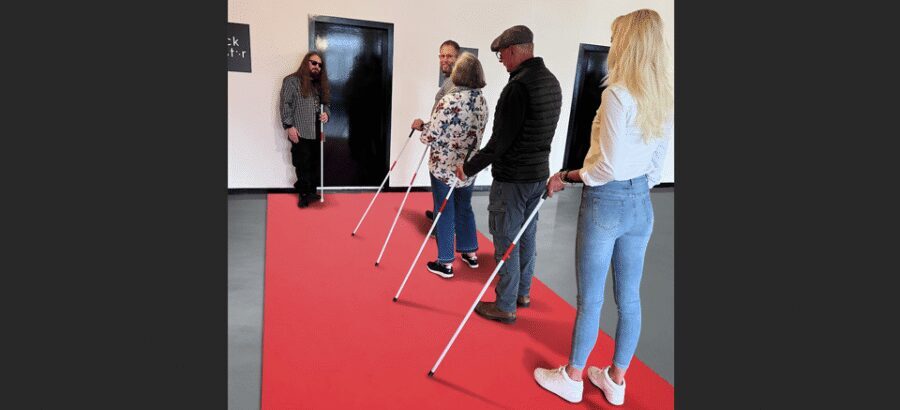
- Guided-in-the-dark rooms led by blind or severely visually impaired guides using a long cane
- Everyday moments recreated (like crossing a road or sporting challenges) so inclusion isn’t just a talk
- You focus on touch, sound, smell, and taste because sight is removed on purpose
- Small group of up to 8 for more hands-on guidance and less waiting
- Dark bar after about 60 minutes to decompress and chat with your guide
- No tech distractions: cameras, flashlights, and cellphones are not allowed
What 90 minutes of total darkness is actually like
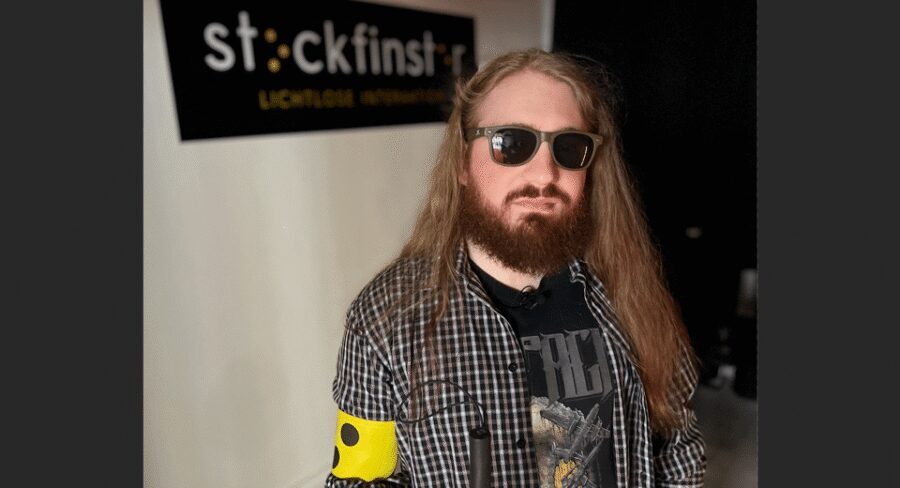
Adventure Darkness, run by Stockfinster in Germany’s Ruhr Area, is simple on paper: you enter themed rooms where it’s completely dark, guided by someone who is blind or severely visually impaired. The whole point is that your brain can’t use visual shortcuts, so your other senses get put in charge.
What I like about this design is that it’s not just about scaring you with darkness. It turns darkness into a learning tool. You’re addressed haptically and auditorily first, then you start noticing smells and tastes in a way you probably haven’t paid attention to since childhood.
The pace is structured. You’ll spend about an hour moving through the dark adventure rooms. Then you reach the dark bar for a conversation with your guide over a drink, plus time to reflect on what you just experienced. After that, the tour wraps up as a complete arc rather than a one-off stunt.
You can also read our reviews of more tours and experiences in Essen.
Your guides: long cane leadership and real inclusion
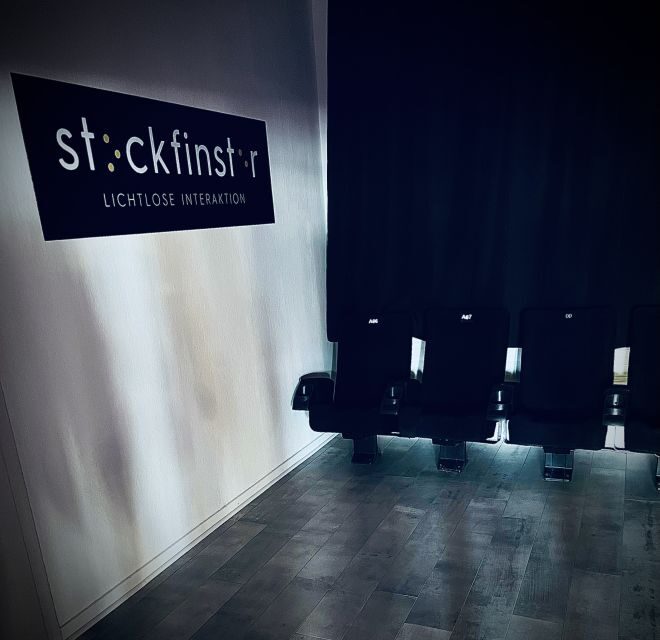
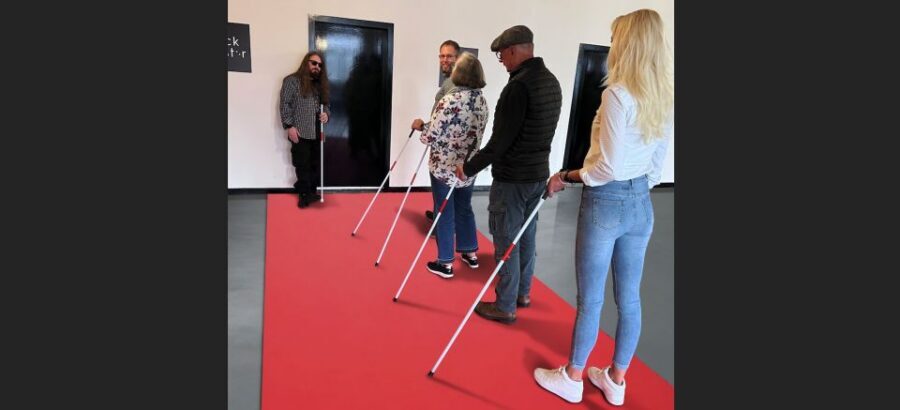
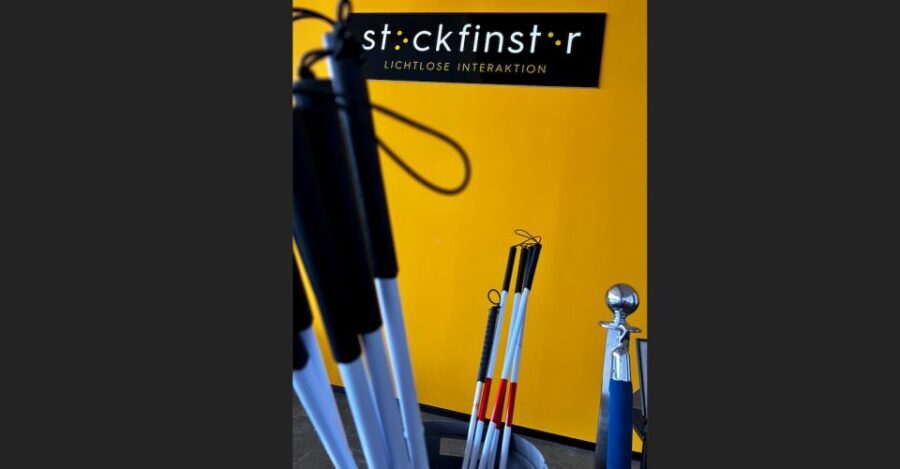
A big part of why this tour works is the way the guides move you through the experience. You’ll be led by blind or severely visually impaired guides who use a long cane. That detail matters. The cane is not a prop for show. It’s part of how the guide reads space and keeps things safe in a world without sight.
The guides also shape the tone of the tour. One review highlighted a guide named Florian as especially effective and personable. That matches what you’re looking for here: clear guidance, calm confidence, and enough interaction to help you understand what you’re doing and why.
Inclusion gets handled in a hands-on way. You’re not asked to feel sorry for anyone, and you’re not forced into awkward roleplay. Instead, you get guided through situations that resemble everyday challenges, like navigating obstacles or crossing a road in the dark.
How the dark rooms recreate real-life challenges
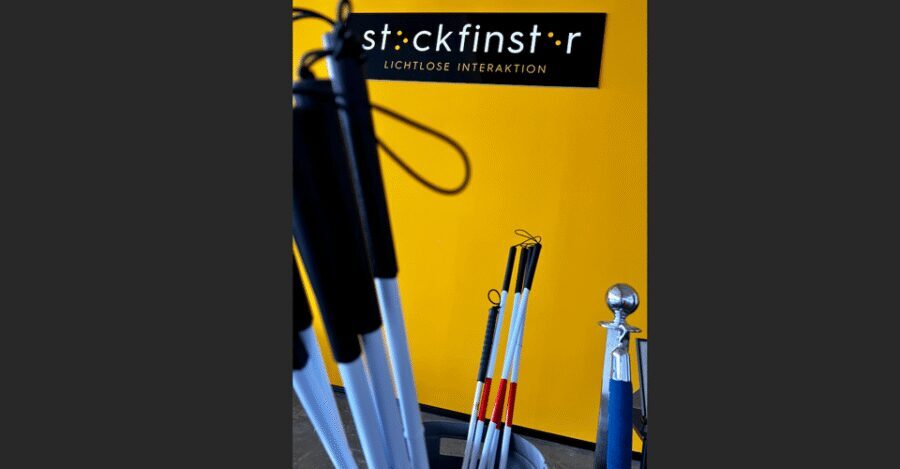
Inside the dark rooms, you can expect scenarios that feel familiar but work in a different sensory order. The tour is built around both everyday situations and special experiences, so you don’t just wander in silence. You’re given tasks and cues, often through touch and sound.
Examples you should expect include:
- A sporting challenge (how you handle it depends on your senses, not your vision)
- Crossing a road as a recreated scenario, where the sound design and instructions guide your decisions
- Other themed moments that rely on haptics (what you can feel) and audios (what you can hear)
Here’s a practical way to think about it: you’re training your brain to make sense of the world using what it usually ignores. When sight disappears, your body starts doing extra work. That’s uncomfortable for some people at first, and it’s also where the learning happens.
One consideration from past visitors: the road-situation soundscape may not always hit perfectly. If you’re very sensitive to audio cues, it can matter, because your confidence in the scenario often depends on clear sound signals. Still, the overall format remains the same: you’re guided, and the experience is structured to keep you moving.
The senses you’ll rely on (and why your brain reacts strongly)
In darkness, your brain stops getting visual input, so it compensates. That’s why the tour emphasizes targeted stimuli. You’re mainly addressed haptically and auditorily, but it also includes olfactory (smell) and taste elements.
This is one of the most valuable parts for visitors. You don’t just learn facts about visual impairment. You experience how information can be communicated through other channels, which is exactly what inclusion requires in daily life: alternative ways to navigate, understand, and participate.
You’ll probably notice a few things right away:
- Small sounds feel louder and more meaningful
- Touch becomes a map, not just a sensation
- Smell cues can feel surprisingly specific
- Taste shows up as a reward or marker at certain moments (especially after the main dark portion)
The experience is also paced so you’re not guessing constantly. You get guidance, and you learn by doing. That’s a big reason the tour scores well with people who want a “try it” kind of understanding instead of a lecture.
The dark bar: conversation time after the rooms
About 60 minutes into the experience, you arrive at the dark bar. This is a smart design choice. You’ve spent an hour concentrating in sensory mode. Then you shift gears to talk.
What makes this part special is that you can chat with your guide while you’re still in the dark setting. You’ll have options like fritz-kola, coffee, or a cold beer. That drink menu sounds casual, but it supports a deeper goal: reflection.
This is where I think the tour becomes more than a novelty. The guide can explain what you might have missed, why certain cues were used, and what it’s like to live and move without sight. Past visitors especially liked the chance to talk through the experience rather than just exit and forget it.
If you go with friends, this is also your chance to compare reactions. One person might have focused on touch more. Another might have felt sound cues worked better. You’ll learn how different brains adapt to the same darkness.
Price and value: what $21 buys you in real terms
At about $21 per person for a 1.5-hour experience, Adventure Darkness sits in the “surprisingly fair” category for an activity with specialized guides and a full setup. You’re not paying for a view. You’re paying for an experience built around trained guidance, controlled environments, and a structured sensory program.
Here’s what that price means in practice:
- You get a small-group tour limited to 8 participants, so you’re less likely to feel like a number.
- You spend 90 minutes in the dark as part of a longer 1.5-hour total slot, so it feels like you’re getting time, not rushing.
- You get a guided conversation at the dark bar, which turns the event into a complete loop: do, feel, talk, reflect.
Also, the tour offers reserve now and pay later, which can lower stress when you’re juggling a Ruhr Area itinerary. If your schedule is still flexible, you’ll like having that option.
What to know before you go: rules that keep the magic working
Darkness is fun until it gets chaotic. That’s why the tour has clear rules.
You should plan to leave these items behind or keep them out during the activity:
- Cameras
- Jewelry
- Flashlights
- Cellphones
Those rules aren’t random. In total darkness, any bright screen, light, or distracting object can break the effect and make it harder for the guide to manage safety and flow. Jewelry also matters because you’ll be using touch constantly, and the tour needs you to interact comfortably.
A few other practical tips:
- Wear something you can move in. Your hands and feet do more work than usual.
- Expect to follow instructions closely. In the dark, confidence comes from clarity, not guessing.
- If you’re photos-and-memories dependent, accept that you won’t be able to film or snap pictures. The real “souvenir” is how you remember the sensory tasks.
Language is German for the live tour guide, so if your German is basic, go ready to rely on gestures and the guide’s pacing.
Group size and timing: why this tour feels personal
This is a small group experience capped at 8 participants. In a setting where you can’t see, group size isn’t just a comfort detail. It affects how safely and smoothly everyone moves through rooms and how much time the guide can spend with each person.
Timing is also straightforward. The full slot is about 1.5 hours, and you’ll reach the dark bar after roughly 60 minutes. That means you can fit it into a day in the Ruhr Area without needing an all-day commitment.
The guide attention is part of why the experience lands well for first-timers. You’re not pushed to figure it out alone, and you’re not stuck waiting for other people to catch up.
Who should book Adventure Darkness (and who should skip it)
This tour is best for adults and for curious visitors who want to understand inclusion through experience, not a slideshow.
You’ll likely enjoy it if:
- You like hands-on challenges and want to learn by doing
- You’re open to a sensory-focused environment
- You care about disability awareness in a real-world way
It’s not suitable for children under 5. The tour also says it’s not suitable for wheelchair users, even though it’s listed as wheelchair accessible. That conflict is important. If you use a wheelchair, don’t assume it will work the way you expect. Contact the provider or check details early so you don’t end up disappointed on the day.
If you’re prone to panic in low-stimulation environments, this is also not a “relax and wander” type of experience. Plan for focus. You’ll be guided, but the whole premise is that sight is removed.
Should you book Adventure Darkness?
I’d book Adventure Darkness if you want an unusual, meaningful activity in the Ruhr Area that actually teaches you something you can carry into daily life. The format is strong: long-cane guided movement, recreated scenarios like crossing a road, and the dark bar conversation where the experience turns into understanding.
Skip it if:
- You can’t handle sensory stress
- You need to use a camera or flashlight during activities
- You’re considering it for a child under 5
- You’re a wheelchair user and need strong confirmation that it truly fits your situation
If you fit the sweet spot, this is the kind of tour that stays with you longer than most paid attractions. Darkness can feel scary for a minute. Then it becomes a lesson in how humans navigate, communicate, and adapt.
FAQ
How long is the Adventure Darkness guided tour?
The tour duration is listed as 1.5 hours, with 90 minutes stated for the tour in the dark.
Where does the tour take place?
It takes place in Germany’s Ruhr Area.
How many people are in a group?
The group is limited to 8 participants.
What language is the tour guide?
The live tour guide language is German.
What happens after about 60 minutes?
After about 60 minutes, you arrive at the dark bar to chat with your guide over a drink and reflect on the experience.
What is the price?
The price is listed as $21 per person.
Are cameras or phones allowed?
No. Cameras, flashlights, and cellphones are not allowed.
Is this tour suitable for children?
It’s not suitable for children under 5 years.
Is it wheelchair accessible?
It is listed as wheelchair accessible, but it also states it is not suitable for wheelchair users, so you should confirm fit before booking.
What do I need to show on arrival?
The voucher must be shown on arrival in the app or printed out, and appointments require a phone call with the specification of the voucher code.