REVIEW · WISMAR
Wismar Private Guided Walking Tour
Book on GetYourGuide →Operated by Travmonde OÜ · Bookable on GetYourGuide
Brick streets tell stories if someone explains them.
This 2-hour private walking tour takes you through Wismar’s UNESCO-listed old town with brick churches, cobbled lanes, and the kind of history that makes the buildings feel alive. I like that it’s built around specific local symbols, including Wismarer Wasserkunst, not just general sightseeing.
What really works is the guide’s style and focus. I love the way the tour connects Slavic roots to Hanseatic history, then carries those threads forward into later eras like Swedish monarchy and wartime resilience. And I appreciate that the experience is designed for real questions and on-the-spot adjustments, so your walk can feel personal even in a group setting.
One thing to consider: this is a walking tour on old-town streets. If you’re sensitive to cobbled paths and standing for stretches, plan for comfortable shoes and take your pace cues from your guide.
In This Review
- Key things that make this Wismar tour worth your time
- Wismar’s UNESCO brick town: the real reason this walk clicks
- Starting at St.-Georgen-Kirche: a meeting point with meaning
- Slavic roots and Hanseatic power: reading the city’s early blueprint
- Swedish monarchy’s impact: how later rule left marks you can still see
- Wartime resilience and UNESCO recognition: turning scars into context
- Wismarer Wasserkunst: the landmark that explains how the city worked
- Private group reality: how the pacing works in 2 hours
- Price and value: $280 per group can be a smart deal
- Who this tour suits best (and who should pick something else)
- Should you book the Wismar private guided walking tour?
- FAQ
- How long is the Wismar Private Guided Walking Tour?
- What’s the tour price?
- Where does the tour meet?
- What languages is the guide available in?
- Is the tour private?
- Are entrance fees included?
Key things that make this Wismar tour worth your time
- UNESCO old town route focused on the layers of Wismar’s growth and identity
- Slavic roots + Hanseatic history explained in a way that makes the street layout feel logical
- Swedish monarchy influence shown as more than a name drop, tied to how the city developed
- Wartime resilience and post-war recognition, connecting scars of the past to what you see today
- Wismarer Wasserkunst, treated as a real city symbol, not a quick photo stop
- Humor and answer-ready guidance, so you’re not stuck with one-way facts
Wismar’s UNESCO brick town: the real reason this walk clicks
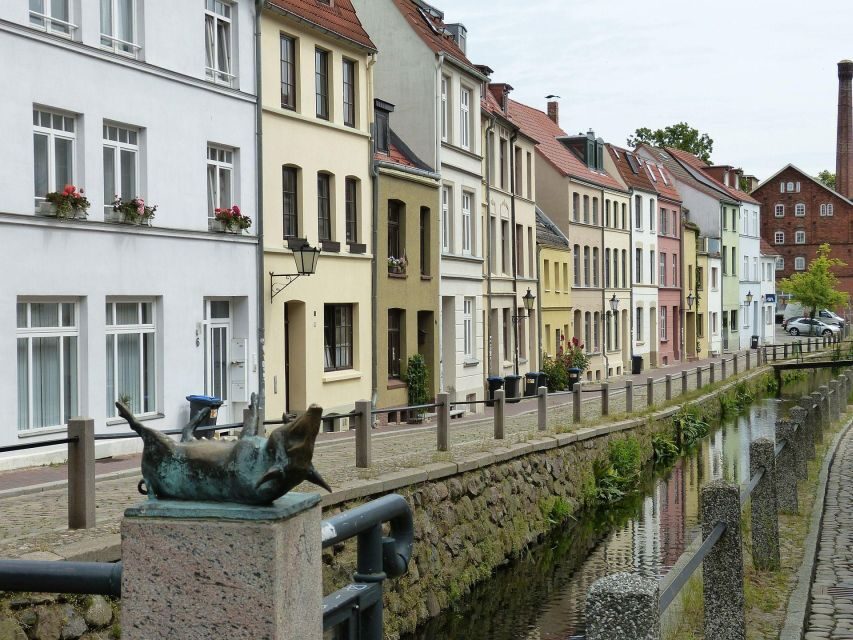
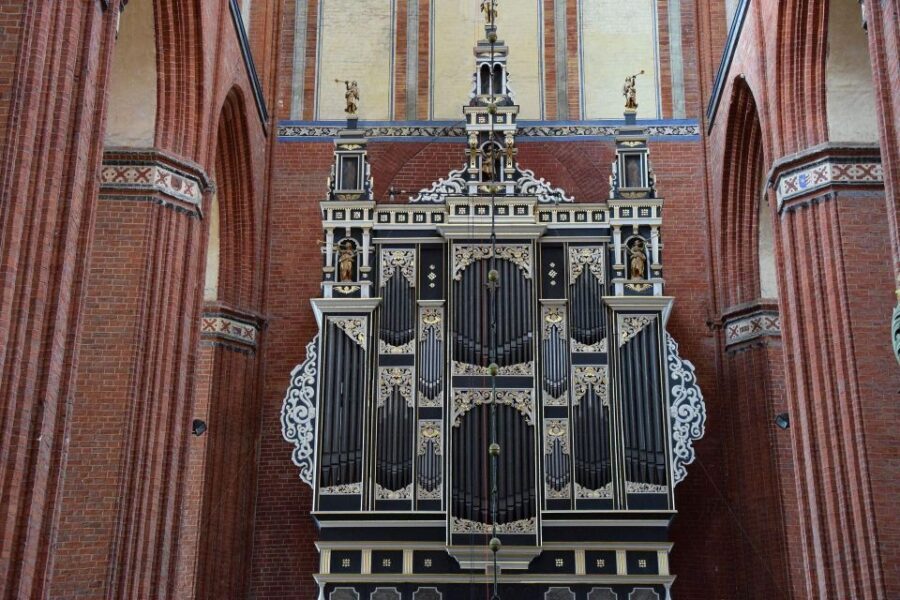
Wismar is one of those Northern German towns where the architecture does half the talking. Brick churches, older homes, and tight cobbled streets create a strong sense of place, and that matters because you’re not just looking at pretty buildings—you’re tracing how the city functioned.
The UNESCO angle isn’t just a stamp for postcard lovers. It gives structure to what you’ll notice as you walk: the old town is treated like a living archive, with visible clues about trade, faith, and governance. When your guide ties those clues together, the city starts to feel like a connected story instead of disconnected landmarks.
And because this is a private group format, the pacing tends to match your questions. If you want to understand why one building type looks the way it does, or how one historical period changed Wismar’s role, you can steer the conversation.
You can also read our reviews of more walking tours in Wismar

Starting at St.-Georgen-Kirche: a meeting point with meaning
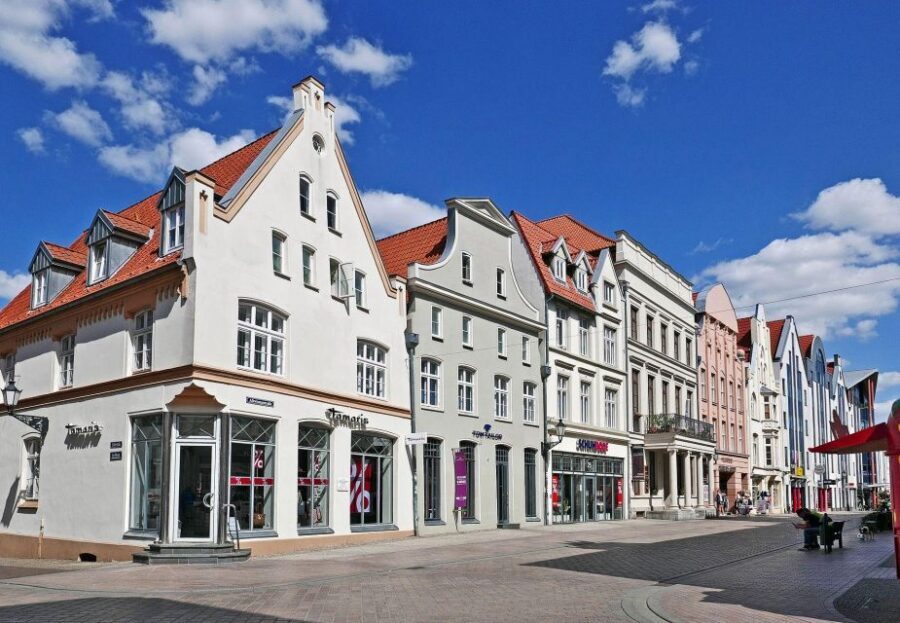
The tour meets at St.-Georgen-Kirche, St.-Georgen-Kirchhof 1A, 23966 Wismar. Starting here matters because a church square is a natural “orientation moment” for an old town—this is often where early civic life, community identity, and faith all intersect.
From that starting point, you’re set up for an easy rhythm: walk, stop, look closer, then hear what you’re seeing. Guides usually have a way of turning a first glance into something sharper, and this one’s approach is praised for answering the questions people actually have—how the city formed, why it looks the way it does, and what changed over time.
You’ll also get an immediate sense of what kind of tour it is. This isn’t the style where you race from one landmark to the next. Instead, you’ll move through the old town with stops that explain Wismar’s historical layers as you encounter them.
Slavic roots and Hanseatic power: reading the city’s early blueprint
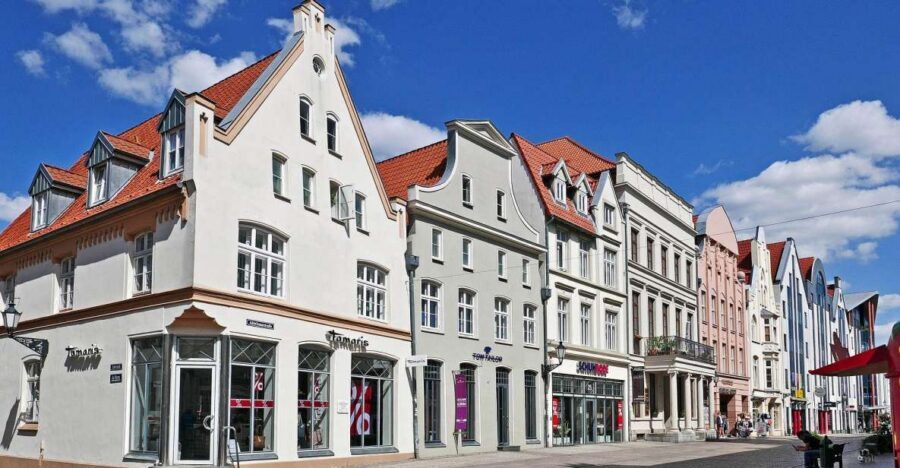
Wismar’s story doesn’t start with medieval merchants in the minds of most visitors. A big strength of this tour is that it points you toward the Slavic roots first, then builds toward Hanseatic history.
That sequencing helps. When you start with the earlier roots, the later Hanseatic era makes more sense—you see that trade and city development weren’t random, they were part of longer-term settlement and growth. The guide’s job is to connect the dots so you can look at the street scene and think, Oh, that’s why this looks the way it does.
You’ll also learn how Wismar’s Hanseatic identity shaped daily life and architecture. Instead of just being told it was important, you’ll get context that makes the old town feel like a working city that had to organize people, goods, and authority. It’s the difference between memorizing dates and understanding urban logic.
A practical note: if you like history told with crisp examples, this format is a strong match. The tour includes the kind of storytelling that turns questions into a conversation, which is exactly what many people highlighted in their feedback.
Swedish monarchy’s impact: how later rule left marks you can still see
One of the more interesting threads on this walk is the impact of the Swedish monarchy on the city. That’s a topic that could easily become dry if it’s handled as a factoid. Here, it’s treated as something that shaped Wismar rather than just something that happened to it.
When you’re walking through an old town, you often feel the timeline even without studying it. This is where the guide’s role becomes extra valuable: you’re not just hearing that a period happened, you’re learning why it mattered for the city’s development.
Think of it this way. Rule and policy can influence architecture, administration, and even what a city emphasizes—who it trades with, what it builds, and how it presents itself. By linking Swedish influence to what you see around you, you get a clearer explanation for why Wismar’s historical layers don’t feel uniform. They feel like overlapping eras.
If you like “why this city looks the way it does” history, you’ll probably enjoy this section a lot.
Wartime resilience and UNESCO recognition: turning scars into context
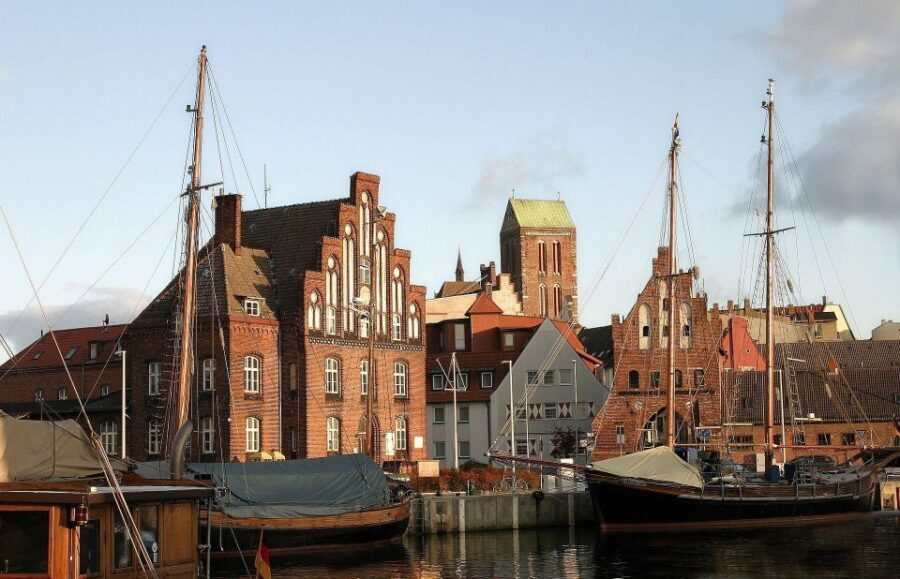
Another theme this tour covers is wartime resilience and the post-war path toward UNESCO recognition. This part matters because it adds emotional weight and practical clarity to the architecture.
Buildings in old towns often come with complicated stories—some parts survive, some change, and some features can tell you what endured. By connecting Wismar’s resilience to how the city later earned global recognition, the tour helps you appreciate not only what survived, but what it meant to preserve it.
You’ll come away with a better understanding of why UNESCO inclusion isn’t just an award. It’s tied to the idea that the old town contains value worth protecting, and that value includes the evidence of history and change over time.
This is also where the guide’s ability to answer questions helps. If you’ve ever wondered how a city rebuilds while keeping its identity, you’ll likely find the explanations useful. People who booked this tour specifically praised the chance to ask follow-ups and get real answers, not just rehearsed talking points.
You can also read our reviews of more guided tours in Wismar

Wismarer Wasserkunst: the landmark that explains how the city worked
The Wismarer Wasserkunst is the kind of attraction that’s easy to overlook if you treat it as only a photo stop. On this tour, it’s positioned as a symbol of the city—and that framing changes everything.
Water systems were essential in Hanseatic-era towns. Access to water wasn’t just comfort; it affected daily life, industry, and the practical functioning of a city. When your guide connects the Wasserkunst to that broader urban need, the landmark stops being decorative and becomes meaningful.
This also ties neatly to the tour’s approach of historical layering. You’re not only learning about rulers and trades. You’re learning about infrastructure and the everyday demands that shaped Wismar’s physical layout.
If you like landmarks with a “how did this function?” angle, this stop is a standout. It’s also a good photo opportunity, but the real value is the explanation that comes with it.
Private group reality: how the pacing works in 2 hours
At 2 hours, the tour is long enough to cover meaningful ground without turning into a marathon. It’s paced as a walking conversation, which fits the private format well.
Because your guide stays with your group only, you’re not stuck with a rigid script that ignores your interests. There’s even room for customization on the spot, which is a big plus if you have a specific curiosity—maybe a particular era, a building feature, or how Wismar’s roles changed over time.
This size of group also affects comfort. The price is per group up to 15 people, which means if you travel with friends, it can cost less per person than paying separately for multiple guides. The guide will keep things moving, but the private setup still gives your group the feeling that you’re in control of the questions.
One practical consideration: since it’s walking through an old town, you’ll spend time standing at viewpoints and in church-area squares. Bring shoes you can trust on cobbles, and plan to enjoy the slower moments rather than treating it like a speed tour.
Price and value: $280 per group can be a smart deal
The tour costs $280 per group (up to 15 people) for about 2 hours. That can feel high if you’re traveling solo, but it often becomes reasonable once you look at it as a private guide cost shared across a group.
Here’s the value logic I’d use:
- If you’re traveling as a small group (two to four people), you may still feel it’s a premium compared with big group tours, but you gain time to ask questions and get a guided pace that fits your interests.
- If you have a bigger private group, the per-person cost drops quickly, and you get a consistent guide throughout instead of bouncing between others.
You’re also buying more than footsteps. The praised elements—wide historical knowledge, storytelling with humor, and the ability to answer questions—are exactly what make a walking tour worth paying for. If the guide can explain the city’s layers in a way you can remember, the price starts to look fair.
Entrance fees aren’t included, so if any stops require ticketing on-site, you’ll handle that separately. For most city-center walking tours, that usually keeps the overall cost predictable.
Who this tour suits best (and who should pick something else)
This is a strong fit if you:
- want context, not just sights
- enjoy learning how a city evolved through multiple eras
- like guides who can handle questions and explain details clearly (including in a way that feels lighter, not lecture-heavy)
- prefer a private format where your group sets the pace
It might be less ideal if you:
- want only quick highlights with minimal standing
- have mobility concerns that make cobbled streets difficult
If you’re the kind of traveler who enjoys “why” more than “what,” you’ll likely appreciate the way this walk ties Slavic roots, Hanseatic trade, Swedish monarchy influence, wartime resilience, and UNESCO recognition into one connected route.
Should you book the Wismar private guided walking tour?
If your goal is to understand Wismar as a layered, living old town, this is a very good booking. The biggest reason is simple: the guide’s effectiveness shows up in the details people care about—explaining how the city formed, handling questions, and making history feel real instead of abstract.
If you’re only interested in a fast hit of landmarks and you don’t want to think about context, you might find a shorter or cheaper option better. But if you want the kind of walk where the Wasserkunst and the old streets come with explanations you’ll remember, I’d say it’s worth your time—and often a good value once you share the group cost.
FAQ
How long is the Wismar Private Guided Walking Tour?
The tour lasts 2 hours.
What’s the tour price?
It’s priced at $280 per group (up to 15 people).
Where does the tour meet?
The meeting point is St.-Georgen-Kirche, St.-Georgen-Kirchhof 1A, 23966 Wismar, Germany.
What languages is the guide available in?
The live tour guide is available in English and German.
Is the tour private?
Yes. It’s a private group, and the local professional guide will be with your group only.
Are entrance fees included?
No. Entrance fees are not included.