REVIEW · DORTMUND
Trinkhallen Tour Dortmund
Book on GetYourGuide →Operated by sanfte-touren.de · Bookable on GetYourGuide
Kiosks in Dortmund tell stories. On this Trinkhalle culture tour, you’ll walk the Unionviertel and learn how a simple roadside buying spot turned into a real Ruhr meeting place. I like that it’s not museum-style facts; it’s practical context, with stories you can picture on the street.
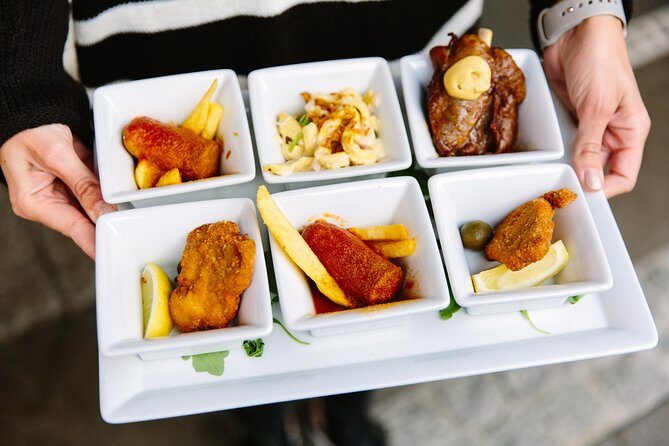
Two things I really enjoyed. First, the history behind the Büdchen concept makes the whole neighborhood easier to understand, from industrial workdays to today’s conversations. Second, you get a tasting: a mixed bag of goodies with samples (including beer, plus sweets/snacks), so the culture hits your palate as well as your ears.
One consideration: it’s only 1.5 hours, so you won’t see every corner of the Ruhrpott in detail. If you’re hungry for a long food crawl or a full sit-down meal, this is more about quick stops, short pauses, and samples than a big dining experience.
In This Review
- Key Things You’ll Notice on the Trinkhallen Tour Dortmund
- Why Dortmund’s Trinkhallen Feel Like More Than Snacks
- Café Erdmann and the Hochbunker: The Start Point That Sets the Tone
- Unionviertel Walking Route: Street Art Meets Real Neighborhood Life
- The Trinkhalle Story You’ll Actually Use: Industry, Water, and Habit
- Inside the Kiosks: What You’ll See and What You’ll Taste
- What to focus on while you’re tasting
- A Short Picnic-Style Pause and Time to Look Around
- Trinkhallenverein: How Kiosk Culture Gets Preserved
- Street Art Stops: How They Connect to the Trinkhalle Theme
- Finish at Westpark: Ending in a Place That Feels Like a Real Walk-Off
- Price and Value: Is $29 Worth a 1.5-Hour Kiosk Tour?
- Who This Tour Suits Best
- Booking Tips So You Get the Most From It
- Should You Book Trinkhallen Tour Dortmund?
- FAQ
- How long is the Trinkhallen Tour Dortmund?
- Where does the tour start?
- Is there a tasting included?
- What languages are available?
- Is the tour wheelchair accessible?
- What is included in the price?
Key Things You’ll Notice on the Trinkhallen Tour Dortmund
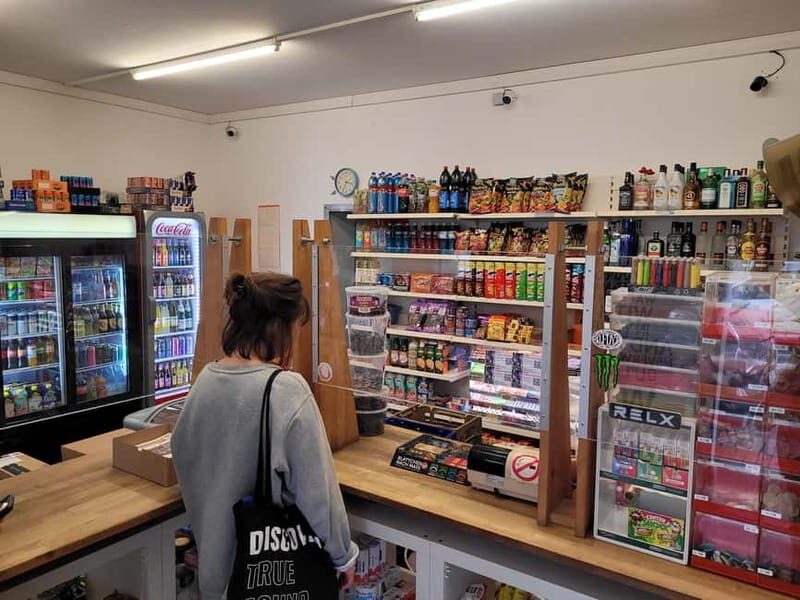
- Trinkhalle culture as everyday infrastructure, from essentials to meeting points
- Unionviertel street art and urban street-level details that connect past and present
- A guided tasting with a mixed bag of goodies, so you leave with more than photos
- Industrial roots explained clearly, including why non-alcoholic drinks mattered
- A preserved culture angle, including the idea behind the Trinkhallenverein
- Easy pacing for a short 1.5-hour walk, ending in Westpark
Why Dortmund’s Trinkhallen Feel Like More Than Snacks
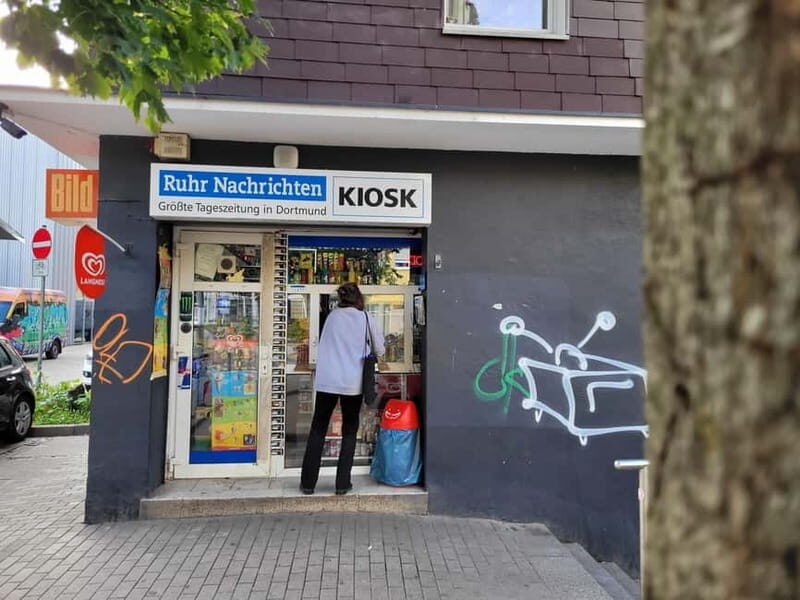
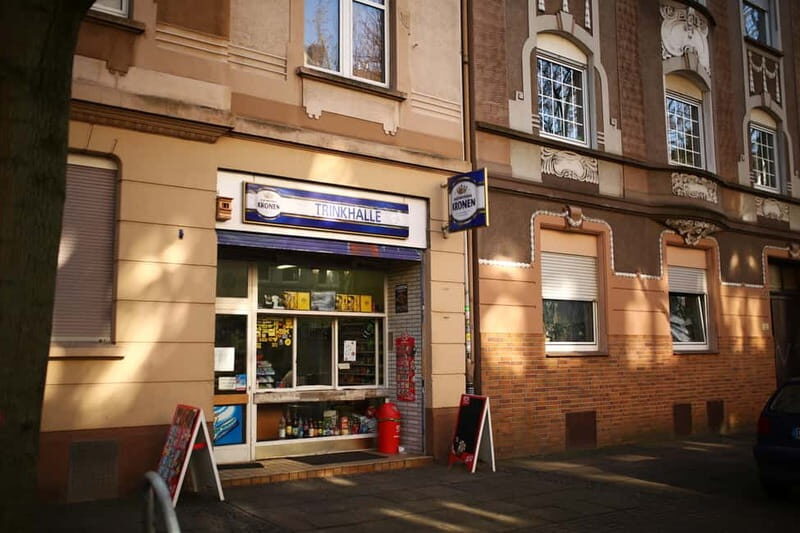
A Trinkhalle is easy to miss if you’re only thinking about big sights. Yet these kiosks show how Ruhr communities survived work shifts, social change, and everyday needs. When you learn why they started, you start noticing them everywhere: on corners, near routes home, and as a spot people used to stop without making it a big event.
What I like most is the balance between the old and the current. You’ll hear how the kiosks were tied to industrial life, then how they adjusted as the neighborhood changed. In Unionviertel, that shift feels visible because the area has modern style now, but the kiosk role still reads like “local life” rather than tourism theater.
You can also read our reviews of more tours and experiences in Dortmund.

Café Erdmann and the Hochbunker: The Start Point That Sets the Tone
You begin at Café Erdmann at the Hochbunker in Rittershausstraße. Even before you hit the kiosks, the start location gives you a hint about Dortmund’s industrial layers: the Ruhr story isn’t just in books, it’s in buildings and reused spaces.
This meeting point matters because it keeps the tour grounded. Instead of starting in a central shopping street and hopping around, you’re set up to move through Unionviertel like you’d do on a personal neighborhood walk. You also get a clear beginning that helps you feel oriented fast, especially if you’re new to Dortmund.
Unionviertel Walking Route: Street Art Meets Real Neighborhood Life
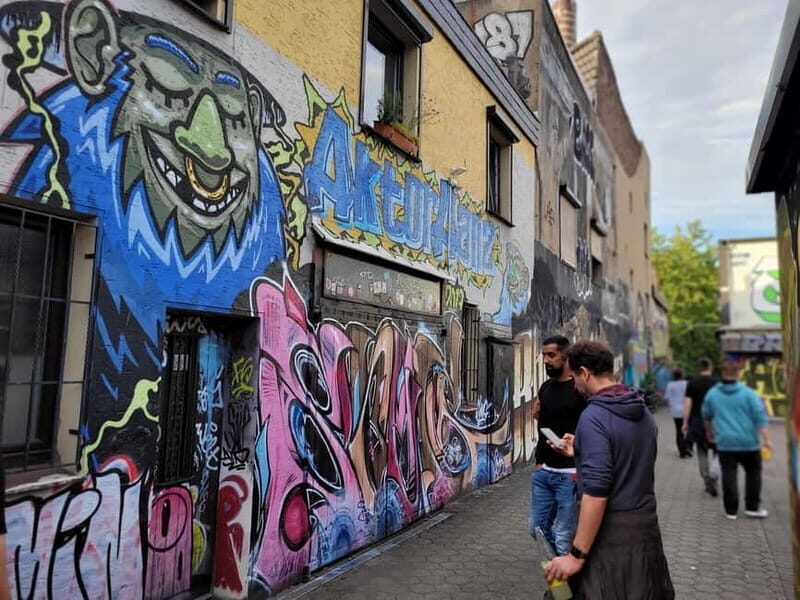
From the start, you’ll head through the Unionviertel area, which began as a working-class neighborhood and now has a more trendy feel. That contrast is the whole point: you’re not just chasing images, you’re seeing how a community evolves while keeping familiar habits.
As you walk, street art enters the picture. It’s not random decoration here. The way it’s framed on the tour helps you connect current visuals with the neighborhood’s working roots. You’ll also get time for sightseeing and walking breaks, which keeps it comfortable for a short tour length.
If you like travel that mixes culture with movement, this route style works well. It’s the kind of walk where you’re learning while your feet do the job, not where you’re trapped listening the entire time.
The Trinkhalle Story You’ll Actually Use: Industry, Water, and Habit
The heart of the tour is the “why” behind the kiosk. You’ll learn that the idea for drinking halls grew during the industrialization period, when coal mine and factory owners set them up near factory gates. The reason sounds simple but it’s important: workers needed something to drink and buy quickly, especially during long shifts.
Here’s the detail that changes how you see the whole thing. Tap water was considered risky because it could be contaminated, so drinking tap water posed a health problem. Miners and factory workers who were no longer able to work were also involved in running these places, offering mineral water and non-alcoholic drinks to help curb heavy consumption of beer and schnapps among workers.
That history gives the tour meaning because it explains why these kiosks became necessities, not luxuries. They weren’t just convenient; they were part of a system of health, routine, and survival that matched industrial life.
Inside the Kiosks: What You’ll See and What You’ll Taste
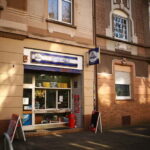
You’ll visit a number of Trinkhallen in the Unionviertel with taster included, and the snacks are a big reason this tour is fun. The whole concept is that you can buy almost anything you need: milk or toilet paper after shops close, something for a party when the beer runs out, or a sudden craving for sweets or crisps.
On your route, expect a mixed bag of goodies as part of the experience. One of the most repeated takeaways is that the tasting feels like a small street-level care package. People talk about beer, plus items like YumYum and a variety of sweets/snacks, which fits the tour’s goal: sample the culture instead of only hearing about it.



What to focus on while you’re tasting
Don’t treat it like a vending machine moment. I’d use it as a chance to notice how the kiosks are organized and what they prioritize. Even when products change over time, the kiosk role stays consistent: quick access, everyday help, and a place to pass the time.
A Short Picnic-Style Pause and Time to Look Around
The experience includes a picnic element built into the 1.5-hour flow. That means you’re not just moving from kiosk to kiosk in a rush. You’ll have a moment to sit and settle, plus free time and sightseeing along the way.
This part is underrated because it changes the feel of the tour. The tasting and the walking can blur together in long tours, but here you get a planned breathing space. It’s a good fit if you’re traveling with people who want to take photos, watch street art, and still keep the energy relaxed.
Trinkhallenverein: How Kiosk Culture Gets Preserved
One of the ideas the guide highlights is that kiosks of the past aren’t exactly kiosks of today. Product ranges shift, neighborhoods shift, and daily habits shift. But there’s also an effort to protect the culture itself through the Trinkhallenverein, dedicated to preserving kiosk life.
That matters for you because it explains why this tour feels personal. You’re not only learning about what used to happen; you’re seeing how people try to keep the identity alive while the city keeps evolving.
If you care about travel that respects local routines, this angle is a win. It helps you understand that culture is maintained by communities, not by posters.
Street Art Stops: How They Connect to the Trinkhalle Theme
The tour includes street art, and it’s used like a translation tool. Instead of treating street art as a separate attraction, you’ll see how it fits the neighborhood story around you. Unionviertel’s current look can feel trendy now, but the street art helps show continuity and change.
I like this approach because it keeps the tour from turning into “food plus photos.” The street art becomes part of the same question the guide asks throughout: how does a community stay itself while it changes?
Finish at Westpark: Ending in a Place That Feels Like a Real Walk-Off
You end at Westpark, 44137 Dortmund-Innenstadt-West. Ending in a park-style area is smart for a short tour because it gives you space to decompress after snacks, stories, and walking. You’re also positioned well for continuing independently through the city.
If you’re building a day in Dortmund, this ending works nicely. It’s an easy “wrap point” where you can decide whether to keep exploring the inner city, find lunch, or head toward another neighborhood without feeling like you’re stuck at a starting gate.
Price and Value: Is $29 Worth a 1.5-Hour Kiosk Tour?
At $29 per person for a 1.5-hour guided tour with tastings, this is priced like a focused city experience rather than an all-day food crawl. The value comes from the combination of three things: a live guide, multiple kiosk stops, and included samples.
If your goal is to learn how Dortmund works at street level, the time is efficient. You’re not paying for endless stops; you’re paying for guided meaning plus tasting that helps the concepts stick. If you only want a quick taste and don’t care about the neighborhood story, it may feel like more “talk” than “food.” But if you like culture you can walk through, it’s a fair deal.
Who This Tour Suits Best
This works especially well if you:
- Like neighborhood walking over big landmark touring
- Want local culture explained with everyday examples
- Enjoy street art as part of city life, not just a photo hunt
- Prefer short tours that leave room for independent plans
It’s also a nice choice if you’re a returning visitor to Dortmund. Even people who already know Unionviertel can still come away with new context because the tour’s focus is the specific social role of Trinkhallen.
Booking Tips So You Get the Most From It
Choose a time when you’re not rushed. Because the experience relies on walking plus multiple stops, you’ll enjoy it more if you’re not trying to squeeze it between other tight reservations.
Go in with a curiosity mindset. You’ll get more out of the stories if you treat each kiosk like a clue. And when you sample the goods, use it to connect the history to the present role of the Trinkhalle.
If you want English, look for the option where the live guide runs in English. The tour is available in German and English, so you can pick the language comfort level that fits you.
Should You Book Trinkhallen Tour Dortmund?
I think it’s a smart booking if you want a short, grounded Dortmund experience. The included tastings, the Unionviertel street-level route, and the clear explanation of why kiosks started in industrial times make it more than a quirky gimmick.
Book it if you enjoy small-city culture that feels real. Skip it only if you want a long, heavy food experience or you’re strictly focused on landmark sightseeing. For everyone else, this tour is a very efficient way to understand how everyday places shape community life in the Ruhr.
FAQ
How long is the Trinkhallen Tour Dortmund?
The tour lasts 1.5 hours.
Where does the tour start?
It starts at Café Erdmann in Dortmund, at the Hochbunker on Rittershausstraße.
Is there a tasting included?
Yes. The tour includes samples, and you’ll receive a taster as part of the experience.
What languages are available?
The live tour guide offers German and English.
Is the tour wheelchair accessible?
Yes, the tour is listed as wheelchair accessible.
What is included in the price?
The price includes the guided Trinkhalle tour with samples.