REVIEW · SCHLESWIG
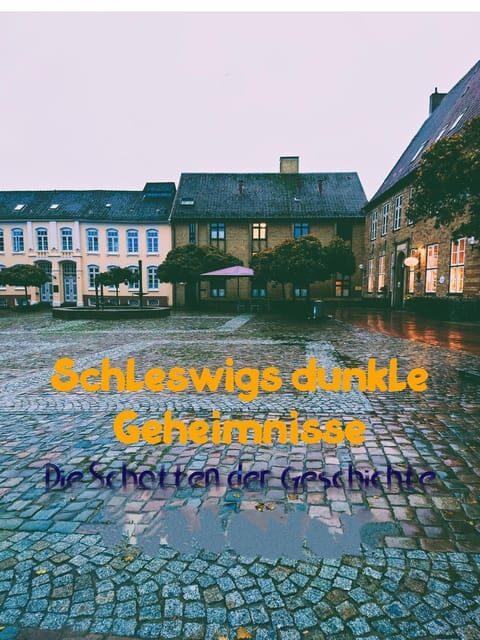
The shadows of history – “Schleswig’s dark secrets
Book on GetYourGuide →Operated by Hygge & Meer · Bookable on GetYourGuide
Schleswig has a bite of darkness. This 1.5-hour walk pairs the witch hunt history of Schleswig and the Schlei with cathedral and fisherman legends, plus a real criminal case story that keeps things from getting totally grim. I love the way the guide mixes scary material with surprisingly human, sometimes funny details, but note the theme turns to violence and death, so it’s not for everyone.
You’ll meet at the Brunnen am Rathausmarkt Schleswig and cover a compact stretch of the old town at a steady pace. The tour runs in German with a live guide, and it’s explicitly not an all-kid affair (under 13 is a no). The cathedral is part of the story, but the interior isn’t included, so you’re mostly looking from outside and at the nearby context.
In This Review
- Key things you’ll notice on this tour
- Walking Schleswig’s dark pages from Rathausmarkt Fountain
- Witch hunts and the Schlei: fear that spread through communities
- Schleswig Cathedral myths, plague waves, and what’s not included
- Real criminal case stories that add a surprising smile
- Düstere archäologische Funde: the past you can’t argue with
- Language, pacing, and who this walk suits best
- Price and time: is $17 for 90 minutes good value?
- Should you book Shadows of History in Schleswig?
- FAQ
- What is the duration of the tour?
- How much does the tour cost?
- Where do we meet?
- What language is the guided tour in?
- Is the cathedral interior included?
- Is this tour suitable for children?
- Is there wheelchair access?
Key things you’ll notice on this tour
- Witch hunt stories in Schleswig and the Schlei with names, rumors, and the way fear spread
- Cathedral legends and plague waves that explain why people acted the way they did
- A real criminal case plus anecdotes that add a smile to the darkness
- Archaeological finds tied to Schleswig’s founding (the past leaves physical clues too)
- A guide who adapts to your group, with reports of Dirk being funny, friendly, and responsive
Walking Schleswig’s dark pages from Rathausmarkt Fountain

The tour starts right where the town feels real: at the fountain by the Rathausmarkt in Schleswig. From there, you’re in walking mode, moving through the parts of town that help the stories land. It’s not a museum experience where you stand still and look at labels. It’s more like a guided storytelling circuit where the streets and sightlines do half the work for you.
The big promise here is that you’ll hear both true events and the legends people attached to them. That matters, because dark history often survives in two forms: official records and the campfire version. You’ll get both strands, so you can see how rumor becomes tradition, and how tradition keeps people afraid long after the original reason is gone.
One more practical note: the guide is German-speaking, live, and you’ll spend 90 minutes focused on the theme. If you’re the type who likes history with atmosphere—ghost stories, court stories, and the occasional chilling “wait, really?”—you’ll feel right at home.
You can also read our reviews of more tours and experiences in Schleswig.
Witch hunts and the Schlei: fear that spread through communities
This tour’s spine is the history of witch hunts in Schleswig and around the Schlei. You’re not just hearing that “witches were blamed.” You’re hearing how that blame worked—how ordinary life got twisted into suspicion, how accusations took on a momentum of their own.
The tour makes a clear point: blameless women were accused, and in many cases the punishment was brutal. That’s why the experience has a content warning baked into it. The guide doesn’t treat this like spooky entertainment. The stories are framed around the human cost, and you’ll feel the weight behind the legends.
What’s extra interesting for me is the geographic angle. Schleswig isn’t told as a sealed-off city. The Schlei shows up as part of the same fear system—fishermen threatened, communities watching one another, everyday jobs caught in the web of panic. If you’ve only studied witch hunts in a generic way, this adds a regional texture you can actually picture.
And then there’s the question the guide brings up: do you still need to watch for Black Grete today? It’s not a literal instruction—more like how legends persist. You’ll leave thinking about how fear can outlive facts, especially when the story is tied to a place people rely on.
Schleswig Cathedral myths, plague waves, and what’s not included

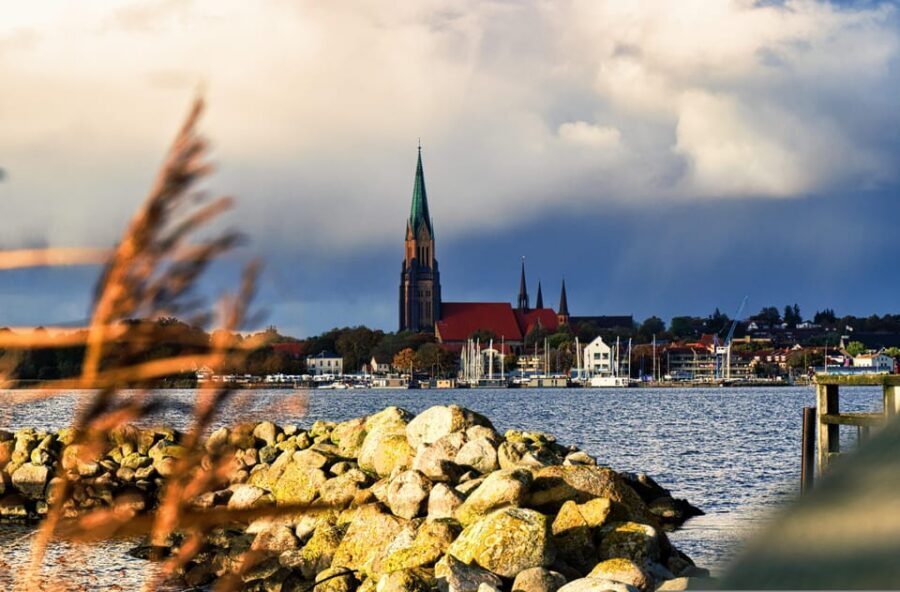
Schleswig Cathedral is part of the mood on this tour. The guide weaves together myths and legends about the cathedral with the darker realities of the past. You’ll hear the idea that the cathedral is haunted—plus why people would interpret strange events that way, especially in eras when illness and death were common.
Plague plays a big role too. The tour talks about plague waves that hit the city repeatedly. That’s one of those details that sounds broad until someone connects it to human behavior—how fear spreads faster when people already feel fragile, how communities look for explanations that give them something to point at.
A key practical detail: the cathedral interior tour isn’t included. So if you love stepping into grand churches, plan to admire the cathedral from outside and use the stories to understand its place in the town’s imagination. If you want interior time afterward, you can add it on your own.
The best part is that the legends aren’t thrown at you like random horror props. They’re tied back to how plague, suspicion, and survival shaped local storytelling. You’ll likely find yourself re-reading the streets and buildings with a different set of eyes by the end.
Real criminal case stories that add a surprising smile
Not every “dark history” tour gives you anything lighter. This one does, in a careful way. Along the walk you’ll hear a real criminal case and anecdotes designed to make you smile. That’s a tricky balance, but the effect is good: it reminds you that people weren’t just victims or villains. They were messy, clever, and sometimes absurd in their choices.
In one reported experience, the guide handled the group well and even adjusted to the level of the people on the walk. Dirk is named as the guide in multiple cases, and the theme is consistent: friendly, funny, and able to read the room. When the subject is heavy, that skill matters. A guide who knows when to lighten the tone helps you stay engaged without turning tragedy into a joke.
You also get something useful out of this criminal case thread: it shows how the justice system and public perception can collide. Witch hunt stories are one side of fear. A criminal case is another side—fear plus authority plus narrative. Together, they help you understand why rumors became official enough to hurt people.
This is also where you’ll notice the difference between “spooky history” and “storytelling with purpose.” The humor doesn’t cancel the darkness. It gives your brain a place to rest while it processes hard topics.
Düstere archäologische Funde: the past you can’t argue with
One part I especially like on this tour is that it doesn’t rely only on legends and court tales. It includes düstere archäologische Funde—dark archaeological finds that point to the founding of Schleswig. That means you’re not just hearing what people said happened. You’re getting evidence of what actually left traces.
Archaeology matters because it anchors the weird stories. Legends can bend and reshape details over centuries. Physical finds don’t solve every mystery, but they help you understand the timeline and the reality of settlement. So when the guide talks about the founding and early life around Schleswig, it feels less like atmosphere and more like a grounded timeline you can trust.
And the phrase “düstere” is doing work here. It signals that the finds are not purely pleasant. They relate to lives and deaths that left marks. That connection makes the tour feel more whole: the town’s early beginnings, the illnesses later, and the terror of accusation all fit into one longer story.
If you’re the type who likes history to have both spine and texture—facts plus feeling—this archaeological strand is a real payoff.
Language, pacing, and who this walk suits best
This is a German-language tour with a live guide, designed for people who like history and the uncanny. The timing is short—1.5 hours—which is a plus. You’ll get a focused dose of content without a full-day commitment.
But the subject matter matters even more than the length. The tour deals with witch hunts, violence, and death. It’s recommended only if you’re comfortable hearing dark stories. If you’re sensitive to those themes, skip it. No point forcing your way through content that can sour the whole trip.
There’s also an age limit: not suitable for children under 13. That’s usually a good sign. It means the guide can speak directly and keep the pace in line with the content, not with age-appropriate softening.
On pacing, the reported experiences include moments of time flying by. That usually happens when a guide is lively and keeps the stories moving. With Dirk specifically mentioned as sympathetic and engaging, you can expect a tone that’s serious in content but not stiff in delivery.
If you’re traveling alone, as a couple, or in a small private group, the vibe is still appropriate. Wheelchair accessibility is listed, which is great for planning—this isn’t a “stairs only” kind of tour in the information provided.
Price and time: is $17 for 90 minutes good value?
At about $17 per person for a 1.5-hour guided walk, the value is pretty solid—especially because you’re getting more than one theme. You’re not just buying “witch hunt history.” You’re buying a structured set of story threads: witch hunts, plague, cathedral myths, fisherman legends, a real criminal case, and archaeological clues about founding.
Short tours can be great value because you control how much you pack into your day. Schleswig is small enough that a focused 90 minutes can slot in between meals, museum time, or a stroll by the Schlei. The tour duration is clearly stated, so it’s easy to plan without guessing.
What you’re paying for, in plain terms, is a guide who can connect those threads and keep you interested. The reviews’ emphasis on the guide being humorous, friendly, and adaptive is exactly the kind of “service value” that makes a historical walk worth the ticket.
Just be honest with yourself about the topic. If your interest is more in pretty architecture than in human fear and punishment, you might feel the emotional load.
Should you book Shadows of History in Schleswig?
I’d book it if you want history that feels like a story you can picture—witch hunts rooted in place, plague and paranoia explained through local legend, and physical clues from archaeological finds. I’d also book it if you appreciate good guiding, especially German narration that keeps pace and adds lightness at the right moments.
Skip it if violent and death-related topics are a strain for you. And if you expect a quiet, purely educational walk with no heavy material, look elsewhere.
If you match the theme—history + uncanny + a guide who can handle dark stories without turning them into theatrics—this is the kind of tour that makes a place stick in your mind after you’ve left the streets of Schleswig behind.
FAQ
What is the duration of the tour?
The tour lasts 1.5 hours.
How much does the tour cost?
It’s listed at $17 per person.
Where do we meet?
Meet at the Brunnen am Rathausmarkt Schleswig.
What language is the guided tour in?
The live guide speaks German.
Is the cathedral interior included?
No. The interior tour of the cathedral is not included.
Is this tour suitable for children?
It’s not suitable for children under 13.
Is there wheelchair access?
Yes, the tour is listed as wheelchair accessible.