REVIEW · WUNSTORF
Steinhuder Meer: Guided tour of Steinhude
Book on GetYourGuide →Operated by Hannover Marketing & Tourismus GmbH · Bookable on GetYourGuide
Steinhude tells its story on foot. This guided walk connects the town’s roots as a fishing and weaving village to its today-life as a Lake Steinhude tourist stop, and it does it with a hands-on highlight: an exclusive visit to the historic mangle. I also like the stop-and-see layout, where you move from the barn district to the promenade and get context for what you’re looking at, including the smoking eel tradition. One thing to consider: the tour is in German, so you’ll get the best value if you’re comfortable following explanations.
What makes the experience feel worth the $11 price is how practical the storytelling is. You hear about real work—how fishing was done on the lake, why eels mattered, and what weaving machinery was used for—rather than just a list of sights. In one recent group, the guide was Brita, and her local connection to Steinhude came through in the way she explained the details. Also, since it’s a walking tour, be ready for outdoor conditions; one review specifically called out that the route was pleasant despite bad weather.
In This Review
- Key Things You’ll Love on This Steinhude Guided Walk
- Where Steinhude’s Old Jobs Still Shape the Town
- The Walking Route: How the Story Moves From Streets to Lake Views
- The Historic Mangle Stop: A Real-World Highlight
- Barn District Charm With a Purpose
- Fishing Methods and the Smoking Eel Tradition
- Wilhelmstein Island: Fortress and Prison Story From Across the Water
- Fishermen’s and Weavers’ Museum Courtyard: The Thread Comes Together
- Price and Practical Tips for Getting Good Value
- Should You Book This Steinhude Walking Tour?
- FAQ
- Where does the tour start?
- What is included in the ticket price?
- What languages is the tour offered in?
- How much does the tour cost?
- What are the main things you’ll see during the walk?
- Where does the tour end?
- Can I reserve and pay later?
- What is the cancellation policy?
Key Things You’ll Love on This Steinhude Guided Walk
- An exclusive historic mangle visit: you get access to the kind of weaving-ironing equipment most visitors only see in passing.
- The barn district stroll: restored buildings make the town’s working past feel tangible.
- Lake fishing methods and smoking eels: you learn why smoking eels mattered to life around Steinhuder Meer.
- Wilhelmstein Island, from the promenade: you’ll connect the view to the island’s former fortress-and-prison past.
- Courtyard time at the Fishermen’s and Weavers’ Museum: a focused cultural stop that ties the whole story together.
- Local guidance that adds texture: Brita’s Steinhude roots (in at least one recent tour) turned explanations into something more personal.
Where Steinhude’s Old Jobs Still Shape the Town
Steinhude sits by Lake Steinhuder Meer in northern Germany, and that geography matters. Fishing wasn’t a side hobby here—it was a way to survive, feed people, and build a local economy. Weaving came right alongside it, shaping both the look of the town and the kinds of tools you’ll see during the tour.
This is why the guided format works so well. Instead of wandering, you get a narrative path: you start with how the community formed, then you look at the physical clues—buildings, workspaces, and museum areas—and the guide puts them into context. You end up understanding what used to happen in these places, so when you see restored structures in the barn district, it’s not just pretty architecture.
The tour also has a good balance between built heritage and practical trade knowledge. One stop leads naturally into the next: weaving links to the mangle, the fishing talk links to eel smoking, and the museum courtyard helps you connect those themes in one place. If you like learning how people lived and worked, this is the kind of town walk that actually sticks with you.
The Walking Route: How the Story Moves From Streets to Lake Views
Expect a walking tour that stays compact and readable. You’ll move through Steinhude in a way that matches the town’s timeline: origins first, then the working district feel, then the lake-side promenade where fishing history and island stories come into focus.
Early on, you’ll get the main thread of the town’s background: Steinhude grew from a fishing and weaving village into a modern tourist destination on the lake. That shift is not just marketing—it changes what you see, what you preserve, and what you highlight. The guide’s job is to help you spot the difference between what’s left of the old routines and what the town became later.
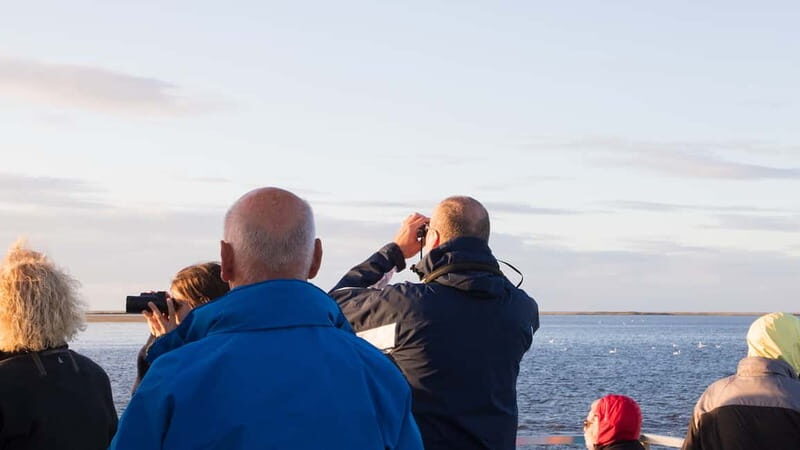
As you continue, the promenade route becomes more than a pretty walk. That’s where you’ll get explanations tied to what you can see, including a view related to Wilhelmstein Island. One of the reasons this section feels worthwhile is that it turns a distant landmark into a story element: you’re not looking at a dot on the water, you’re looking at a former fortress-and-prison island, which changes how you interpret the waterscape.
The Historic Mangle Stop: A Real-World Highlight
If you’re only going to remember one part, it should be the visit to the historic mangle. The mangle is the standout because it’s so specific. You’re seeing a tool connected to weaving and finishing processes—equipment with its own personality, unique devices, and practical purpose.
This stop matters for two reasons. First, it helps you understand the weaving side of Steinhude beyond general talk. You don’t just hear that people wove cloth—you learn how cloth was handled and processed using specialized machinery. Second, it adds a sensory element to the tour. Even if you’re not an industrial-history person, the guide’s explanations make the mangle feel like a working system rather than a static exhibit.
A review highlighted the visit to the historical Kaltmangel and its unique equipment, calling it the tour highlight. That matches the logic of why this stop works: it’s not vague heritage. It’s a concrete device, and the guide can explain why it existed, how it was used, and why it mattered to a weaving community.
Practical note: indoor stops like this are a great chance to pause and catch your breath. If the weather turns, this is one place where the tour naturally gives you a break.
Barn District Charm With a Purpose
After the mangle, you’ll head through the barn district, and this part isn’t only about cute buildings. Restored barn buildings and related structures create a strong sense of what life used to revolve around. In a place like Steinhude, where you also have lake fishing, the built environment reflects the blend of work: textiles and trade on one hand, and water-based livelihoods on the other.
What I like about this stretch is how it supports the tour’s theme of continuity. You’re not just bouncing between unrelated sights. The barn district keeps the focus on practical life—storage, labor spaces, and buildings that reflect how the town worked day to day. When you’ve just learned about weaving equipment, it makes sense to keep moving into a visual area that matches the era and function.
Also, the restored buildings help you “read” the town without guessing. A guide can point out what you might overlook on your own, especially details that connect back to fishing and weaving. This is where the walking tour becomes more than a quick sightseeing loop. It turns streets into evidence.
Fishing Methods and the Smoking Eel Tradition
Along the promenade, the tour shifts into lake life: fishing methods and why eel smoking held importance in the region. This is the heart of Steinhude’s water-centered identity. When a guide explains how people fished historically, it changes the way you interpret the lake. Suddenly it’s not scenery—it’s a working surface with methods, seasons, and traditions.
The eel smoking part is especially memorable because it connects food, technique, and survival economics. Smoking isn’t just a culinary footnote; it’s a reason people could preserve and trade. The guide’s framing makes it easier to see why certain tools, processes, and local habits mattered in daily life.
If you like food culture but also prefer it grounded in real history, this stop hits a sweet spot. You get the logic behind the tradition rather than just a description of the final product. And because this topic is directly tied to the region’s livelihood, it feels authentic instead of staged.
Wilhelmstein Island: Fortress and Prison Story From Across the Water
You’ll also get a viewpoint tied to Wilhelmstein Island. Even though you’re viewing it from the promenade, the island’s past as a former fortress and prison island is what gives the sight meaning. That detail matters. It shifts the vibe from peaceful lake walk to something more complicated and human—place history, not just scenery.
What I like here is the way the tour uses distance in a smart way. You don’t need to travel across water to learn something important. By linking the view to the island’s role, the guide helps you build a mental picture: why an island like this would be used, how it connected to power and confinement, and how it became part of the wider Steinhude story.
This also works as a change of pace. After the grounded work talk around weaving and fishing, the island history adds a different layer. It’s still local, still connected to the lake, but it broadens the story beyond everyday trades.
Fishermen’s and Weavers’ Museum Courtyard: The Thread Comes Together
The tour ends with a visit to the courtyard of the Fishermen’s and Weavers’ Museum. A courtyard can sound minor, but in this case it acts like a summary space. By the time you reach it, you’ve already covered the big ideas: fishing methods, eel smoking, weaving culture, and the tools used in that world.
This is a good moment to stop and absorb. Courtyards tend to feel like “in-between” spaces—quiet enough that you can think about what you just learned. For you, that means the tour’s themes click faster: the work life behind Steinhude isn’t separate from the place itself. It’s built into the town’s layout and preserved into the museum setting.
Even if you don’t plan to do extra sightseeing beyond the tour, this museum courtyard visit gives you a clean payoff. You leave with a clearer sense of what Steinhude preserved for a reason, and why those particular themes were worth telling.
Price and Practical Tips for Getting Good Value
At $11 per person, this tour is priced like a serious local value play. It’s not just a short stroll with general commentary. You get a guided walk that includes a key specialized visit (the historic mangle) plus multiple story stops tied to fishing and weaving, and an island history moment.
Here’s how to make sure you get the most out of it:
- Bring comfortable shoes. It’s a walking tour, and you’ll cover enough ground to justify good footwear.
- If you’re not fluent in German, still go—but set expectations. The tour is German, so your biggest challenge will be following details, not seeing the sights.
- Dress for outdoors time. One review mentioned poor weather but still praised the walk, which suggests conditions can change. Layers and a light rain option are smart.
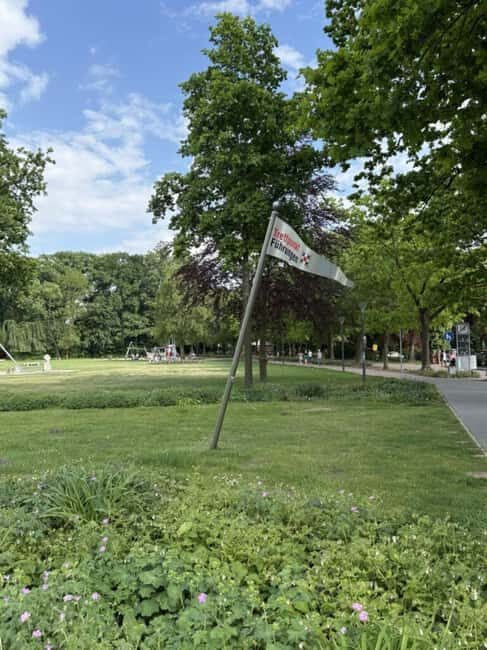
- Arrive a bit early at the meeting point so you’re not rushing. You meet at the SMT meeting point at Meerstr. 2, 31515 Wunstorf OT Steinhude, at the silver flag on the lawn (the meeting marker is described as a metal flag with the inscription Tourist Information in the green area).
The tour ends back at the meeting point. That simple setup is convenient when you’re planning the rest of your day around Lake Steinhuder Meer.
Who should book? This fits best if you enjoy working-class history, museum-style interpretation, and storytelling that connects local trades to the town you’re standing in. It also suits anyone who likes a compact route with clear themes: weaving, fishing, lake views, and a focused museum stop.
Should You Book This Steinhude Walking Tour?
Book it if you want a guided experience that explains why Steinhude looks the way it does, not just what to photograph. The standout is the historic mangle visit, and the rest of the route supports that by covering the two pillars of the town’s identity: fishing and weaving, including the smoking eel tradition.
Pass on it only if language is a dealbreaker. Since the tour runs in German, you’ll miss a lot if you can’t follow spoken details. Also, if you dislike walking tours in changing weather, plan clothing carefully or consider a shorter plan.
If your goal is an authentic Steinhude day with local context—bread-and-butter history and lake stories tied to real places—this is a strong, good-value choice.
FAQ
Where does the tour start?
The tour meets at the SMT meeting point at Meerstr. 2, 31515 Wunstorf OT Steinhude, indicated by a silver flag on the lawn. It is also described as a metal flag with the inscription Tourist Information in the green area.
What is included in the ticket price?
The ticket includes a guided tour.
What languages is the tour offered in?
The tour is offered in German.
How much does the tour cost?
The price is listed as $11 per person.
What are the main things you’ll see during the walk?
You’ll learn about the history of Steinhude, visit the historic mangle, walk through the barn district, hear about fishing methods and the importance of smoking eels, view Wilhelmstein Island’s story, and visit the courtyard of the Fishermen’s and Weavers’ Museum.
Where does the tour end?
The activity ends back at the meeting point.
Can I reserve and pay later?
Yes. The listing notes Reserve & Pay Later, meaning you can book your spot and pay nothing today.
What is the cancellation policy?
You can cancel up to 24 hours in advance for a full refund.