REVIEW · ZINGST
Kleine Kranichtour mit MS Swantevit ab Zingst
Book on GetYourGuide →Operated by Norddeutsche Binnenreederei GmbH / Weiße Flotte · Bookable on GetYourGuide
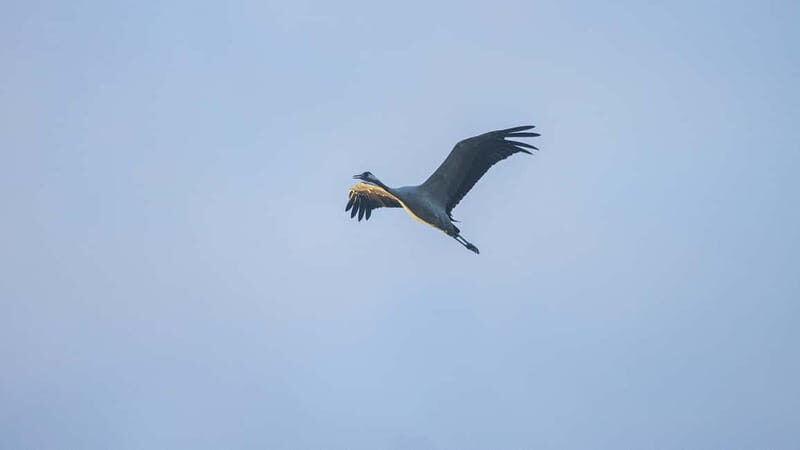
Kraniche in flight, close and unbothered. This Kleine Kranichtour is built around a simple idea: get you near protected bird areas without disrupting them, then let the ship slow down while you watch the evening routines. I like how the cruise targets the real action points along the route from Zingst toward Grosser Kirr and later toward Insel Oie, with time spent observing the cranes settling in for the night. The “sunset” timing also matters here, because the light often makes feathered details easier to read.
One caution: the onboard guidance is German only. If you don’t follow German well, you’ll still see a lot, but you may miss the explanations tying the birds to the habitat and the area’s natural setup.
In This Review
- Key things you’ll notice on this cruise
- Why the Zingst crane route feels worth it
- MS Swantevit and what the 2-hour timing really means
- Stop 1: Grosser Kirr near the Meiningenbrücke area
- Stop 2: Insel Oie and the second crane viewing window
- Captain commentary: what you gain (and what language affects)
- What to bring for crane viewing in Mecklenburg-Vorpommern
- Who this cruise suits best
- Value check: what you get from a 2-hour guided nature cruise
- Should you book the Kleine Kranichtour with MS Swantevit?
- FAQ
- How long is the Kleine Kranichtour with MS Swantevit?
- Where does the cruise start and end?
- What areas do you cruise past for crane viewing?
- Is food or drinks included?
- Is there onboard shelter in bad weather?
- What language is the guided narration?
- Is the tour suitable for people with mobility impairments?
Key things you’ll notice on this cruise
- Small group size (max 10) makes it easier to keep track of what the captain is pointing out.
- Close-to-nature bird viewing near protected zones, timed around crane evening arrivals.
- Two main observation stretches: Grosser Kirr (near the Meiningenbrücke area) and then Insel Oie.
- Guided narration by the captain adds context on the surroundings and the birds.
- Weather plan on board: if conditions aren’t calm, you can go to a lower deck with toilets, a small bar, and panoramic windows.
- Bring binoculars if you want to pick out individual birds rather than just the big silhouettes.
Why the Zingst crane route feels worth it
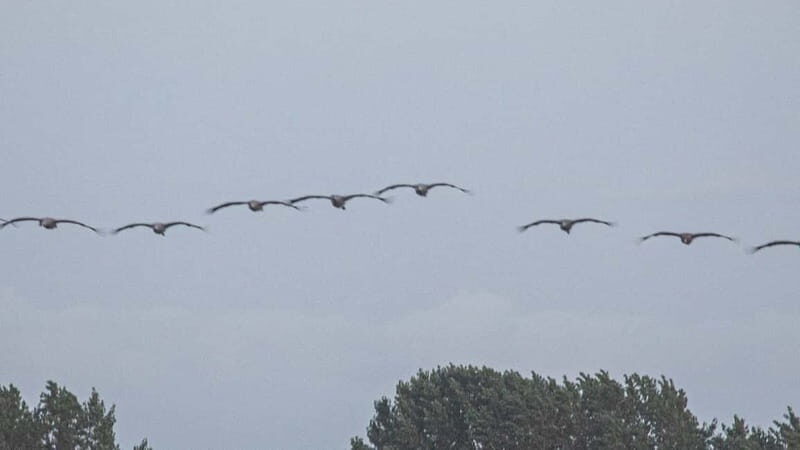
This trip makes sense if you want more than a generic boat ride. You’re not just “out on the water.” You’re traveling along a corridor where cranes use specific islands and feeding/roosting habits, then pausing long enough for you to watch an actual behavioral sequence: cranes moving in, then settling into a sleep rhythm. That’s a big difference between seeing birds once and seeing a pattern.
I also like that the route is built around timing and positioning, not just distance. Spending time near Grosser Kirr and then again near Insel Oie means you get two chances for crane activity rather than one quick pass. And because it’s planned with the late-day light in mind, the “cranes at sunset” piece isn’t just marketing—it’s a practical way to make viewing easier.
Finally, the “without disturbing” approach matters. You’ll feel that in how the cruise is structured: it’s about staying quiet, letting the cranes do what they do, and watching from a respectful distance while the captain manages the boat’s pace.
MS Swantevit and what the 2-hour timing really means
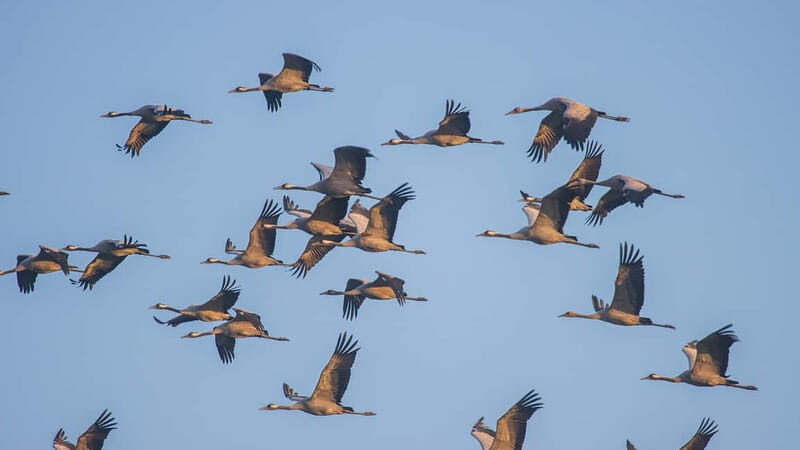
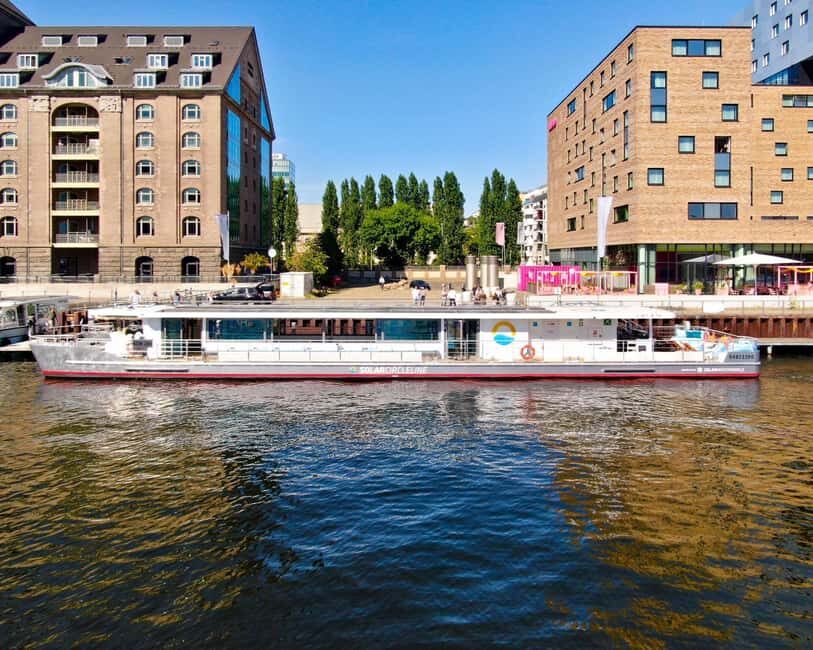
The cruise runs about 2 hours, from the Fahrgastschiff Swantevit departing at Hafen Zingst, and returns to the same meeting point. Two hours is short enough to fit into a day on the Baltic coast, but long enough to include actual observation time at key points. The ship also operates with weather in mind: when it’s calm, you can enjoy open-air viewing; when it isn’t, you can shift to a sheltered space on board.
Onboard comfort is practical rather than fancy. There are toilets and a small bar, and the lower deck has panoramic windows. That means you can keep watching without constantly going back and forth as the wind changes.
Group size is limited to 10 participants, which I’m glad about for bird cruises. In a larger crowd, you often spend your time managing elbows and missed sightlines. With a smaller group, it’s easier to maintain a clean view when the captain calls your attention to something.
One more note: the trip isn’t listed as suitable for people with mobility impairments, so if that applies to you, you’ll want to double-check what kind of access the vessel provides.
Stop 1: Grosser Kirr near the Meiningenbrücke area
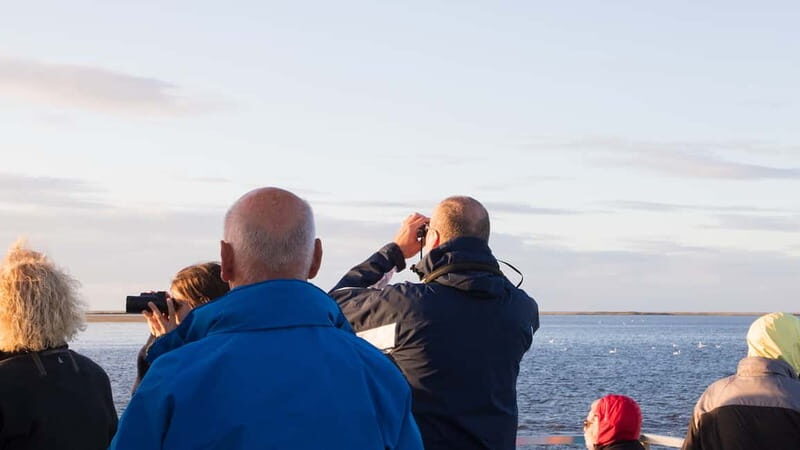
Your first big focus is the stretch along Insel Grosser Kirr, including time around the Meiningenbrücke area. This is where the cruise slows down long enough for you to observe the crane approach to their sleeping spot on the island.
What makes this stop special is that it’s about arrival behavior. You’re not only looking for cranes in the distance. You’re watching how they come in as daylight fades, which changes the movement patterns: birds may regroup, call, or adjust their flight and landing timing. When you get that first wave, the whole cruise starts to feel like a live natural event rather than a one-time sighting.
You may also spot other birds during this stretch—ducks, geese, and even large birds like sea eagles have been seen on similar segments of the route. Even if cranes are your main goal, it’s worth staying alert for “bonus” species, because the boat is traveling through real bird territory, not a curated zoo-like setting.
Timing matters too. If you’re going expecting a constant stream of birds every second, you might be disappointed. Bird activity can come in bursts. The value is that the cruise is designed to give you time during the most active phases.
Stop 2: Insel Oie and the second crane viewing window
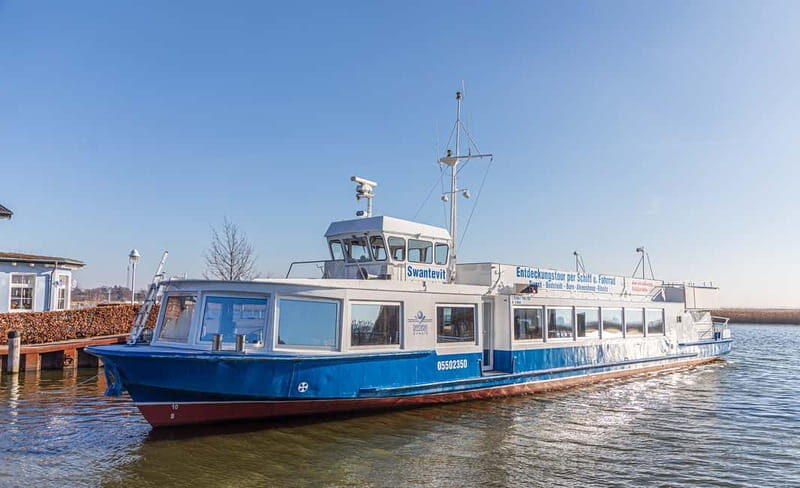
After the first observation stretch, the cruise heads toward Insel Oie, passing the harbor area of Zingst. Then you get another period of time to watch cranes around that second key area.
I like this structure because it hedges your viewing odds. Bird behavior is never identical every day. By giving you two separate observation points, the tour increases the chances that at least one of those windows will deliver strong crane movement.
This stop also gives you variety in the viewing context. The first stretch is about cranes heading toward their sleeping area on Grosser Kirr. The second stretch continues that evening storyline and lets you compare how birds behave in a different spot along the route. If you’re watching for patterns—how they group, how flight changes with the light, how quickly they settle—this second window gives you more to observe.
And yes, other birds can appear here as well. The whole route is within a bird-rich area, so you’re not locked into only one species the entire time.
Captain commentary: what you gain (and what language affects)
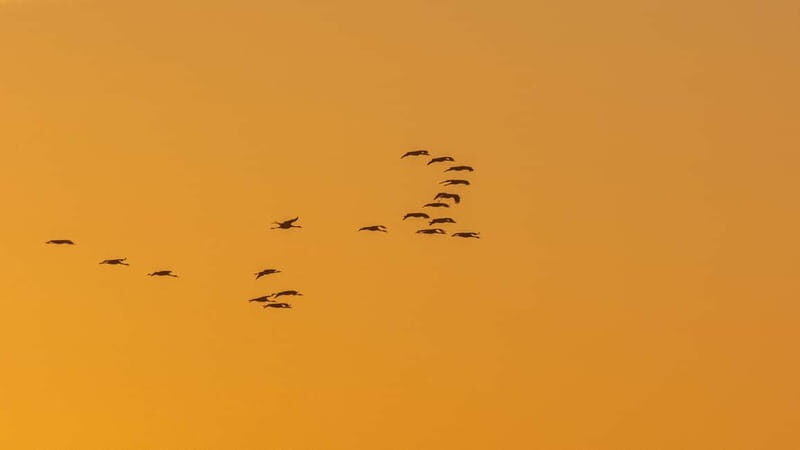
A major part of the experience is the guided narration by the captain, with a focus on the surroundings and the birds. That kind of storytelling changes how you view the scene. Instead of scanning randomly, you get cues for what to look for and why it’s happening in that specific habitat.
There’s a catch, though: the live guide is German. If you understand German only a little, you can still follow the visual part—spot cranes, track movement, note where the boat pauses—but the deeper explanations may pass you by. That’s the main drawback I’d plan around.
Still, even limited commentary can be helpful because bird watching is full of small cues. The captain’s attention signals where to look, and that alone improves your odds of seeing cranes clearly rather than just hearing about them.
What to bring for crane viewing in Mecklenburg-Vorpommern
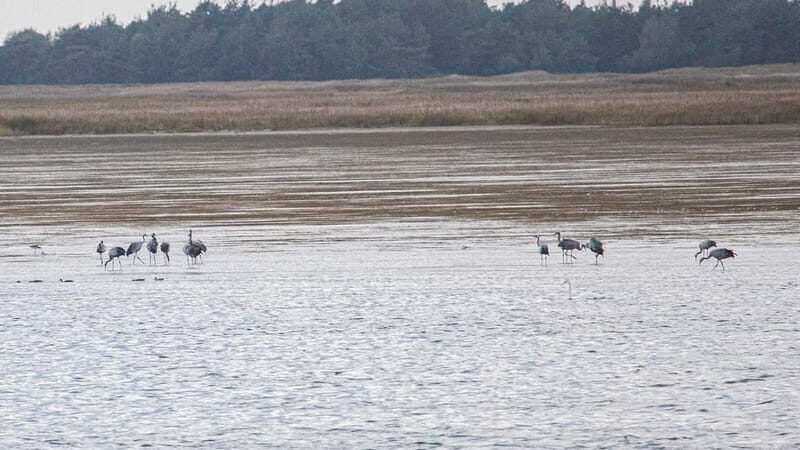
For a cruise like this, your comfort affects your viewing more than you’d expect. You want to stay in one “watching rhythm” long enough to notice behavior changes. Dress for cool, breezy conditions, even if the day starts mild, and bring layers you can adjust as the temperature drops toward sunset.
A big practical tip: bring binoculars. The point of the tour is close viewing near bird areas, but binoculars still help you separate individuals, read body posture, and track flight paths without straining your eyes.
Also think about rain and wind. The tour is nature-dependent, so you’ll likely be on board regardless of minor weather swings. If it gets choppy, you can shift to the lower deck (toilets, small bar, panoramic windows) and keep watching from a more sheltered vantage.
Finally, keep your phone handy, but don’t let it steal your attention. The best moments for bird watching are often brief: a cluster lifting, a sudden landing, or a pause that tells you birds are about to change position.
Who this cruise suits best
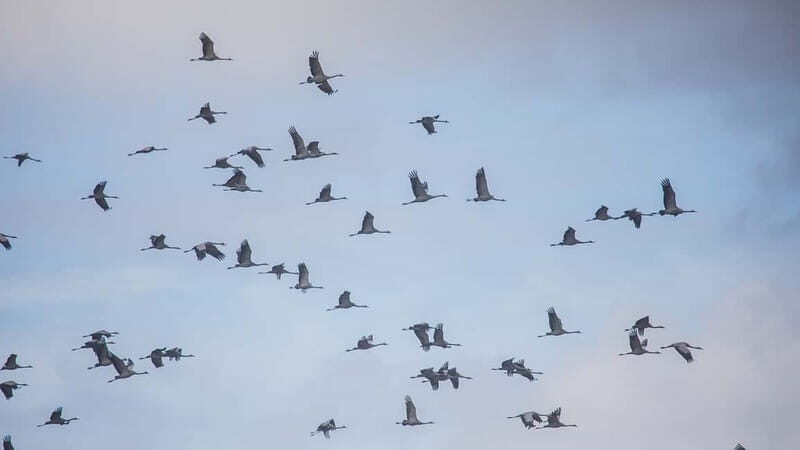
This works best for people who like short, guided nature time and want a focused plan rather than wandering. If you’re staying in or near Zingst and want a high-probability evening outing, the timing and the two observation windows make it a strong pick.
It’s also a good match if you:
- enjoy bird watching and want a chance to see cranes during evening arrival patterns
- like learning from narration, even if you mostly rely on visuals
- prefer a small group over a crowded tour boat
It’s less ideal if:
- you need an English-speaking guide (the onboard narration is German)
- you have mobility concerns that limit how comfortable you’ll be on a vessel (the tour isn’t listed as suitable for people with mobility impairments)
Value check: what you get from a 2-hour guided nature cruise
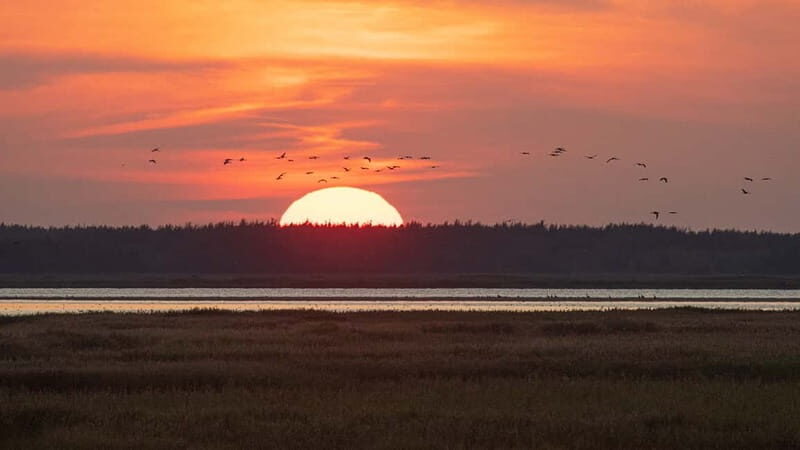
Since there’s no food included, the value here is in the main product: the boat ride plus guided bird viewing. You’re paying for access to prime local viewing areas, plus the time spent waiting during crane activity windows. That wait time is exactly what you can’t easily replicate on your own, especially if you don’t already know where and when to look.
The small group matters for value, too. Bird viewing is a sightline game. Fewer people means less blocking, fewer distractions, and a better chance of catching the captain’s cues.
And even though it’s only around two hours, you’re not just doing “a cruise.” You’re getting a structured observation sequence: Grosser Kirr first, then Insel Oie later, with a viewpoint that’s planned for sunset conditions.
If you’re choosing between a generic sightseeing boat and a crane-focused outing, this one is the more intentional option.
Should you book the Kleine Kranichtour with MS Swantevit?
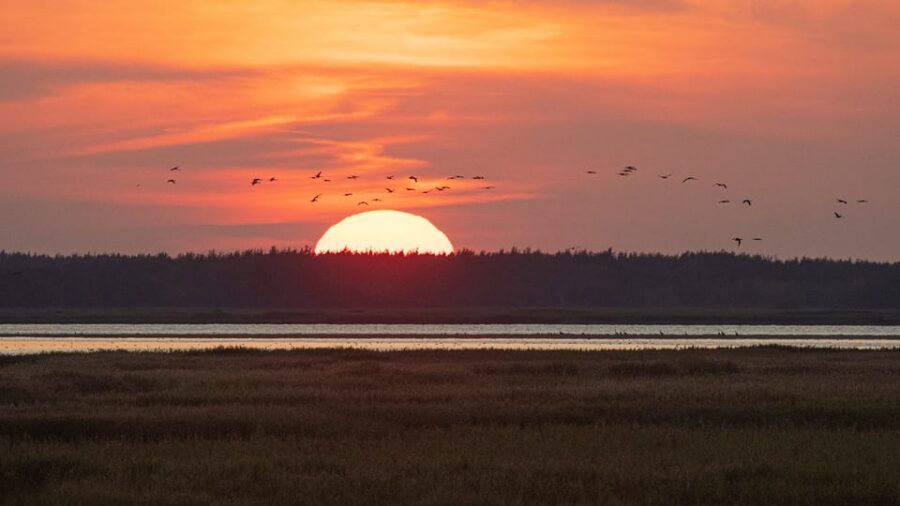
Yes, if your goal is Kranichbeobachtung that feels respectful and well-timed. The route’s two main observation stretches, the small group size, and the captain’s bird-focused narration are the strongest reasons to book.
If you don’t speak German, go anyway only if you’re comfortable treating it as a visual experience and you’re okay with limited interpretation. In that case, binoculars and good outdoor gear become your best friends.
If you have mobility needs, skip this one unless you can confirm onboard accessibility details with the operator.
If you want an evening outing in Mecklenburg-Vorpommern that’s practical, nature-centered, and built around real bird behavior, this is a smart pick.
FAQ
How long is the Kleine Kranichtour with MS Swantevit?
The duration is about 2 hours, and starting times depend on availability.
Where does the cruise start and end?
It starts at the passenger ship Swantevit (Fahrgastschiff Swantevit) in Zingst and ends back at the same meeting point.
What areas do you cruise past for crane viewing?
The route goes along the island Grosser Kirr (including the Meiningenbrücke area) and later toward Insel Oie, passing by the harbor in Zingst.
Is food or drinks included?
No. Food and drinks are not included.
Is there onboard shelter in bad weather?
You can go below deck. One review specifically notes toilets, a small bar, and panoramic windows on the lower deck.
What language is the guided narration?
The live tour guide language is German.
Is the tour suitable for people with mobility impairments?
The activity is listed as not suitable for people with mobility impairments.