REVIEW · BAVARIA
Sightseeing flight Zugspitze Neuschwanstein Castle Alps Munich Augsburg
Book on Viator →Operated by ALPEN AIR · Bookable on Viator
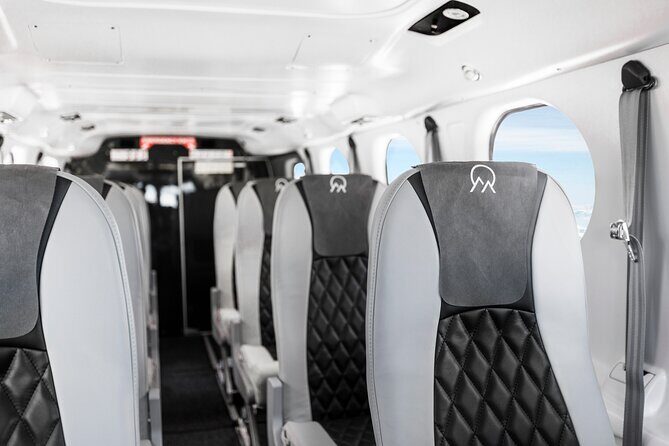
Bavaria changes at 2,000 meters. This small-group sightseeing flight from Augsburg strings together Munich landmarks, Chiemsee, the northern Alps, Germany’s highest peak, and Neuschwanstein Castle, all from large windows at flight-friendly altitudes. I like that it’s run with only up to four travelers, so you get real attention instead of feeling like one more face in a crowd.
I also like that your pilot isn’t just flying the plane. With English commentary and local knowledge—names like Moritz Reuter come up for calm, confident guidance—you’ll get context for what you’re seeing, not random facts. One consideration: the whole experience depends on weather, so you may need to accept a postponement if skies aren’t cooperating.
In This Review
- Key Highlights You’ll Actually Feel
- The Big Picture: What This Zugspitze and Neuschwanstein Flight Delivers
- Augsburg Departure and the Munich Loop Above the City
- Chiemsee and Herrenchiemsee Castle: Lake Views With Royal Intent
- North Alps Stretch: From Kampenwand to Tegernsee in One Long Visual Run
- Kochelsee and Walchensee to Zugspitze: The Highest-Mountain Moment
- Ammergau Alps to Neuschwanstein: King Ludwig’s Castle From a Perfect Angle
- Five Lakes Region Finale: Starnberg to Wörthsee and the Holy Mountain Angle
- The Pilot Factor: Safety-First Flying With Real-World Local Talk
- Timing, Weather, and Window-Seat Reality
- Price and Value: Why $767.81 Can Make Sense for This Route
- Should You Book This Bavaria Sky Tour?
- FAQ
- How long is the sightseeing flight?
- Where do I meet the tour?
- What sights are included in the route?
- Does weather affect the flight?
- How many people are on the flight?
- How high do you fly over Munich and the Alps?
Key Highlights You’ll Actually Feel
- Up to four people onboard for more space, quieter focus, and better window time
- English-speaking pilot-guide style explanations tied to what you see below
- Zugspitze + Eibsee views, including a brief look into the Zugspitze area
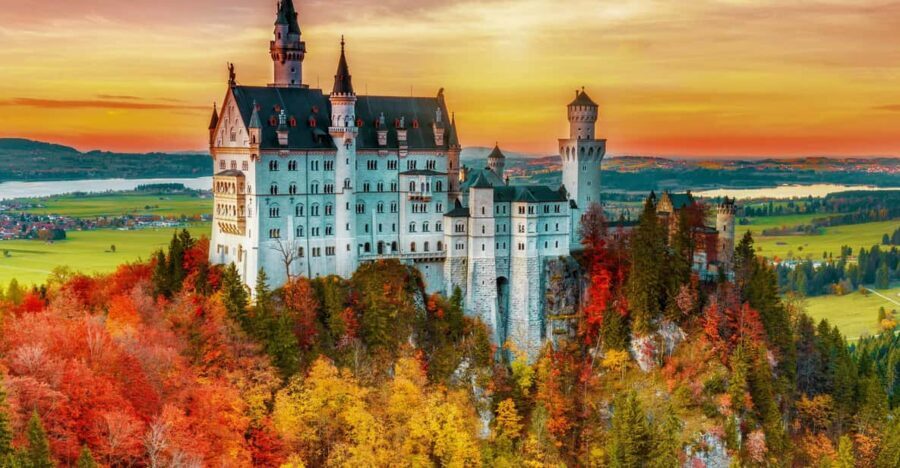
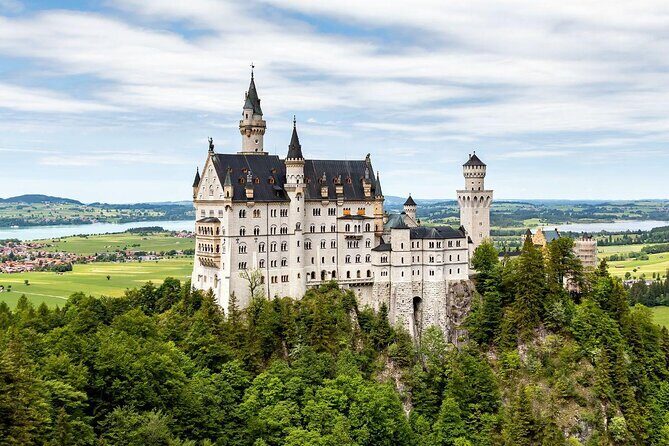
- Neuschwanstein Castle from above, timed as a major emotional payoff
- Munich + lake belt routing (English Garden, Allianz Arena, Chiemsee, Five Lakes Region)
The Big Picture: What This Zugspitze and Neuschwanstein Flight Delivers
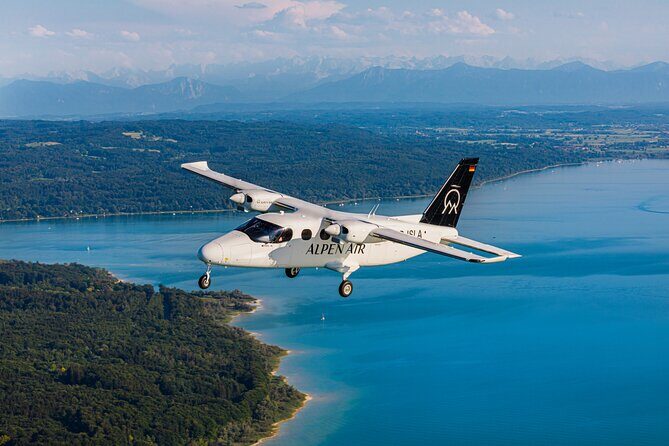
This is a “Bavaria from the sky” day that stays tight and efficient: about 1 hour 45 minutes to 1 hour 50 minutes in the air, starting and ending at Flughafenstraße, Augsburg. The route is built around variety—big-city architecture, baroque-looking castles, and then one stretch of mountains and lakes after another, ending with Neuschwanstein and the Five Lakes Region.
You’ll be flying in a way that tries to keep the ride comfortable. The operator notes shallow climbs and descents to reduce pressure changes, and that altitude limits are managed: Munich and the Five Lakes Region won’t exceed 1,500 meters above sea level, while the Alps are typically around 2,000 meters on average, with brief higher moments near Zugspitze up to about 3,250 meters.
The practical upside for you: fewer “transfer days” and less time trying to chase distance on the ground. You’re compressing what would take multiple bus-and-car legs into one continuous aerial tour.
You can also read our reviews of more tours and experiences in Bavaria.

Augsburg Departure and the Munich Loop Above the City
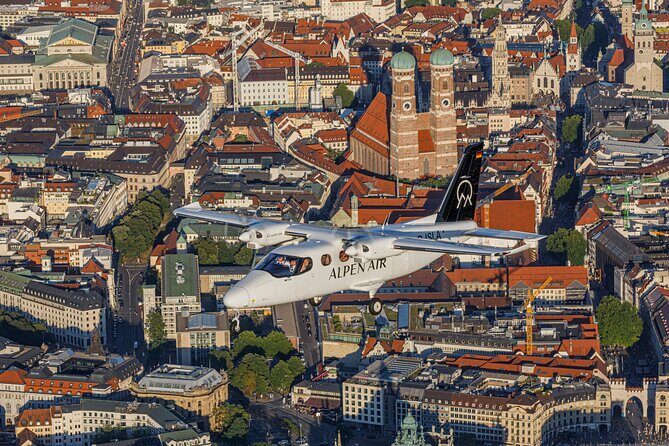
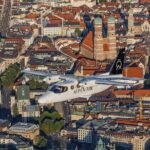
You start at the ALPEN AIR terminal in Augsburg and lift off with a route that heads toward Munich, flying via the Dachau area along the way. Once you’re up, Munich comes fast and clear.
This portion is built for recognizable hits:
- Allianz Arena of FC Bayern Munich, seen from about 600 meters above sea level
- English Garden and the German Museum
- A flyover around Marienplatz and the Frauenkirche
- Nymphenburg Castle
- Circling at slower speed near BMW World, plus Olympic Park and the 291-meter Olympic Tower
Why this matters: aerial angles turn big landmarks into shape. Streets and park edges become easier to read, and you can spot the overall layout of Munich without waiting for the perfect viewing point on the ground.
The possible drawback: Munich is busy. From the sky you’ll get great context, but if you’re hoping for ultra-close detail (like rooftop-level clarity), your best friend will be weather and lighting. On a clear day you’ll get sharp contrasts; on a hazy day, the city still looks good, but it won’t “snap” as crisply.
Chiemsee and Herrenchiemsee Castle: Lake Views With Royal Intent
From Munich, the flight heads toward Chiemsee, picking up sights along the way, including Simssee. Then you get the real payoff: the Herrenchiemsee Castle and the Fraueninsel appear in the middle of the lake, framed by the mountains in the distance.
Chiemsee is one of those places where the sky makes it feel almost larger than it is. You’re not just seeing water; you’re seeing the whole geometry of islands, shorelines, and the way weather patterns shape the color.
What to expect for you:
- Longer, calmer moments where the lake’s edges are easy to follow
- A “wow” feeling because the castle + island combo looks planned from above, even if you’re not studying it like an architect
The tradeoff: lakes reflect. If the sun angle is tough, you might see more glare than you’d like. That’s not the operator’s fault—it’s physics. Still, on many days you’ll be able to pick out the outlines and islands cleanly.
North Alps Stretch: From Kampenwand to Tegernsee in One Long Visual Run
Next comes the mountain segment, and it’s packed. You start near Kampenwand and the Wilder Kaiser, then you fly almost 150 kilometers along the northern Alps.
This is where the tour leans into variety at speed:
- Inn Valley
- Wendelstein
- A chain of idyllic lakes, including Thiersee, Schliersee, Spitzingsee, and Tegernsee
- Views across and between mountain ridges, so you don’t feel stuck staring at one peak
Why I think this part is so satisfying: each lake looks like its own little “scene.” From the air, you can see how valleys widen, where the water gathers, and how the mountains act like borders.
One practical consideration: because there’s so much on the route, you’ll want your camera ready early. There won’t be long “lecture pauses” while the plane waits for the perfect moment. This is sightseeing from a moving angle, so being prepared makes the difference between one great photo and several.
Kochelsee and Walchensee to Zugspitze: The Highest-Mountain Moment
Then you cross the Isar and slide into the iconic lake and peak sequence:
- Sylvensteinsee
- The Brauneck and Benediktenwand area leading your eye toward
- Kochelsee and Walchensee, noted for their green-turquoise look
After more crossings and viewpoints, the Karwendel massif appears in the distance. Behind Garmisch, Germany’s highest mountain rises—Zugspitze, at 2,962 meters.
This is the part you came for. Even if you’re not a “mountains person,” the scale hits you fast from the air. You’ll also see Eibsee shine in deep blue below, which often looks even more dramatic because it sits under steep slopes.
Comfort and safety note (important for you): the operator manages altitude, and shallow climbs/descents are used to keep pressure changes low. Still, the Zugspitze area briefly reaches higher altitudes, so if you’re sensitive to changes in air pressure, plan on going slowly with any concerns and follow the pilot’s lead.
Ammergau Alps to Neuschwanstein: King Ludwig’s Castle From a Perfect Angle
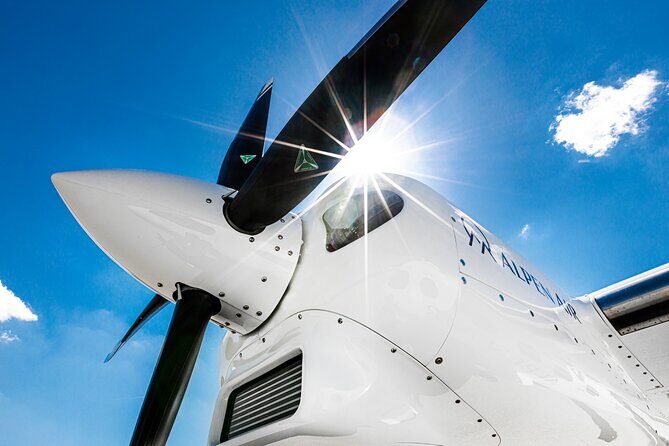
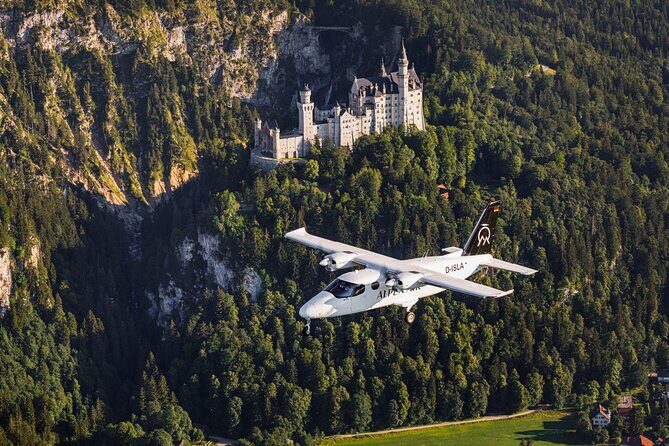
After the mountain tour, the route shifts to the Ammergau Alpine area and includes Plansee surrounded by mountains. Then the highlight arrives: Neuschwanstein Castle.
From the air, Neuschwanstein looks like it’s hanging off the hillside on purpose. The castle sits in a prime location with a view toward Lake Forggensee, and that context helps you understand why this site became so mythic for King Ludwig II.
Why this stop feels different from the city moments: cities are dense and detailed in many directions. Neuschwanstein is a single focal point on a steep background. From the sky, you can see how the castle relates to the mountain shape, not just where it sits on a map.
A possible consideration: the castle is dramatic, but your view depends on visibility. Any cloud cover on the peaks will soften the contrast. When skies cooperate, though, the castle often becomes the clearest “final boss” of the whole day.
Five Lakes Region Finale: Starnberg to Wörthsee and the Holy Mountain Angle
After Neuschwanstein, the flight leaves the mountains and shifts into a long sequence of lakes that feel like a color palette test.
You fly over:
- Murnauer Moos
- Lake Staffelsee (dark blue)
- Riegsee
- Easter lakes
- The Five Lakes Region, starting with Lake Starnberg
- The Rose Island area
- Andechs Monastery on the “Holy Mountain”
- Lake Ammersee
- Lake Pilsensee
- Wörthsee (noted for Caribbean-turquoise color)
This part matters for value because it keeps the tour from turning into a one-note mountain experience. You get softness after peaks: waterlines, islands, and shore shapes that look almost graphic.
The drawback is simple: you might not remember every lake by name once you’re looking at multiple reflections and curves. That’s where the pilot-guide helps. With real-time pointing out, you get “labels” that stick, instead of only pretty views that blur together.
The Pilot Factor: Safety-First Flying With Real-World Local Talk
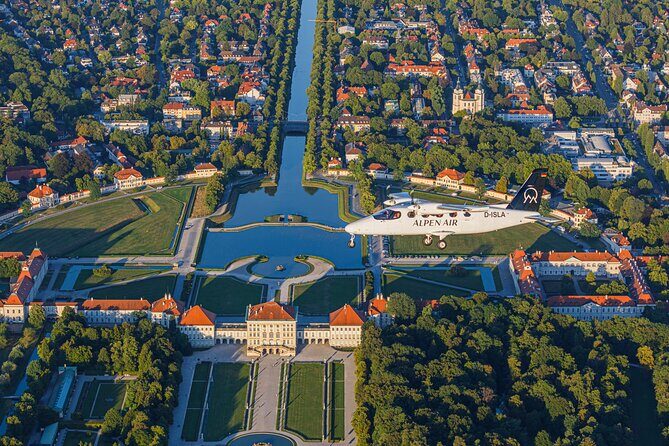
This is where I’d put your focus when deciding if the trip fits you. The operator emphasizes safety as a top priority, and the experience is described as warmly managed and professionally run. You’ll get welcome by the pilot, and the pilot provides English explanations tied to the route.
One name that comes up is Moritz Reuter, praised for a calm, confident approach and for handling questions. Even if you don’t care about narration, this matters because you’re trusting someone with your ride—so you want a pilot who communicates clearly.
Also, the flight experience is described as no mass handling and not a standard program. Translation for you: you should expect the flight to feel personal enough that the pilot can adjust pacing based on what’s visible, within safety limits.
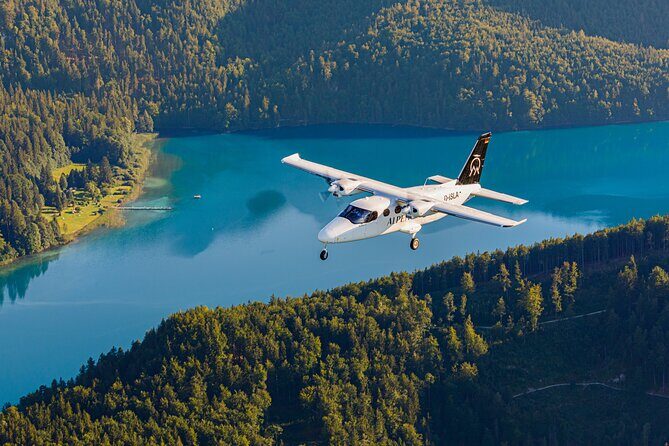
And yes, there’s a sustainability note in the material you shared: one review says CO2 compensation is already included in the ticket price and the aircraft is described as a Tecnam P2012 consuming about 5 liters per passenger, roughly 30% less than competitor aircraft. I’d treat that as a “worth knowing” detail rather than a promise you can verify on your own, but it does support the idea that this operator is thinking about footprint, not only marketing.
Timing, Weather, and Window-Seat Reality
Your flight depends on good weather. The operator states that if it’s canceled because of poor weather, you’ll be offered a different date or a full refund. That’s not annoying fine print—it’s the difference between seeing mountains clearly and flying through a gray blur.
So how do you plan around it?
- Pick a date when you’re okay with possible rescheduling.
- Keep expectations realistic: Bavaria’s hills and lakes look best with good visibility and light.
- Bring a phone and camera with enough battery, because you’ll want to photograph more than one moment.
What you’ll enjoy most is how the route is paced. You’re not stuck staring straight down the whole time; you get arcs and circles over certain areas, including slower viewing moments around key spots like Munich’s Olympic and BMW areas.
Price and Value: Why $767.81 Can Make Sense for This Route
At $767.81 per person, this isn’t the kind of tour where you shop purely on cost. The value is in three things you can’t easily buy on the ground in one day:
1) Distance compressed into one flight
You’re covering Munich, multiple large lake areas, the northern Alps, Zugspitze, and Neuschwanstein in under two hours. Driving and train legs would take a lot longer.
2) Small-group setup
With a maximum of four travelers, you get more attention and less “pack” feeling. That helps you understand what you’re looking at, which in turn makes the sightseeing feel richer.
3) Pilot as guide, not just transport
The English narration and real-time identification of landmarks adds a layer you won’t get on a generic sightseeing hop.
Is it expensive? Yes. But if your priority is high-impact views with expert guidance—and you’re comfortable syncing to weather—this price can feel fair for what you’re actually buying: a concentrated aerial tour of Bavaria’s most famous regions.
Should You Book This Bavaria Sky Tour?
Book it if:
- You want Munich + lakes + mountains in one go, without a hectic day of buses.
- You like the idea of a small-group flight with an English-speaking pilot-guide who explains what matters.
- You’re okay with weather-driven adjustments and want the best chance at clear views.
Skip it (or think harder) if:
- You hate the idea of changing plans when skies don’t cooperate.
- You need guaranteed “close-up” detail no matter what the weather does.
- You’re very sensitive to altitude and pressure changes, especially around the Zugspitze area, and you haven’t talked to the operator/pilot first.
If you match those conditions, this is a very focused way to see Bavaria at full scale—from city icons to castle drama to the highest mountain moment.
FAQ
How long is the sightseeing flight?
The flight duration is listed as about 1 hour 45 minutes to 1 hour 50 minutes.
Where do I meet the tour?
The meeting point is Flughafenstraße, 86169 Augsburg, Germany, and the activity ends back at the meeting point.
What sights are included in the route?
You’ll fly over Munich landmarks like the Allianz Arena and Marienplatz/Frauenkirche, then see the Chiemsee area with Herrenchiemsee Castle and Fraueninsel, continue through northern Alps lake regions, pass the Zugspitze/Eibsee area, and finish with Neuschwanstein Castle and the Five Lakes Region (including Lake Starnberg, Andechs Monastery, and Wörthsee).
Does weather affect the flight?
Yes. The flight requires good weather. If it’s canceled due to poor weather, you’ll be offered a different date or a full refund.
How many people are on the flight?
There’s a maximum of 4 travelers on this tour.
How high do you fly over Munich and the Alps?
Over Munich and the Five Lakes Region, the altitude won’t exceed 1,500 meters above sea level. In the Alps it’s around 2,000 meters on average, with brief moments near Zugspitze reaching about 3,250 meters.