REVIEW · WARNEMUNDE
Rostock: Warnemünde and Rostock Half-Day Shore Trip
Book on GetYourGuide →Operated by ROSTOCK GUIDE Anne Kirchmann · Bookable on GetYourGuide
Warnemünde and Rostock in one port day sounds tight, and it is. But this 5-hour half-day trip gives you real variety: half-timbered streets and painted harbor boats in Warnemünde, then a proper city center in Rostock, including St. Mary’s Church and its famous astronomical clock.
What I really like is the way you travel from place to place on public transport, including the commuter tram and train, so you’re not stuck in a sealed tour bubble. Second, you get a guided walking tour that points out the details you’d miss on your own, then you still get leisure time in Rostock to shop and snack.
One consideration: this is a walking-focused day. You’ll be moving for stretches (and there are cobblestones), so if your legs tire fast, you may feel rushed despite the tram and train breaks.
In This Review
- Key things to look forward to
- Entering a port day with a plan: 5 hours that actually fit
- Meeting your guide and starting at Am Passagierkai
- Warnemünde walking tour: half-timber charm and a seaside canal
- The public tram and train ride: a shortcut to local rhythm
- Rostock’s St. Mary’s Church: the astronomical clock moment
- Monastery of the Holy Cross and the medieval city feel
- Town hall, university area, and your one-hour window to breathe
- Price and value: is $81 worth a port-day sprint?
- Walking comfort, cobblestones, and what to wear
- Who should book this and who should skip it
- Should you book the Rostock: Warnemünde and Rostock shore trip?
- FAQ
- How long is the shore trip?
- Is this tour mostly walking?
- What does the tour include besides the guide?
- Are food and drinks included?
- Is there time to shop in Rostock?
- Can I bring luggage or a large bag?
- Is the tour suitable for wheelchair users?
- What language is the guide?
Key things to look forward to
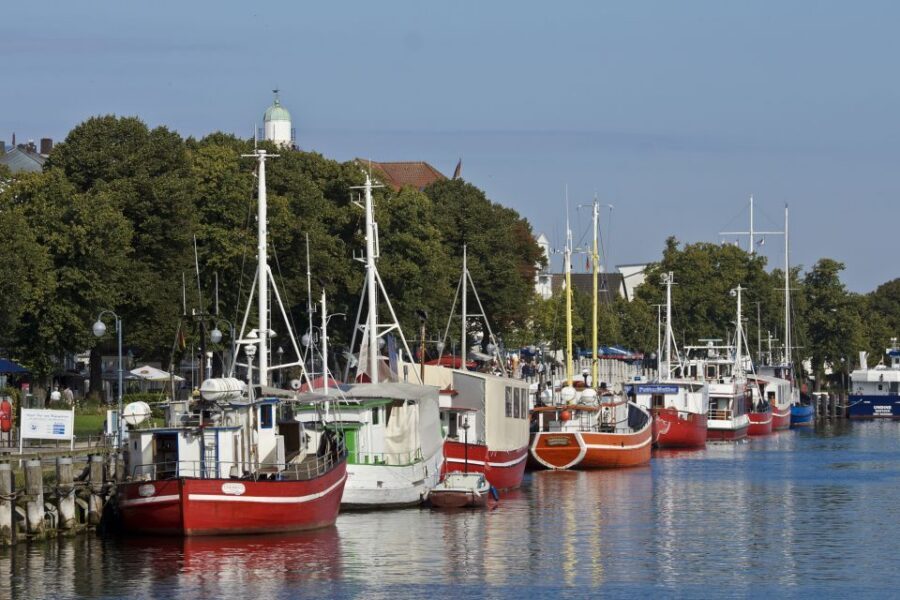
- Warnemünde’s old harbor mood with brightly-painted fishing boats and gabled half-timber houses
- St. Mary’s Church interior time plus the astronomical clock moment when it’s operating
- Public tram + train ride that helps you see the city like a local commuter
- Rostock’s must-see anchors: the medieval Monastery of the Holy Cross area and the historic town center
- A planned rhythm of guided sights followed by about an hour on your own
- Small-group feel (maximum group size is 20, and it often stays tighter)
Entering a port day with a plan: 5 hours that actually fit
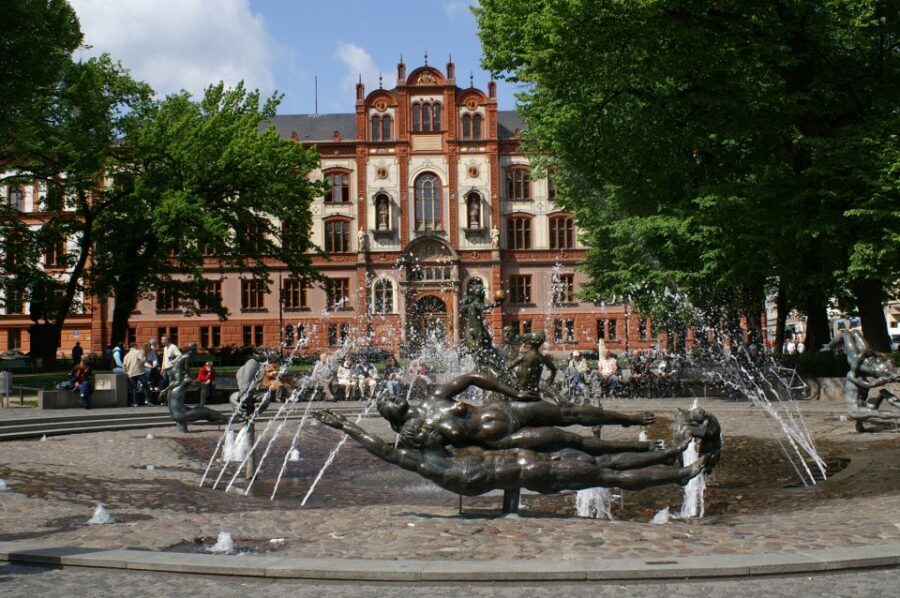
If you’re on a Baltic cruise stop, you already know the problem: the shore time is short, and you either do “big-ticket” excursions far away or you do something closer that still feels like you got out of the port zone. This trip works because it keeps the travel legs simple and builds the day around two connected places: Warnemünde first, then Rostock.
You’re also not asked to be a marathon walker. The walking is staged: you get a guided introduction, then you move between areas using tram/train, then you return to your tour route for the guided portion and the free time window. The total time is about 5 hours, which lines up well with most cruise schedules.
You can also read our reviews of more tours and experiences in Warnemunde.


Meeting your guide and starting at Am Passagierkai
You’ll be picked up right at the cruise ship port. The start point is Am Passagierkai 6, and you’ll look for your guide holding a sign with the tour name. This matters more than it sounds. When ships dock, it’s easy to lose time wandering around for the “meeting spot,” and this setup reduces that stress.
From there, your guide leads you into Warnemünde with an explanation of what you’re seeing as you walk. That way, even if this is your first time here, you’re not staring at random old buildings and hoping they mean something.
Warnemünde walking tour: half-timber charm and a seaside canal
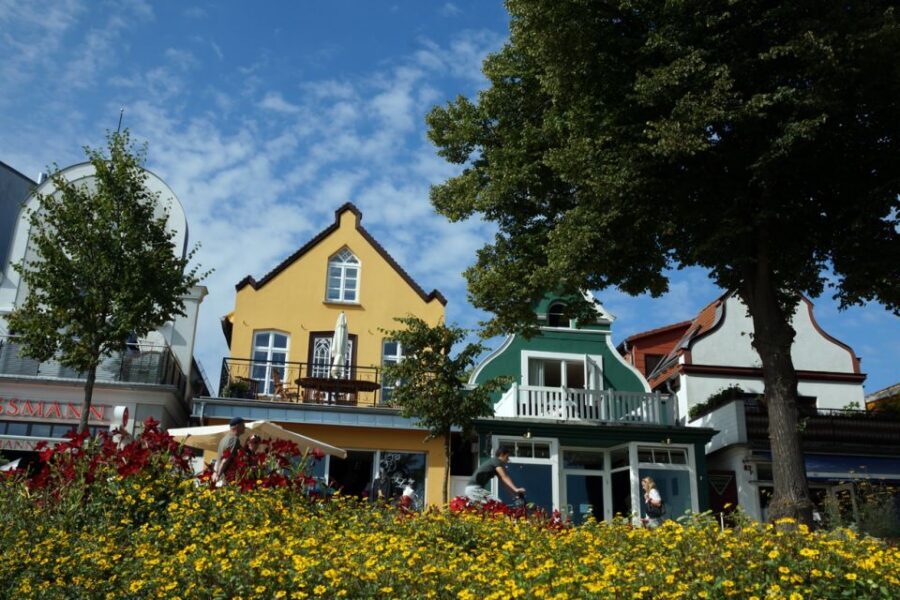
Warnemünde starts with the kind of visual details that make you want to slow down. You’ll pass through a former fishing village area with typical gabled houses from the 18th and 19th centuries, including half-timber façades and ornamental doors. It’s the sort of architecture that’s easy to overlook if you’re just taking photos—your guide helps you connect the look to the place’s past.
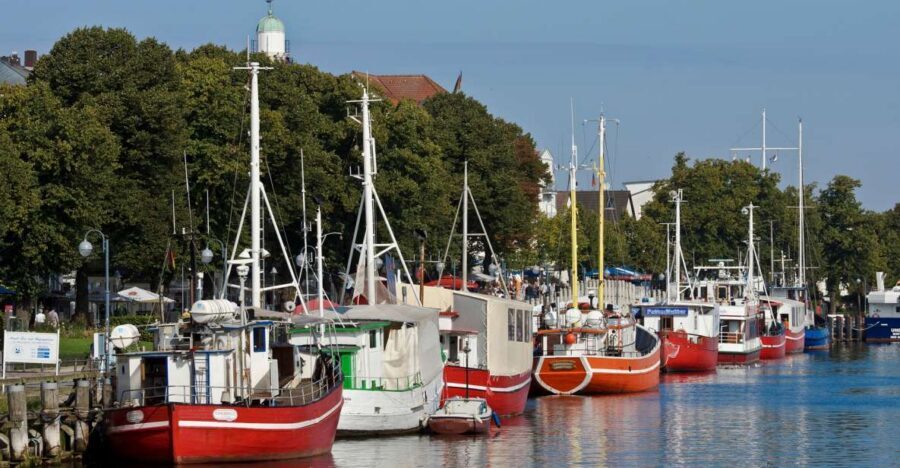
You’ll also get time at the harbor of Warnemünde, where you can see the brightly-painted fishing boats that give the waterfront its signature feel. And you’ll walk along the Old Stream canal lined with quaint cafés and painted boats. Even if you don’t stop for food, it’s a great “breathing space” part of the tour—coastal sights make a walking day feel lighter.
A practical note from how this day runs: you may wish you had more time to linger. The tour gives you the key sights, plus suggestions to return after your guided portion ends. If you enjoy a bit of window-shopping, Warnemünde is where you’ll most want that extra hour.
The public tram and train ride: a shortcut to local rhythm
One of the smartest parts of this trip is that it uses public transportation. You don’t just get views from a bus window—you get the experience of moving like someone who lives here.
You’ll take a commuter train and tram into Rostock. The value isn’t just scenic; it’s practical. Rostock is big enough that the streets can be confusing without local context, and your guide helps you navigate timing and direction once you’re in motion. In past days, guides have specifically helped the group manage the transport information flow, which is useful if announcements are only in German.
Also, the tram/train breaks the walking into manageable chunks. That matters when the ground turns from neat pavement to older cobblestones.
Rostock’s St. Mary’s Church: the astronomical clock moment
Rostock’s “wow” stop is St. Marien (St. Mary’s Church). The entrance fee is included, so you’re not scrambling for tickets in the middle of your port day.
What makes this stop worth your time is the combination of inside access and a specific standout feature: the astronomical clock. Your tour includes time to look inside the church and see the clock—timed so you can catch it while it’s operating. This is one of those rare attractions where timing is everything, and a guided schedule helps you hit the moment.
If you’re the type who likes to understand what you’re looking at (not just snap and run), a good guide here can turn the clock and church details into something you actually remember later.
Monastery of the Holy Cross and the medieval city feel
Rostock isn’t only about one famous church. During the guided walking time, you’ll also see important historical anchors around the city center, including the Monastery of the Holy Cross area and the medieval church and streets that shaped the Hanseatic era city layout.
You’ll learn a bit about Rostock’s past and present at the right places—your guide points out how the city’s identity evolved, rather than listing facts in a hurry. The goal is to help you connect buildings to eras, so when you look at a façade or street pattern later, it feels meaningful.
There’s also a nod to the medieval town boundary via the medieval town wall area. Even if you don’t have time to do a full wall walk, seeing the concept gives you context for why the city core looks the way it does.
Town hall, university area, and your one-hour window to breathe
After the guided highlights, you’ll get leisure time in Rostock’s central square—about one hour. That hour is intentionally “you time.” This is your chance to do what guided tours can’t: wander the shop streets, grab a snack, or slow down and take in the squares at your own pace.
You can also use this time for a quick reset if the morning walking and clock viewing left you a bit behind on energy. The best move is to decide before you leave your guide: do you want shopping, a sit-down bite, or photo wandering? If you try to do all three, you’ll feel pressed.
If you’re a food person, plan to treat this as a snack-and-stroll hour. Food and drinks aren’t included, so you’ll be choosing something on your own. Keep in mind you’re in the city center, so you’ll have options, but prices may be a bit higher than what locals pay if you’re close to the main squares.
Price and value: is $81 worth a port-day sprint?
At $81 per person for about 5 hours, value comes down to two things: what’s included and what’s saved.
Included:
- English-speaking guide
- Public tram and train tickets
- Church entrance fee for St. Marien
- Pick-up and drop-off at the cruise port
What you’re really paying for is not just “a walking tour.” It’s a guided, timed visit to a specific interior attraction (the church and clock), plus the transport tickets that let you move without figuring out connections on a tight cruise schedule.
Compared with tours that simply dump you in a city center, you get better structure: the guide helps you see the right pieces and keeps the group moving. And compared with hiring a private driver or longer day trip, this is a lower-risk use of your limited port time.
The drawback is also baked into the structure: you’re not there long enough to do everything. If you want long museum time or deep neighborhoods, you’ll have to choose later trips or independent exploration.
Walking comfort, cobblestones, and what to wear
You should come prepared for a walking day: comfortable shoes are a must. The tour also notes you should be able to walk for 15 to 20 minutes at a time, and the route includes older surfaces that can be tougher underfoot.
Also plan around luggage. The tour states no luggage or large bags. For cruise passengers, that usually means keeping your daypack manageable, wearing layers, and avoiding anything that slows group movement.
Group size is capped at 20, which helps with pace and questions, but it still doesn’t turn the day into a slow stroll. You’ll want to keep up to enjoy it.
Who should book this and who should skip it
This shore trip is ideal if you want:
- a guided, structured look at both Warnemünde and Rostock
- a taste of Rostock beyond the immediate port area
- the public tram/train experience instead of only bus rides
- a strong stop at St. Mary’s Church and its astronomical clock
It’s not a great match if:
- you use a wheelchair (the tour is not suitable for wheelchair users)
- you need long resting breaks or limited walking time
- you’re traveling with large luggage
If you’re a first-time visitor to this part of northern Germany, you’ll likely appreciate the way this tour “orients” you fast. And if you love maritime towns, the Warnemünde harbor vibe is the kind of thing you can keep thinking about after you leave.
Should you book the Rostock: Warnemünde and Rostock shore trip?
I’d book it if your priority is a high-efficiency port-day overview with real sights and transport taken care of. The St. Mary’s Church stop, the astronomical clock moment, and the guided walk through Warnemünde’s old harbor streets are strong reasons by themselves—then the one-hour Rostock center window gives you room to make the day feel personal.
Skip it if your number-one goal is slow sightseeing, museum-depth time, or minimal walking. This is built for movement and timing, not lounging.
If you do book, pack smart: comfortable shoes, keep your bag small, and be ready to walk cobblestones. Then you’ll get a genuinely satisfying taste of two very different sides of Mecklenburg—seaside charm first, city-center history second.
FAQ
How long is the shore trip?
The total duration is about 5 hours.
Is this tour mostly walking?
Yes. It’s a walking tour, and you should be able to walk for 15 to 20 minutes at a time.
What does the tour include besides the guide?
It includes pick-up and drop-off at the cruise port, an English-speaking guide, public train and tram tickets, and an entrance fee to St. Marien (St. Mary’s Church).
Are food and drinks included?
No. Food and drinks are not included.
Is there time to shop in Rostock?
Yes. You’ll have leisure time in Rostock’s center (about 1 hour), which is built for browsing shops or grabbing a snack.
Can I bring luggage or a large bag?
No. Luggage or large bags are not allowed.
Is the tour suitable for wheelchair users?
No. The tour is not suitable for wheelchair users.
What language is the guide?
The guide is English-speaking only.