REVIEW · HAMBURG
Hamburg: Hop-On Hop-Off Harbor Cruise with Commentary
Book on GetYourGuide →Operated by MARITIME CIRCLE LINE · Bookable on GetYourGuide
Hamburg looks better from a barge. This hop-on hop-off harbor cruise gives you the big-picture view of Hamburg’s port and then lets you hop ashore for the places that fit your day. It’s built around a short, guided water ride with stops you can use to shape your own pace.
I love the freedom of paying once and then doing as many shore stops as you want within your ticket day. I also love the live onboard talk in English and German, with the kind of history-and-humor delivery that keeps the 90 minutes from feeling like a long lecture.
One possible drawback to keep in mind: if you’re planning around specific shore stops, double-check that your departure is calling at the stops you care about before you commit your museum schedule.
In This Review
- Key Things I’d Put on Your Radar
- How This Hamburg Harbor Cruise Really Works (And Why It’s Good Value)
- Landing Bridge 10: Your Starting Point and First Small Win
- The 90-Minute Harbor Cruise: Views, Information, and Practical Orientation
- St. Pauli and Bridge 10 Stops: Where Your Day Starts to Shape Up
- HafenCity and the Speicherstadt from the Water: The Perspective You’ll Remember
- The Shore Sights: What Each Stop Adds to Your Day
- Elbe Philharmonic Hall Area: A Big Building With a Port Backdrop
- Speicherstadt, Wunderland, and the Dungeon: Fun Stops for Different Tempos
- BallinStadt: Emigration Stories You Can Pair With the Port Context
- Hafenmuseum Hamburg: The Port’s Past, Explained
- International Maritime Museum: When You Want More Than One Theme
- Cap San Diego: The Hands-On Museum Ship Stop
- How to Plan Your Hop-Off Time Without Losing the Plot
- Price and Value: Is This $31 Worth It?
- Who This Tour Fits Best (And Who Might Skip It)
- Should You Book This Hamburg Harbor Cruise?
- FAQ
- How long is the harbor cruise?
- How many times can I hop on and off?
- Where do I meet for the tour?
- What time do boats depart from Landing Bridge 10?
- What stops are included on the route?
- Is there live commentary, and what languages are offered?
- Are museum entrances included?
- What amenities are available on board?
Key Things I’d Put on Your Radar
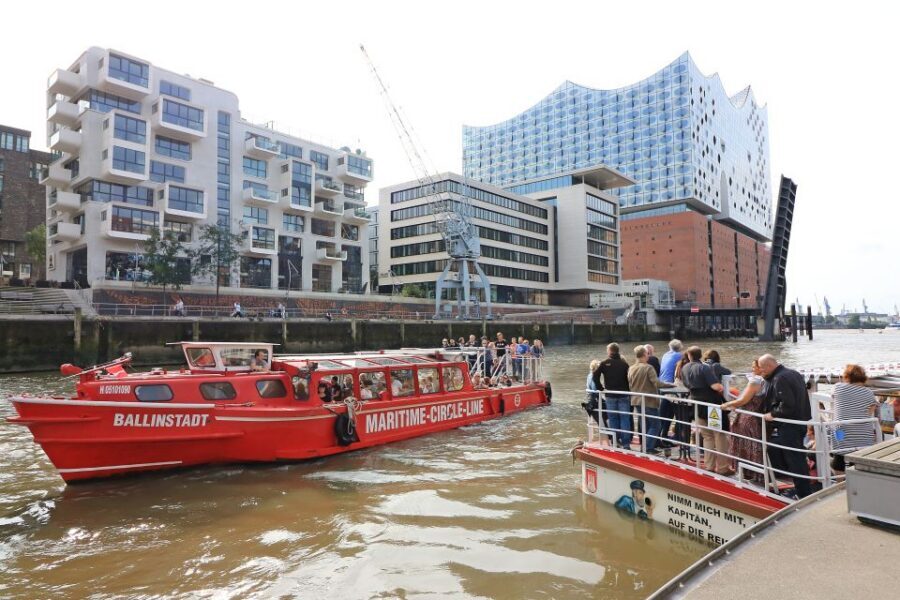
- Hop-on hop-off day ticket: one payment, multiple shore stops at your pace
- Departure times matter: boats run daily from Landing Bridge 10 at 10:55, 12:55, and 14:55
- Port views you can’t get walking: cranes, docks, and cruise ships from the water
- Speicherstadt crossing from the barge: you get a rare perspective on Hamburg’s landmark warehouses
- Shore options are built in: BallinStadt, maritime museums, Miniatur Wunderland area, and museum ships
- Live bilingual commentary: English and German, with a storytelling style that works
How This Hamburg Harbor Cruise Really Works (And Why It’s Good Value)
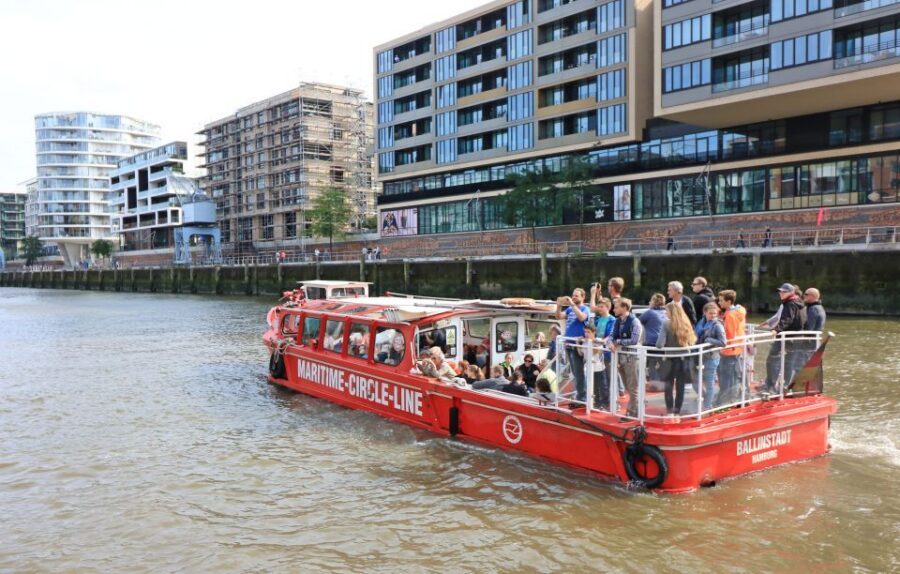
The core experience is simple: a 90-minute harbor barge cruise with hop-on hop-off access all day. You pay once, ride the water route, and use the stop points to get on and off whenever you want. That’s a big deal in a city where some sights are spread out and timed well for a return visit.
At its best, this tour turns a single boat ride into a full HafenCity and Speicherstadt sightseeing block. You’re not trapped on the water the whole time. Instead, you use the cruise to orient yourself fast, then you go explore onshore for as long as you like.
For value, the price is easiest to judge if you plan to do at least one or two of the optional museums/ship entries. The ticket can include entrances such as BallinStadt, the International Maritime Museum, and the Cap San Diego ship museum, depending on which option you choose. If you’ll pay for one of those anyway, the cruise starts to look like a bundled deal: transportation plus guided port context.
You can also read our reviews of more boat tours in Hamburg

Landing Bridge 10: Your Starting Point and First Small Win
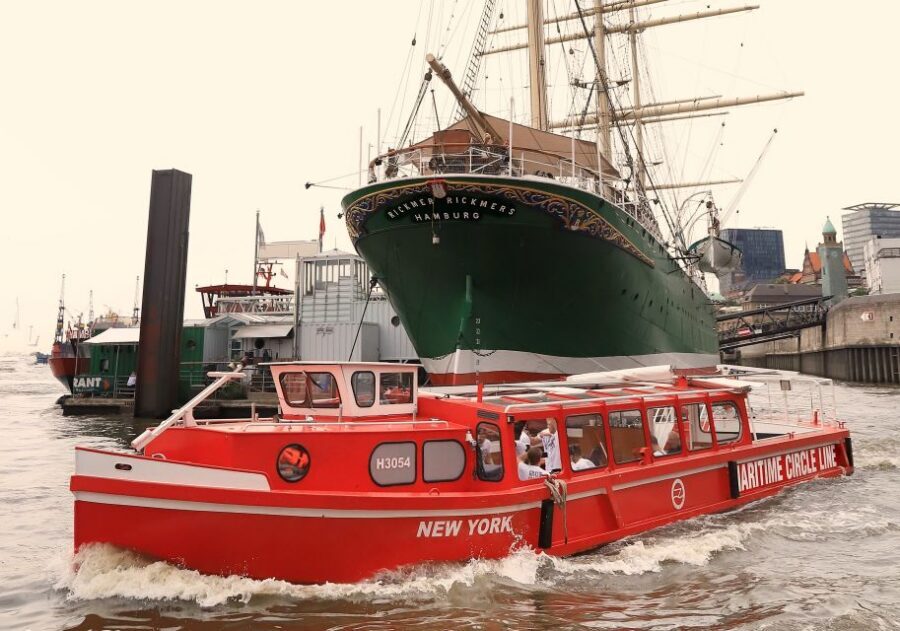
Your meeting point is the ticket booth at Landing Bridge 10. It’s about 20 steps past the restaurant called Die Fischbrötchenbude, so you’ll want to arrive with a little buffer to avoid the “where exactly is the booth” moment.
This matters because you’re choosing among three departures daily: 10:55, 12:55, and 14:55. If you pick an early sailing, you buy yourself more daylight hours to hop off, visit, and return. If you pick later, you’ll still get the cruise context, but your shore time may feel tighter.
On board, you can usually adjust your comfort by switching between inside and outside seats. That’s not a small perk in Hamburg, where the weather can change its mind. You also have restrooms available on the barge, which helps a lot when you’re planning a longer day with multiple stops.
The 90-Minute Harbor Cruise: Views, Information, and Practical Orientation
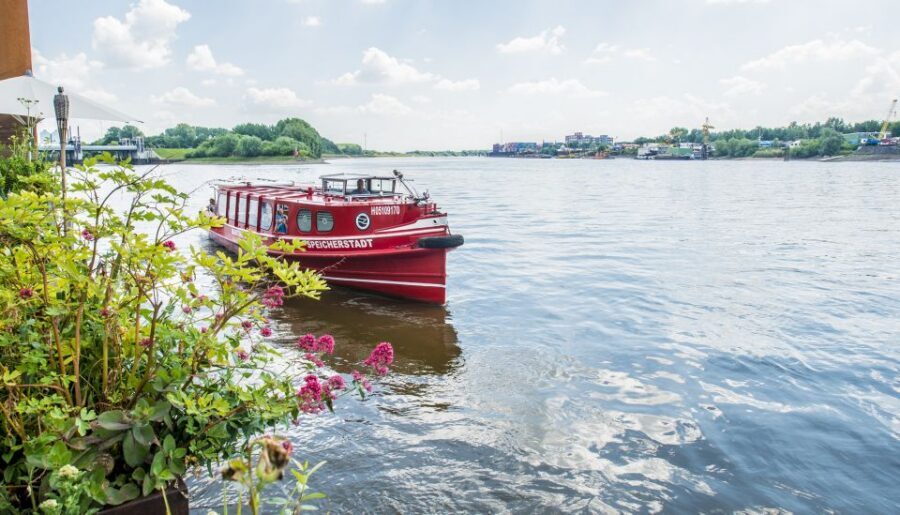
This is a port-focused route, and you’ll feel it from the first stretch. From the water, the harbor’s rhythm becomes obvious: working infrastructure, shipping activity, and the way Hamburg’s waterways connect neighborhoods.
The live commentary runs in English and German, which is ideal if you’re traveling with someone who prefers one language or another. It also helps you understand what you’re seeing rather than just admiring it. You get explanations tied to the Port of Hamburg and the maritime setting around HafenCity and the Speicherstadt.
During the cruise, the barge calls at several key points daily, including the St. Pauli Landing Bridges and Bridge 10. Those are your main “you can get on/off here” anchors, and they help you build a day that makes sense instead of forcing a single rigid route.
Expect to see major port elements like harbor cranes and big ships. Even if you’re not a shipping nerd, the visual scale tends to land fast. And once you’ve seen the port from the water, many of the signs, buildings, and warehouse shapes onshore make more sense.
St. Pauli and Bridge 10 Stops: Where Your Day Starts to Shape Up
If you’re using the hop-on hop-off structure well, the early stop points are where you lock in your plan. Bridge 10 is especially central because that’s where you start, and it’s also one of the major call points for returning.
The St. Pauli Landing Bridges stop is useful because it can feel like a quick reset after you’ve gotten orientation from the water. You can hop off, stroll, and then decide whether you want to move on to the big sights further along the route. The main advantage here is flexibility: you’re not stuck deciding everything in advance.
I like this stop structure because it turns the cruise into a “guided preview” of what you’ll explore later. You’ll come off the boat with real landmarks in your head. That saves time once you’re on foot.
HafenCity and the Speicherstadt from the Water: The Perspective You’ll Remember
HafenCity and the Speicherstadt are the headline neighborhoods, and the barge gives you a view that walking can’t replicate. You’ll cross through the historical Speicherstadt area on the cruise route, so you see the warehouse district in motion rather than as a static background.
From the barge, the Speicherstadt’s shape and layout come through clearly. It’s one thing to look at those famous facades and bridges from street level, and another to understand how the waterways cut through the district. You get a real sense of why this area became such a major trade and storage zone.
Onshore in HafenCity, you’ll have a strong “modern city next to heritage port” contrast. That blend is part of what makes Hamburg feel like Hamburg. The cruise doesn’t just show you landmarks; it shows you the city’s relationship with the harbor.
If your priority is photos, the water angle is where you’ll likely feel happiest. You’re not just photographing buildings. You’re photographing the harbor context around them—cranes, docks, and ships—and that’s what makes the pictures feel more like travel than postcards.


The Shore Sights: What Each Stop Adds to Your Day
This tour pairs the water ride with a menu of shore options. Some stops are museum-leaning, others are “see it and stroll” kind of breaks. Here’s how to think about the main shore stops so you don’t overbook yourself.
Elbe Philharmonic Hall Area: A Big Building With a Port Backdrop
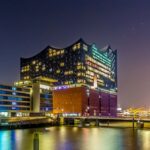
You’ll pass by or connect near the Elbe Philharmonic Hall area. This is one of those places where the building is the attraction, but the best photos often include the surrounding water-and-harbor setting.
This stop works well if you want a quick urban landmark moment without needing extra museum time. You can grab your bearings, take a few photos, and then decide whether you want to keep moving toward the Speicherstadt zone.
Speicherstadt, Wunderland, and the Dungeon: Fun Stops for Different Tempos
The cruise route includes the Speicherstadt area with nearby attractions such as Miniatur Wunderland and the Dungeon area (as listed in the stop set). These are very different experiences, but they share one thing: they let you turn the sightseeing day into something more hands-on.
If you have kids or you simply want a break from “reading about history,” these attractions can be a good change of pace. If you prefer quieter sightseeing, you can still use this stop to focus on the warehouse district streets and bridges instead.
BallinStadt: Emigration Stories You Can Pair With the Port Context
BallinStadt is included as an onshore option, and it’s tied to Hamburg’s emigration history. A lot of cities have maritime museums, but this kind of story-centered stop gives the port meaning beyond ships.
What works about pairing BallinStadt with the harbor cruise is timing. You hear about the port and shipping context on the boat, then you can walk into the human story of emigration. You’ll likely find the museum part lands better when you’ve already seen the harbor scale from the water.
If you selected the BallinStadt entrance option, you get that smooth “walk off the barge and go in” flow. Even without it, the stop is still the right place to branch off if emigration history is your thing.
Hafenmuseum Hamburg: The Port’s Past, Explained
The Hafenmuseum Hamburg stop is a strong pick if you want the historical angle. This is where a port cruise starts turning from “scenery” into “context,” because museums can anchor all those cranes and docks to real stories.
If you’re the type who likes details—how things were built, how shipping evolved, how the port operated—this is one of the most logical stops to prioritize. It pairs nicely with other Speicherstadt-area walking because you’ll understand what you’re seeing.
International Maritime Museum: When You Want More Than One Theme
The cruise list includes the International Maritime Museum area. This is a great choice if you want a broader maritime view, not just a single thread like emigration or a ship-specific display.
The best way to use this stop is to choose it as your main “museum block” rather than trying to do too much at once. If you also plan to see Cap San Diego, for example, you might separate them by time—one in the morning, one later—so you don’t feel museum fatigue.
Cap San Diego: The Hands-On Museum Ship Stop
The Cap San Diego is the kind of stop you can plan around because it’s physical and visual. As a museum ship entrance option, it’s a strong fit for anyone who likes exploring spaces with their hands and eyes.
This is also a good stop if the harbor visuals on the barge already hooked you. You’ll see the working-world vibe from water, then you get to step into a ship setting onshore. Even if you don’t consider yourself a maritime person, museum ships tend to be easier to enjoy than you expect.
How to Plan Your Hop-Off Time Without Losing the Plot
Here’s the trick I’d use if I were building a perfect day: pick one anchor visit and build around it. Choose a primary museum ship or major museum (BallinStadt, Hafenmuseum Hamburg, the International Maritime Museum, or Cap San Diego), then use the barge stops for shorter complementary visits.
Because the cruise itself is 90 minutes, you can treat it as your orientation tool. You’ll see the harbor route, the cranes, and the way the Speicherstadt sits alongside the city. Once you know how the pieces connect, you’ll walk faster and stress less.
Also, don’t forget the practical win: the barge has restrooms and inside/outside seating. If you spend a couple of hours onshore, you’ll want that comfort boost when you’re back aboard.
One more planning note: the barge calls at multiple points daily, but your specific departure can matter. If a particular stop is essential for you, plan your day so you have at least a little flexibility. That way, you won’t have to scramble if timing is slightly different than expected.
Price and Value: Is This $31 Worth It?
At about $31 per person for the day-style hop-on hop-off experience, the value depends on how you use it. If you’ll only do the cruise and one quick stop, it may feel like a paid sightseeing ride. But if you plan to hop off for a museum or two, it becomes more like a day pass that earns its keep.
Here’s why I think it can be good value for the right traveler:
- You get a guided harbor cruise with live bilingual commentary rather than a random loop
- You get flexible shore time instead of a single fixed schedule
- Optional entrances can bundle into the plan if you choose them
In other words, this tour works best when you let the cruise do what it’s good at—orientation and port context—and then you let the shore sights do what they’re good at—deeper exploring.
Who This Tour Fits Best (And Who Might Skip It)
This is a smart match if you want the best of both worlds: a guided view from the water and easy access to top Hamburg sights. It’s also ideal if you like planning with structure but still want freedom.
I’d especially recommend it if you’re:
- Visiting HafenCity and Speicherstadt and want the water perspective
- Interested in maritime history, emigration history, or museum ships
- Traveling with different interests in your group and want multiple ways to spend time
If you prefer a very curated, timed itinerary with zero decision-making, you might find the hop-on freedom slightly harder. But if you like control, this setup is basically built for you.
Should You Book This Hamburg Harbor Cruise?
I’d book it if you want a practical way to understand Hamburg’s port and then spend your day exploring HafenCity and the Speicherstadt with less guesswork. The live bilingual commentary and the ability to hop on and off are the main reasons to choose this over a simple harbor cruise.
Do it if you’re planning at least one museum or museum-ship stop like BallinStadt or Cap San Diego. If those shore visits aren’t on your radar, you may be better served by a shorter cruise only.
FAQ
How long is the harbor cruise?
The barge cruise is about 90 minutes.
How many times can I hop on and off?
You pay once and your hop-on hop-off ticket is valid for the day, so you can use multiple stops during that time.
Where do I meet for the tour?
Meet at the ticket booth at Landing Bridge 10, about 20 steps past the restaurant Die Fischbrötchenbude.
What time do boats depart from Landing Bridge 10?
Boats depart daily at 10:55, 12:55, and 14:55.
What stops are included on the route?
Stops include Landing Bridges and Bridge 10, Elbe Island – Wilhelmsburg, BallinStadt, Hafenmuseum Hamburg, Elbe Philharmonic Hall, Speicherstadt – Wunderland – Dungeon, Cap San Diego, and Landing Bridge 10.
Is there live commentary, and what languages are offered?
Yes. There is live commentary in English and German.
Are museum entrances included?
Some entrances are included if you select the relevant options, including Cap San Diego, the Maritime Museum, and BallinStadt.
What amenities are available on board?
There are inside and outside seats, drinks available, and restrooms on board.