REVIEW · DARMSTADT
Darmstadt: Mathildenhöhe UNESCO Site Guided Visit
Book on GetYourGuide →Operated by Darmstadt Marketing GmbH · Bookable on GetYourGuide
This art-nouveau hillside feels like a time machine. The UNESCO Mathildenhöhe Darmstadt ensemble, tied to the modern break around 1900, turns architecture into a story you can actually follow. I love how the guide connects the big idea to real places: studio building, exhibition building, artists’ houses, and the park. I also like the way the best-guided explanations bring in the people behind the work, so you’re not just looking at buildings. One drawback to plan for: the tour is generally German, so check for the Saturday 2pm English option if you need it.
At $17 for about 1.5 hours, this is strong value for a UNESCO site. You get a guided route that helps you see what makes the ensemble a turning point in architecture and art at the threshold of the 20th century. If you’re short on time in Darmstadt, this format is a smart way to get oriented without rushing.
You’ll meet at the north entrance of the Museum Künstlerkolonie Darmstadt, Olbrichweg 13A. The visit is designed to be wheelchair accessible, and it’s run by Darmstadt Marketing GmbH with a live guide (German).
In This Review
- Key highlights to look for
- Mathildenhöhe Darmstadt: UNESCO’s “modern break” in plain sight
- Finding your start: the Museum Künstlerkolonie north entrance
- How the guided route makes the studio building make sense
- Exhibition building: why public space changes the message
- Artists’ houses: seeing style as a way of life
- The park component: why the outdoor space belongs in the story
- Price and value: is $17 fair for a UNESCO-guided story?
- Language and timing: German most days, English on Saturday
- Who this tour suits best (and who should consider a different plan)
- Should you book the guided visit?
- FAQ
- How long is the Darmstadt Mathildenhöhe UNESCO guided visit?
- What language is the tour in?
- Are there any English-speaking tours?
- Where do I meet for the tour?
- What is included in the tour?
- How much does the tour cost?
- Is the tour wheelchair accessible?
- Can I cancel and get a full refund?
- Is there a reserve and pay later option?
Key highlights to look for
- An ensemble you can read like a map: studio, exhibition building, artists’ houses, and park are explained as one connected project
- The Olbrich idea behind the buildings: why a whole city concept mattered around 1900
- Jugendstil brought down to earth: expect clear explanations that tie style to choices and context
- Human-scale storytelling: guides such as Frau Gerhardt are praised for sharing background on the artists
- A practical 90-minute pace: enough time to understand, without feeling dragged around
- Language matters: most dates are German, with English on Saturday at 2pm
Mathildenhöhe Darmstadt: UNESCO’s “modern break” in plain sight
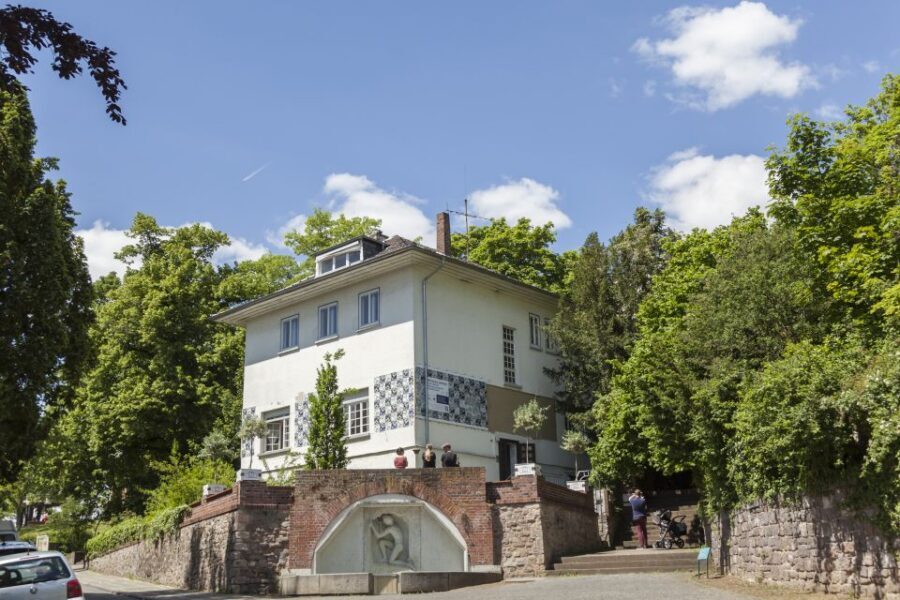
Mathildenhöhe is one of those places where “UNESCO” doesn’t feel like a stamp. It feels like a reason. The whole point of the guided visit is that you’re not seeing a random collection of historic buildings. You’re walking through an ensemble that was meant to show what a modern city could look like.
The guiding thread is the famous Joseph Maria Olbrich line: A city we must build, a whole city. In practice, the tour uses that idea to explain how architecture and art were treated as part of one mission, not separate worlds. The theme you’ll hear—Aufbruch in die Moderne—fits the feeling on site: a break from what came before, toward something new.
You’ll also learn why this place is viewed as architecturally and artistically groundbreaking, marking a turning point on the edge of the 20th century. The key for you is that the guide helps you spot the “why” behind the “what.” That’s what makes this worth doing with a person in front of you rather than just wandering.
You can also read our reviews of more guided tours in Darmstadt

Finding your start: the Museum Künstlerkolonie north entrance
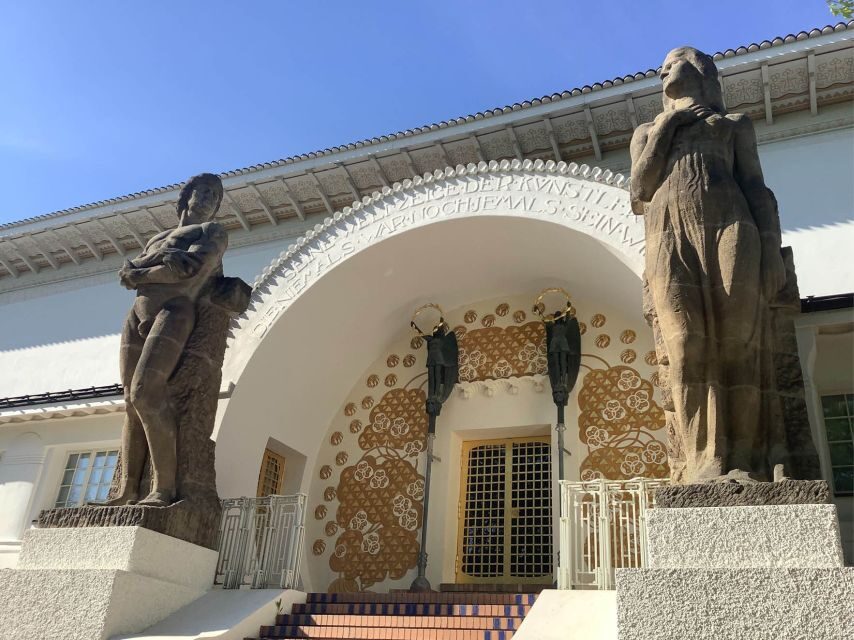
The meeting point is specific and easy to plan around: the north entrance to the Museum Künstlerkolonie Darmstadt at Olbrichweg 13A. Arriving a few minutes early helps you get your bearings before the group moves on.
I like meeting-point tours when they start where the story begins, not halfway through it. Here, you start at the Museum Artists’ Colony area, which gives you a foundation for understanding what you’ll see next. Even if you’ve never studied Jugendstil before, the guide’s opening context usually makes the ensemble click fast.
One practical tip: wear shoes you’d be happy to walk in for 90 minutes. The visit is short, but you’re moving through multiple areas—buildings plus the park—so comfortable footing matters more than you’d think.
How the guided route makes the studio building make sense
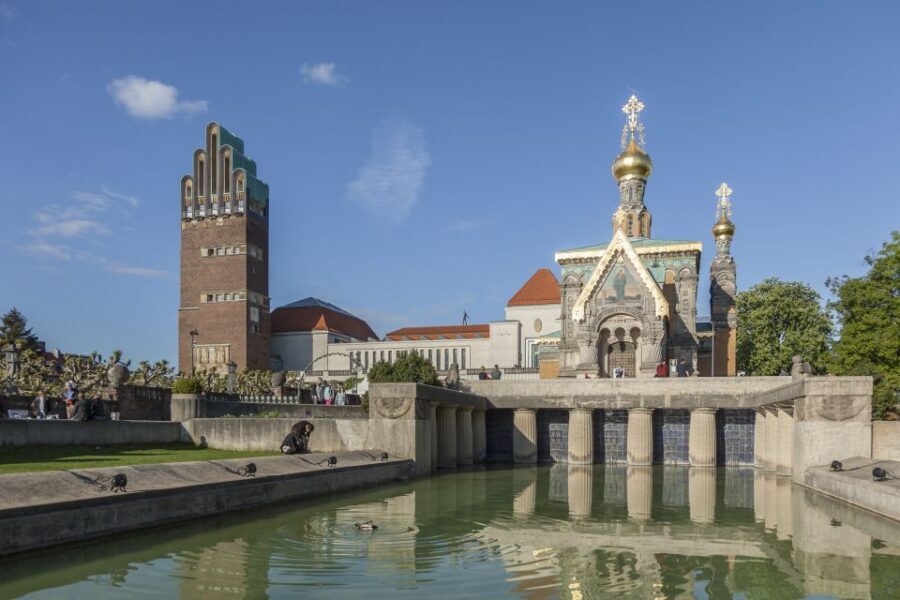
The guided visit covers the ensemble’s studio building as part of the full story. Without a guide, you can still admire architecture. But a studio building needs explanation to land emotionally. What you want to hear is how the studio fits the broader “city to be built” concept—and how artists and architects thought about their work.
On this tour, the studio isn’t treated as a static exhibit. It’s presented as a working idea: a place connected to the creative process. That matters because Jugendstil and the modern break were not just about surfaces. They were about new ways of living, working, and expressing values in built form.
What to watch for as you listen: try to follow the logic the guide uses. The guide’s job is to translate design language into meaning. If the guide spends time explaining what the studio represented for the artists, pay attention—those points usually carry over into the next stop.
Exhibition building: why public space changes the message
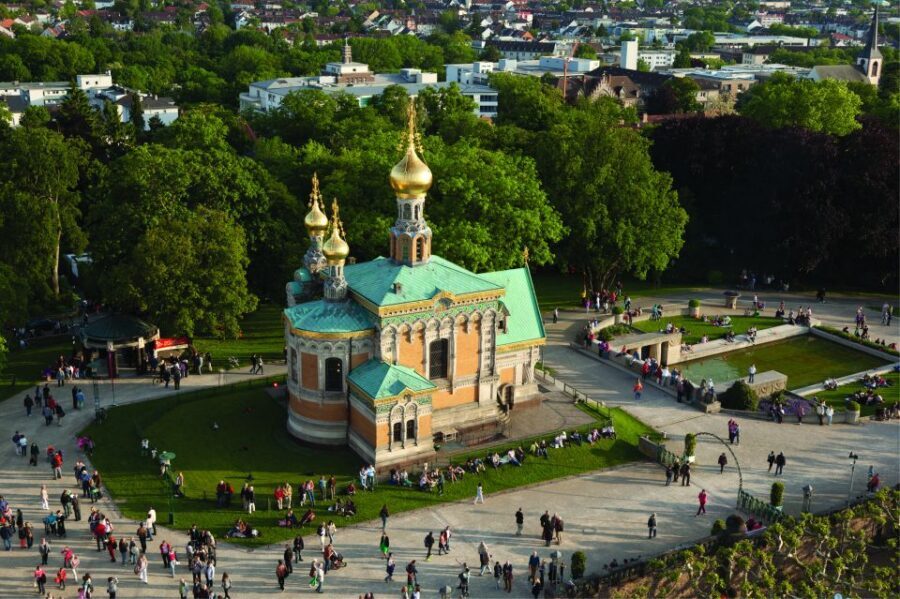
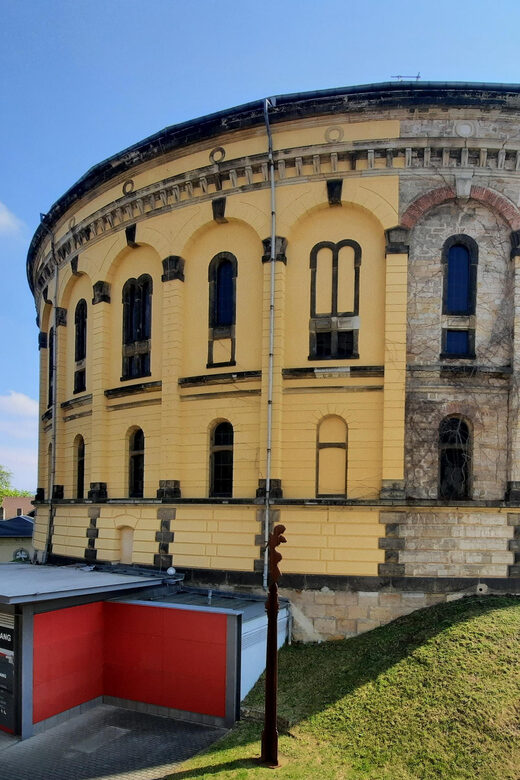
Next comes the exhibition building, and this is where the ensemble’s purpose gets broader. Studios are personal. Exhibition spaces are public. That shift—from private creation to shared presentation—is central to why the whole Mathildenhöhe project is considered a turning point.
I like this part because it helps you understand the ensemble as a cultural statement, not only an artistic one. The modern break around 1900 wasn’t just happening in workshops. It was showing up in what societies chose to display and celebrate.
If you want to get more out of the exhibition building stop, keep one question in mind: what does it communicate about the artists’ ambitions? The guide’s narrative usually ties architecture to intent, so you’re not just looking at walls—you’re interpreting how the building supports the ensemble’s mission.
A possible drawback: if you’re expecting a stop that’s heavy on detailed interior access or long lingering inside rooms, you might find the pacing brisk. This tour is designed to tell the story of the whole ensemble in about 90 minutes, so you’ll get meaning and orientation more than a slow, room-by-room museum experience.
Artists’ houses: seeing style as a way of life
The tour also includes the artists’ houses, and this is where the modern break becomes most relatable. Houses are where ideas meet daily routines. They’re where you see how artists wanted their environment to support living, not just displaying art.
The guide typically frames these houses as part of the ensemble’s larger promise: a “whole city” vision. That framing matters because houses can feel like separate objects when you’re looking at them one by one. In a guided visit, they become a system.
One thing I’d watch for here is how the guide connects artistic aims to home life. In the language you’ll likely hear on the tour, that connection often shows up through details about the artists’ work background and creative motivations. In German tours led by guides such as Frau Gerhardt, people have specifically praised the vivid storytelling and the between-the-lines context about what shaped the artists’ choices.

The park component: why the outdoor space belongs in the story
You’ll also spend time in the park area. The park isn’t just a break between buildings. In ensembles like this, open space is part of the design message. It helps define the pacing of a visit and how you perceive relationships between structures.
Even if you’re not a landscape person, the park stop can help you get perspective. It gives your eyes room to absorb the ensemble from different angles and to understand how the architecture sits within a planned environment.
The practical value for you: this is one of the easier parts to enjoy because you can relax while still listening. It’s often where a guide’s story lands—because the “city you must build” line feels more believable when you can see the ensemble as a whole, not just as separate façades.
If you’re sensitive to weather, check the forecast. A 90-minute tour with park time can feel cooler or warmer than you expect, depending on conditions.
Price and value: is $17 fair for a UNESCO-guided story?
Let’s talk value honestly. At $17 per person for about 1.5 hours, you’re paying for interpretation, not just access. And interpretation is the difference between seeing buildings and understanding why they matter.
Here’s how I think about the math for you:
- UNESCO sites can be big. This one is handled in a compact, guided format.
- The tour covers multiple elements of the ensemble—studio building, exhibition building, artists’ houses, and park—so you don’t have to design your own mini-route.
- A live guide adds context about the modern break and how the ensemble represents a turning point around 1900.
So yes, it’s a reasonable price when you want comprehension, not just photos. If you love architecture explanations and want a clear story arc, you’ll likely feel the value quickly. If you only want a quick walk for exterior views and you’re fine reading on your own, it might feel less essential. But for most people trying to understand Mathildenhöhe fast, a guided visit is the efficient move.
Also, the booking experience is set up for flexibility, which makes it easier to fit into a day with other plans.
Language and timing: German most days, English on Saturday
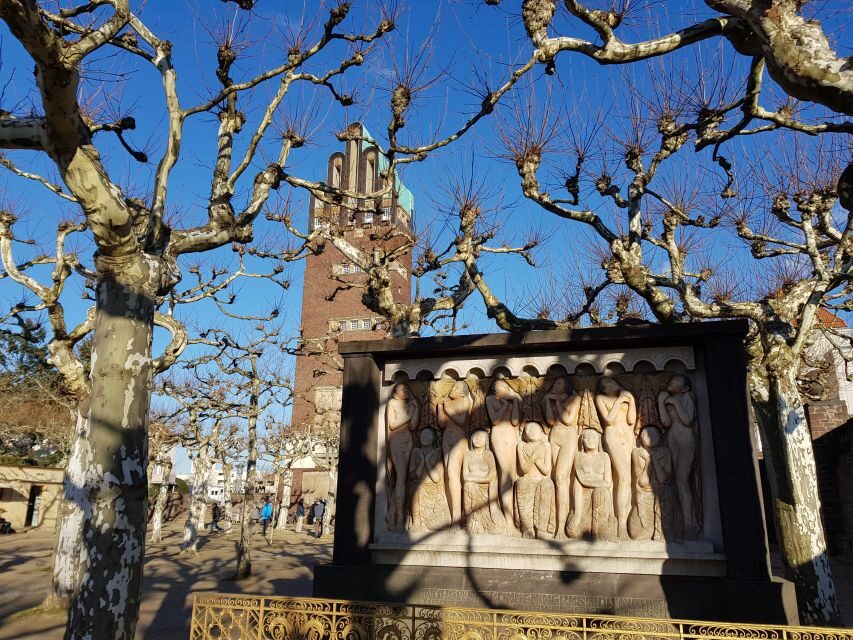
Plan around the language up front. The tour is generally German. The one reliable English option listed is: guided tours on Saturday at 2pm.
This matters because architecture storytelling often depends on nuance. If your German is basic, you might still catch key phrases, but you’ll get the most when you can follow the guide’s explanation without strain. If you’re traveling with limited German, treat the Saturday 2pm slot as your best bet.
Timing-wise, the duration is 90 minutes. That’s long enough for a real narrative, short enough to keep your day from turning into a travel marathon.
If you’re building a Darmstadt day, pair this tour with something else you can do at a relaxed pace afterward. Since it’s a UNESCO ensemble visit, your “next stop” can be more about wandering, not learning.
Who this tour suits best (and who should consider a different plan)
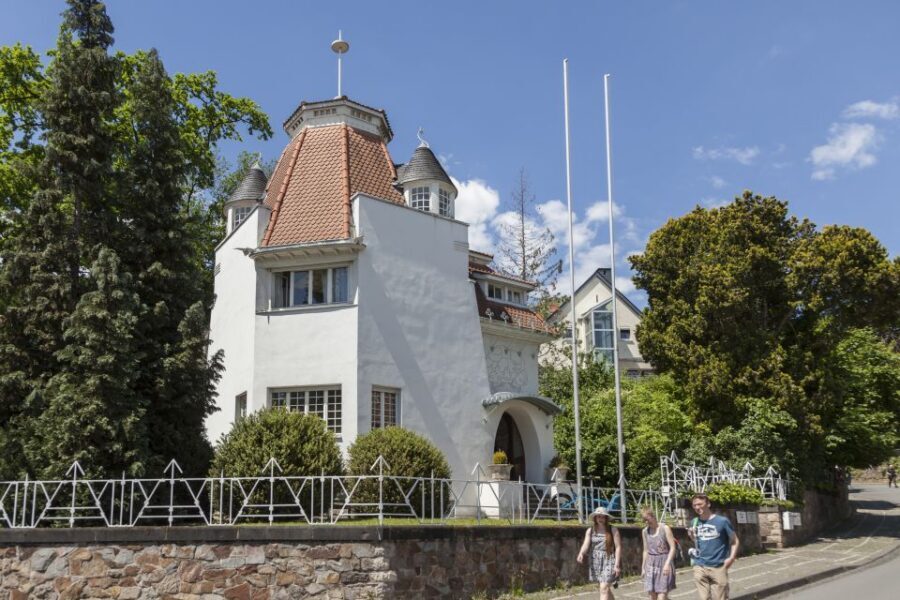
This guided visit works especially well if you:
- want a guided explanation of an UNESCO ensemble rather than a self-led walk
- like architecture and design history, especially the modern break around 1900 and Jugendstil
- enjoy hearing how artists’ backgrounds shaped the work
- want a compact 90-minute plan that covers multiple parts of Mathildenhöhe
You might rethink it if you:
- need an English tour outside Saturday at 2pm
- prefer long, slow museum time over a story-focused route
- only care about exterior photos and don’t want interpretation
The best match is someone who wants to leave with a clearer sense of what Mathildenhöhe was trying to do—and why.
Should you book the guided visit?
I’d book it if you’re heading to Darmstadt for the architecture side of things and you want context without spending hours studying beforehand. The biggest reason: you get a guided story that ties together the studio building, exhibition building, artists’ houses, and park into one coherent project. That’s the difference between a pretty outing and a meaningful one.
Skip it or choose the English slot if language is your weak point. The tour is generally in German, and the strongest learning happens when you can follow the guide’s explanations closely.
If you want an efficient, story-led UNESCO stop at a fair price, this is a solid choice.
FAQ
How long is the Darmstadt Mathildenhöhe UNESCO guided visit?
The guided visit lasts about 1.5 hours (90 minutes).
What language is the tour in?
The tour is generally in German.
Are there any English-speaking tours?
Yes. English-speaking tours are available on Saturday at 2pm.
Where do I meet for the tour?
You meet at the north entrance of the Museum Künstlerkolonie Darmstadt, Olbrichweg 13A.
What is included in the tour?
The guide tells the story of the UNESCO ensemble, including the studio building, exhibition building, artists’ houses, and the park.
How much does the tour cost?
The price is listed as $17 per person.
Is the tour wheelchair accessible?
Yes, the activity is wheelchair accessible.
Can I cancel and get a full refund?
Free cancellation is available up to 24 hours in advance for a full refund.
Is there a reserve and pay later option?
Yes. You can reserve now and pay later to keep your plans flexible.