REVIEW · DRESDEN
Dresden: Bootstour mit dem Schlauchboot Loschwitz – Radebeul
Book on GetYourGuide →Operated by FreizeitSpass Dresden · Bookable on GetYourGuide
Paddle the Elbe and Dresden looks different fast. I love how this inflatable boat turns sightseeing into something active, and I really like the way you get Dresden’s landmarks framed by the river instead of the usual streets.
You’ll spend the day gliding past castles on the slopes, under bridges, and toward calmer river stretches where the city fades a bit. One thing to think about: this is not a stroll—if you’re not comfortable in the water, it’s not the right fit. And there’s a “bring the right stuff” list for a reason.
In This Review
- Key highlights you’ll feel on the water
- Why Dresden by Schlauchboot beats the usual walking route
- Launching at DD-Loschwitz: where the river meets Dresden’s rail history
- Passing Loschwitz Bridge: the moment the river view turns iconic
- The Elbe castle run: Eckberg, Lingner, and Albrechtsburg in sequence
- Old town skyline hits: Brühlsche Terrasse, Frauenkirche, Hofkirche, Semperoper
- Saxon Ministry of Finance and Parliament: official buildings, river-style views
- Toward the Saxon Wine Route: calmer stretches and real downtime
- Ending in Altkötzschenbroda at the Radebeul water sports center
- Price and value: what $38 includes (and what it doesn’t)
- What to bring, and what can make or break your comfort
- The group setup rules you should check before you book
- Who should book this Elbe Schlauchboot ride
- Should you book the Dresden: Schlauchboot mit dem Schlauchboot Loschwitz – Radebeul?
- FAQ
- How long is the Schlauchboot tour?
- Where does the tour start and end?
- How much does it cost?
- What’s included with the ticket?
- What’s not included?
- Do I need to speak German or English?
- What should I bring?
- Is smoking allowed during the tour?
- Who is the tour not suitable for?
Key highlights you’ll feel on the water
- DD-Loschwitz start point: You launch from the area known for the historic funicular and suspension railway.
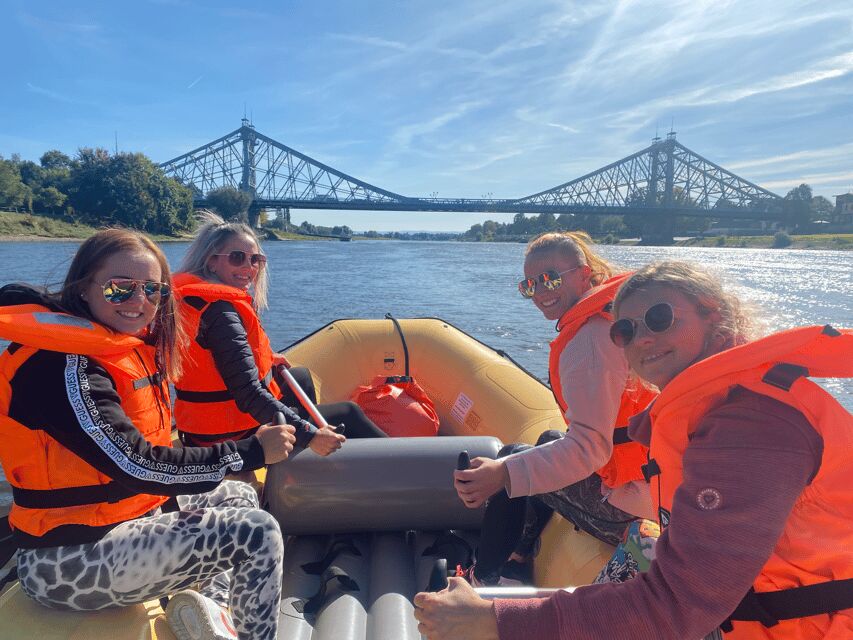
- Loschwitz Bridge pass-through: One of Dresden’s most recognizable crossings, seen from water level.
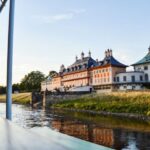
- Elbe castle sequence: Eckberg Castle, Lingner Castle, and Albrechtsburg Castle appear in order along the slope.
- Old-town skyline from the river: Views can include Brühlsche Terrasse, the Frauenkirche, the Hofkirche, and the Semperoper.
- Civic landmarks on the right bank: The Saxon Ministry of Finance and the Saxon State Parliament sit right along the route.
- Break time is built in: You get a pause during the 5-hour stretch, so it doesn’t turn into constant paddling.
Why Dresden by Schlauchboot beats the usual walking route
Dresden is easy to photograph from sidewalks. It’s much harder to understand from ground level—because the river is doing the heavy lifting. This trip uses an inflatable dinghy to put you where the city’s design decisions make sense: along the Elbe slopes, with major sights lined up as you move downstream.
You get a mix of “wow” and “oh, that’s clever.” “Wow” is the castle lineup and the old-town skyline you catch as you pass. “Clever” is how the route gives you quick, continuous perspective changes: turn your head and the view shifts, not just your feet.
Also, the boat setup is practical. You’re not going to be hand-wringing about gear. The tour includes CE-certified inflatable boats, life jackets, paddles, and a waterproof bag for your belongings. That’s a big part of the value, because you’re not paying extra to sort out basics.
Possible downside: this isn’t a lazy cruise with zero effort. Even with a built-in break, you’ll still be paddling for a while. If your energy is low or you dislike water-based activity, you might feel it.
You can also read our reviews of more tours and experiences in Dresden.



Launching at DD-Loschwitz: where the river meets Dresden’s rail history
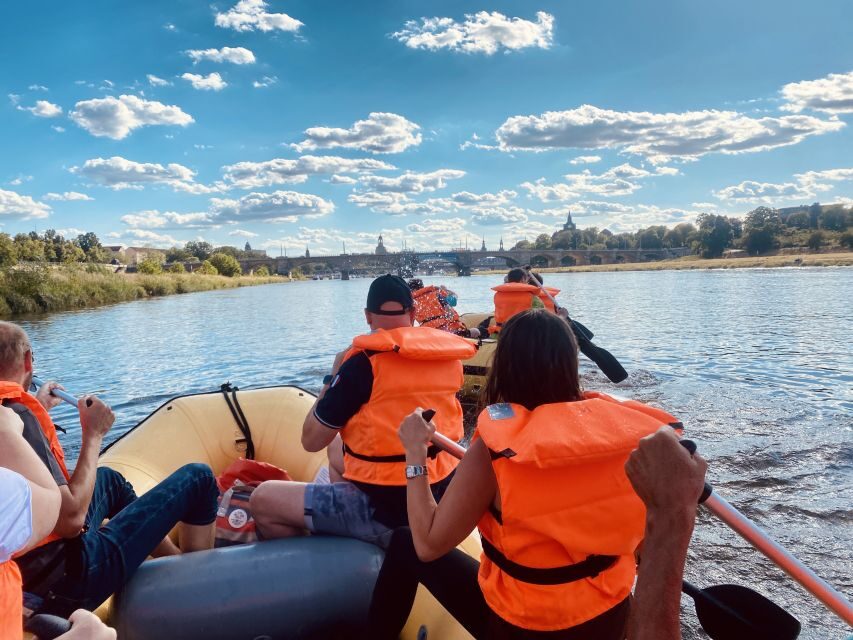
The experience starts in DD-Loschwitz. It’s the kind of place where Dresden’s transport story overlaps with its river story. You’re in the area tied to the historic funicular and the suspension railway, so even before the water fully “opens up,” you’re already looking at a neighborhood shaped by engineering.
Before you push off, there’s an instruction phase. Expect route guidance and a safety walkthrough that covers hazards you need to watch for. In other words: you’re not just handed paddles and sent away. The tone is meant to get you comfortable quickly, especially if it’s your first time on a small inflatable boat.
You’ll also want to think about what this means for your mindset. Plan to be alert at the start. In small boats, tiny adjustments matter—your body learns the rhythm faster than you’d expect, but only after you understand the basics.
Passing Loschwitz Bridge: the moment the river view turns iconic
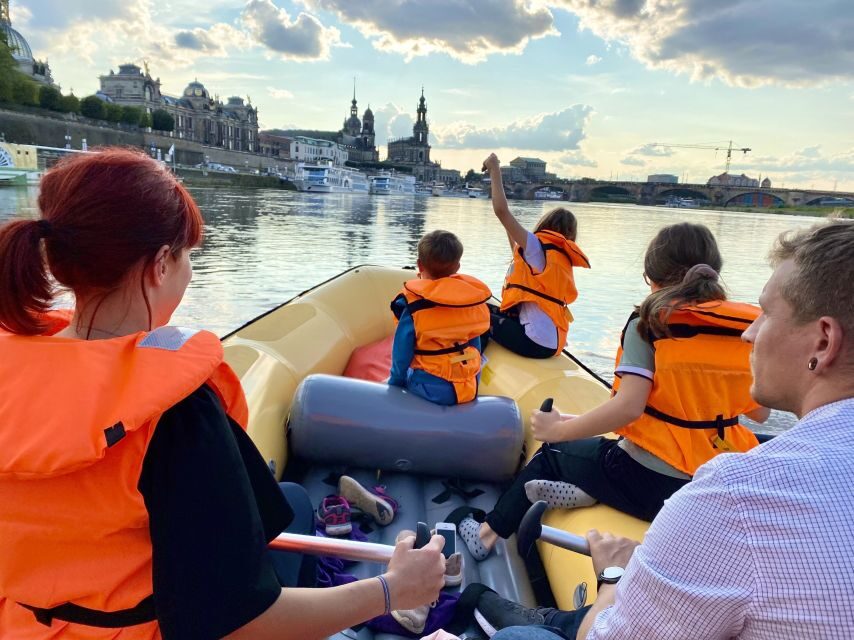
Soon after you’re underway, you get a standout photo-and-sight moment: Loschwitz Bridge. Seeing a bridge from the river is different than seeing it from the promenade. It’s not just architecture now—it becomes scale. You feel how long the crossing is, and how the Elbe corridor “connects” Dresden districts.
This is one of those stretches where you can slow down without stopping. Keep your eyes moving: bridge structure, nearby banks, and the slopes behind it. The river gives you a moving frame, and Loschwitz Bridge becomes the anchor point that helps everything else later make sense.
If you’re prone to overthinking during first-time water activity, take a simple approach: paddle steadily, look forward, then do a quick scan for landmarks. The rhythm makes it easier to enjoy what you’re seeing.
The Elbe castle run: Eckberg, Lingner, and Albrechtsburg in sequence
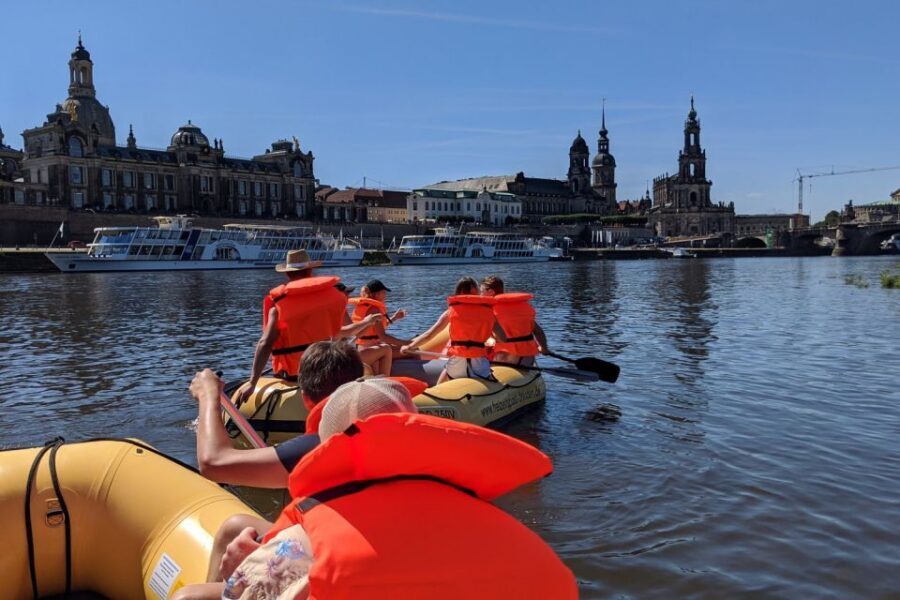
The signature sightseeing payoff comes along the Elbe slope. As you continue, the castle lineup appears in a clear order: Eckberg Castle, then Lingner Castle, and finally Albrechtsburg Castle.
This is where the trip’s “value per hour” gets real. Walking between these sights would take a lot longer and would come with the usual problem: you see them separately. From the boat, you see them as part of one river story—built on the idea that the Elbe is both a route and a view.
A practical tip: don’t just snap one picture and move on. With castles on a slope, the best views shift subtly with your angle. If you can, paddle for a few minutes, then pause your head-tracking and let the view settle. You’ll notice details you would’ve missed if you rushed.
Also, remember this section is still part of a 5-hour activity. You’ll want to balance “stop and stare” with “keep your energy for later.”
Old town skyline hits: Brühlsche Terrasse, Frauenkirche, Hofkirche, Semperoper
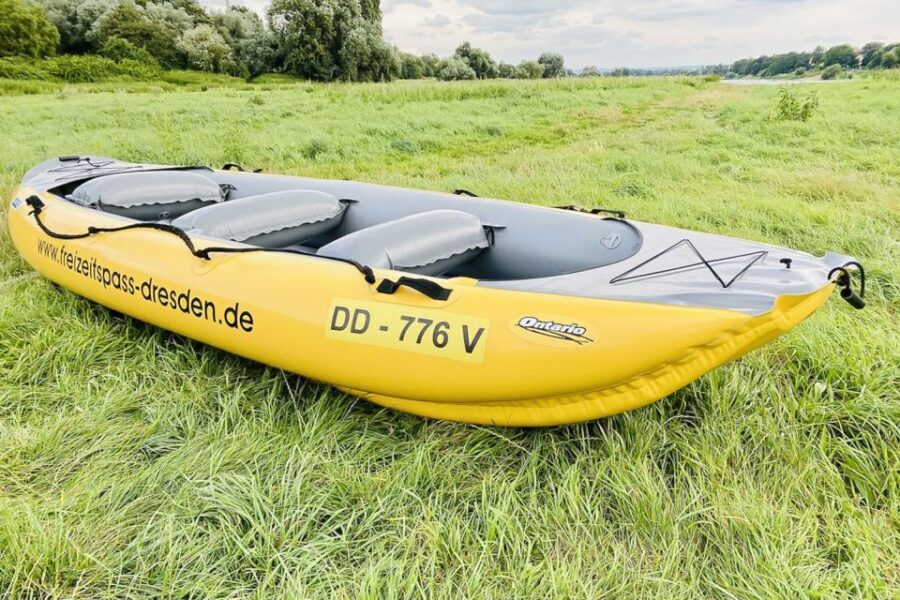
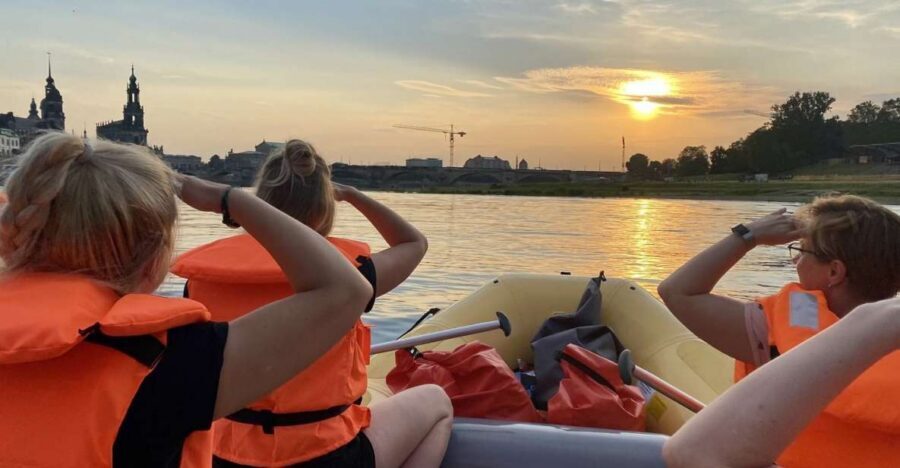
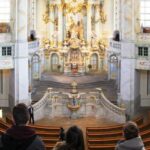
One of the most memorable parts is how the old town opens up from the river. As you go, you may get views including Brühlsche Terrasse, the Dresden Frauenkirche, the Hofkirche, and the Semperoper.
From the water, these aren’t just famous buildings. They’re part of a river-facing composition. You see how the city “turns” toward the Elbe, and you get a sense for sightlines that you simply can’t recreate from street level.
This is also a good moment to adjust expectations. You won’t necessarily see every landmark perfectly framed at the same time. River rides depend on angle, light, and what the banks are doing. Treat it like a sliding panorama. When you get a great view, spend a minute enjoying it before you push on.
If you’re a “clock-watcher,” be flexible here. The ride includes time for a break, and timing along river routes can shift slightly with the flow of the day.


Saxon Ministry of Finance and Parliament: official buildings, river-style views
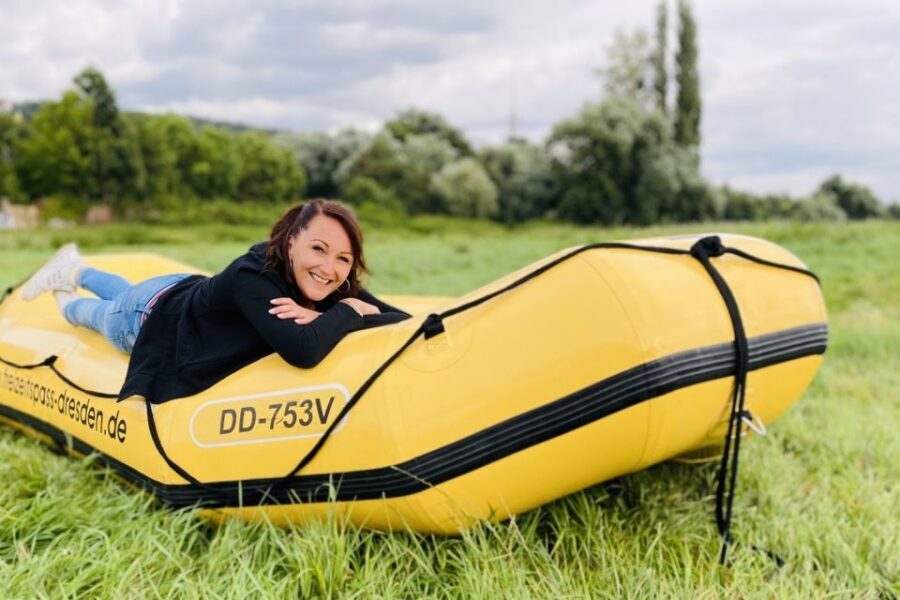
As you keep moving along the route, you paddle past the Saxon Ministry of Finance and the Saxon State Parliament. These are serious civic landmarks—seen from the river, they feel less like an office district and more like part of the Elbe’s daily stage.
Why that matters: you stop treating Dresden as only museums and monuments. You see the functioning city around them. It’s a reminder that this river isn’t just a backdrop. It’s a working corridor, a place where architecture meets movement.
If you like your sightseeing with a little realism—this section delivers. It’s not fantasy. It’s government buildings framed by water and bridges, with the city’s geography doing the staging.
Toward the Saxon Wine Route: calmer stretches and real downtime
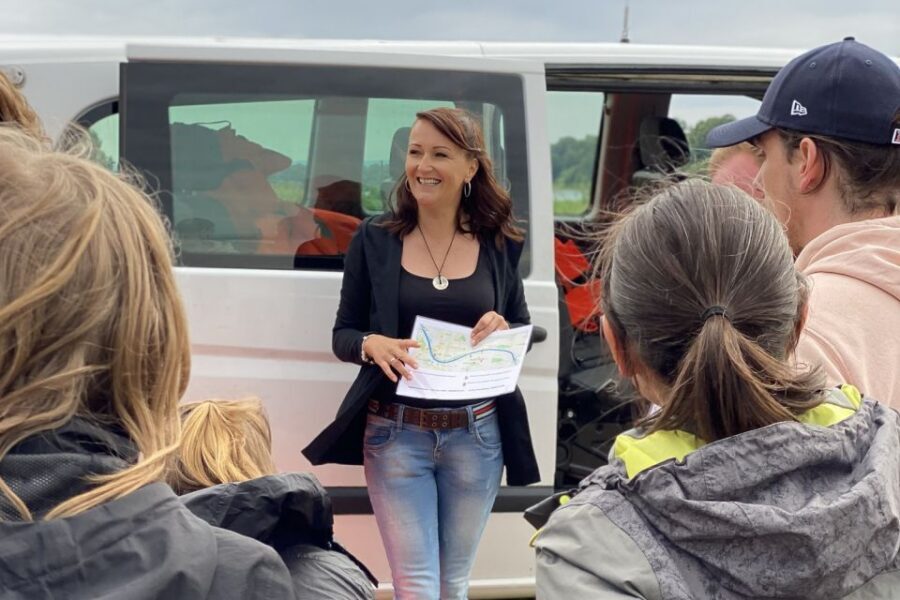
After the concentrated hits of Dresden sights and major landmarks, the route turns toward seemingly quieter Elbe stretches associated with the Saxon Wine Route. This part is valuable because it gives you a different “feel” than the city-heavy stretches.
You’ll likely notice you can relax your attention a bit more. The water ride becomes less about identifying one must-see and more about enjoying the pacing. If you’ve been paddling for a while, this is where the break time matters too.
A small planning note: since food and drinks aren’t included, think about your timing for snacks. You’ll want something easy to manage during the built-in pause, without turning it into a mess in the boat. Keep it simple, and you’ll enjoy the ride more.
Ending in Altkötzschenbroda at the Radebeul water sports center
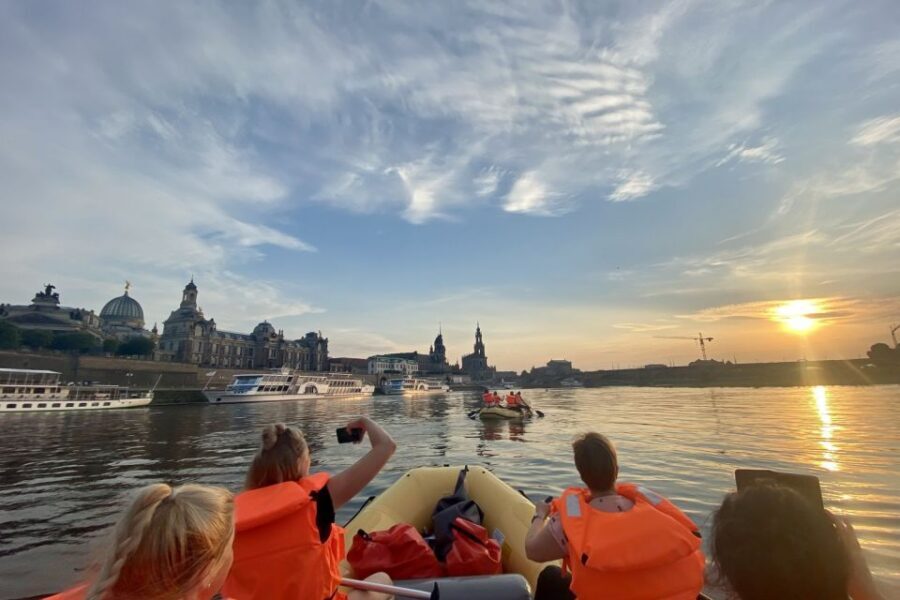
Your crew meets you near the end point in Altkötzschenbroda at the Radebeul water sports center on the right bank of the Elbe. This is where the day clicks shut: you’ve seen Dresden’s sights from the water, then you finish at a place built for water activities.
One practical consideration: a clear endpoint marker would be helpful. If you’re coming with a group or you’re new to the area, keep your eyes open for staff and follow their cues rather than relying on signage alone.
At the end, you’ll have time to get your bearings and pack up. The waterproof bag helps here—your phone and small items are easier to manage when you’re done.
Price and value: what $38 includes (and what it doesn’t)
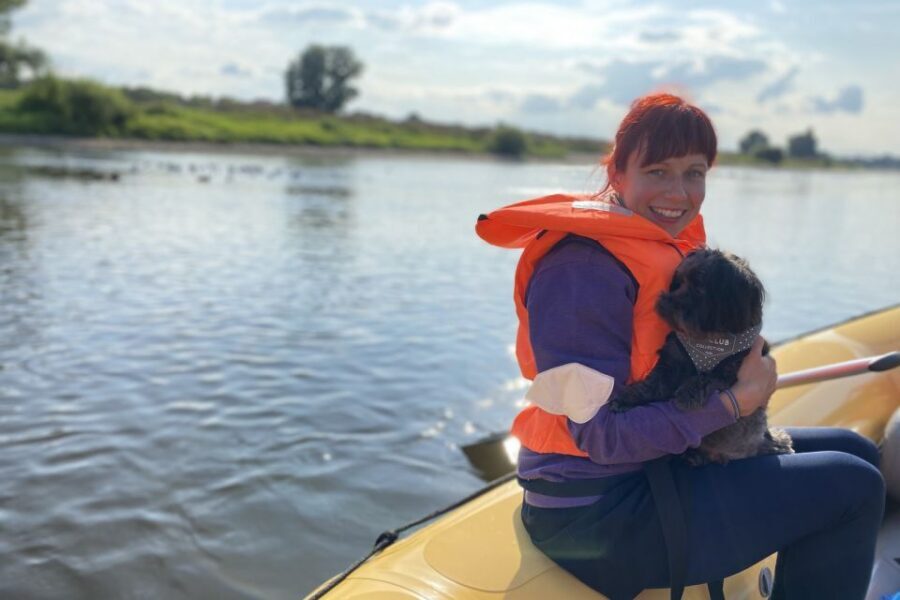
At about $38 per person for a 5-hour experience, this is a value-forward way to see a lot of Dresden in one go. You’re not just paying for time on the water. The price covers the boat, life jackets, paddles, and a waterproof bag—the core equipment you’d otherwise have to source or rent.
What’s not included is also clear. There’s no food or drinks, and you handle your own way to the start and from the end (no transfer is provided). There’s also no guide onboard the boat. That means the onboard experience is more self-guided once you’ve been briefed at the start.
In practice, that’s a good thing if you like having control. You can focus on your pace, your photos, and your own rhythm rather than being steered through a rigid script.
So the “value math” is simple:
- Great scenery density for one trip
- Equipment handled for you
- Effort required from you
If you want a fully guided, narration-heavy boat tour, this style may feel more hands-on than you expect. If you’re okay learning the basics and enjoying the ride, it’s a solid deal.
What to bring, and what can make or break your comfort
Bring items that help you handle sun, splash, and water contact. The tour recommends:
- head covering or a kippah
- sandals
- sunscreen
- flip-flops
That list isn’t random. Small boats mean more sun exposure than you’d get under a bridge, and footwear needs to work both on land and around the boat area.
For comfort on the day, I’d also suggest you pack light and keep valuables secured in the included waterproof bag. Then you can focus on paddling and sights instead of juggling.
Not allowed rules are straightforward: no smoking in the vehicle (follow their instructions on-site). Also, the activity isn’t suitable for:
- children under 4
- people with mobility impairments
- non-swimmers
The group setup rules you should check before you book
This tour is structured for small group boats. Each boat must have at least 1 person over 18, and 3 others at least 12 years old. The boat is reserved for your group only, not shared with strangers from other parties.
That matters for two reasons:
- You’ll want to make sure your group meets the age requirements.
- You’ll likely get a calmer experience because the boat isn’t mixing groups.
The duration is about 5 hours, and there’s time for a break. Also, languages offered are German and English, and the host or greeter is there to help you get started.
Who should book this Elbe Schlauchboot ride
This is a great pick if you want Dresden in motion. You’ll like it if you:
- enjoy active sightseeing where you do something, not just sit
- want water-level views of castles and big-city buildings
- don’t need a guide talking nonstop while you paddle
- have a group that can meet the age requirements
It may not be the best fit if:
- you hate small boats or aren’t comfortable around water
- mobility limitations make water activity hard
- you want a zero-effort cruise with no paddling
If you’re a first-timer, it can still work well because the start includes instruction and hazard guidance. Just be ready to pay attention at the beginning.
Should you book the Dresden: Schlauchboot mit dem Schlauchboot Loschwitz – Radebeul?
I’d book it if your dream Dresden day includes river views, castle silhouettes, and a route that stitches together multiple sights in one stretch. For the price, the included equipment and the sheer number of landmark moments make sense.
Skip it if you’re looking for a fully guided, talk-every-minute experience, or if water comfort isn’t your thing. Also, if your group doesn’t meet the age requirements, plan around that first.
If you do book, show up ready for the sun and for paddling. Bring the recommended footwear and head protection, and treat the early briefing as the key to a smooth ride. Then you’ll get what this trip does best: Dresden, seen from the Elbe.
FAQ
How long is the Schlauchboot tour?
The tour lasts 5 hours, including time for a break.
Where does the tour start and end?
It starts in DD-Loschwitz and ends in Altkötzschenbroda at the Radebeul water sports center on the right bank of the Elbe.
How much does it cost?
The price is $38 per person.
What’s included with the ticket?
You get a CE-certified inflatable boat, high-quality life jackets, sturdy paddles, and a waterproof bag for your belongings.
What’s not included?
Food and drinks aren’t included, and there is no transfer. A guide is not on board the boat.
Do I need to speak German or English?
No. The host or greeter is available in German and English.
What should I bring?
Bring a head covering or kippah, sandals, sunscreen, and flip-flops.
Is smoking allowed during the tour?
Smoking in the vehicle is not allowed.
Who is the tour not suitable for?
It’s not suitable for children under 4, people with mobility impairments, and non-swimmers.