REVIEW · HAMBURG
Die Kiez-Kapitän Hamburger Stadtführung & Speicherstadt Tour
Book on GetYourGuide →Operated by Die Kiez-Kapitän Hamburg Touren · Bookable on GetYourGuide
Hamburg can feel big and complicated, but this walk simplifies it fast. I like how the route strings together the city’s big themes in a neat line: civic Hamburg, then trade power, then modern waterfront. You’ll also get a real-feeling guide style, including lively personal stories that make landmarks easy to remember.
What I like most is the balance of history and architecture without turning into a lecture. The Kiez Kapitän name matters here, especially when the guide (like Jens Hartmann) keeps things relaxed and answers questions, even in smaller groups. One practical trade-off: the tour runs in German, and the Elbphilharmonie itself is not part of the guided visit, so you’ll mostly see viewpoints rather than go inside.
Still, if you want an efficient sampler of Hamburg’s core places, this is a strong pick. You cover a lot of ground in just 2 hours—enough for orientation, but not enough for slow museum time or a full Elbphilharmonie experience.
In This Review
- Key things to notice before you go
- Why the Alster-to-Elbphilharmonie route works so well
- Meeting at Jungfernstieg: where the tour begins
- Alster Lake and Hamburg Town Hall: civic Hamburg in walking distance
- Chamber of Commerce and the Patriotic Society of 1765: trade power explained
- Trostbrücke and Laeiszhof: small stops with big story function
- St. Nikolai Memorial on Deichstraße: fire, flood, and rebuilding
- Speicherstadt: UNESCO warehouses and the brick-stone story along the Elbe
- HafenCity and the Elbphilharmonie view: seeing what Hamburg is building
- The guide factor: why the stories land
- Itinerary breakdown that helps you plan your day
- Price and value: $18 for a two-hour “city decoder”
- Who this tour is best for (and who should skip it)
- Should you book the Die Kiez-Kapitän Hamburg City Tour?
- FAQ
- How long is the Die Kiez-Kapitän Hamburg city tour?
- Where does the tour start?
- What is the tour price?
- What language is the live guide?
- Is the Elbphilharmonie included in the tour?
- Is the tour wheelchair accessible?
- Is cancellation free?
Key things to notice before you go
- Start at Jungfernstieg by the water (Anleger Nr. 1), so you begin with views, not paperwork.
- 1200 years of Hanseatic Hamburg framed as stories tied to the streets you walk.
- UNESCO Speicherstadt and its brick-stone warehouse history are explained clearly.
- St. Nikolai Memorial connects major shocks: the 1842 fire, the 1962 flood, and war destruction.
- HafenCity and the Elbphilharmonie viewpoint show what Hamburg is building now.
Why the Alster-to-Elbphilharmonie route works so well
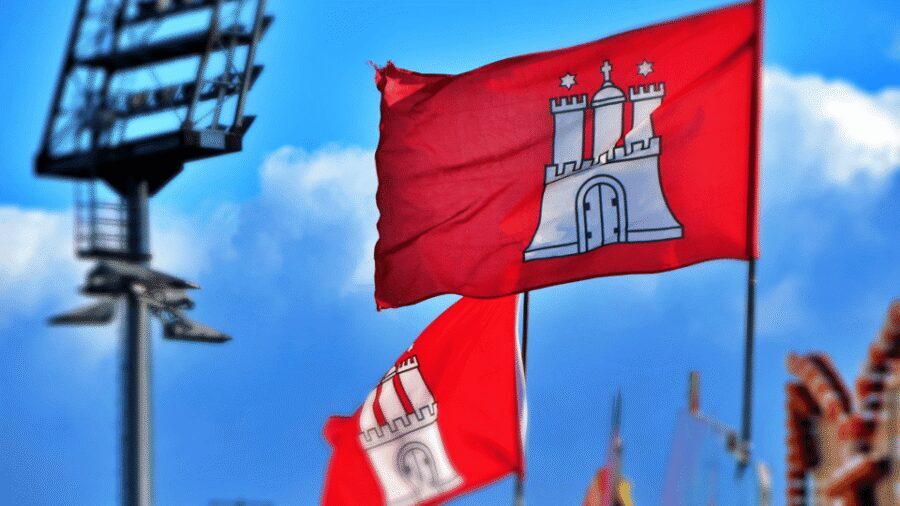
This tour is designed like a guided timeline. You start at the Alster area, move through Hamburg’s historic decision-making spaces, then head toward the canal-and-warehouse world of Speicherstadt. Finally, you finish by the Elbe where Hafencity and the Elbphilharmonie area give you a clear “then and now” feeling.
I like that it’s built for first-time visitors. In two hours, you get orientation for neighborhoods that otherwise take a lot longer to understand. You’ll also learn the kind of details you can’t easily spot on your own, like why certain streets and bridges matter to maritime trade and rebuilding efforts.
There’s also a nice pacing advantage. The tour is meant to be guided and conversational, not rushed group herding, which is exactly what you want for stories that connect across centuries.
You can also read our reviews of more tours and experiences in Hamburg.


Meeting at Jungfernstieg: where the tour begins
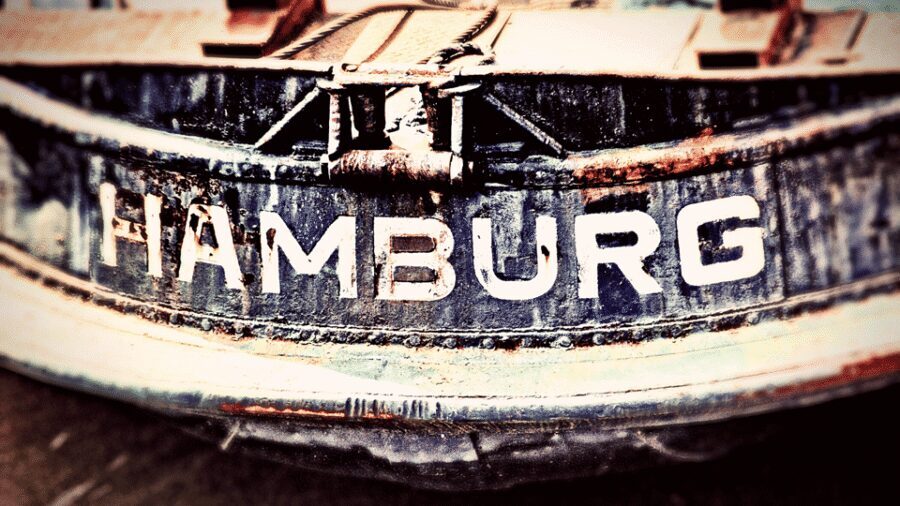
You meet at Jungfernstieg 58 (20354 Hamburg), right by the water at Anleger Nr. 1 for the Alsterschiffe. That location is handy because it’s already scenic, and it also makes the starting point easy to find if you’re using public transit.
The area is well served by S-Bahn and U-Bahn as well as buses, so you’re not stuck with a single option to get there. If you’re planning your day tightly, this is a good anchor point: you can arrive, orient, and then leave the tour finish area with options still open.
One more practical note: the finish is at Am Sandtorkai 68. That means you end in the harbor zone rather than back where you started, which is great if you want to keep walking along the water after the tour.
Alster Lake and Hamburg Town Hall: civic Hamburg in walking distance
The first leg is the Alster. Even if you’ve never studied Hamburg’s history, you’ll immediately see why the Alster area is such a starting point for a city story. It’s the kind of central “front yard” where business, government, and public life overlap.
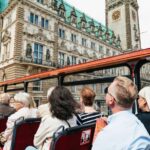
From there, you move into Hamburg Town Hall. This isn’t just about a pretty building. You get the sense that Hamburg’s power wasn’t only maritime—it was also civic and administrative, with decisions shaping trade, city planning, and rebuilding.
Expect the guide to connect what you see with why it mattered. If you’ve ever wondered why old German cities feel so organized around specific institutions, this stop helps explain that.
Chamber of Commerce and the Patriotic Society of 1765: trade power explained

Next comes the Hamburg Chamber of Commerce and the Patriotic Society of 1765. These stops help you understand Hamburg as a city run by merchants and institutions that took their role seriously.
This is where the tour’s Hanseatic framing really clicks. You’ll likely hear how the city’s merchant networks and maritime economy shaped everything from architecture to everyday life. It’s not abstract—each place you pause at ties back to how goods moved and how Hamburg functioned.
A stop like the Patriotic Society also adds a human layer. Organizations that sound formal and old often turn out to be about real communities—people backing public causes, supporting civic identity, or strengthening the city’s resilience.
Trostbrücke and Laeiszhof: small stops with big story function
Between major landmarks, you pass by Trostbrücke and Laeiszhof. These types of stops are where a great city guide earns their fee.
You’re not meant to treat them as “quick photo moments.” Instead, think of them as story bridges—places where the guide can explain why routes, crossings, and courtyards developed the way they did in a port city.
If you like walking tours that teach you how to read the city—how to spot the “why” behind street layout—these stops usually deliver. They also help keep energy up, because you get variety rather than only staring at big buildings.




St. Nikolai Memorial on Deichstraße: fire, flood, and rebuilding
One of the emotional anchors is the St. Nikolai Memorial. You’ll hear how it connects to the destruction of Hamburg during World War. This matters because it turns a memorial site into something practical for understanding the city’s modern shape.
On top of that, the story extends to major turning points, including the Great Hamburg Flood of 1962 and the Hamburg fire of 1842. You don’t just get dates. You get the sense of how disasters change city priorities—especially in a place shaped by water, trade, and dense historic districts.
As you continue along Deichstraße toward the harbor zone, the tour’s direction becomes more meaningful. Deichstraße literally signals the relationship between Hamburg and the need to protect land from water pressure and storm risk. It’s one of those streets that becomes easier to understand after someone explains why it exists.
Speicherstadt: UNESCO warehouses and the brick-stone story along the Elbe
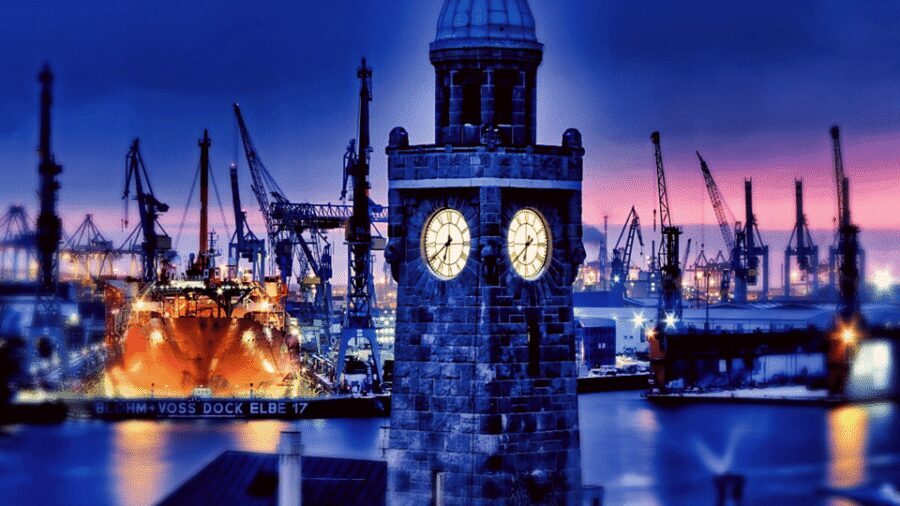
Then you reach Speicherstadt, Hamburg’s famous warehouse district. This is where the tour slows down in meaning, even if the walking pace stays steady.
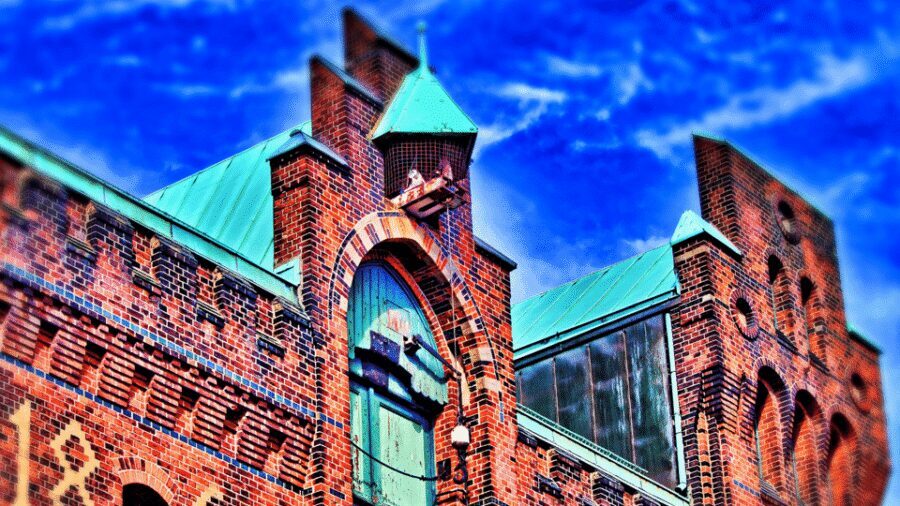
Speicherstadt is a UNESCO World Heritage Site, and the focus here is the history of the brickstone warehouses in the Elbe area. This stop is valuable because it explains why warehouses are not just storage—they’re engineering, logistics, and economic strategy built into the city’s fabric.
I like that you get a clear visual logic. The canals, the warehouse walls, and the working-port feel make sense as a system. Even if you don’t go inside any museum here, you’ll leave understanding what the district was built to do.
This is also a strong place for maritime-themed stories. You may hear about seafaring history connected to cultural references such as Hans Albers, plus how the old and new ports connect along the Elbe. That type of connection helps you see Hamburg as more than “a pretty harbor town.”
HafenCity and the Elbphilharmonie view: seeing what Hamburg is building
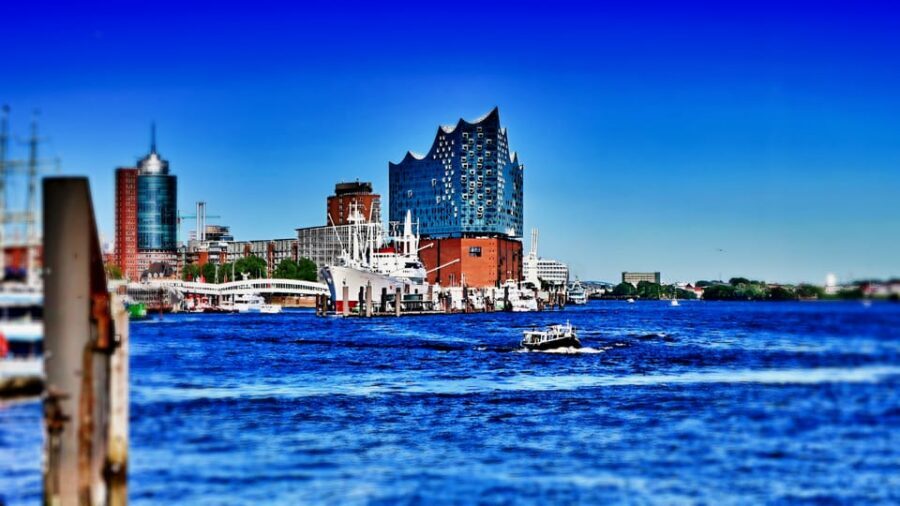
After Speicherstadt, you move into HafenCity. This area helps you complete the contrast: the old brick warehouse world and the newer redevelopment waterfront, side by side in the same wider harbor story.
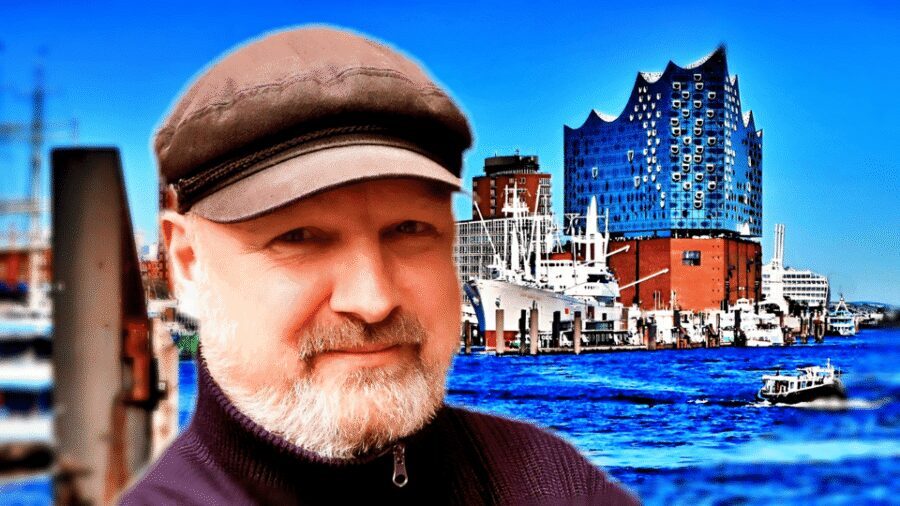
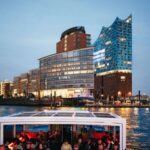
Finally, you finish near the Elbphilharmonie area, where the tour highlights the new concert hall. Even without a guided visit inside, the route is timed for the kind of viewpoint that helps you understand why it’s become a symbol for the city’s modern ambition.
You can also check out the Elbphilharmonie Plaza afterward. Tickets for the plaza are available free of charge at the entrance, though larger groups may have entrance costs. So even if the tour guide doesn’t include an inside visit, you still have an easy way to extend the experience on your own.
The guide factor: why the stories land
This is a storytelling tour, and the reviews you’ll find for this company tend to emphasize the guide’s style. A name that shows up often is Jens Hartmann, listed as a Kiez Kapitän, with a reputation for being able to keep the tour informative without making it feel hectic.
One useful detail: the guide can sometimes run a bit past the scheduled time. When a group is small and questions keep coming, the tour can stretch, with extra explanation added rather than cut corners. For you, that’s a win: it means more context, not just more walking.
Also, the tour format supports questions. If you’re the type who likes to ask why a building looks the way it does, or what a street name implies, this style usually fits well.
Itinerary breakdown that helps you plan your day
Here’s how to think about the day’s flow, stop by stop, so you can match it to your schedule and interests.
- Jungfernstieg (start point)
You begin at the water, so you’re oriented before you even start walking. It also sets a natural rhythm for the port-and-city story.
- Alster
This gives you the geographic and civic starting point. You’re learning Hamburg’s “center” in a way that’s visible, not theoretical.
- Hamburg Town Hall
You connect civic power to the city’s merchant identity. It’s a strong anchor for understanding why Hamburg’s institutions mattered.
- Hamburg Chamber of Commerce
You get the merchant-business angle in real place form. This is where trade power becomes concrete.
- Patriotic Society of 1765
You get the city’s institutional culture side. It’s not just commerce; it’s civic identity.
- Trostbrücke
A bridge stop that functions as a story transition. Great if you like guide explanations that connect small landmarks to bigger themes.
- Laeiszhof
Another stop that helps you read the city layout. Think “why here,” not just “what is it.”
- St Nikolai Memorial
A heavy but important moment tied to World War destruction. You’ll leave with a clearer understanding of why parts of Hamburg look the way they do today.
- Deichstraße
You shift closer to the harbor logic. This is where water management and port reality become part of the narrative.
- Speicherstadt
UNESCO context plus brick warehouse history. This is a main payoff for architecture and city-industry storytelling.
- HafenCity
You see how Hamburg is reinventing its waterfront. It’s the “then meets now” segment that makes the walk feel complete.
- Elbphilharmonie (viewpoint finish)
You end with a modern landmark view. Plan extra time if you want to stand in the plaza afterward.
Price and value: $18 for a two-hour “city decoder”
At about $18 per person for a 2-hour guided walk, the value comes from coverage and clarity. You’re not just paying to see famous places—you’re paying for guided connections between them: Hanseatic power, disaster history, and the port-to-modern waterfront transition.
That’s important because Hamburg is one of those cities where the best understanding often comes from someone pointing out the links. Without context, you might see buildings and bridges and still miss why they matter. With context, you start recognizing patterns immediately.
You also get an efficient route that fits into almost any itinerary. If you’ve only got a short window in Hamburg, this is a practical way to get grounded fast.
Who this tour is best for (and who should skip it)
You’ll probably love it if you want a first-time orientation walk that mixes history, architecture, and harbor culture without requiring you to read a stack of guidebooks.
It also suits people who like questions and stories, because the format is built to explain, not just point. And since the tour is wheelchair accessible, it’s friendlier for mobility needs than many “only stairs” tours.
You might not love it if you’re hoping for a deep, inside-the-museum day. The Elbphilharmonie is not part of the guided visit, so your “inside” time depends on what you choose to do afterward. Also, since the live guide is German, language comfort matters. If you don’t follow German well, you’ll still see the places, but you’ll miss much of the story power.
Should you book the Die Kiez-Kapitän Hamburg City Tour?
Book it if you want a clean, efficient Hamburg overview from the Alster to Speicherstadt and onward to the Elbphilharmonie area. The route is strong, the storytelling approach is clear, and the stops hit key themes: Hanseatic trade, civic life, and the major turning points that shaped the city.
Skip it if you’re mainly chasing ticketed indoor experiences or if German guide narration is a barrier for you. In that case, you’d be better served by something with a different language option or a more inside-focused itinerary.
If you’re choosing between a quick self-guided loop and a real guide-led walkthrough, this is the smarter pick for understanding Hamburg fast.
FAQ
How long is the Die Kiez-Kapitän Hamburg city tour?
The tour lasts 2 hours.
Where does the tour start?
The meeting point is Jungfernstieg 58, 20354 Hamburg, directly by the water at Anleger Nr. 1 for the Alsterschiffe.
What is the tour price?
It costs $18 per person.
What language is the live guide?
The live tour guide speaks German.
Is the Elbphilharmonie included in the tour?
A visit to the Elbphilharmonie is not included in the guided tour. You can, however, visit the Elbphilharmonie Plaza after, with free entry tickets available at the entrance.
Is the tour wheelchair accessible?
Yes, the tour is listed as wheelchair accessible.
Is cancellation free?
Free cancellation is available up to 24 hours in advance for a full refund.
If you tell me your travel dates and whether you prefer more history or more photo stops, I can help you fit this into a smart Hamburg plan for the rest of your day.