REVIEW · COTTBUS
Cottbus: Private Guided Walking Tour
Book on GetYourGuide →Operated by Travmonde OÜ · Bookable on GetYourGuide
Medieval streets meet Slavic roots in Cottbus. This private walking tour pairs names, legends, and everyday history in a way that stays easy to follow. I like how the route mixes the city’s story with on-the-ground details like the river Spree and the church steeple dominating the skyline.
Two highlights for me are the focus on Sorbians/Wendish heritage and the guided explanation of the postal coach driver’s role in local life. One thing to consider: the walk is not suitable for mobility impairments or wheelchair users, so you’ll want to plan for steady walking on town streets and alleyways.
In This Review
- Key Points You’ll Care About
- Why Cottbus Feels Different Than Most Brandenburg Stops
- Meeting Point and What to Do Before You Start
- The Story Starts With the City Name (Yes, Spelling Too)
- Sorbians and Wendish Heritage: The Minority Thread That Shapes the Town
- Baroque Façades, Alleyways, and the Church Steeple Overhead
- The Postal Coach Driver: A Job That Explains Movement
- Walking With the Stagecoach Horn and Medieval Atmosphere
- Prince Pückler’s Life Story and Why It Matters Here
- The Path of Glory and Cottbus’s Olympic Connection
- Customization on the Spot (And Why It Can Be Worth It)
- Medieval Castles: How They Fit Without Overloading You
- Price and Value: $265 for Up to 15 People
- Who This Tour Suits Best
- Should You Book This Cottbus Private Walking Tour?
- FAQ
- How long is the Cottbus private guided walking tour?
- Where does the tour meet in Cottbus?
- How much does the tour cost?
- What’s included in the tour price?
- Are entrance fees included?
- What languages is the tour offered in?
- Is the tour suitable for wheelchair users or people with mobility impairments?
Key Points You’ll Care About
- Private guide-only experience: your group gets the guide’s full attention for 90 minutes.
- Naming and spelling origins: you’ll learn why the city’s name works the way it does across languages.
- Sorbian/Wendish history in daily life: not just facts, but how it shaped the town’s feel.
- Postal coach driver history: a job title that turns into a window on how people traveled and communicated.
- Prince Pückler’s life story: a biography thread tied into Cottbus’s identity.
- Path of Glory and Olympic medals: sports history gets placed into the streets you’re walking.
Why Cottbus Feels Different Than Most Brandenburg Stops
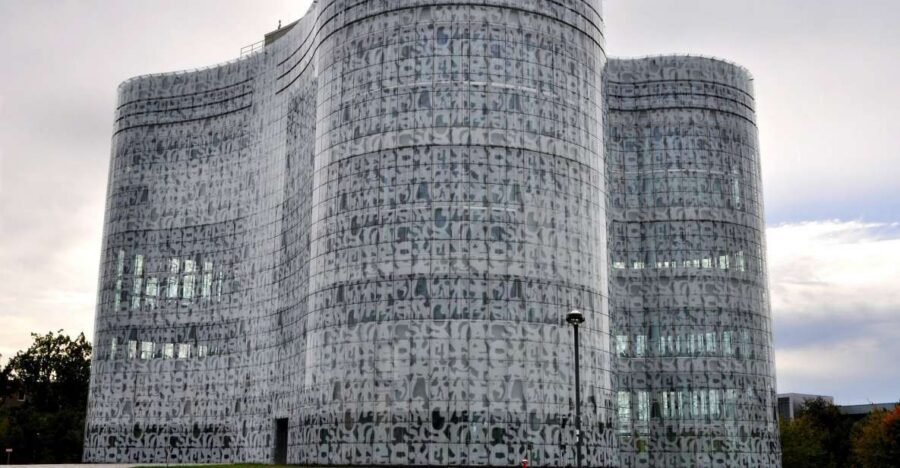
Cottbus sits in northern Germany, and it has that rare mix of old-town atmosphere plus green space. The river Spree crossing the city gives you an automatic sense of direction, and it helps the historic core feel less like a museum and more like a living place.
What I enjoy most is that this tour doesn’t only chase medieval views. It also explains the Slavic minority roots of East Germany, so the cityscape and local character start making sense as you walk.
The best part for a visitor is the pace: 90 minutes is long enough to connect themes, but short enough to keep energy for later meals, beer gardens, or a second stroll.
Meeting Point and What to Do Before You Start
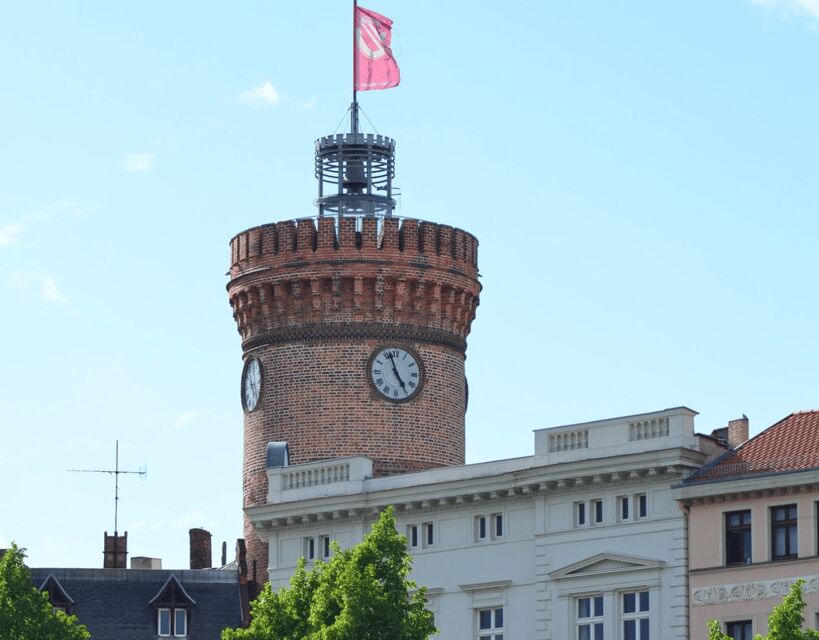
You’ll meet at Berliner Pl. 6, 03046 Cottbus. The address matters, because the tour is meant to start clean and organized, with the guide staying with your group only.
Bring comfortable shoes. The tour isn’t described as wheelchair-friendly, so the smartest move is to wear something you can walk on for the whole session without regret.
If you’re traveling with family or friends, private tours like this are ideal for keeping everyone together and moving at a human speed. With a group capped at up to 15, it’s still small enough for a guide to adjust how explanations land.
The Story Starts With the City Name (Yes, Spelling Too)
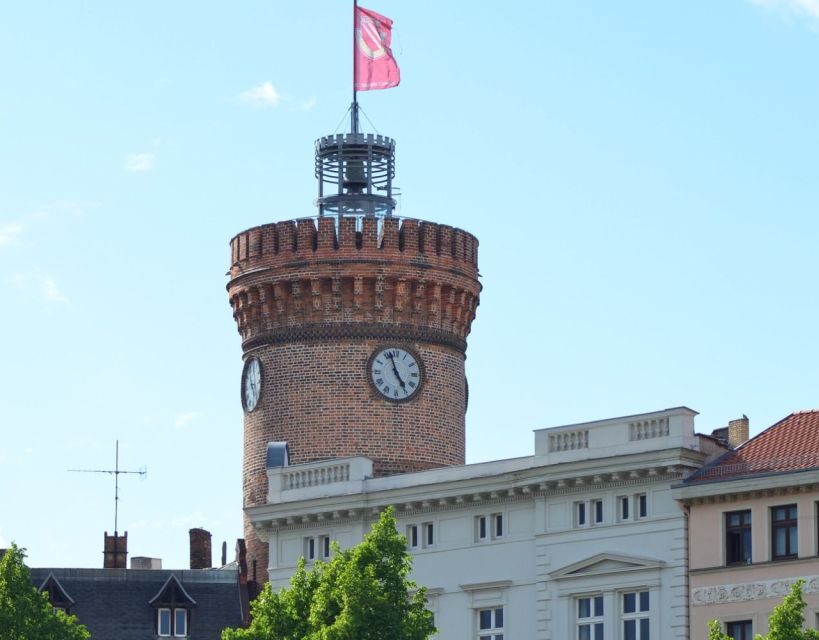
One of the tour’s early “wait, I didn’t know that” topics is the origin of Cottbus’s name and its correct spelling in different languages. That might sound like trivia, but it actually helps you read the city. When you understand how a name travels across languages, you start noticing how cultures overlap on the ground.
You’ll also get a framework for the rest of the walk. Once the guide places Cottbus in a broader regional story, the other themes—minorities, medieval eras, and famous local figures—stop feeling like disconnected stops.
If you like tours that teach you how to connect details, this opening is the kind that pays off later. You’ll keep seeing the same idea—layers of culture—everywhere you turn.
Sorbians and Wendish Heritage: The Minority Thread That Shapes the Town
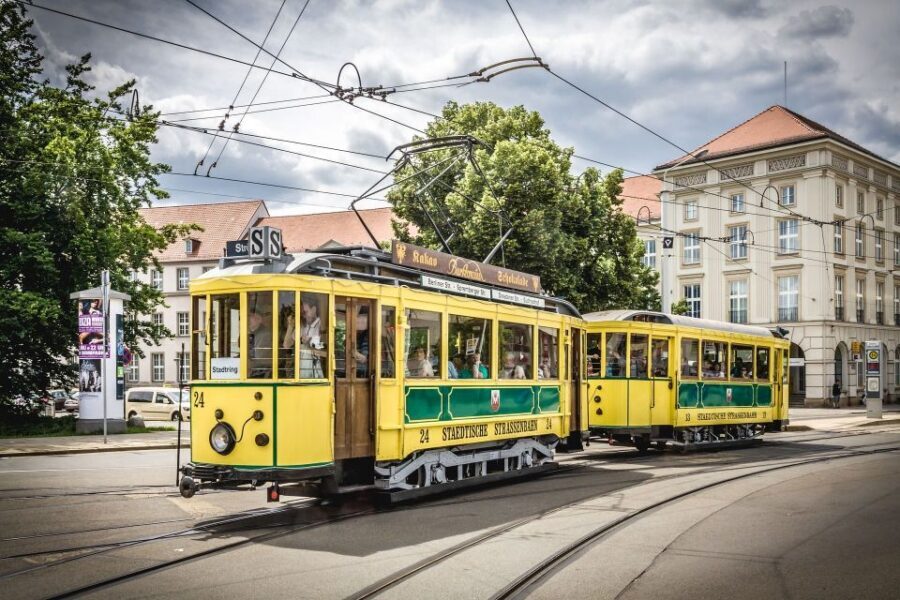
A major focus here is the Sorbians (Wendish) minority—part of the Slavic minority history in East Germany. The tour doesn’t treat this as a sidebar. It’s presented as something that left a mark on the town’s character and, importantly, on the everyday life you can recognize even as you walk.
This is the sort of theme I personally like because it changes how you look at architecture and street layout. Cultural history shows up in the way places are lived in, not only in monuments.
And if you’re traveling through eastern Germany, this is a smart way to gain context without turning the day into a lecture. You’ll walk, you’ll learn, and the city will start to feel coherent.
Baroque Façades, Alleyways, and the Church Steeple Overhead
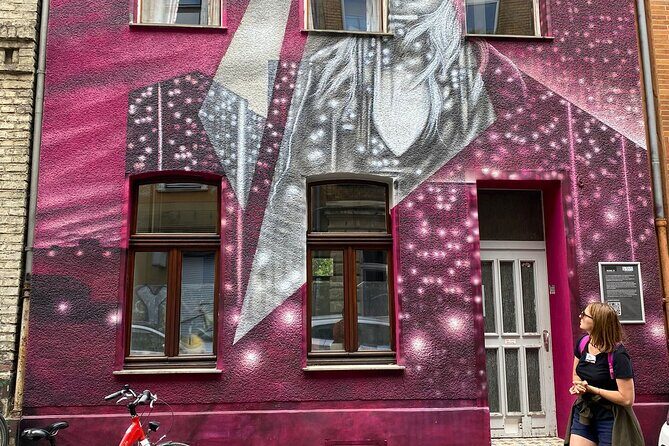
As you move through the historic parts of Cottbus, you’ll pass romantic streets with houses and Baroque pedimented façades. The guide helps you notice how these details create a “conversation” between different eras.
Then there’s the dominant element: the city church steeple. The tour points you toward how this kind of landmark anchors a town’s sense of center, even when streets turn into small alleyways.
You’ll also get modern touches mixed into the historic feel through small arcades. That contrast is useful. It prevents the walk from becoming only about the past and helps you sense how Cottbus keeps functioning.
One practical note: alleyways and tighter lanes can mean uneven surfaces or awkward footing. That’s another reason sturdy shoes matter.
The Postal Coach Driver: A Job That Explains Movement
A standout topic is the history of the postal coach driver. This is a great choice because it turns into a human story about communication, travel, and the rhythm of daily life in earlier centuries.
Even if you know little about postal systems, the way guides explain roles like this often reveals how people connected to the wider world. It’s not just about transportation; it’s about what information meant and how schedules shaped life.
For me, this topic hits a sweet spot: it’s specific enough to feel real, but broad enough that you start imagining what life was like when messages traveled by coach and not by phone.
If you like history that connects to how people actually moved and interacted, you’ll likely enjoy this segment a lot.
Walking With the Stagecoach Horn and Medieval Atmosphere
The tour includes a guided walk along the feel of the medieval town, with the stagecoach driver horn used as part of the story. That’s more than theater. It gives you a sound cue for the era the guide is explaining, and it makes the route feel like a timeline rather than a random set of streets.
You’ll be guided through small alleyways and through the historic shopping-like arcades. The goal is to keep you in the atmosphere while still learning something concrete.
What’s good for visitors is that you don’t need any prior background. The guide’s job is to translate the city’s clues into clear meaning while you’re walking.
Prince Pückler’s Life Story and Why It Matters Here
Another theme you’ll hear is the life story of Prince Pückler. He’s used here not as a name-drop, but as a way to connect a person’s biography to the wider identity of the place.
This kind of local-famous-figure segment works when it links to the street setting you’re in. In this tour, the Prince Pückler story functions like a bridge between centuries—helping the medieval setting feel less distant.
If you enjoy learning how individuals shaped regional reputation, you’ll probably like this portion. It’s the point where the walk starts to feel like a narrative.
The Path of Glory and Cottbus’s Olympic Connection
One of the final big highlights is the Path of Glory and what it has to do with the Olympic medals won by a Cottbus athlete. This is a smart placement late in the tour because it widens your perspective.
After medieval streets and minority history, sports achievements bring the story forward into modern identity. You end up seeing that Cottbus’s pride isn’t only about old architecture—it’s also about accomplishment and public recognition.
It also gives you something to look for beyond buildings. Even without special museum time, you’ll have a clear reason to pay attention to where the tour takes you.
Customization on the Spot (And Why It Can Be Worth It)
The tour can be customized on the spot with your local guide. That’s a meaningful benefit for a private group. If you’re traveling with kids, prefer more focus on cultural history, or want more time around a particular part of the old town, you can often steer the emphasis.
For value, this matters because it turns a “standard” walk into something that fits your interests rather than forcing a one-size itinerary.
Just be realistic: customization works best when you bring a couple of clear preferences. A simple request like more time for Sorbian/Wendish context or a slightly slower pace for photos will usually help.
Medieval Castles: How They Fit Without Overloading You
You’ll visit some of the world’s most amazing medieval castles as part of the experience. Since no specific castle names are provided in the details you shared, I’d treat this as a guided castle-view and historic-context segment rather than a strict checklist of major ticketed sites.
This approach can be a win for you. A private walking format keeps things flexible, and you can get castle atmosphere without spending your entire day in lines.
The possible drawback is that entrance fees aren’t included. So if you’re hoping to go inside every castle you see, you may need to plan for extra costs on top of the tour price.
Price and Value: $265 for Up to 15 People
At $265 per group up to 15 for a 90-minute walk, the pricing can feel high or fair depending on your group size. For solo travelers, it’s simply not the cheapest way to tour. For families or friends traveling together, it can be very reasonable because you’re paying for private guide time rather than per person.
Here’s the practical way to think about value:
- If you’re 2–4 people, it can still be a worthwhile way to get tailored, private attention in a compact time window.
- If you’re closer to the top of the group size, the per-person cost becomes far more attractive.
Also consider what you get: a local professional guide who will be with your group only, plus the chance to customize on the spot. For a history-rich city like Cottbus, that’s the kind of value that shows up in how much you understand by the end of the walk.
Who This Tour Suits Best
This is a good fit if you want a guided, story-driven walk rather than a quick highlights loop. The themes—city name origins, Sorbian/Wendish heritage, postal coach history, Prince Pückler, and Olympic medals—work best for curious travelers who like connecting people and places.
It’s also a strong option for groups who want to keep control of their pace. Private format means you’re not stuck with the slowest or fastest walker dictating the rhythm.
If you need step-free access or can’t handle walking on town streets and alleyways, this one is not suitable based on the provided information.
Should You Book This Cottbus Private Walking Tour?
I’d book it if you care about cultural history that explains why a city feels the way it does. The mix of minority heritage, a very specific job history (postal coach driver), and named local stories (Prince Pückler) gives you more than “pretty buildings” while still staying light enough to enjoy.
I’d hesitate if your top priority is interior visits and ticketed attractions, since entrance fees aren’t included and the tour is built around walking time. Also, if mobility is an issue, skip it and look for an alternative that matches accessibility needs.
If your group wants a focused 90-minute experience with a guide who stays with you the whole time, this one is a smart, story-forward way to get oriented in Cottbus.
FAQ
How long is the Cottbus private guided walking tour?
The tour lasts 90 minutes.
Where does the tour meet in Cottbus?
The meeting point is Berliner Pl. 6, 03046 Cottbus.
How much does the tour cost?
The price is $265 per group, up to 15 people.
What’s included in the tour price?
A local professional guide is included, and the guide will be with your group only.
Are entrance fees included?
No, entrance fees are not included.
What languages is the tour offered in?
The tour is offered in English and German.
Is the tour suitable for wheelchair users or people with mobility impairments?
No, it is not suitable for people with mobility impairments or wheelchair users.