REVIEW · COLOGNE
Cologne classic walking tour
Book on GetYourGuide →Operated by Guida di Colonia Sara · Bookable on GetYourGuide
Two hours, and Cologne feels much older. This Classic Walking Tour is a tight, well-planned sweep from the Roman start of the city to modern Cologne, led in Italian by native guide Sara. You’ll look up at Cologne Cathedral’s dizzying height, then move through squares and lanes where centuries still show on the walls.
What I like most is the way Sara stitches facts to real places, including historical photos that help you see what changed after World War II. Second, you get a practical hit-list of the must-see sights—then a few useful tips along the way—without wasting time. One thing to consider: at 2 hours, the pace is brisk, so if you want long cathedral or museum-style time, you’ll likely want to plan extra stop(s) after the tour.
In This Review
- Key highlights worth your attention
- Where it starts: the Cathedral’s big pinnacle copy
- Roman Cologne to the Cathedral: the city’s “how it began” moment
- Medieval power walk: Town Hall, Alter Markt, and merchant pride
- Down to the Rhine: houses, history, and the smell of the river air
- Fishmarkt and Fischmarkt area views: street-level clues to older life
- Eau de Cologne: Farina and 4711 in the middle of a history walk
- Kolumba and the Opera district: seeing reconstruction with your eyes
- Wallrafplatz and the finishing sweep: pulling the threads together
- Price and value for a 2-hour classic
- Who this tour fits best (and who should plan extra time)
- Should you book Cologne Classic Walking Tour?
- FAQ
- How long is the Cologne Classic Walking Tour?
- What does it cost?
- What language is the live guide?
- Where do I meet the guide?
- Which sights and monuments are included?
- Is the tour wheelchair accessible?
- Is there free cancellation?
- Can I reserve and pay later?
- Is the tour led by a certified professional guide?
Key highlights worth your attention
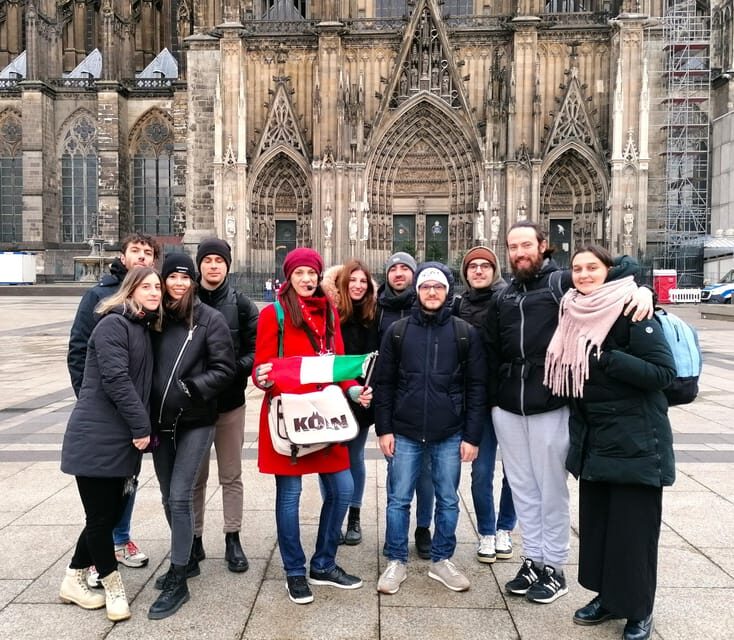
- Italian guide Sara brings stories in a clear, friendly way, plus room for questions
- 2,000 years in a single walk, from Roman traces to modern districts
- Cologne Cathedral viewpoint time that actually helps you understand what you’re looking at
- Rhine promenade and historic food-and-brewery streets for mood and context, not just photos
- Eau de Cologne tastings/looks at Farina and 4711 for Cologne’s signature scent history
- WWII memory and reconstruction context shown through the difference between past and present
Where it starts: the Cathedral’s big pinnacle copy
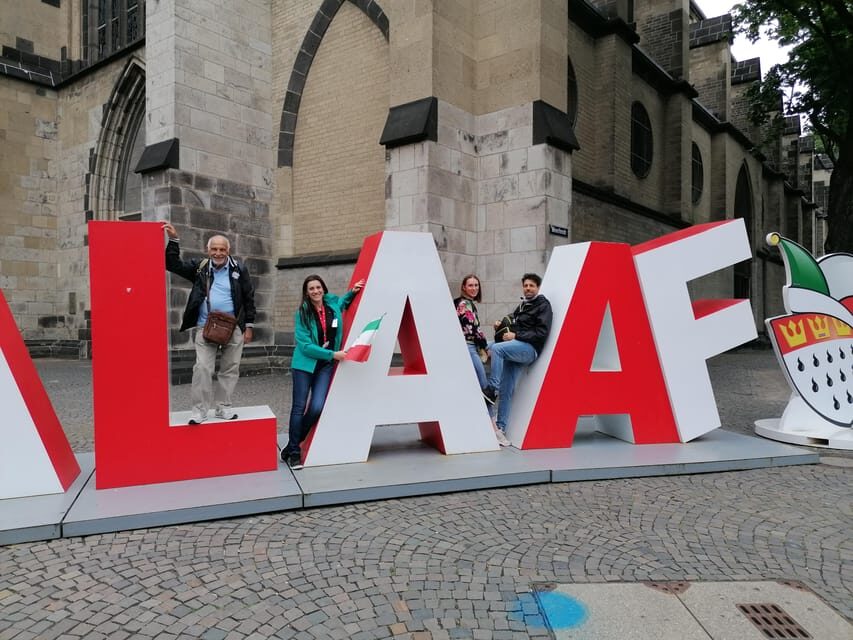
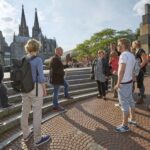
Your tour begins at a clear landmark: meet by the copy of the big pinnacle of Cologne Cathedral. That matters more than you’d think. Cologne is beautiful but spread out; a solid meeting point means you don’t burn your limited 2-hour window hunting for the group.
From the start, you’re set up for the tour’s main method: you’ll keep shifting your viewpoint. At street level you’ll notice Roman-era traces and older city structure; then you’ll look upward, where the cathedral dominates the skyline. Sara’s storytelling style is built for this. She doesn’t just recite dates—she points you toward what you should notice first, then explains the bigger picture.
If you’re visiting in cooler months, bring a light layer. You’ll stand and look up often, and that’s when Cologne’s weather can feel extra sharp. Also, if you’re sensitive to crowds, aim to arrive a few minutes early so you can settle your footing and start calmly.
You can also read our reviews of more walking tours in Cologne

Roman Cologne to the Cathedral: the city’s “how it began” moment
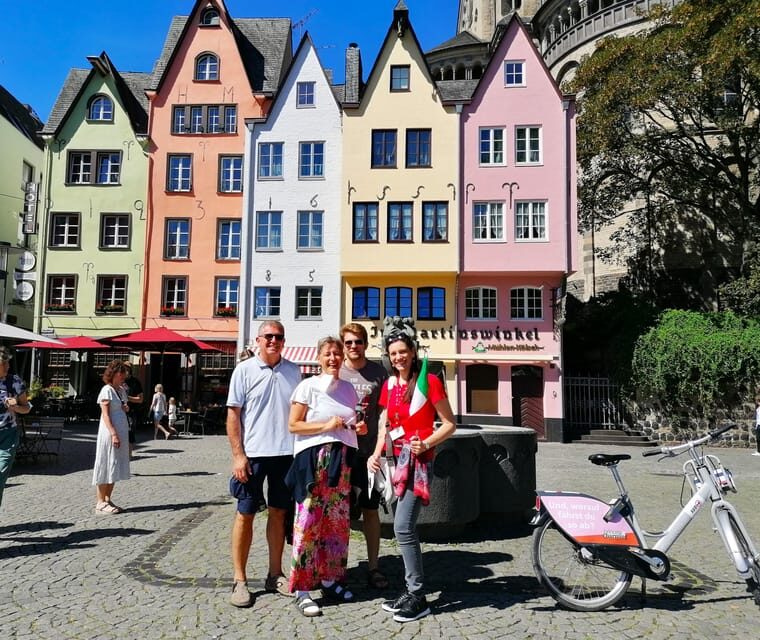
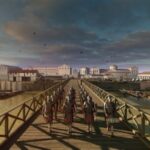
The route kicks off with the city’s early chapter: Cologne’s Roman origins. You’ll head toward the Roman Arch (one of the best “time anchors” in the center), where the scale feels surprisingly real. Roman structures can be easy to view as background, but on this walk the Roman portion becomes the explanation for everything that follows.
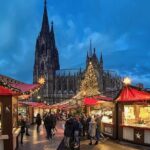
Then comes Cologne Cathedral. You’ll spend time looking up at its height—what you feel is the point. The cathedral isn’t just a pretty landmark; it’s a way to understand why Cologne became a center of power and identity over centuries. Sara focuses on the idea of it being the last major Gothic cathedral in its tradition, which helps you connect the architecture to the city’s historical timing.
A small but helpful detail: as you move from Roman traces toward the cathedral, you start to notice the old city logic—how streets curve, where open squares appear, and why the cathedral square works as a gathering point. That makes later stops click, instead of feeling like disconnected sightseeing.
Possible drawback: if you’re expecting a slow, sit-down kind of tour, this one is more “walk + look + learn.” It’s perfect for getting your bearings fast, but you’ll want extra time later if you want to absorb every corner at leisure.
Medieval power walk: Town Hall, Alter Markt, and merchant pride
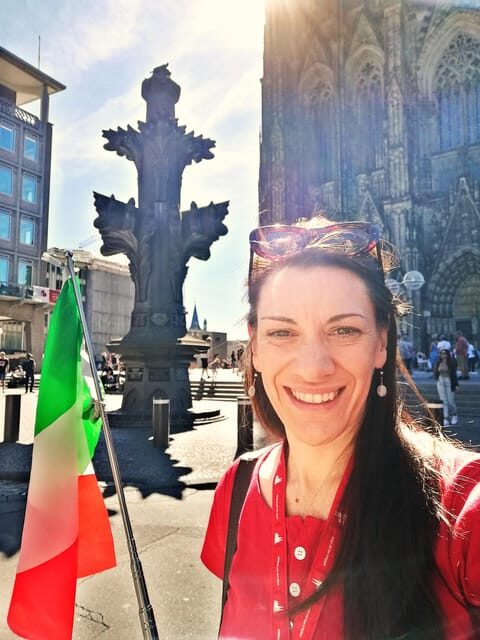
Next, the tour leans into Cologne’s medieval identity. You’ll move from the cathedral area into squares and lanes that reflect the period when the city was shaped by church power and merchant independence.
You’ll visit the Town Hall, including the tower that carries a sense of civic pride. This is one of those spots where it’s easy to walk past a landmark without understanding why it matters. Sara’s explanation helps you see the tower as a statement: who had influence, and how Cologne wanted to present itself.
From there, you’ll pass through Alter Markt, where the atmosphere shifts into “old square life.” This stop is less about one single object and more about learning how squares worked—markets, gatherings, and everyday life in between major events.
You’ll also see Groß Sankt Martin, an important church stop that adds another layer to the story. If you’ve ever wondered how Cologne became such a city of religious architecture, this section gives you a map for that answer: it’s not random. It connects power, wealth, and identity.
Down to the Rhine: houses, history, and the smell of the river air
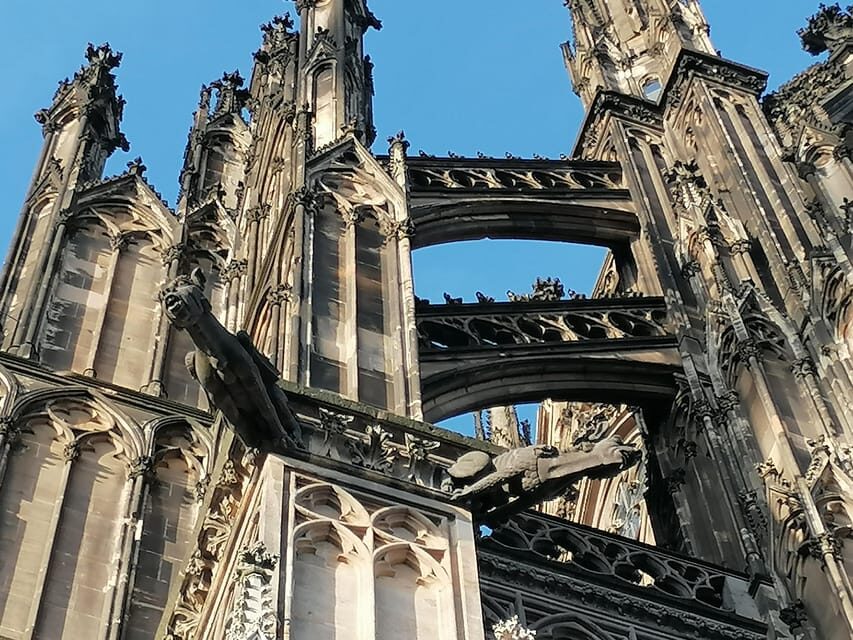
Cologne’s relationship with the Rhine isn’t a side note. It’s part of why the city grew, why trade mattered, and why history keeps showing up along the water.
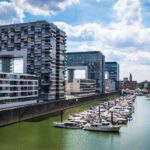
Along the Rhine promenade, you’ll get scenic walking time plus context. You’ll also pass historic streets linked to breweries and the city’s everyday traditions. This is where the tour becomes fun, because you’re not just collecting monuments—you’re picking up the city’s rhythm.
Sara also points out colorful houses—and the key is how she frames them. The buildings aren’t just pretty facades. They represent Cologne’s long habit of mixing commerce, community, and identity on the street level.
You’ll also stop at areas like Salzgasse and Heumarkt, which help explain how neighborhoods formed around trade and resources. These are good stops for photos, yes—but more important, they make the city feel lived-in rather than postcard-still.
Fishmarkt and Fischmarkt area views: street-level clues to older life
The itinerary includes Fischmarkt, which is a satisfying contrast to the cathedral and town hall. This is where you feel the city as a working place. Even if you don’t spend time shopping, the location gives you a sense of how everyday commerce once ran near the river and around key streets.
Sara’s style keeps this from turning into “here’s a square.” She uses the market-like setting to explain how Cologne’s history was shaped by what people bought, sold, and depended on. That turns Fischmarkt into a clue, not a stop sign.
If you like travel where the small details matter—street structure, sight lines, how a place connects to the river—you’ll appreciate this section. It makes the bigger historical themes more believable because you’re seeing them in context.


Eau de Cologne: Farina and 4711 in the middle of a history walk
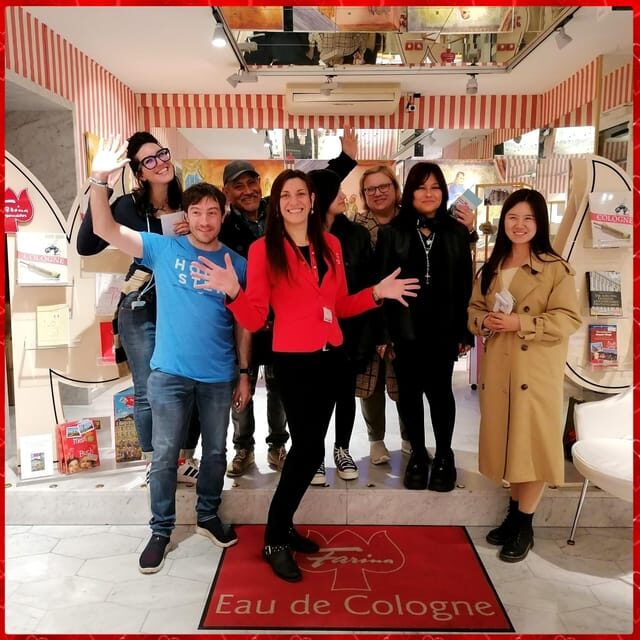
Then the tour gets very Cologne. You’ll visit Eau de Cologne Farina and later Eau de Cologne 4711—two of the most famous names tied to Cologne’s signature scent history.
These stops are great because they show Cologne as a real brand-name city, not just a monument city. The scent story also ties into the broader theme of trade and identity: perfumes and fragrances became part of the city’s export culture and reputation.
Practically, this is also a welcome change of pace. After churches, towers, and architectural viewpoints, you get a focused experience tied to a product you can understand instantly. Even if you don’t plan to buy, you’ll likely come away with a better sense of why Cologne is famous for fragrance—and why that fame has staying power.
Tip: if you’re sensitive to strong smells, you might want to take your time and pace yourself inside these perfume stops. Cologne has a lot going on already; adding scent exposure thoughtfully makes the experience more comfortable.
Kolumba and the Opera district: seeing reconstruction with your eyes
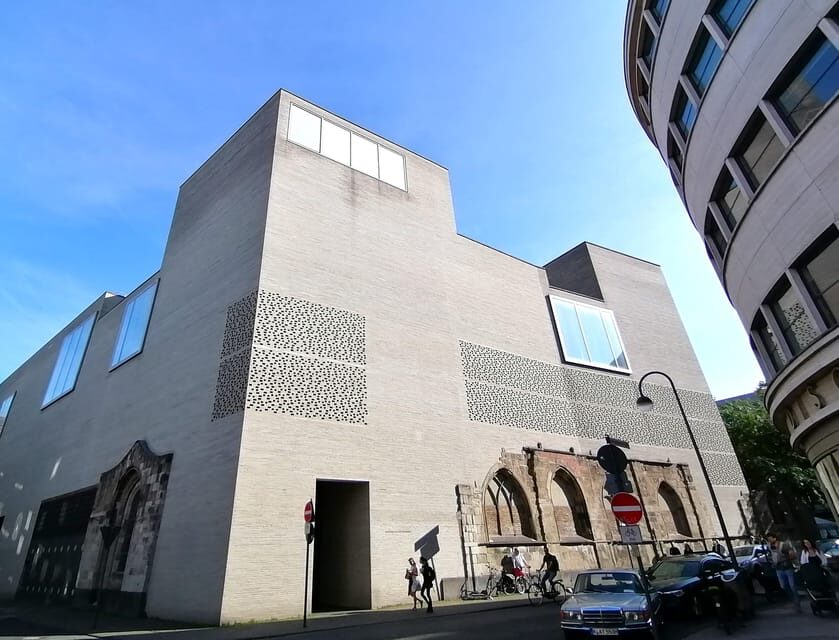
One of the most meaningful parts of the walk is how it treats the 20th century without turning it into a lecture. You’ll pass through Kolumba and the Opera area, where the tour emphasizes reconstruction, post-war memory, and how the modern city grew after destruction.
This is where the historical images matter. Instead of only hearing about the damage, you compare past and present in the same direction of vision. That approach helps you understand what “wounds” of war meant on the ground—and why rebuilding became part of Cologne’s identity.
Kolumba is especially helpful in this context. It’s not just another cultural stop; it’s used on the tour to connect memory to modern life. The message you’ll take away is clear: Cologne didn’t return to the past. It rebuilt with awareness, and the city you see today reflects that effort.
If you prefer tours that explain more than they show, this section is the payoff. It gives you something to hold in your head as you walk back through the center afterward.
Wallrafplatz and the finishing sweep: pulling the threads together
The tour ends back in the central zone, including Wallrafplatz. This final stretch feels like a “closing loop.” You revisit the idea that Cologne is layered: Roman origins, Gothic dominance, merchant civic pride, Rhine trade, and 20th-century rebuilding.
By the time you reach the end, the city stops feel connected. Even if you can’t memorize every detail, you’ll remember the shape of the story: Cologne grew through trade and power, then rebuilt itself after major rupture—and it still carries all those fingerprints.
If you want to make the most of your remaining time in Cologne, I suggest using the tour as a prioritizing tool. After you finish, you’ll know where to return for slower exploring: the cathedral area for more looking up, the Rhine promenade for a calmer walk, or the perfume stops if you want to browse longer.
Price and value for a 2-hour classic
At $23 per person for a 2-hour guided walk, this is straightforward value. You’re paying for three things that are hard to DIY quickly:
- A structured route that hits the major historical anchors in a compact footprint
- Clear commentary in Italian from a certified, professional guide
- Context that ties places together, including the contrast between past and present
You also get insider-style pacing. Instead of wandering, you follow the logic of the city’s history—Roman start, Gothic peak, civic power, river trade, fragrance identity, and modern reconstruction. For the price, that’s the real win.
If you’re short on time, this tour is a smart way to learn the city’s “why.” If you have lots of time, it still works as a primer. Either way, the cost fits well because you’re buying understanding, not just movement.
Who this tour fits best (and who should plan extra time)
This experience is a strong match if you:
- Want a fast, organized history orientation in central Cologne
- Like walking tours that explain what you’re seeing, not just where to stand for photos
- Enjoy stories with practical details and room to ask questions in Italian
It may feel less ideal if you:
- Need long stops at each major sight (2 hours means no deep museum-style pacing)
- Don’t speak Italian and rely on spoken guidance; the tour is Italian only, so it helps to know some basics
For families or older visitors, the itinerary is marked wheelchair accessible, which makes it easier to keep everyone included without forcing a switch to a different plan.
Should you book Cologne Classic Walking Tour?
I’d book it if your goal is to understand Cologne fast and in a way that makes later solo walking feel meaningful. The guide-led mix of cathedral height, Roman origins, merchant-era landmarks, Rhine context, fragrance history, and post-war reconstruction gives you a full-city view without needing a full day.
Skip it only if you want lots of free time at each stop. This is a purposeful 2-hour story, not a slow stroll. If that sounds like your style, you’ll leave with a much clearer picture of why Cologne is Cologne—down to the scent and the centuries that shaped it.
FAQ
How long is the Cologne Classic Walking Tour?
The tour lasts 2 hours.
What does it cost?
It costs $23 per person.
What language is the live guide?
The live tour guide speaks Italian.
Where do I meet the guide?
Meet by the copy of the big pinnacle of the cathedral.
Which sights and monuments are included?
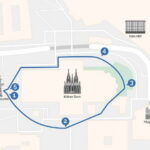
The tour includes Roman Arch, Cathedral, Town Hall, Alter Markt, Groß Sankt Martin, Fischmarkt, Rhine promenade, Salzgasse, Heumarkt, Eau de Cologne Farina, Kolumba, Opera, Eau de Cologne 4711, and Wallrafplatz.
Is the tour wheelchair accessible?
Yes, the tour is marked wheelchair accessible.
Is there free cancellation?
You can cancel up to 24 hours in advance for a full refund.
Can I reserve and pay later?
Yes, there is reserve now & pay later, so you can book a spot without paying today.
Is the tour led by a certified professional guide?
Yes. It includes a professional guide certified by the tourist board.