REVIEW · ORANIENBURG
Berlin: Sachsenhausen Memorial – Survivor Stories in German
Book on GetYourGuide →Operated by Do You Know Berlin? · Bookable on GetYourGuide
Sachsenhausen hits differently with real stories. This German-language tour (max 7 people) is built around survivor accounts entrusted to the guide, so you learn daily life and individual fates with a human face, not just dates. The big downside is simple: it’s German only, so if you’re not comfortable there, you’ll feel the edges.
I like the small-group feel because you can ask questions and absorb at your own pace during the walk. I also appreciate that you’re not handed a stack of facts; the guide is licensed and specialized in Sachsenhausen, and it shows in how clearly the context connects to what you’re seeing.
The emotional weight is part of the deal, so bring steady shoes and expect the conversation to be serious.
In This Review
- Key things you’ll notice on this Sachsenhausen tour
- Sachsenhausen in 4 hours: what the time window really means
- Getting there from Berlin: a short, practical train ride
- At the memorial: how the tour stays human, not just historical
- Walking the camp: learning the structure and the prisoner experience
- Tomek’s German-only style: small group + questions = better learning
- What’s included (and what you must plan yourself)
- Comfort tips that make the walk easier
- Price and value: is $116 a fair deal?
- Who this Sachsenhausen tour suits best
- Quick FAQ you’ll want to know before you go
- FAQ
- Is the tour offered in English?
- How long is the Sachsenhausen tour?
- What group size should I expect?
- Where do we meet in Berlin?
- What does the price include?
- Do I need to buy train or bus tickets?
- Is the tour wheelchair accessible?
- What should I bring for the tour?
- Can I get a full refund if my plans change?
- Can I reserve now and pay later?
- Should you book this Sachsenhausen survivor-story tour?
Key things you’ll notice on this Sachsenhausen tour
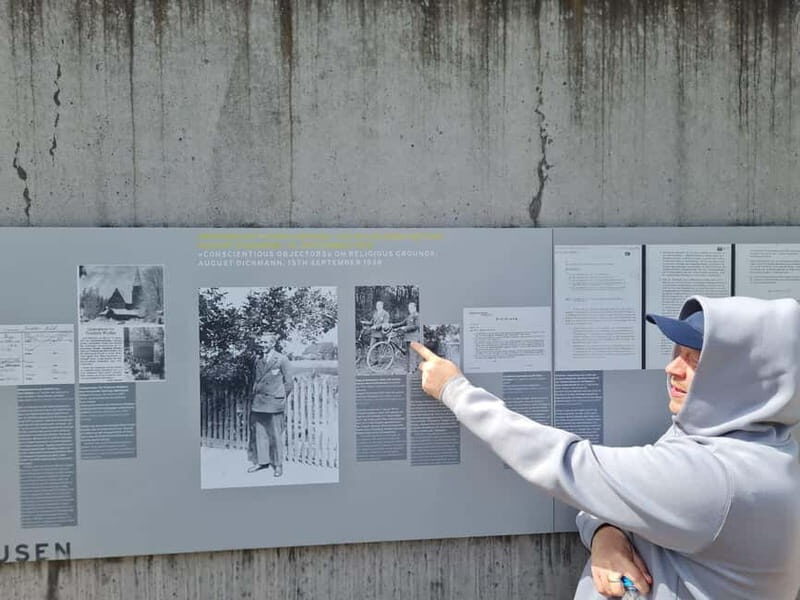
- Max 7 participants: more conversation, fewer people blocking your view of what matters
- Survivor stories entrusted to the guide: remembrance told as lived experience, not dates in a textbook
- Licensed, Sachsenhausen-specialist guide in German (Tomek): focused context and careful explanations
- You learn daily life and prisoner fates: the camp gets explained through people, not just structures
- Included memorial entry and a map: you walk with what you need to follow the site
Sachsenhausen in 4 hours: what the time window really means
A four-hour schedule sounds tight, especially at a place this heavy. But the length is actually part of the value: you get enough time to understand the camp’s purpose, its place in the Nazi system, and how different groups of prisoners were held there—without turning it into a marathon of names and statistics.
The structure also helps your brain. You’re not expected to memorize everything on the spot. Instead, the guide’s approach is geared toward meaning: what daily life looked like, how individual fates unfolded, and how the system worked through routine and control. That pacing matters because Sachsenhausen can feel overwhelming if you only get broad historical facts.
You can also read our reviews of more tours and experiences in Oranienburg.

Getting there from Berlin: a short, practical train ride
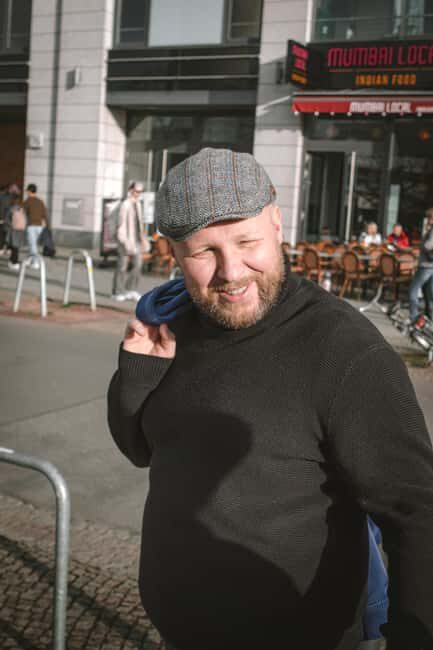
You’ll start at Denns BioMarkt, meeting between McDonald’s and the shop denn’s. Then it’s about a 35-minute train ride to the memorial, giving you a little decompression time before the site.
Why I like this setup: you’re not thrown into a long, complicated transit day. You get a predictable chunk of travel time, and you can show up calm and ready, instead of stressed about connections. If you prefer a different transfer style, private transportation by air-conditioned vehicle is possible if you write to the provider in advance—useful for groups who want smoother logistics.
At the memorial: how the tour stays human, not just historical
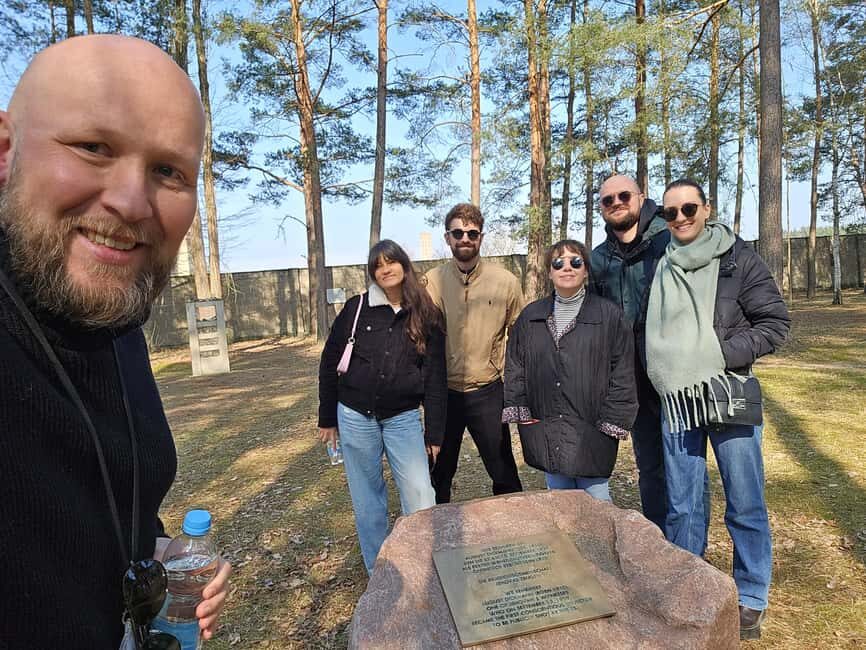
The Sachsenhausen Memorial is one of Germany’s major sites of remembrance. What makes this tour different is the storytelling style: it centers on personal accounts entrusted to the guide by survivors and eyewitnesses.
That choice changes the whole experience. Numbers and dates are important, but they can also feel distant. When you hear what people endured, what daily life meant for someone in a cell or work detail, and how individuals were treated differently, history becomes more specific—and harder to dismiss as something abstract.
The guide also uses authentic storytelling rather than dry recitation. In practice, it means you’re hearing careful explanations tied to what you’re walking past. I’d call it remembrance with context, not a lecture.
Walking the camp: learning the structure and the prisoner experience
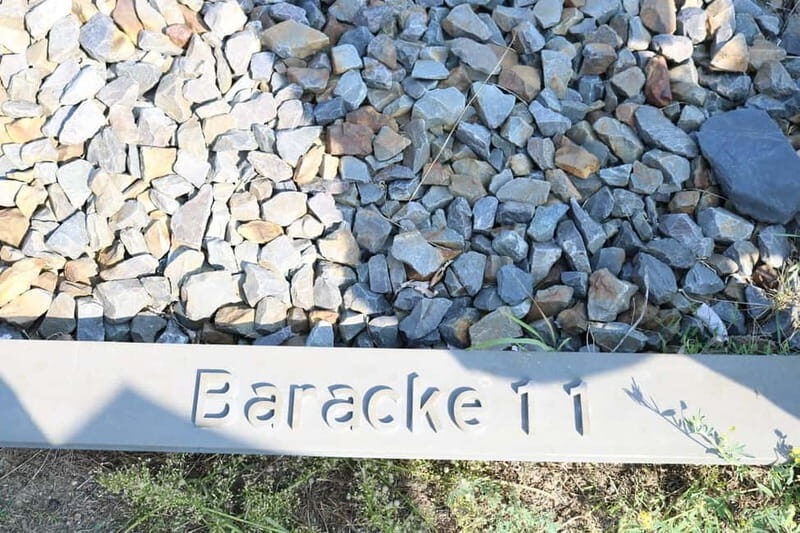
During the visit, the guide explains how Sachsenhausen was structured and what role it played within the Nazi system. You also learn about the diverse prisoner groups held there—an important point, because concentration camp history shouldn’t flatten people into one category.
Then the tour pushes further than a basic overview. The focus is on daily life and individual prisoner fates. Even if you know the big picture already, this is where the experience tends to become personal: you start seeing how the system used organization, routine, and terror to control human lives.
One thing I appreciated is that the tour doesn’t pretend the past can be fully “understood” in a neat way. It guides you through the logic of the terror while also keeping the tone serious. That balance helps you process what you’re being shown.
Tomek’s German-only style: small group + questions = better learning
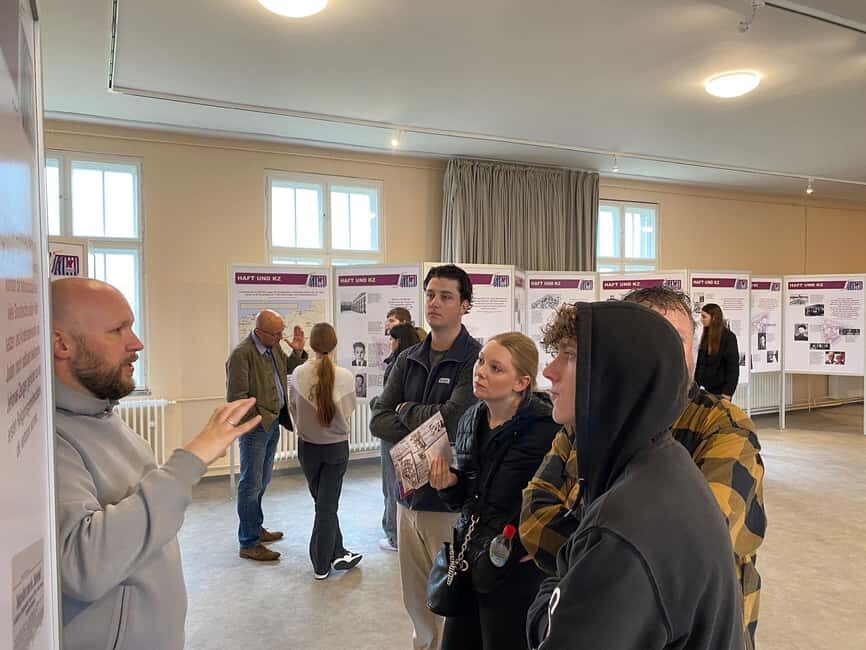
This is a German-language tour, and the guide’s specialization matters. In the feedback, Tomek comes up again and again as someone with unusually strong command of historical context and the ability to explain difficult material clearly.
What I’d take from that for your own trip: plan to use the small-group format. With a maximum of 7 people, you can ask follow-up questions instead of waiting for a general Q&A after the fact. That matters at Sachsenhausen, where people naturally want clarification on terms, categories of prisoners, or why certain parts of the site were used.
Tomek’s delivery also has a knack for keeping attention. In one case, role-play style exercises were used to help teenagers and adults think through perspectives and the dilemmas people faced. That doesn’t make the subject “light,” but it can make the learning stick—especially if you’re traveling with younger people who struggle with long lectures.
What’s included (and what you must plan yourself)
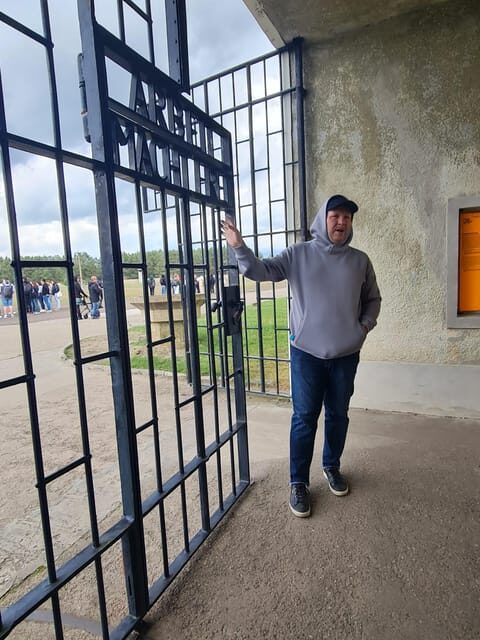
Here’s the practical breakdown:
Included:
- Licensed, professional German-speaking guide (specialist in Sachsenhausen)
- Memorial fee
- A map of the former concentration camp
Not included:
- Train and Bus ABC ticket to Sachsenhausen
That last line is the one you’ll want to plan for. If you arrive in Berlin without the right public transport ticket for the zone, you’ll lose time right when you should be focusing on the experience. The route is simple—train there and train back, about 35 minutes each way—but you still need the correct ticket.
Also, transportation by private air-conditioned vehicle can be arranged by contacting the provider. So if you’re sensitive to walking distances before the memorial or you’re traveling with someone who prefers a car transfer, it’s worth asking.
Comfort tips that make the walk easier
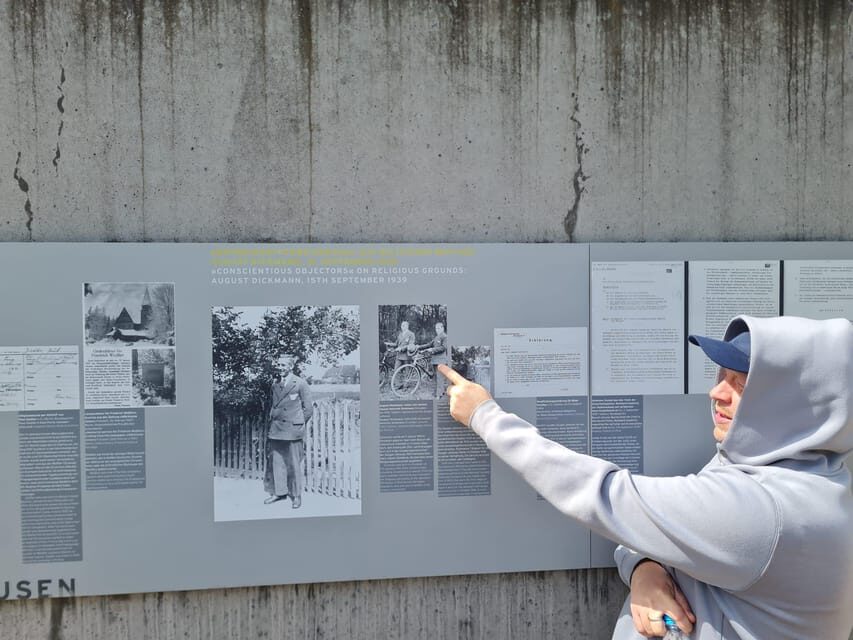
Sachsenhausen isn’t a sit-and-watch museum tour. It’s a guided walk, and the whole experience depends on you being able to stand, walk, and pause when needed.
Bring:
- Comfortable shoes
- Umbrella
That umbrella tip is not “cute,” it’s smart. Even if you only need it for part of the day, rain can make the ground less comfortable and your pace slower—which can affect how well you absorb the guide’s storytelling.
If you’re the type who gets restless in long emotional settings, give yourself a buffer: use the small-group pace to take in what’s in front of you, then ask questions when you want clarity. That’s how the experience stays thoughtful instead of overwhelming.
Price and value: is $116 a fair deal?
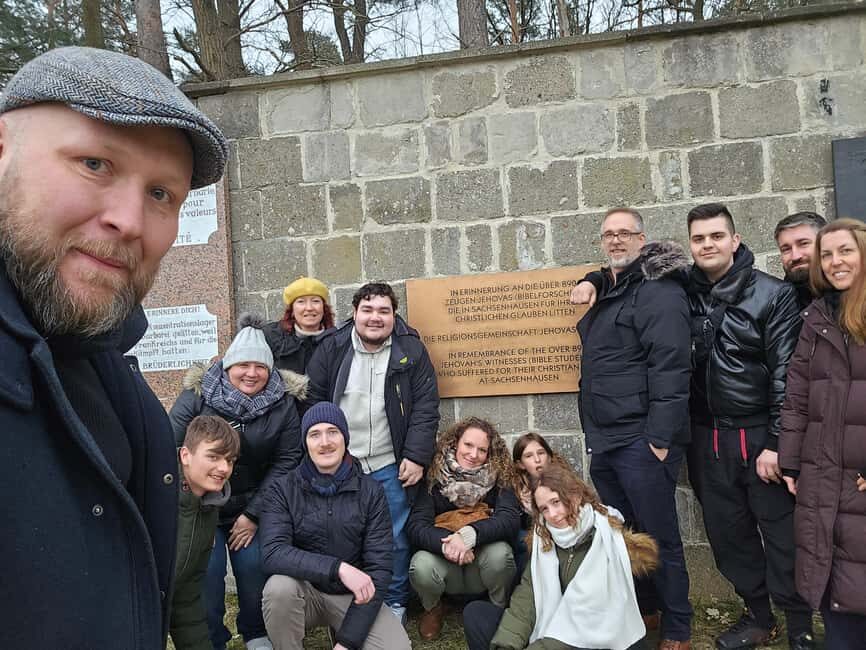
At $116 per person for a roughly 4-hour experience, it’s not a budget impulse buy. But this pricing can make sense for three reasons the tour is built around:
First, you’re paying for a licensed, specialized German guide. Not every memorial tour has that depth of focus.
Second, the experience includes the memorial fee and a map. Those add small but real value, especially when you’re trying to follow what you’re seeing.
Third, the group size is limited to 7. Smaller groups cost more to run, but they also give you something bigger than convenience: time. Time to ask questions, time to process, time to connect context to place.
If your goal is a fast, facts-only stop, you could find cheaper options. But if you want a guided remembrance that prioritizes survivor testimony and personal fates, $116 looks more like paying for care and expertise than paying for “access.”
Who this Sachsenhausen tour suits best
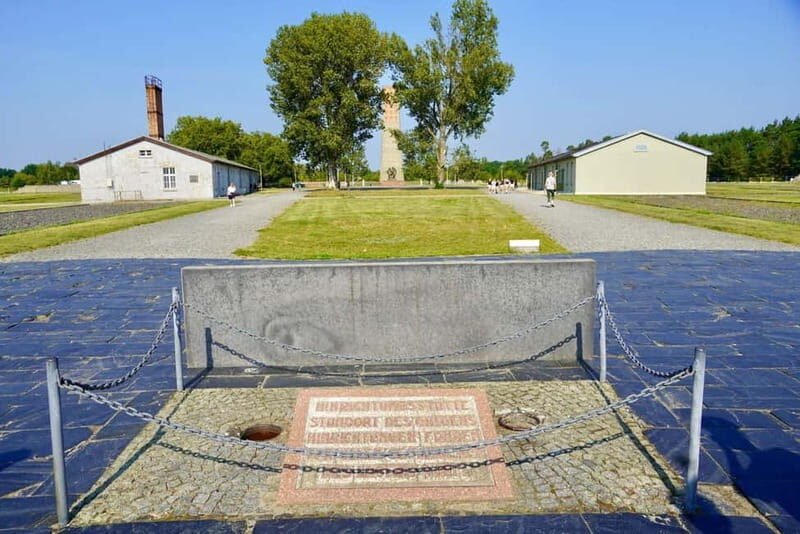
This is a strong fit if:
- You want the memorial experience in German
- You prefer meaningful storytelling over a timeline dump
- You like asking questions during the walk
- You care about understanding daily life and prisoner experiences, not only the big-picture history
It may be less ideal if:
- You need an English-speaking guide
- You’re hoping for a casual, light sightseeing style (this is remembrance, and the tone is serious)
Because the tour is wheelchair accessible, it’s also designed with mobility in mind—though the memorial walk still requires some ability to stay comfortable during a multi-hour visit.
Quick FAQ you’ll want to know before you go
FAQ
Is the tour offered in English?
No. This tour is German language only.
How long is the Sachsenhausen tour?
The total duration is 4 hours.
What group size should I expect?
The group is limited to a maximum of 7 participants.
Where do we meet in Berlin?
You’ll meet between McDonald’s and the shop denn’s (Denns BioMarkt area).
What does the price include?
It includes a licensed, professional German-speaking guide, the memorial fee, and a map of the former concentration camp.
Do I need to buy train or bus tickets?
Yes. The Train and Bus ABC ticket to Sachsenhausen is not included.
Is the tour wheelchair accessible?
Yes, the activity is listed as wheelchair accessible.
What should I bring for the tour?
Wear comfortable shoes and consider bringing an umbrella.
Can I get a full refund if my plans change?
You can cancel up to 24 hours in advance for a full refund.
Can I reserve now and pay later?
Yes. It offers reserve now & pay later, so you don’t have to pay immediately.
Should you book this Sachsenhausen survivor-story tour?
If you want a Sachsenhausen visit that centers on human testimony and specific prisoner experiences, I think this is the kind of tour worth your time. The small group size and Tomek’s specialized German explanations make it more than a sightseeing stop; it’s remembrance with room for questions and careful context.
The decision hinges on one thing: language. If German is comfortable for you, book it. If not, look for an English-language alternative, because this experience is intentionally built around native-language understanding.
If you’re ready for a serious, well-paced 4-hour memorial experience, this one is a solid choice.