REVIEW · MUSEUM OF EUROPEAN CULTURES
Berlin: Museum Europäischer Kulturen Entry Ticket
Book on GetYourGuide →Operated by Distributor: GetYourGuide Tours & Tickets GmbH · Bookable on GetYourGuide
Europe’s daily life, turned into museum stories.
I love how this museum traces everyday European culture across centuries, from the 18th century to today, using objects from arts, crafts, music, and even food-related themes. I also like the clear “cross borders” idea, where you move between historical collections and current issues without feeling lost.
One drawback to plan around: the museum isn’t suitable for wheelchair users, and it doesn’t allow backpacks—so keep it light and simple.
In This Review
- Key things that make this ticket worth your time
- Museum Europäischer Kulturen: a practical way to understand Europe
- The heart of the visit: Cultural Contacts and the Contemporary Showcase
- From the 18th century to today: what “everyday culture” looks like
- Temporary exhibitions: how they add debate, not just variety
- How to plan your 1-day museum visit (and not waste it)
- Ticket value: is $11 actually a good deal?
- A few things to know before you go
- Who this fits best (and who might feel annoyed)
- Should you book this ticket?
- FAQ
- How much is the Berlin Museum Europäischer Kulturen entry ticket?
- How long is the ticket valid?
- What is included with the ticket?
- Is the ticket refundable if my plans change?
- When does the museum close?
- Are backpacks allowed inside the museum?
- Is this experience suitable for wheelchair users?
- Do I need to wear a mask?
- Are there different starting times?
- What permanent exhibition is mentioned as part of the experience?
Key things that make this ticket worth your time
- Everyday culture, not just big-name art: you’ll see how people actually lived and shaped Europe through art and objects.
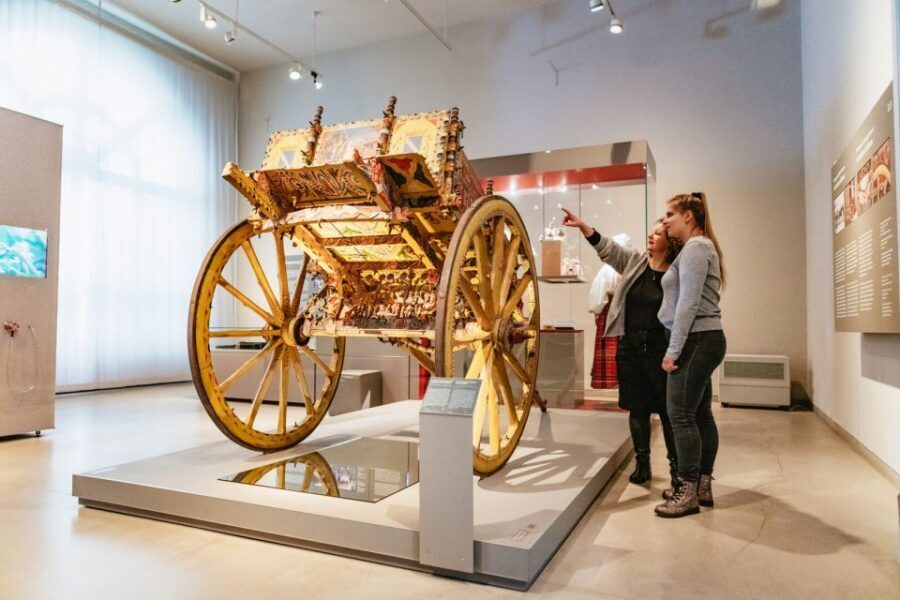
- Cultural Contacts: Living in Europe: the permanent exhibition connects cultures through the idea of cultural contact.
- Historical to modern, on purpose: you’ll go back in time, then shift to today’s debates using museum materials.
- A live research angle: the permanent show links to the Contemporary Showcase, which comes from a public study.
- Temporary shows that tackle real topics: one example theme is fast vs slow fashion.
Museum Europäischer Kulturen: a practical way to understand Europe
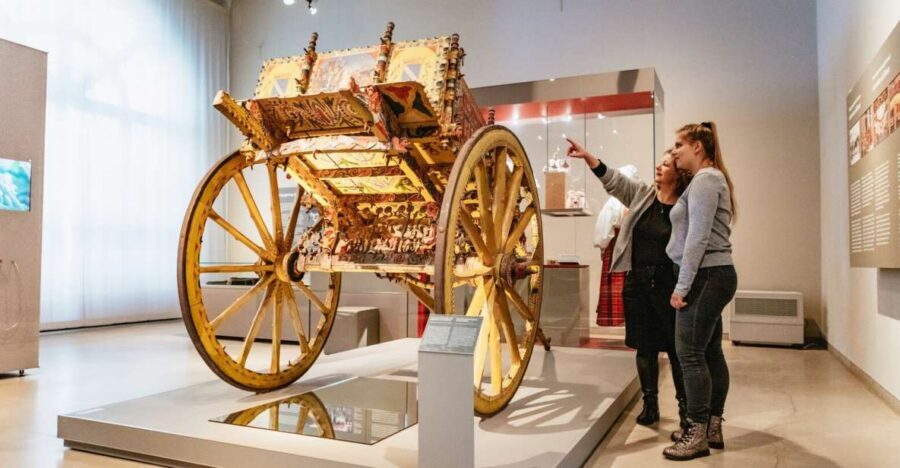
If you think museums only show royal portraits and famous paintings, this one changes your mind fast. The Museum Europäischer Kulturen focuses on European culture as something people make and remake in daily life. You get an “across-Europe” approach that’s built around objects and themes, not just a timeline of wars and rulers.
What I like most is that it’s not pretending Europe is one single story. The museum is designed to reflect the lived realities of Europeans, different European cultures, and their artistic traditions. That matters, because it pushes you to notice similarities and differences as part of the same conversation.
The heart of the visit: Cultural Contacts and the Contemporary Showcase
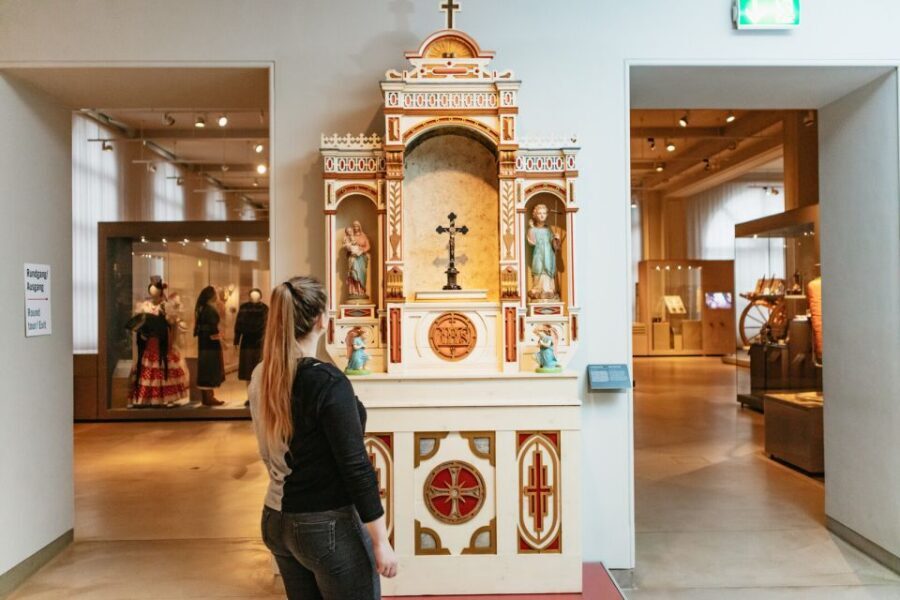
The anchor here is the permanent exhibition Cultural Contacts: Living in Europe. Instead of presenting culture like a finished product, it treats contact between communities as the engine—how people share, adapt, trade, resist, and remix ideas.
A key detail you’ll want to understand while you’re there: the permanent show includes research and material connected to something called the Contemporary Showcase. This is presented as a public study, and the exhibition uses it to bring you cross-sections of the collection and the thinking behind it. Translation: you’re not just looking at stuff. You’re also seeing how the museum frames what the stuff means.
If you like museums that explain their own logic—why they arranged what they arranged—this one is for you. And if you don’t want to read every label, you can still follow the big theme: contact shapes culture over time.
From the 18th century to today: what “everyday culture” looks like
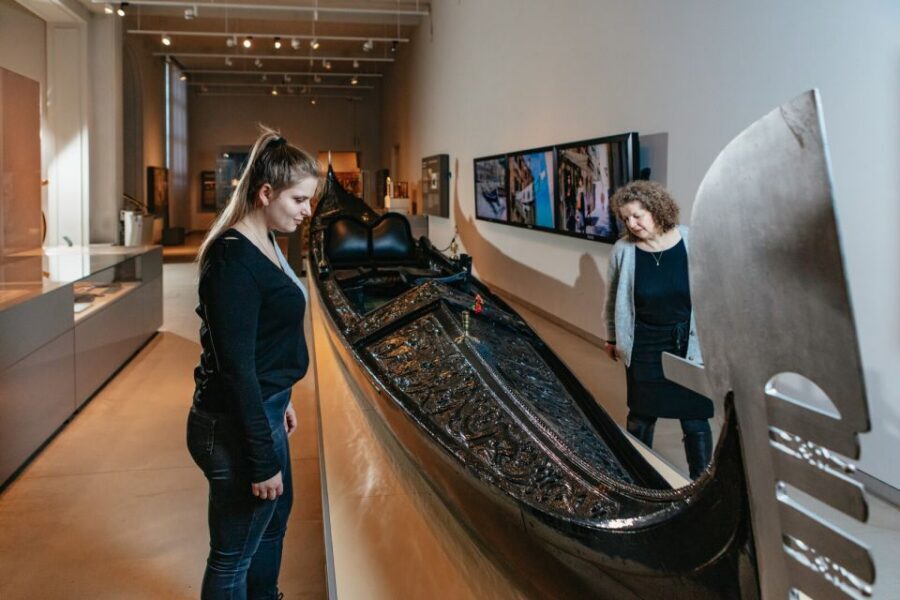
The museum experience is built around a big idea: European everyday life from the 18th century to today, told through art and culture. That can sound vague, but the focus on arts and crafts helps it feel tangible. You’ll also encounter music-related elements and culinary delights as part of how culture travels and changes.
The practical benefit for you is pacing. You can spend a little time with older collections, then pivot to what feels current and relevant. That shift is built into the museum’s design, so you’re not forcing the modern connections yourself.
As you move, pay attention to how the museum connects past and present. The past isn’t displayed as dead or decorative; it’s used to help explain today’s issues. That’s a smart way to make a museum feel useful, even if you’re visiting for just one day.
Temporary exhibitions: how they add debate, not just variety
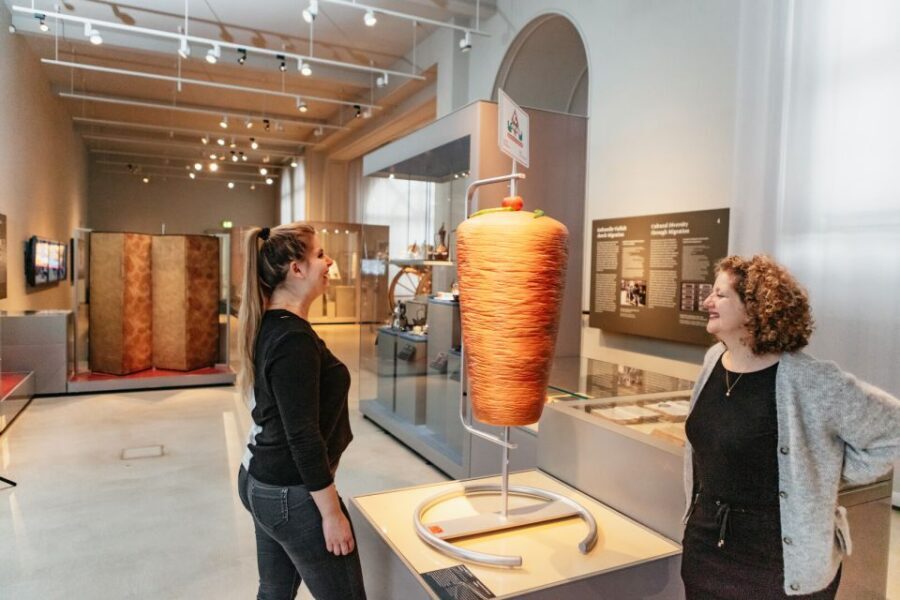
The ticket includes entrance and permanent exhibitions, but the museum’s permanent theme is also reinforced by temporary exhibitions. This is where you can get extra value from the day because the museum chooses topical angles that make the subject feel alive.
One example theme from a past temporary exhibition was fast vs slow fashion. That’s exactly the kind of topic that turns “culture” into something you can weigh with your own everyday choices. When you see an exhibit like this in context with longer-running collections, you start noticing patterns: how production, identity, and consumption connect to broader cultural contact.
When I plan a short museum visit, I like pairing:
- the permanent exhibition for your main understanding, and
- one temporary exhibition for your sharper, current takeaway.
If you do that, the whole day doesn’t turn into label-reading fatigue.
How to plan your 1-day museum visit (and not waste it)
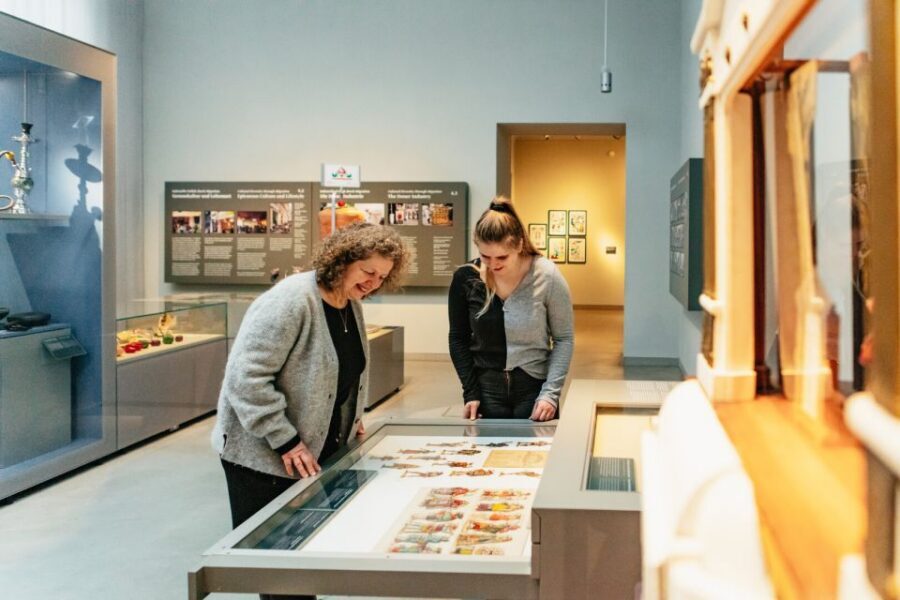
You’ve got one day to use this entry ticket, so your goal is simple: pick the route that follows the museum’s logic. Start with the permanent exhibition, because it’s the map. Once you understand what the museum means by cultural contact, temporary shows and additional sections make more sense.
Here’s a practical approach:
- Give yourself time for Cultural Contacts: Living in Europe first.
- Then choose one path that brings you through historical collections before you hit more modern materials.
- Finally, if a temporary exhibition grabs your attention, spend enough time there to actually compare it with what you saw in the permanent sections.
Timing matters because the museum closes early. It closes at 5:00 PM Tuesday–Friday and 6:00 PM on Saturday and Sunday. If you’re visiting near closing time, you’ll want to be ruthless: see the permanent show first, then decide quickly whether the temporary exhibition is worth your remaining minutes.
Ticket value: is $11 actually a good deal?
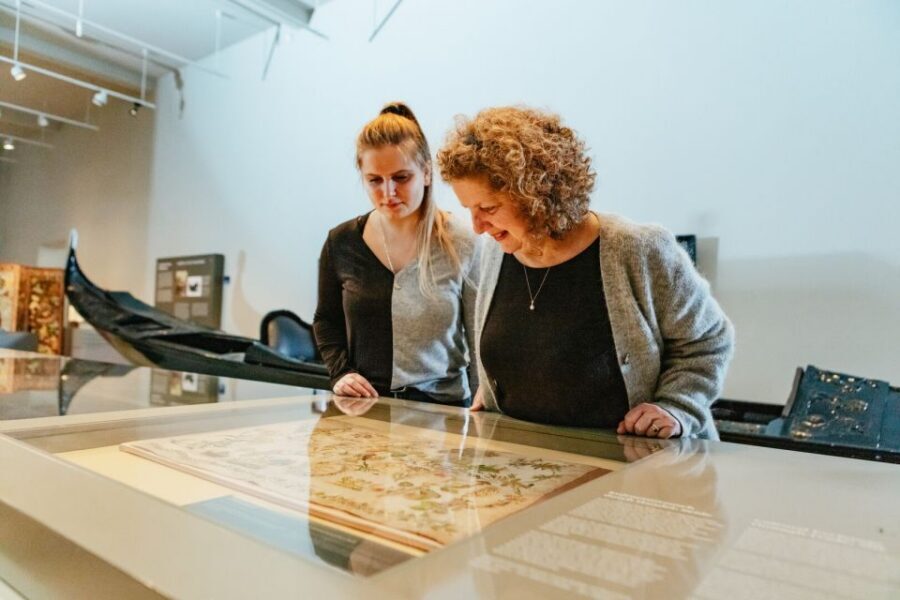
At about $11 per person, you’re paying for entrance plus the permanent exhibitions. That’s strong value if you’re the type who likes meaning and structure—not just wandering in and hoping you stumble on something interesting.
Also, the museum’s concept helps you get more out of less time. The building is designed so you can move from older collections to current issues and keep the through-line intact. In other words, you’re not paying to “fill time.” You’re paying to understand a theme.
One more thing to factor in: the ticket is non-refundable. That doesn’t mean it’s risky—it just means you should plan your day with a little confidence before buying.
A few things to know before you go
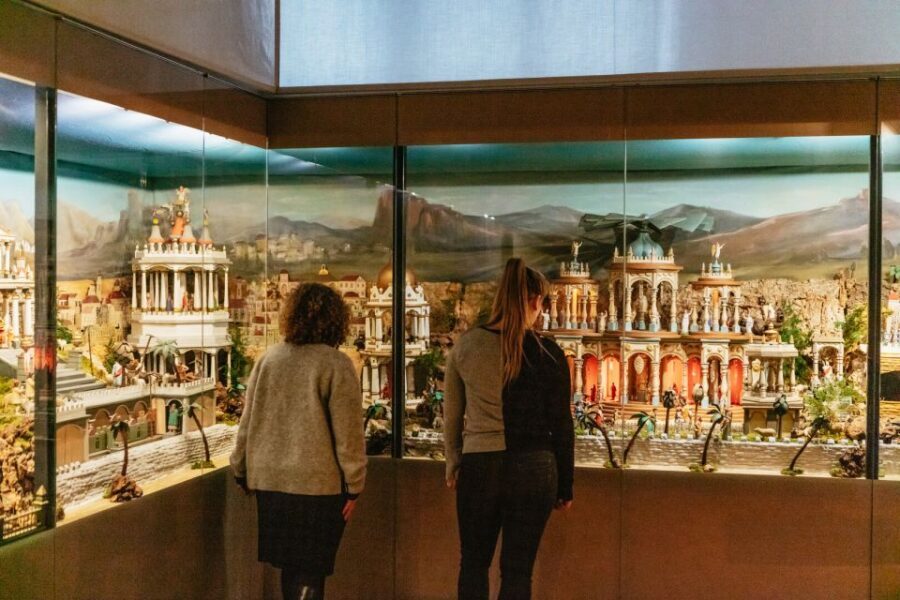
Keep these practical points in mind so your visit stays smooth:
- The museum recommends wearing a medical or FFP2 mask, but it’s not mandatory.
- Backpacks aren’t allowed, so travel light.
- The museum isn’t suitable for wheelchair users.
If any of those affect you, check in early with your travel plans. It’s better to bring a small day bag (or nothing large) than to deal with last-minute stress.
Who this fits best (and who might feel annoyed)
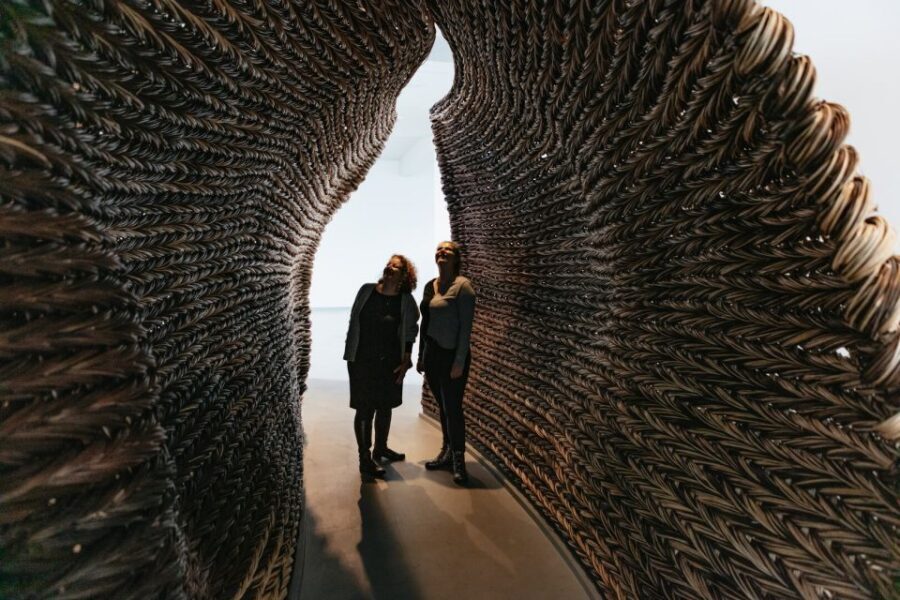
This museum works especially well for you if you enjoy:
- culture explained through real objects and everyday life,
- themes that connect old and new, and
- an approach that treats Europe as interaction, not isolation.
It might feel less satisfying if you’re hunting for only famous art masterpieces or want a straightforward chronological museum with no thematic framing. The museum’s style is concept-driven—built around cultural contact—so you’ll get more from it if you’re curious about how cultures meet and change.
Also, if accessibility is a priority for you, it’s important to know the museum isn’t suitable for wheelchair users based on the info you have. That can affect whether the experience is workable.
Should you book this ticket?
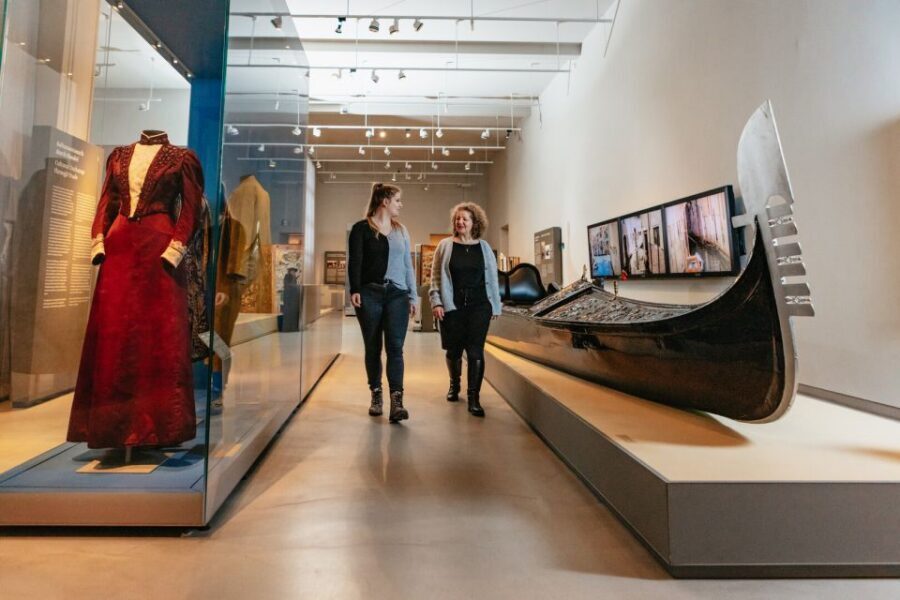
Book it if you want a focused one-day museum experience that explains Europe through everyday culture and the idea of cultural contact. At $11, it’s a straightforward value play: entrance plus permanent exhibitions, with temporary shows acting like extra support for the main theme.
Skip it (or consider other options) if you need wheelchair accessibility, you rely on bringing a backpack, or you’re only interested in traditional “top 10” museum-style highlights. Otherwise, this is a smart stop in Berlin when you want culture with meaning—and you want it without spending the whole day lost in random rooms.
FAQ
How much is the Berlin Museum Europäischer Kulturen entry ticket?
The price is $11 per person.
How long is the ticket valid?
It’s valid for 1 day.
What is included with the ticket?
The ticket includes entrance to the museum and the permanent exhibitions.
Is the ticket refundable if my plans change?
No. The activity is non-refundable.
When does the museum close?
The museum closes at 5:00 PM from Tuesday to Friday, and at 6:00 PM on Saturday and Sunday.
Are backpacks allowed inside the museum?
No. Backpacks are not allowed.
Is this experience suitable for wheelchair users?
No, it is not suitable for wheelchair users.
Do I need to wear a mask?
Wearing a medical or FFP2 mask is recommended, but it is not mandatory.
Are there different starting times?
Yes. You need to check availability to see starting times.
What permanent exhibition is mentioned as part of the experience?
The permanent exhibition is called Cultural Contacts: Living in Europe, and it includes a Contemporary Showcase element.