REVIEW · WORMS
Worms Private Guided Walking Tour
Book on GetYourGuide →Operated by Travmonde OÜ · Bookable on GetYourGuide
Worms can feel like a time machine. In just two hours, this private walking tour strings together Nibelung legends, the Romanesque power of St. Peter’s Cathedral, and the big Reformation story tied to Worms.
I really liked how the tour starts at Siegfriedsbrunnen and turns a myth (Prince Siegfried) into something you can picture as you walk. I also loved stepping inside the cathedral to see how the Romanesque shell makes room for a striking Baroque high altar of gilded wood and marble.
The main thing to keep in mind: it’s a fast, story-dense route. You’ll see a lot, but if you want long time inside churches or quiet time at memorial spaces, you may need to plan a bit of extra time on your own since entrance fees aren’t included.
In This Review
- Key highlights you’ll feel while walking
- Starting at Siegfriedsbrunnen: Nibelung Legend Comes First
- Dom St. Peter’s: Romanesque Cathedral, Baroque High Altar
- Heylshof Garden and the Diet of Worms: Luther’s Exile in 1521
- Lutherdenkmal: Nine Statues, Eight Portrait Medallions
- Worms’ Jewish Legacy: Old Synagogue Links, Rabi Rashi, and the Cemetery
- The Nibelung Story’s City Shape: Myths That Point to Real Places
- Worms as a Wine City: A Local Angle You Don’t Want to Miss
- Private Group in 2 Hours: What the Format Really Changes
- Price and value: $280 per group up to 15
- Should you book the Worms Private Guided Walking Tour?
- FAQ
- How long is the Worms Private Guided Walking Tour?
- Where do we meet for the tour?
- How much does the tour cost?
- Is this a private tour?
- What languages are available for the live guide?
- Are entrance fees included?
- Can I cancel for a full refund?
- Is there an option to reserve now and pay later?
- Can the tour be customized?
- What is covered in the highlights?
Key highlights you’ll feel while walking
- Siegfried at Siegfriedsbrunnen: Start at the fountain named for the hero of Germany’s Nibelung Saga
- Dom St. Peter’s Romanesque wow-factor: Four round towers, two domes, and choir at each end
- Heylshof Garden as a Reformation flashpoint: Linked to the Diet of Worms and Martin Luther’s exile in 1521
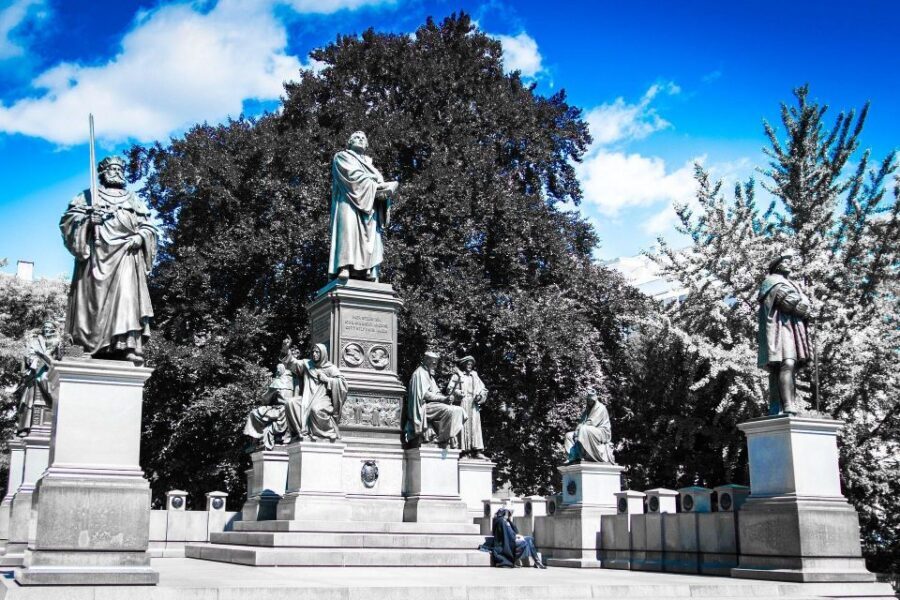
- Lutherdenkmal scale and symbolism: Largest Reformation monument in the world, with nine statues and eight portrait medallions
- Worms’ Jewish learning legacy: Links to medieval Jewish theology and the legacy of Rabi Rashi
- Europe’s oldest Jewish cemetery: A major historic stop that deserves a respectful pace
Starting at Siegfriedsbrunnen: Nibelung Legend Comes First
If you only know Worms as a stop on a train map, this tour changes the picture fast. You meet at Siegfriedsbrunnen, Hagenstraße 4, 67547 Worms, and the guide immediately anchors you in German story-land: the fountain is named for Siegfried, a hero from the Nibelung Saga.
What I liked about this opener is that it doesn’t feel like a “random legend detour.” The guide uses the Siegfried story to give you a mental framework for the places you’ll pass. In other words, you’re not just reading plaques—you’re learning what a medieval epic meant to people who lived in these streets centuries ago.
Practical tip: Wear shoes that handle short turns and cobbles if you have them. Even if the route is manageable, you’ll be walking enough that comfortable soles matter.
You can also read our reviews of more walking tours in Worms

Dom St. Peter’s: Romanesque Cathedral, Baroque High Altar
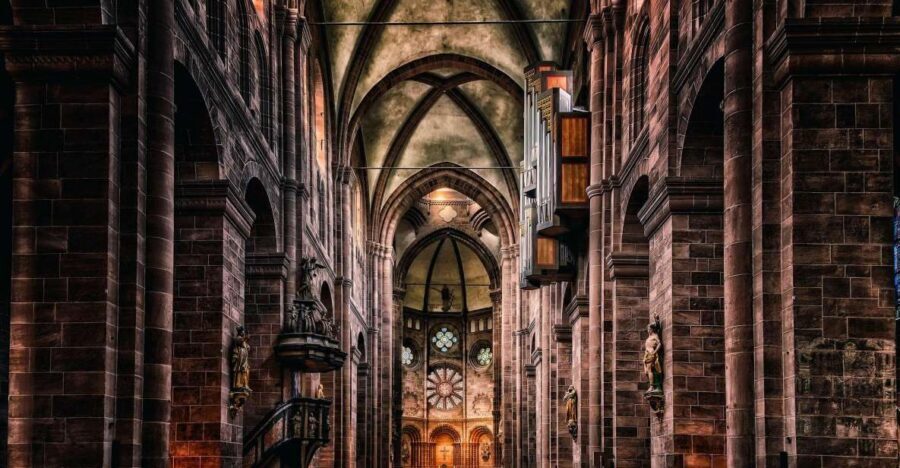
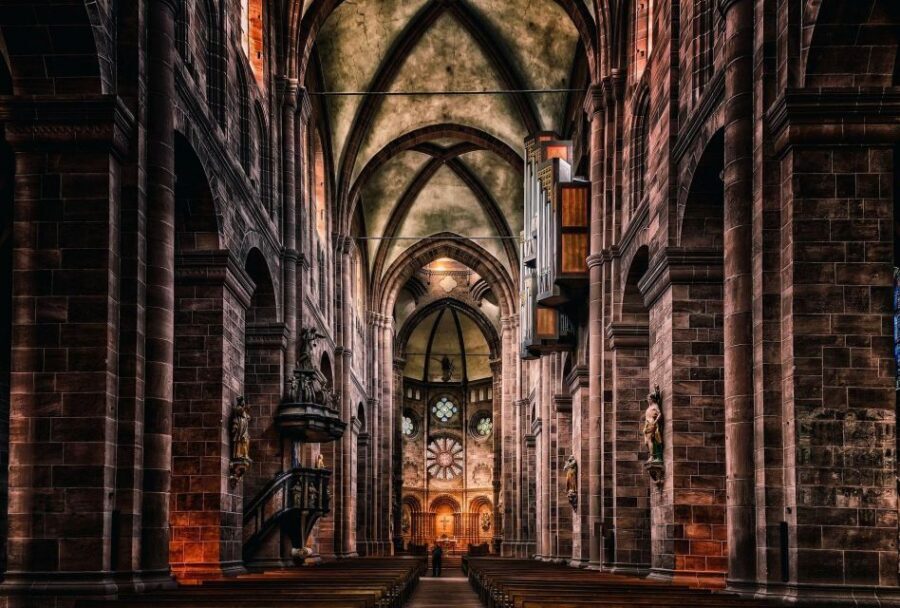
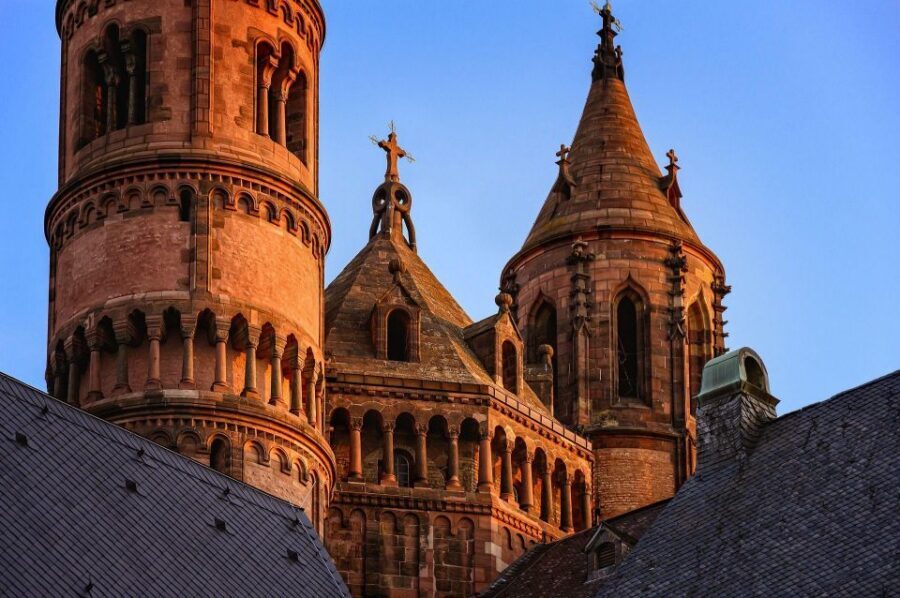
Next comes the star of the show: the Cathedral of Saint Peter (Dom St. Peter). The outside gives you the Romanesque energy—specifically with its four round towers, two large domes, and the way the building is shaped for a choir at each end. From the first steps toward the entrance, you can feel why this cathedral is tied into both religious life and epic storytelling.
Inside is where the tour really clicks. The guide points out the architecture and then lands you at the Baroque high altar, made of gilded wood and marble. That contrast is the point: Romanesque stone for stability and order, then Baroque art that pushes emotion and visual drama.
Two things you should be ready for:
- You may spend longer here than you expect, because once you’re standing in front of the altar, questions pop up fast.
- Entrance fees aren’t included, so if you plan to go in any place that charges, you’ll want that extra budget and a payment method on hand.
This is also a good stop for photography, but don’t rush. The guide’s job is to help you see what your camera won’t automatically notice—like how the different styles speak to different eras in Worms.
Heylshof Garden and the Diet of Worms: Luther’s Exile in 1521
After the cathedral, the tour shifts into the Reformation story—again, not as a dry timeline, but as a set of locations. You’ll stroll to Heylshof Garden, linked to the Diet of Worms, where Martin Luther was banished into exile in 1521.
This is where the city layout starts doing real work for you. You’ll get a sense that “history happened here” isn’t just a slogan. When you’re standing in a place tied to a major decision, the story feels more concrete—like someone could walk in and argue the case again.
If you like sharp, clear explanations, you’ll probably appreciate the way guides with local personality bring this part to life. Past groups have been led by guides such as Heike Schreiber-Wolsiffer, who has been praised for making key stops—especially Dreifaltigkeitskirche, Luther, and Dom St. Peter—feel both understandable and immediate.
Consideration: This portion connects to large European religious change, so it can feel intense. If you prefer lighter sightseeing, balance it by being ready to take short pauses for water and fresh air.
Lutherdenkmal: Nine Statues, Eight Portrait Medallions
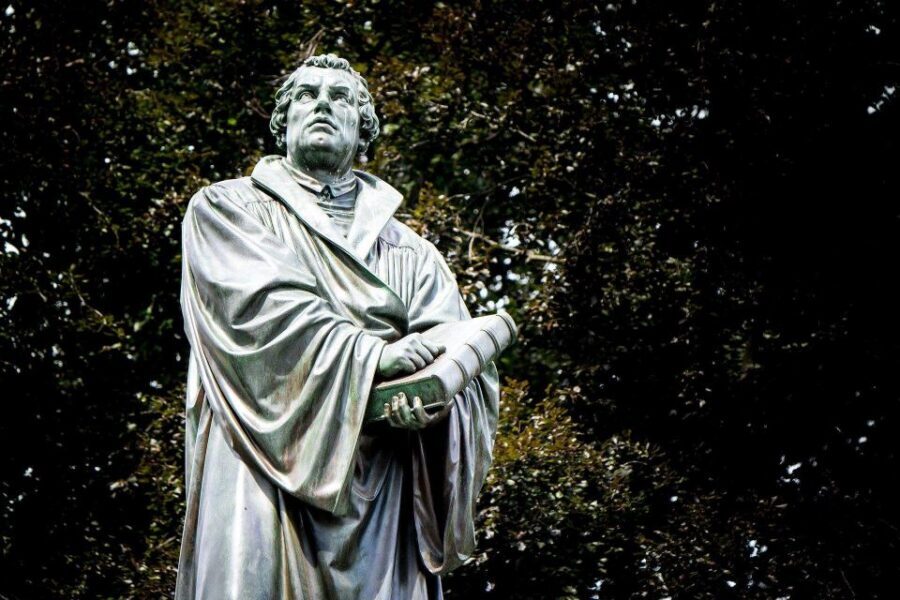
Right after the Luther story lands in Heylshof Garden, the tour makes a huge statement at the Lutherdenkmal. This monument is described as the largest Reformation monument in the world, and it’s built around a strong visual lesson: nine statues plus eight portrait medallions representing major figures in the Reformation.
What makes this worth your time isn’t just the size. It’s the way the monument turns ideas into faces. You can spot key figures and understand that the Reformation wasn’t one person’s opinion—it was a movement with many voices, arguments, and consequences.
And because it’s a walking tour, you’re not stuck staring at one wall for an hour. You can move, look back toward what you’ve already seen, and connect the Reformation art to the cathedral and the Luther-linked sites.
Weather note: One of the standout tour experiences here can depend on season. Groups have noted high-summer heat and also cold December mornings. If you’re touring in either extreme, dress for it—this is a two-hour walk, and shade may not always be constant.
Worms’ Jewish Legacy: Old Synagogue Links, Rabi Rashi, and the Cemetery
This part of the tour is serious, and it deserves a respectful pace. You’ll visit sites tied to Worms’ Jewish heritage, including Germany’s oldest synagogue and Europe’s oldest Jewish cemetery, plus the story of Worms’ role in medieval Jewish theology and the legacy of Rabi Rashi.
What I found helpful about this section is that it avoids the idea that Jewish history is only about one tragedy. Instead, it frames Worms as a place of learning and intellectual tradition. That matters because it gives context to why the cemetery and synagogue connections are more than “older buildings.” They’re part of a longer narrative of community, study, and religious life.
Past feedback also highlights how guides treat this material with care. For example, a guide experience described Karin Kissel leading a varied, detail-rich two hours—so if Jewish history and theology are high on your “must understand” list, this tour is clearly designed for that.
If you want to go deeper: The tour offers possible customizing on the spot. That means you can ask your guide to spend extra attention on the Jewish cemetery focus if that’s the side of Worms you’re most curious about.
The Nibelung Story’s City Shape: Myths That Point to Real Places
At this point, you’ll notice something: the tour keeps switching between legend and place, but it never feels random. The cathedral, the monument, and the city spaces all connect back to major story threads—especially the Nibelung Saga.
The fountain at the start matters because it sets the tone: myths weren’t fantasy-only in medieval Germany. They were cultural glue. By the time you see the cathedral and other central points, you’ll be better at understanding why stories like Siegfried’s became so important that they left physical traces in Worms.
This is one of the reasons the tour works so well in a short time. Two hours doesn’t leave room for ten separate themes. Instead, the guide picks a few big ones—myth, cathedral, Reformation, Jewish heritage—and makes them talk to each other as you walk.
Worms as a Wine City: A Local Angle You Don’t Want to Miss
One of the most practical surprises here is how the tour connects history to everyday life through Worms’ identity as a wine-producing city. That angle matters because it helps you understand Worms as more than a museum of events.
When your guide brings in the “why Worms grew and kept going” perspective, the centuries stop feeling like isolated episodes. You start seeing continuity—how trade, land, and local craft help communities endure through religious and political change.
Even if you don’t plan to do a wine tasting that day, you’ll leave with a better sense of the city’s rhythm. And that’s a value-add on any trip, because it shapes how you experience dinner and conversations later.
Private Group in 2 Hours: What the Format Really Changes
This is a private group guided only for your party, and that matters more than it sounds. In a small group setting, you can ask direct questions without feeling like you’re interrupting a conveyor belt.
The tour also runs in two hours, which is a real sweet spot if you’re short on time but want a plan that makes the city make sense. You’ll cover the main anchors—Siegfriedsbrunnen, Dom St. Peter, Heylshof Garden, the Lutherdenkmal, and the Jewish heritage sites—without it becoming a half-day commitment.
Languages are English and German, and the guide is a local professional. Past groups have described a guide style that leans on local personality—like a Rheinhessische/pälzer flavor—while still staying grounded in facts.
Who this suits best
- First-time visitors who want an organized “story map” of Worms
- People who like architecture but also want meaning, not just dates
- Travelers who care about the Reformation and its physical traces in the city
- Anyone interested in Worms’ Jewish heritage, including the Rabi Rashi legacy and the historic cemetery
- Small groups and couples who prefer a calm pace for questions
Price and value: $280 per group up to 15
The price is listed as $280 per group, up to 15 people, for a 2-hour guided walking tour. For a private city experience, that can be a very fair deal, especially if you’re traveling as more than two people.
Here’s how to think about value:
- If you’re a solo traveler or a couple, you’re paying for the guide, but you still get a focused route that saves you from building your own (possibly confusing) plan.
- If you’re a small group, the math improves quickly because the guide cost stays the same while more people share it.
- You also get flexibility: customizing on the spot can help you tailor the focus without paying for an additional specialist tour.
The one extra cost to budget for is entrances, since entrance fees aren’t included. So when you plan, consider that your total “trip cost” might be guide price plus whatever you choose to pay at indoor sites.
Should you book the Worms Private Guided Walking Tour?
I’d book it if you want Worms to feel coherent—myth, cathedral art, Reformation decisions, and Jewish heritage in one walk. The strongest reason to choose this tour is that it doesn’t treat Worms like a checklist. The guide connects stories to streets and monuments, so the city starts making sense fast.
Skip it only if you hate dense stop-and-explain tours. Two hours is tight, and you’ll be moving with intention, not sightseeing at leisure. Also remember entrance fees aren’t included, so if you mainly want to spend time inside ticketed sites, plan extra time and budget.
If you do book, go in with one clear goal: either the Reformation story, the Nibelung legend angle, or Worms’ Jewish heritage. The private format makes it easier to get exactly what you came for—and if your interests shift mid-walk, you can ask for the emphasis to change while you’re already there.
FAQ
How long is the Worms Private Guided Walking Tour?
The tour lasts 2 hours.
Where do we meet for the tour?
You meet at Siegfriedsbrunnen, Hagenstraße 4, 67547 Worms.
How much does the tour cost?
It costs $280 per group, with a maximum group size of up to 15 people.
Is this a private tour?
Yes. It’s a private group tour with a local professional guide who will be with your group only.
What languages are available for the live guide?
The live tour guide is available in English and German.
Are entrance fees included?
No. Entrance fees are not included.
Can I cancel for a full refund?
Yes. Free cancellation is available up to 24 hours in advance for a full refund.
Is there an option to reserve now and pay later?
Yes. You can reserve now and pay later.
Can the tour be customized?
You can request possible customizing on the spot with your local guide.
What is covered in the highlights?
The tour includes Nibelung myths, Martin Luther’s exile history, Worms’ role in medieval Jewish theology, the legacy of Rabi Rashi, Europe’s oldest Jewish cemetery, and Worms’ unique wine-producing city history.