REVIEW · KROV
Winetasting with tour through the winery
Book on GetYourGuide →Operated by Weingut Gerhard Trossen · Bookable on GetYourGuide
A good wine story starts underground. This Mosel tasting gives you a guided walk through the cellar and then a structured flight of five Mosel wines you can actually compare. I also like that the session is built around the winemaker’s explanations, not vague marketing lines. One drawback: the tour is German only, so non-German speakers may miss a lot.
You get a 2-hour rhythm that doesn’t drag—first the winery, then the tasting. It’s also adult-focused (not suitable for children under 16, and not for pregnant women), so the atmosphere tends to feel more like a serious wine lesson than a casual stop.
If you like learning how wine terms connect to real smells and flavors, you’ll enjoy this. And yes, you’ll have chances to ask questions directly, which is the difference between reading wine notes and understanding them.
In This Review
- Key takeaways before you go
- Weingut Gerhard Trossen: A Mosel Winery Tour That Feels Practical
- The 40-Minute Winery and Cellar Walk: Where Fermentation Lives
- The Winemaker’s Year Told in Words and Pictures
- Five Mosel Wines: How to Read Fruit, Mineral, and Wood Influence
- Vineyard Work Lessons You’ll Appreciate After the First Sip
- What the Price Really Covers: Value in a 2-Hour Format
- German Language Reality Check (and How to Make It Work)
- Wheelchair Access: Good to Know Up Front
- Who This Tour Is Best For
- Should You Book This Mosel Wine Tasting?
- FAQ
- Where does the tour start?
- How long is the experience?
- What happens during the tour?
- How long is the winery tour part?
- How long is the wine tasting part?
- How many wines will I taste?
- Is the tour in English?
- What is the price per person?
- Is it suitable for children or pregnant women?
- Is wheelchair access available?
Key takeaways before you go
- Cellar access: See where fermentation happens and connect that to what you taste
- A winemaker-led narrative: Learn the year in words and pictures, not just a quick lecture
- Five Mosel wines: A guided range tasting built for comparison (fruit, mineral, wood influence, Riesling aromas)
- Question-friendly format: You’re encouraged to ask what the winemaker means by his descriptions
- 40 minutes tour + 80 minutes tasting: A clear timeline that keeps the experience focused
- German-language experience: Great if you speak it; a hurdle if you don’t
Weingut Gerhard Trossen: A Mosel Winery Tour That Feels Practical
This tour takes place at Weingut Gerhard und Christel Trossen in Rhineland-Palatinate, right in the Mosel wine world. The setting matters because Mosel wines aren’t just a style—they come from specific growing conditions, and the tour is designed to help you notice those connections.
I like that you start with an introduction to the winery and the people behind it. It sets a human tone fast, so the rest of the tour doesn’t feel like a scripted sales pitch. You also get a sense that the winery is teaching how wine gets made, which is what makes this kind of experience worth your time.
One practical note: the session runs 2 hours total, so it works best as a planned activity rather than something to squeeze in randomly. You’ll want to show up with a clear head and appetite for tasting.
You can also read our reviews of more wine tours in Krov
The 40-Minute Winery and Cellar Walk: Where Fermentation Lives
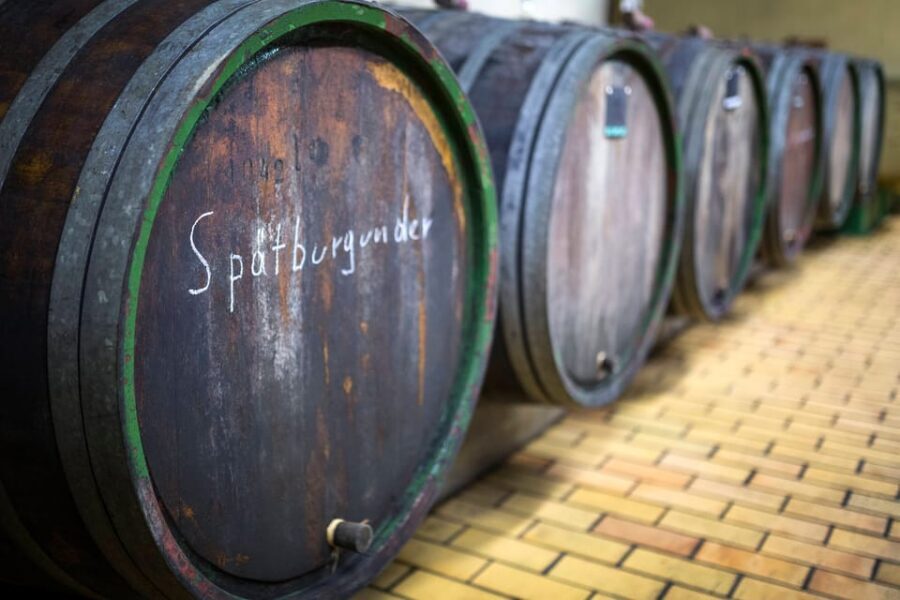
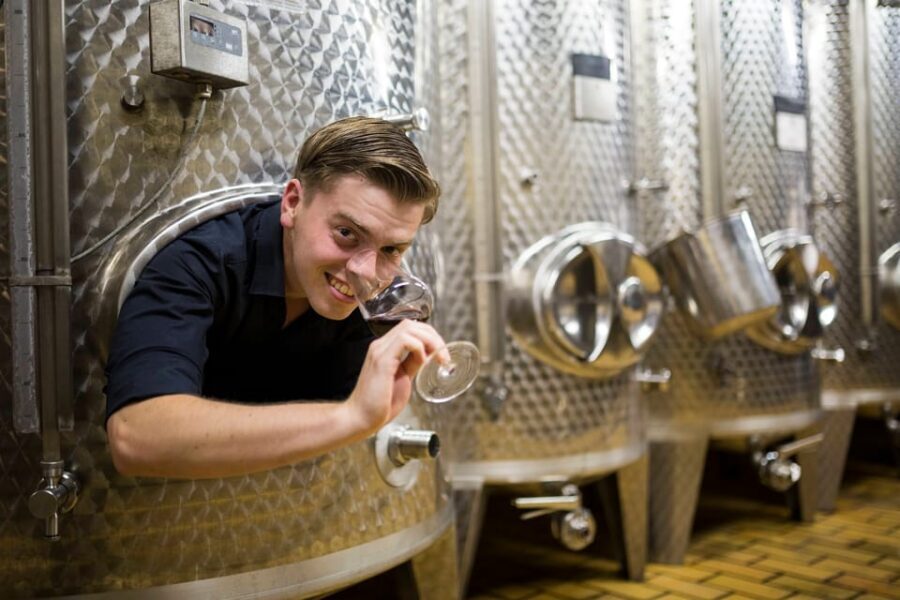
The tour portion lasts about 40 minutes and it’s centered on the winery itself. You don’t just stand in one spot waiting for explanations; you get shown around, then you look at the wine cellar where fermentation takes place.
This is a smart start. Fermentation is where a lot of wine vocabulary becomes real. Even if you don’t know the science, you can build intuition: what happens before bottling affects the aromas you’ll later detect in the glass. When the cellar visit lines up with tasting, everything feels less like magic.
You’ll also get details about the facility and how the winery operates, which helps you understand that wine quality comes from a chain of choices. And because you’re walking through the production area, you’re not stuck with abstract talk.
If you’re the type who likes hands-on learning, this part is especially helpful. If you’re short on time, it’s still long enough to be meaningful without turning into a marathon.
The Winemaker’s Year Told in Words and Pictures
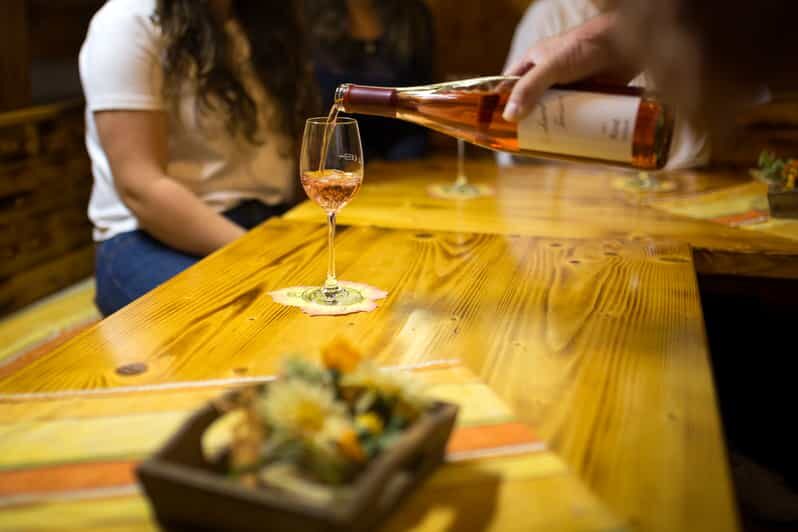
After the cellar walk, the tasting section shifts into a longer 80-minute format that’s described as the winemaker’s year in words and pictures. That means the session is built like a guided storyline: what happens across the growing and winemaking cycle, and how those stages connect to the wines you’ll taste.
I like this approach because it gives you a framework. Instead of tasting five random bottles, you learn how terms like fruity, mineral, wood influence, and Riesling aromas fit into a bigger picture. It also helps you build a mental checklist for what to look for in the glass.
The tone stays practical. The winemaker is explaining details, and the host is not afraid to connect descriptive words to real causes. That’s important, because a lot of wine descriptions are just sounds until someone translates them into something you can sense.
Expect this part to be lively if you enjoy Q&A. One recent guest highlighted how the guidance was both entertaining and informative, and the overall format is clearly meant to keep you engaged rather than watching a one-way presentation.
Five Mosel Wines: How to Read Fruit, Mineral, and Wood Influence
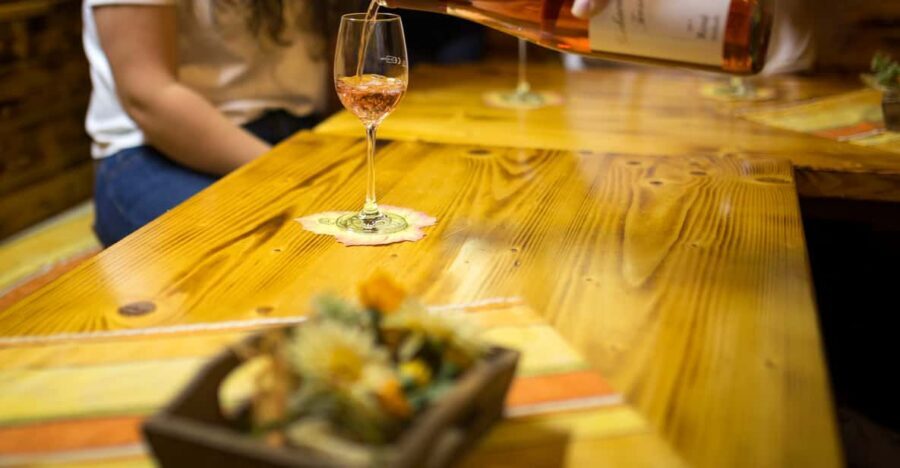
The tasting covers five wines from the winery’s range, focused on Mosel. This number is big enough to show variety, but small enough that you can still track differences without losing your palate.
Here’s what makes this tasting more useful than a standard flight: the guide calls out specific qualities and then explains what those words mean. You’re guided through what the winemaker means when he speaks of:
- fruit
- mineral
- wood influence
- characteristic Riesling aromas
That matters because you get to test the language. If you hear fruity, you can try to define what fruity means to you: is it orchard fruit, citrus, stone fruit, or something else? If you hear mineral, you can focus on the impression in the finish and overall balance rather than expecting a flavor that tastes literally like rocks.
And because it’s Riesling-focused in the descriptors, you’ll likely spend extra time noticing aroma patterns. Mosel Riesling can be subtle and layered, so having someone interpret the vocabulary helps you avoid the common trap of assuming you’re doing it wrong.
If you’re new to wine tasting, this is a great “learn the map” experience. If you already know your way around, it’s a chance to compare how one winemaker frames the same sensory cues.
Vineyard Work Lessons You’ll Appreciate After the First Sip
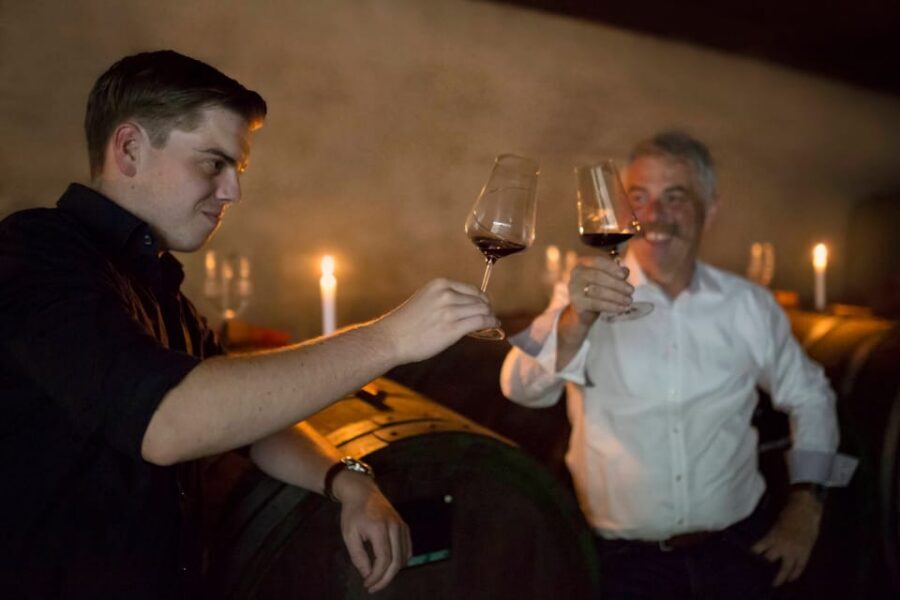
One of the highlights is learning about the work in the vineyard. The tour doesn’t treat the vineyard as a background fact; it connects vineyard decisions to the wines you’re tasting.
This is the part many people skip on wine days, because it’s easier to focus on the tasting room. But vineyard work is where quality starts, and understanding even a few basics helps you taste with more intention.
I like that the vineyard content is tied into the winemaker’s year. You’re not hearing random farming tips; you’re learning the seasonal logic behind the wines. That helps you understand why a wine can taste a certain way even if it’s not the same style from bottle to bottle.
A practical tip: go into the tasting already thinking about questions like what fruitiness means for freshness, what mineral impressions might signal about style, and how wood influence shows up beyond taste—think texture and lingering impressions. When the winemaker answers, you’ll be able to connect the explanation to what you’re experiencing.
What the Price Really Covers: Value in a 2-Hour Format
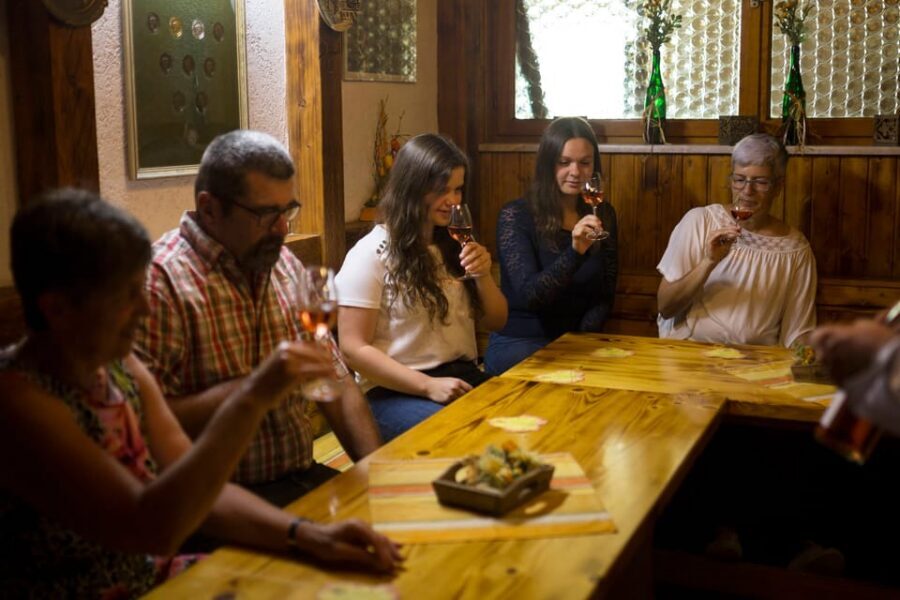
At $16 per person for a 2-hour experience, this is positioned as an affordable, structured introduction to Mosel wine. The value comes from the combination: cellar tour plus a tasting of five wines, with explanations that connect production and sensory terms.
Some tastings charge more but offer shorter or less guided content. Here, the pacing is clear: 40 minutes around the winery, then 80 minutes at the tasting. That makes the time feel “spent,” not wasted.
Also, you get five wines, not just a couple of sips. For many people, that’s the main value marker. It lets you compare across the winery’s range and start noticing patterns—how style changes, how aroma intensity shifts, and where sweetness, acidity, and structure come through.
If you’re budgeting, this is a good pick when you want a genuine learning experience without committing to a half-day tour. And if you like flexibility, you can book with free cancellation up to 24 hours in advance and reserve now & pay later (both features are part of the listed terms).
German Language Reality Check (and How to Make It Work)
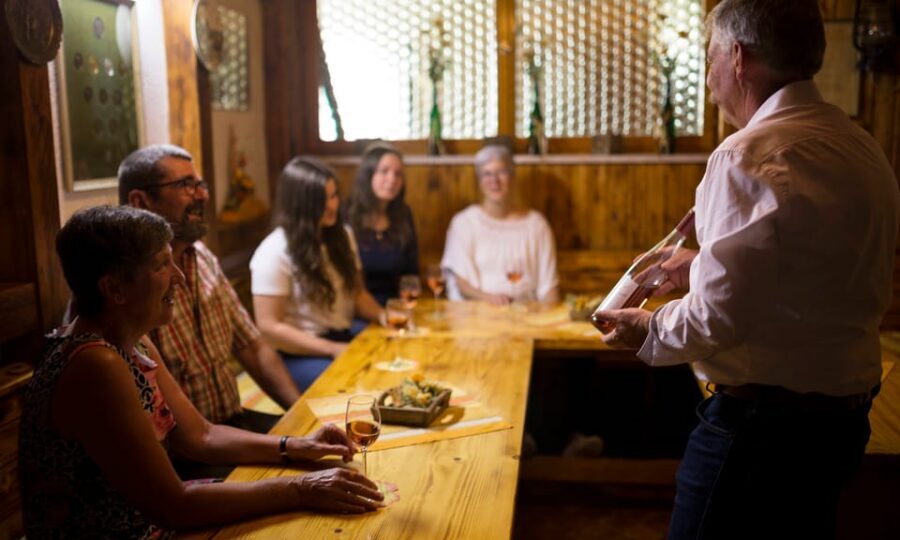
The tour runs with a live guide in German. That’s the key consideration to plan around.
If you speak German (or you’re comfortable with wine vocabulary), you’ll benefit from the direct explanations and the invitation to ask questions. This Q&A angle is a big deal: it turns tasting into understanding.
If you don’t speak German well, you can still enjoy the cellar walk and you can still taste the differences between the wines. But you might not catch the full meaning behind the winemaker’s word choices. In that case, consider bringing a small cheat sheet of wine terms you’re likely to hear—fruit, mineral, wood influence, and Riesling aroma descriptors—so you can follow what matters most to your palate.
Also, this isn’t a kids program. It’s not suitable for children under 16, and it’s not recommended for pregnant women. Those limits usually mean the pace and conversation stay focused.
Wheelchair Access: Good to Know Up Front
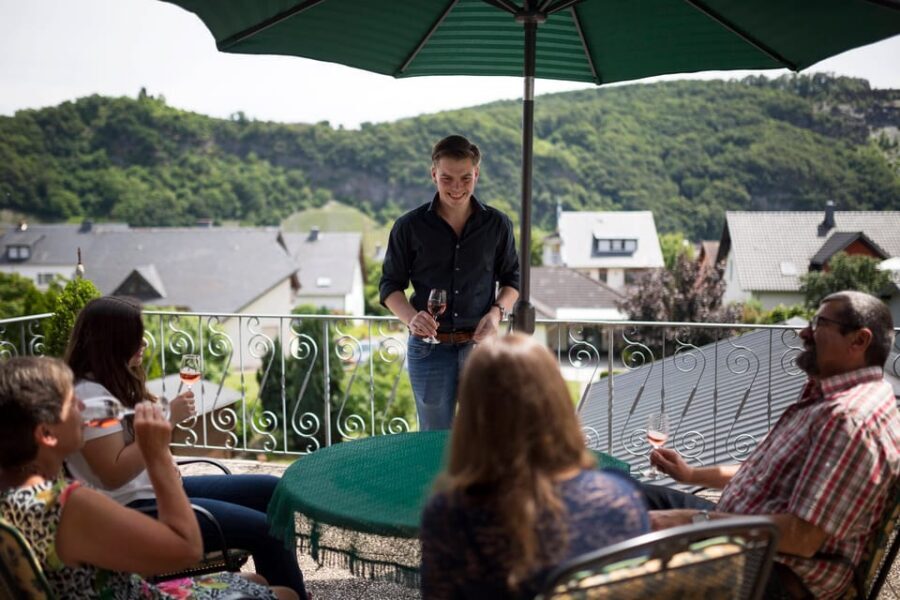
The experience is listed as wheelchair accessible. That’s a meaningful practical detail because wine cellars and winery spaces can be tricky.
If you use a wheelchair, you’ll likely want to keep your expectations realistic: even in accessible spaces, cellar areas can involve stairs, door thresholds, or narrow routes. The good news is that wheelchair access is specifically indicated, so it’s worth considering rather than assuming it will be impossible.
Who This Tour Is Best For
I’d steer you toward this tour if you want a compact, focused wine lesson in the Mosel region. It’s especially good for people who:
- enjoy learning how production connects to what they taste
- want a structured tasting with specific descriptors to listen for
- like meeting the winemaker’s perspective directly
- prefer a 2-hour experience that doesn’t eat a whole day
It’s less ideal if you want a family activity or if you’re looking for a tour in English. Since it’s German-language and adult-focused, plan accordingly.
If you’re already comfortable with wine terms, you may still enjoy it because the winemaker’s explanations can sharpen your listening skills—how they define fruity vs. mineral, or how wood influence shows up in structure.
Should You Book This Mosel Wine Tasting?
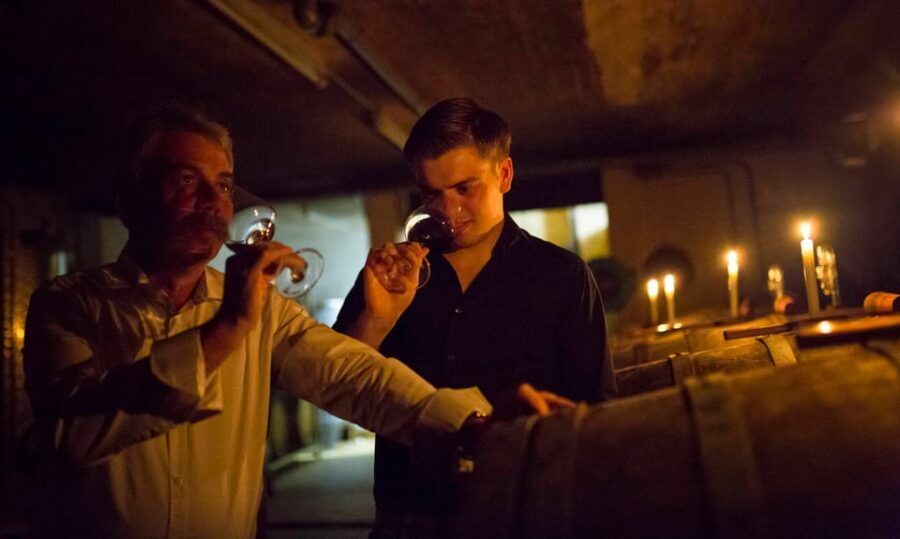
Yes, you should book it if you want a guided cellar-and-tasting experience that teaches you how to interpret wine descriptions. The combination of a cellar tour, a winemaker-led narrative of the year, and a tasting of five Mosel wines at an accessible $16 price point makes it a strong value for many visitors.
I wouldn’t book it if language is a major barrier for you, or if you’re traveling with children under 16 or someone who can’t participate per the stated suitability limits. In those cases, look for an English-language option or a different style of winery visit.
If you do book, come with a question or two in mind. The best part of this format is not just tasting the wines—it’s getting your wine vocabulary corrected and clarified in real time.
FAQ
Where does the tour start?
It starts at Weingut Gerhard und Christel Trossen.
How long is the experience?
The total duration is 2 hours.
What happens during the tour?
You’ll take a guided walk through the winery (including the wine cellar) and then join a winetasting session with explanations.
How long is the winery tour part?
The guided winery tour takes about 40 minutes.
How long is the wine tasting part?
The wine tasting takes about 80 minutes.
How many wines will I taste?
You taste five Mosel wines.
Is the tour in English?
No, the live tour guide language is German.
What is the price per person?
The price is listed as $16 per person.
Is it suitable for children or pregnant women?
No. It is not suitable for children under 16 and not suitable for pregnant women.
Is wheelchair access available?
Yes, the experience is listed as wheelchair accessible.