REVIEW · TUBINGEN
Tübingen: Private Guided Walking Tour
Book on GetYourGuide →Operated by Travmonde OÜ · Bookable on GetYourGuide
Tübingen works its magic fast. In 90 minutes, this private guided walk blends medieval streets by the Neckar with the lively feel of a university town, so you get the past and present in the same stroll. It’s the kind of tour where the details come with stories you’ll actually remember.
I especially like the way the guide connects people and ideas to the streets you’re standing on, and how the tour keeps things entertaining through humor and character-based storytelling. One thing to consider: if you only want dates, statistics, and a strictly factual lecture, this tour’s story-driven style may not be your best match.
In This Review
- Key highlights to look for
- Why Tübingen feels like two cities in one walk
- Price and group size: the value math for $280
- Meeting at Neckarbrücke 1 and what 90 minutes really covers
- Walking the medieval core along the Neckar River
- Stockerkahn tradition: the riverboat story that locals still care about
- University influence: Eberhard Karl’s presence in daily life
- World War II survival stories that focus on resilience
- Castle Hohentübingen: a landmark you can connect to the town
- Protestant collegiate students: history you can picture
- Humor, character, and why the guides matter
- Who should book this private walking tour (and who might not)
- Should you book this Tübingen private guided walking tour?
- FAQ
- How long is the Tübingen private guided walking tour?
- What is the price?
- Where do we meet?
- Is this tour private?
- What languages are available?
- What’s included in the price?
- Are entrance fees included?
- Can I pay later or reserve now?
- Is free cancellation available?
- Is the route customizable during the tour?
Key highlights to look for
- Stockerkahn tradition along the river, explained as a living local custom
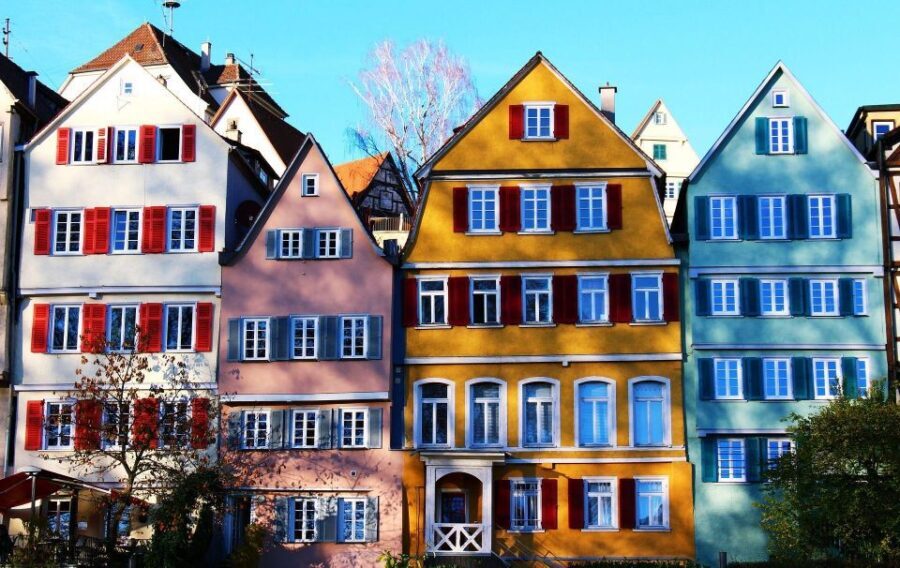
- Medieval center that still looks like the 15th and 16th centuries in key areas
- Eberhard Karl’s University and how the town’s scholars shape daily life
- World War II survival stories that focus on resilience and real impact
- Castle Hohentübingen as a local landmark tied into the town’s bigger picture
- Protestant collegiate students and what student life meant then and now
Why Tübingen feels like two cities in one walk
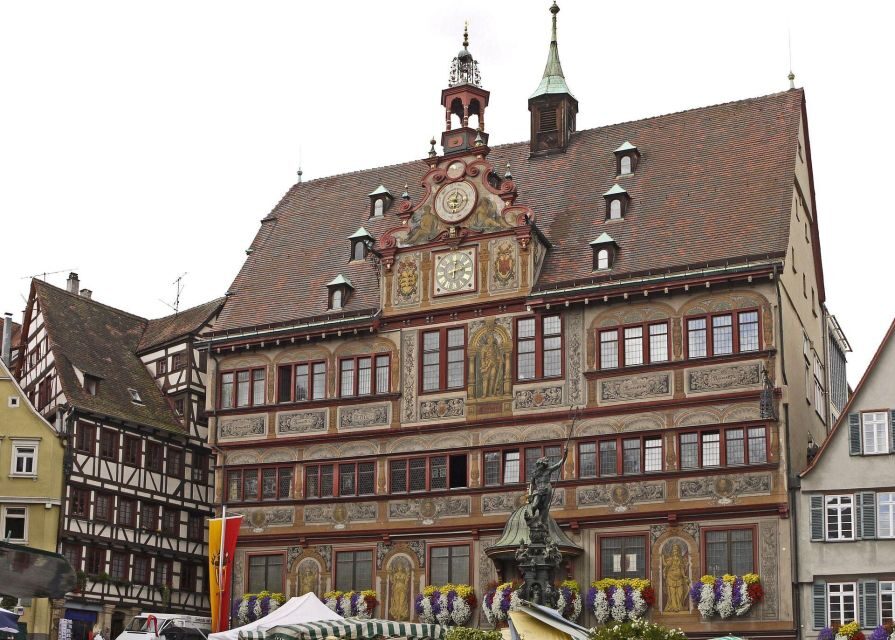
Tübingen sits in the Neckar valley between the Black Forest and the Swabian Jura, and that location shows up in the way the town is built. You’re walking a compact old center that dates back to the Middle Ages, but you’re also seeing modern student energy right alongside the old stone. That mix is the real hook.
On this private tour, you don’t just pass buildings. You’re meant to understand how the town’s geography, the university, and the river shaped everyday life over centuries. One walk can go from old-town street corners to the influence of scholars, then to the way Tübingen endured major 20th-century upheaval—without turning into a dry timeline.
You can also read our reviews of more tours and experiences in Tubingen.

Price and group size: the value math for $280

The price is $280 per group (up to 15 people) for a 90-minute private walking tour. That setup can be great value if you’re traveling with a small group of friends or a family unit.
Here’s the practical math:
- If you fill it with the maximum 15 people, that’s about $19 per person.
- If you have a smaller group—say 2 to 6 people—you’ll feel the cost more, but you still get the payoff of a guide who stays focused on your pace and interests.
- The tour can also be customized on the spot, which is a big deal when you’d rather spend time on the parts that actually interest you.
If you’re someone who likes learning with context—why a place matters, not just what it is—private can be a smart spend here.
Meeting at Neckarbrücke 1 and what 90 minutes really covers
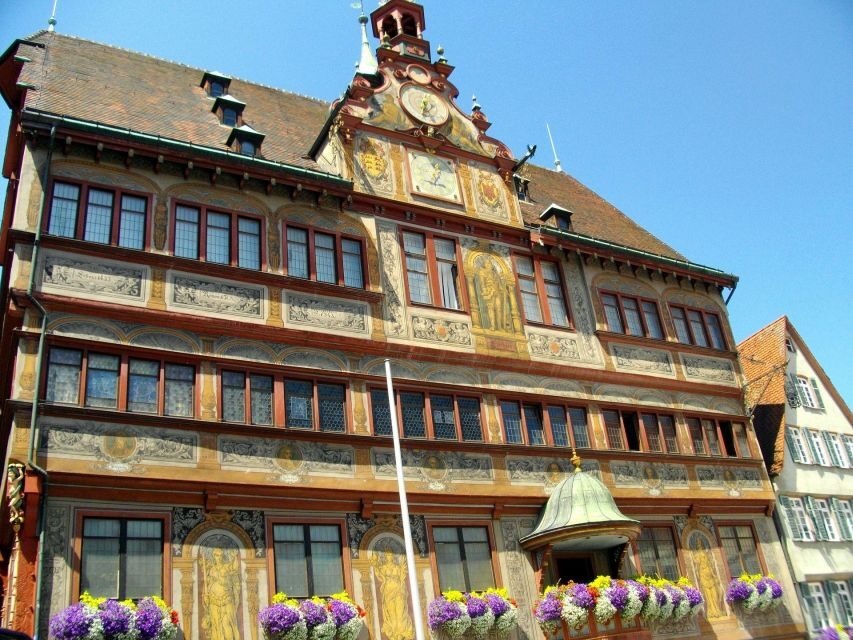
You meet in front of the tourist office at Neckarbrücke 1, 72072 Tübingen. The main practical win: you start right where the old town and the river feel connected, so you’re not doing a long transfer before the stories begin.
Ninety minutes is enough time to get your bearings, walk through key areas of the medieval center along the Neckar, and still make room for bigger themes: the university’s role, local traditions connected to the river, and the town’s survival during World War II. The tour is private, so if the guide senses you’re curious about one topic—like students at the Protestant collegiate—they can adjust on the spot.
A small consideration: one guest found the meeting point description tricky. If that worries you, I’d do a quick map check before you head out and, if you’re close but not sure, ask at the tourist office for directions to the guide’s exact starting spot.
Walking the medieval core along the Neckar River
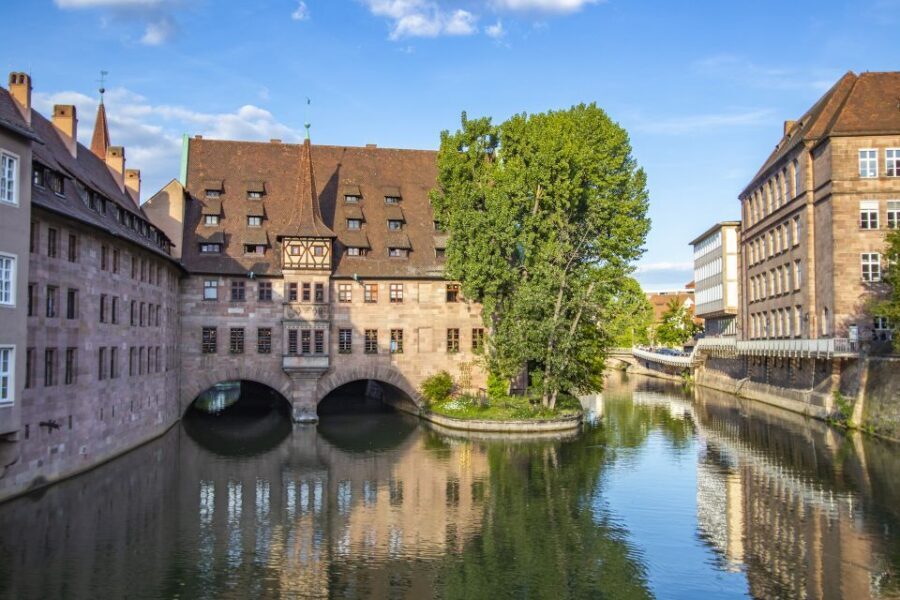
The old town of Tübingen stretches along the Neckar River, and the center is known for being remarkably well preserved. That matters because you’re not just seeing modern replicas. The streets and the feel of the area can look like they would have in the 15th and 16th centuries in the most important sections.
As you walk, the guide’s job is to translate what you’re seeing into meaning:
- You’ll learn how the river shaped the town’s movement and traditions.
- You’ll connect historic institutions and influential residents to specific spots you pass.
- You’ll get a sense of how medieval street life sits right next to university rhythms.
This is where a good guide makes the difference. If you have a boring tour guide, you end up staring at stone. With a better approach, the buildings become clues.
Stockerkahn tradition: the riverboat story that locals still care about
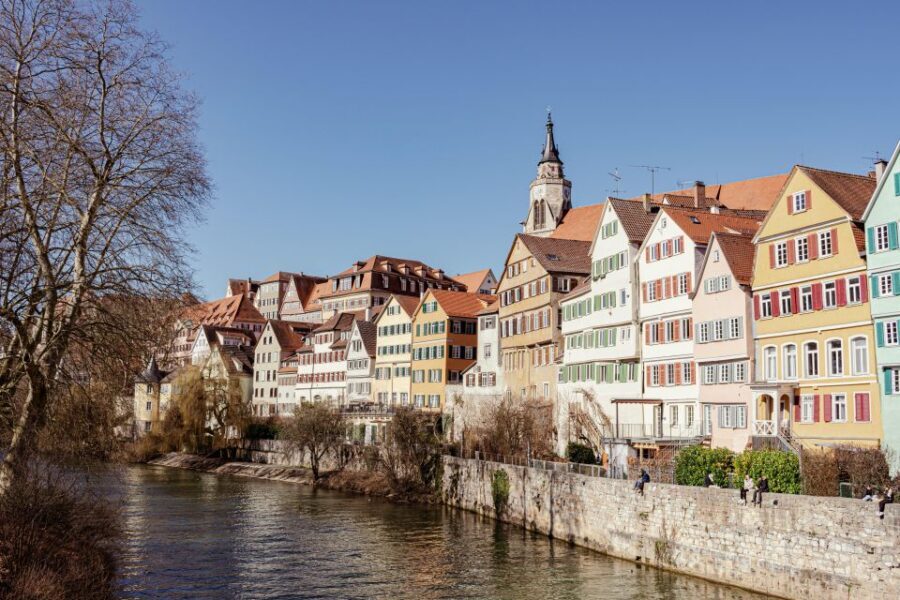
One of the standout highlights is Stockerkahn, described as a unique riverboat experience and tradition. Even if you’re not riding anything during the walk, you’ll get the story behind why this tradition matters in Tübingen’s identity.
Why I like this theme: it gives you a way to understand the Neckar beyond scenery. Rivers are often treated like background. Here, the river is a character, tied to how people lived, traveled, and maintained local customs over time.
Expect the guide to explain the tradition in a way that feels connected to the town you’re walking through. It’s also a nice shift of pace: you’re not only talking about big institutions or wars. You’re getting a local practice that helps explain the town’s personality.
University influence: Eberhard Karl’s presence in daily life
Tübingen is a university town, and the tour leans into that. You’ll hear about Eberhard Karl’s University, highlighted as one of Germany’s most famous and oldest universities. That’s not just a brag fact; it’s part of why the town feels young and cosmopolitan while still holding onto its medieval shape.
The guide’s angle tends to be human-scale:
- How scholarship and notable residents shaped the town’s reputation
- How students affect the everyday streets you walk on
- Why the university matters even when you’re not inside a lecture hall
This is also where the tour can feel particularly engaging if you’re curious about intellectual history without wanting a textbook lecture. The goal is to help you read the town like a living place, not a museum.
World War II survival stories that focus on resilience
A major segment of the tour is the way Tübingen survived World War II. Instead of focusing only on destruction and dates, the approach here is about resilience and what endured—what was protected, rebuilt, or carried forward through the decades.
For me, that kind of storytelling is valuable because it helps you understand the town as it exists today. You can admire the medieval center, but the real question is how it made it through modern history. A guide who ties that survival to the streets you’re walking helps the past stop feeling distant.
One note for expectations: the tour is described as story-rich and character-driven. If you’re looking for a strict, fact-only military history, you may feel the emphasis is more on narrative than data.
Castle Hohentübingen: a landmark you can connect to the town
Castle Hohentübingen is another highlight, presented as a key local landmark in the bigger story of the city. Even if you’re not going inside, it’s the kind of stop that helps you understand how Tübingen’s center fits into its wider geography and power structures over time.
The practical value here is context. When you see a landmark like this from the town level and hear why it matters, the medieval walk becomes more than charming street scenery. It starts to feel like a map of relationships—between the castle, the town below, and the people who lived in each era.
Protestant collegiate students: history you can picture
The tour also includes the noteworthy students of the Protestant collegiate in Tübingen. This part is especially interesting if you like the idea that “education” isn’t just modern life. You’ll get student history framed in a way that connects to the town’s current identity as a place shaped by learners.
What makes this segment work on foot is that student life is easy to imagine when you’re already in the university town atmosphere. You’re not just learning names from a list. You’re learning who they were and why their presence mattered in shaping the town’s intellectual culture.
Humor, character, and why the guides matter
The tours are led by a local professional guide, and the tone is clearly part of the product. Two guides named in the experience stand out: Michael and Frau Schwelling.
Michael’s style is described as humorous, charming, and full of anecdotes, with mention of a strong Swabian dialect that helps the storytelling feel alive. One guest even highlighted that despite bad weather, the guide kept the experience enjoyable rather than letting the conditions drain the fun.
Frau Schwelling is also praised for being both interesting and humor-forward, with deep knowledge that kept attention locked in. Another key point: one review found the tour not ideal for people who only want numbers, dates, and hard facts.
So here’s how I’d frame it: if you like learning that feels human—where facts ride along on stories—this kind of guide approach is exactly what you want.
Who should book this private walking tour (and who might not)
This tour fits best if you:
- Want a private guide who can tailor the route while you’re walking
- Like learning about a university town through real places, not only institutions
- Enjoy story-driven history that blends medieval life, local tradition, and major 20th-century survival
- Appreciate humor and character in a guide’s delivery
You might think twice if you:
- Want a strictly academic, data-only approach
- Prefer long museum time or ticketed attractions over street-level understanding
- Need very detailed, date-heavy military or theological coverage (this tour’s emphasis isn’t described that way)
Still, even if you’re history-inclined, the narrative approach can be a strong way to remember what you saw and why it matters.
Should you book this Tübingen private guided walking tour?
If your ideal day includes medieval streets along the Neckar, university culture, and at least a couple of big “how did this town survive and keep its identity” stories, I’d say yes. The private format also makes it easier to match the pacing to your group and to ask questions as you go.
The decision mainly comes down to style:
- Choose it if you want charm, humor, and connection between places and people.
- Consider something else if you want pure facts with minimal personality.
One last practical tip: wear shoes you trust for walking. This is a walking tour in a compact center, and the best parts happen as you move—turn a corner, see the next piece of the old town, hear how the guide connects it to what came before.
FAQ
How long is the Tübingen private guided walking tour?
It lasts 90 minutes.
What is the price?
The price is $280 per group for up to 15 people.
Where do we meet?
Meet in front of the tourist office at Neckarbrücke 1, 72072 Tübingen.
Is this tour private?
Yes. It’s a private group with a guide who stays with your group only.
What languages are available?
The live guide offers English and German.
What’s included in the price?
A local professional guide is included. You may also be able to customize parts of the tour on the spot with the guide.
Are entrance fees included?
No. Entrance fees are not included.
Can I pay later or reserve now?
Yes. You can reserve now & pay later.
Is free cancellation available?
Yes. You can cancel up to 24 hours in advance for a full refund.
Is the route customizable during the tour?
You can ask for possible customizing on the spot with your local guide.