REVIEW · KEITUM
Keitum: Guided Village Walking Tour
Book on GetYourGuide →Operated by Jörg Ridder · Bookable on GetYourGuide
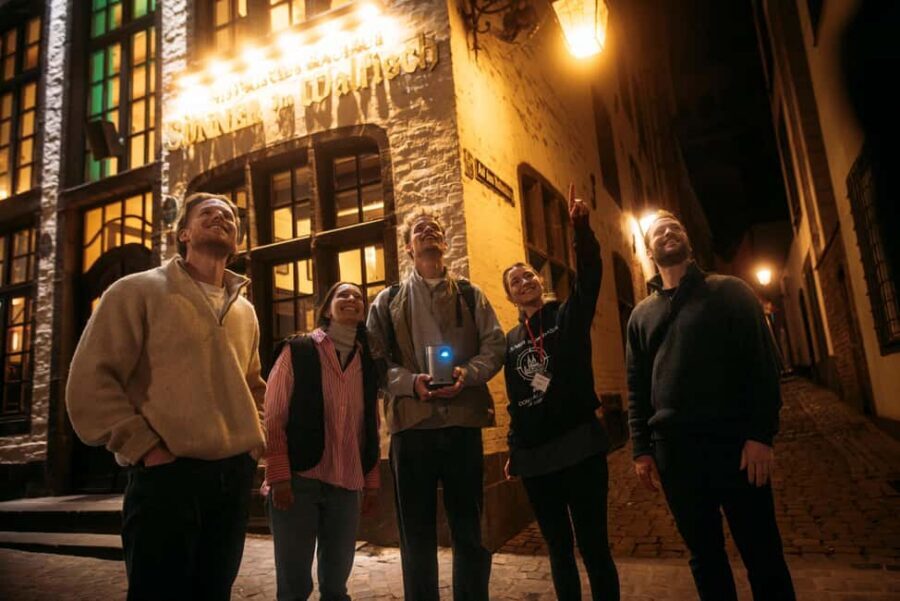
Keitum can feel like a postcard until someone points out the details. This walking tour turns a simple village stroll into a story walk through Frisian architecture, artisan workshops, and the island’s deep past, from whaling-era tales to the Stone Age burial mounds of Harhoog and Tipkenhoog. I especially loved the relaxed pace through narrow alleyways and gardens, and the way Jörg Ridder makes the village feel human through personal local stories. One watch-out: if you expect lots of building-by-building facts right from the start, you might find the focus leans more toward stories and connections than strict chronology.
You’ll meet at Keitum Mitte and spend about 2.5 hours walking rain or shine in a small group (max 10). This is a good choice when you want the North Sea setting to do what it does best: fresh air, sea views, and a village that rewards slow attention.
In This Review
- Key things I’d plan around
- Meeting Keitum Mitte: why the starting point matters
- Frisian lanes, thatched roofs, and the artisan side of Keitum
- Keitum’s “green heart,” walled gardens, and homes that reach back
- Sea air and the Wadden Sea side: views you can feel
- Harhoog and Tipkenhoog: Stone Age mounds with named stops
- What you pay for: $22 for a guided story walk
- Who this tour fits best (and who should think twice)
- Practical tips for a smooth 2.5 hours in Keitum
- Should you book the Keitum Guided Village Walking Tour?
- FAQ
- FAQ
- Where is the meeting point for the tour?
- How long is the Keitum guided village walking tour?
- Is the tour canceled if it rains?
- What language is the guide speaking?
- Is food or drinks included?
- What should I bring?
Key things I’d plan around
- Small group, village-at-walking-speed: limited to 10 participants for a conversational pace.
- Thatched-roof streets plus working artisan shops: you’ll pass places tied to glassblowing and goldsmithing.
- Keitum’s “green heart” areas and walled gardens: a quieter side of the village with traditional stone walls.
- Sea and Wadden Sea tidal side: you’ll get wide open views and that salty breeze on your cheeks.
- Stone Age stops with clear names: Harhoog and Tipkenhoog are specific landmarks, not vague “ancient history.”
- Guide-led, personal storytelling: reviews highlight Jörg’s talent for connecting you to locals and keeping it entertaining.
Meeting Keitum Mitte: why the starting point matters
Your tour begins at the bus station called Keitum Mitte. That’s practical: it keeps the group anchored in the village center, so you start already oriented—shops, streets, and the rhythm of daily life are close by. It also means you don’t need hotel pickup, which is helpful if you’re staying in a different part of Sylt or plan to get there on your own schedule.
With a start point like this, you can also treat the rest of your day more flexibly. If you want a late lunch or a slow wander after the tour, you won’t feel like you’re tied to a driver’s timetable.
The group size is capped at 10. On a walking tour, that number matters. It usually means fewer people speaking over each other and more chances to ask questions—especially when the guide is doing the kind of storytelling that benefits from back-and-forth.
Frisian lanes, thatched roofs, and the artisan side of Keitum
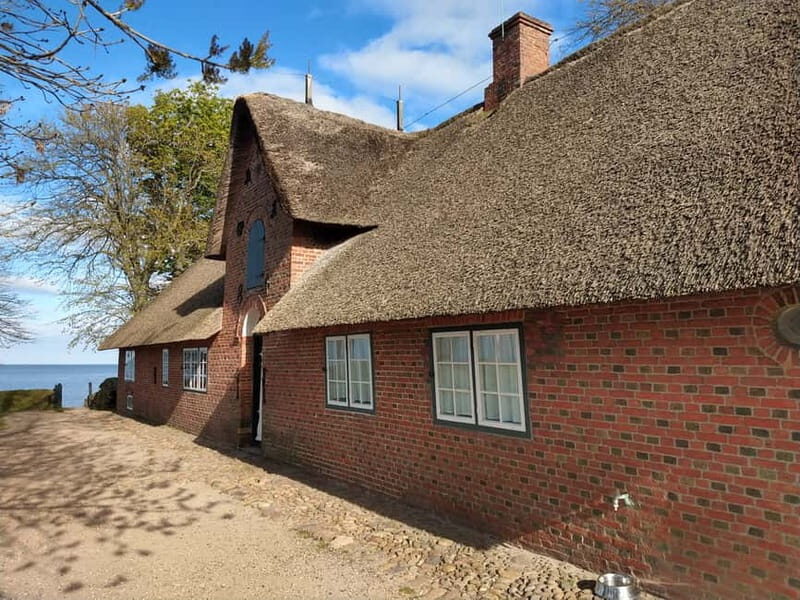
From the center of Keitum, the route takes you along the village’s classic North Sea island feel: thatched roofs, curving streets, and a web of narrow alleyways that make you slow down without trying. This is the part I like most when I’m in a place like Sylt: the streets aren’t just pretty; they’re functional. They shape how you walk, where you look, and what you notice first.
You’ll also get your eyes on two specific types of craftwork: you pass by glassblower and goldsmith workshops as you go. Even if you don’t stop inside a shop, seeing that craft infrastructure in the middle of a residential village changes your understanding. Keitum isn’t only “a scenic place to photograph.” It’s an artisan community, and the tour leans into that modern identity.
Here’s what’s valuable for you as a visitor: you’re not just collecting sights. You’re learning why the village looks the way it does today. That includes how working crafts fit into a historical setting—how something can be old in buildings and still active in culture.
One practical tip: bring comfortable shoes you trust. Keitum’s streets are charming, but they also encourage a foot-friendly pace through small bends and tight passages. This is not a “stroll on smooth sidewalks only” type of walk.
Keitum’s “green heart,” walled gardens, and homes that reach back
As the tour moves deeper into the village, you’ll hear Keitum described as the island’s green heart. The idea here isn’t marketing fluff. It’s about a change in feel: more greenery, more garden walls, and a softer pace compared to the street-front view you get near the center.
You’ll see traditional Frisian walls and scenic gardens, which are part of what makes the village feel enclosed and private. In places like this, the gardens aren’t separate from village life—they’re part of the everyday scenery you walk past.
A striking detail included on this tour: some homes are noted as old as 1640. That gives you a real reference point. When you notice the scale of a doorway, the style of a roofline, or the age of a wall, you can connect the look to a timeline instead of treating it as “cute old stuff.”
The tour also brings in stories tied to Keitum’s economy and culture—specifically mentions of Sylt’s whaling economy and a cultural scene from the 18th century. This is where the guide’s approach becomes the tour’s “engine.” Dates can weigh down a history walk, but the descriptions here point to a more human way of framing it, with context rather than a lecture.
That’s a big deal for many visitors. You’ll enjoy the village more if history feels like a set of clues. If you’re the type who just wants a clear chain of years, you may find this is more about themes—craft, livelihoods, and local life—than strict timelines.
Sea air and the Wadden Sea side: views you can feel

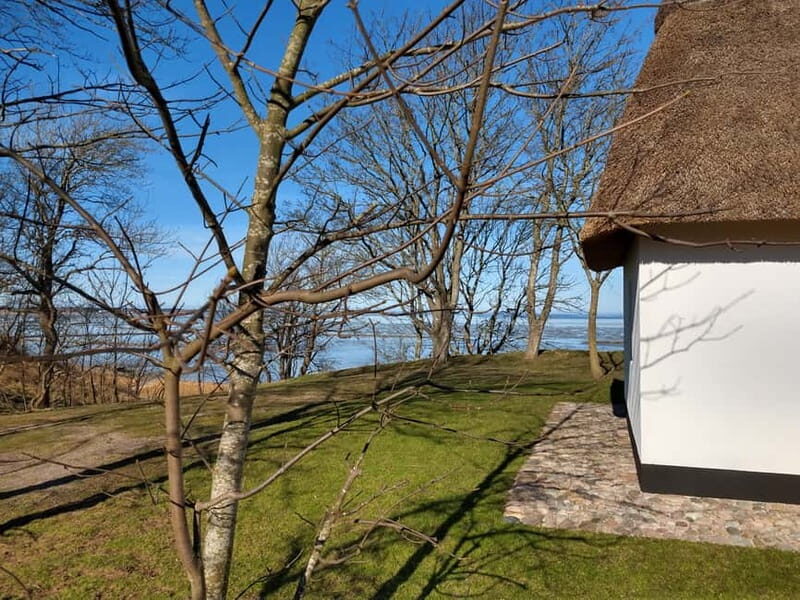
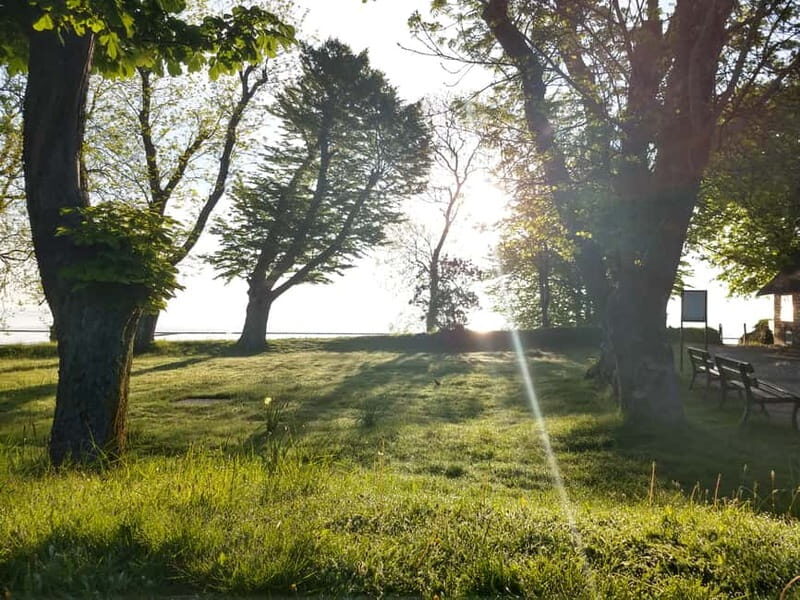
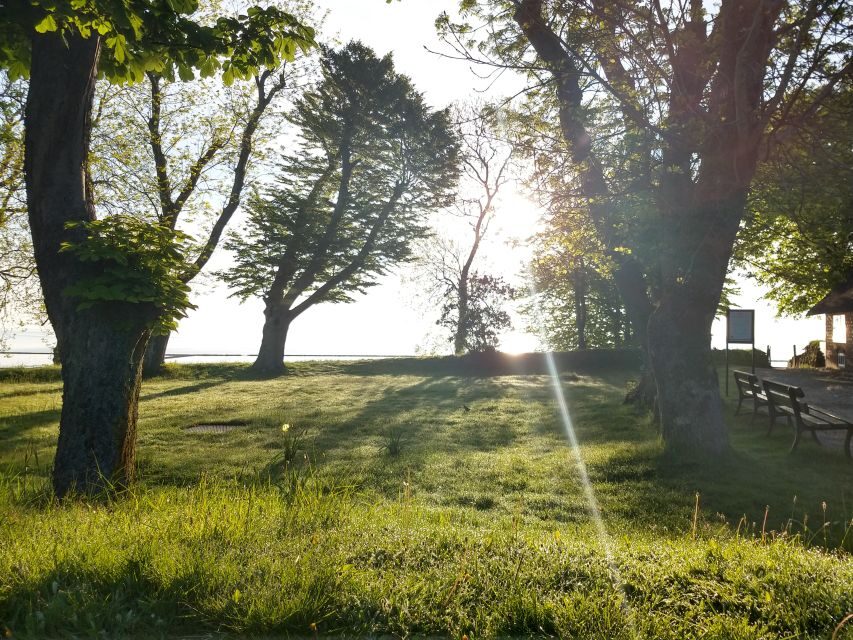
Next comes one of the simplest joys of Northern Germany: the shoreline. You’ll stroll toward the edge of Keitum and look out toward the open sea, with wide views and a fresh breeze that keeps you alert even when you’re walking slowly.
This stop matters because it changes your body’s sense of place. In the streets, you’re surrounded by walls and buildings. At the water, the village opens up. You feel space again—horizon line, wind, and that salty air.
The tour also includes time on the tidal side of the village with the Wadden Sea as a backdrop. Even if you’re not a tidal-ecology expert, the key value is perspective: you’re learning Keitum from both directions—land life and water life. That connection helps explain why the village developed where it did and how the sea shaped daily routines over time.
If the weather turns, you’ll still have something to work with. Rain or shine, you’ll be outside and moving. So pack a plan for wind and wet: a light rain layer and shoes that handle damp ground.
Harhoog and Tipkenhoog: Stone Age mounds with named stops
The tour’s last major chapter takes you to two ancient burial mounds: Harhoog and Tipkenhoog. Having specific names is more than trivia. It gives you anchors as you look across the tidal-side setting and connect the landscape to deep time.
This is where the long history angle becomes real. Instead of hearing that the island has ancient roots in a general way, you’re standing at specific Stone Age landmarks. Your guide explains Keitum’s Stone Age roots before concluding the walk.
Two thoughts on how to experience this stop well:
- Slow your pace. You’ll get more out of the mound descriptions if you actually pause instead of treating it like a quick photo stop.
- Keep your questions simple. Ask what makes these places special and how they fit into the story of the island—your guide’s style is set up for conversation.
This is also where small-group dynamics pay off. If you have a moment of curiosity, there’s likely time to get an answer without waiting for the whole group to move on.
What you pay for: $22 for a guided story walk
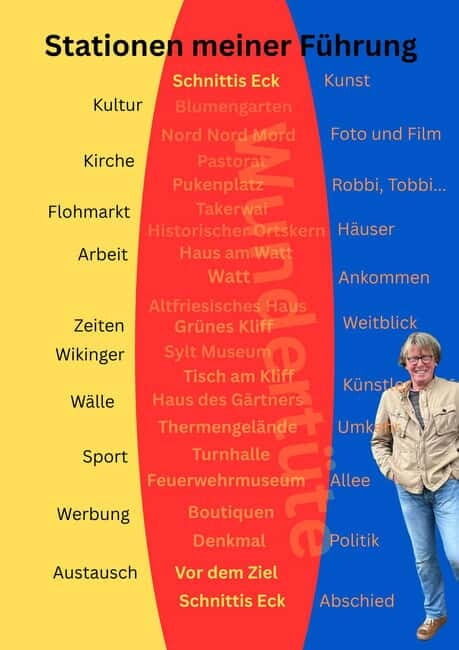
At $22 per person for a 2.5-hour guided walking tour, the value is mostly in one place: the guide. You’re paying for Jörg Ridder’s ability to connect village details into a coherent story—plus the fact that you’re walking as a small group with a set path.
It’s not a “transport everything for you” tour. There’s no hotel pickup or drop-off, and food and drinks aren’t included. For me, that’s fine. A walk like this works best when you can decide what you want to eat and when. Just plan ahead so you’re not hungry at the end.
If you’re trying to choose between a quick self-guided wander and a guided walk, this is the kind where guidance clearly adds value. Keitum is beautiful, but beauty alone doesn’t tell you why whaling-era stories matter, or how artisan workshops fit into modern life. The guide helps you read the village rather than only see it.
Who this tour fits best (and who should think twice)
This tour fits you if:
- You like history told through real places, not just timelines.
- You enjoy walking at a relaxed pace through narrow streets and gardens.
- You want sea views and Stone Age stops in one outing.
- You appreciate artisan culture and enjoy noticing crafts as part of the village fabric.
- You like small-group interaction, especially when a guide brings in personal local connections.
It might fit you less if:
- You’re looking for a very structured chronology from start to finish.
- You want heavy, specific detail about particular architectural categories right at the beginning.
- You prefer an ultra-formal “museum-style” narration with no detours.
One review note that matters here: a couple of comments suggest the beginning can feel like it’s not strictly a standard local history tour, and one person wanted more information about certain building types. That doesn’t mean the tour is wrong—it just means your expectations should match the guide’s style. If you want a highly technical focus, come with questions, and you’ll likely get more out of it.
Practical tips for a smooth 2.5 hours in Keitum
- Wear comfortable shoes you can trust on small, curving alleyways and potentially damp ground.
- Bring rain gear. The tour runs rain or shine.
- Dress for wind off the sea. Even when the sun shows up, the breeze is part of the experience.
- Plan for no included drinks. If you tend to get thirsty, bring water in a small bottle.
- If you care about certain topics (like specific historical building types), decide what you want to ask before the tour starts so you use the small-group time well.
The best part is that the tour doesn’t require you to “perform” as a visitor. You just show up, walk, and pay attention. The village does the rest.
Should you book the Keitum Guided Village Walking Tour?
I’d book it if you want the kind of experience that feels like a guided conversation in a beautiful place: streets, gardens, artisan stops, sea views, and two named Stone Age mounds. The small group and guide-driven storytelling are the heart of the value here, and Jörg Ridder’s approach—especially the personal, human side—seems to be what people remember.
Skip it or at least adjust your expectations if you want a strict, detail-dense architectural lecture from the first minute. This tour is designed for living stories and local connections more than for exhaustive building-by-building documentation.
FAQ
FAQ
Where is the meeting point for the tour?
Meet at the bus station called Keitum Mitte.
How long is the Keitum guided village walking tour?
The tour lasts about 2.5 hours.
Is the tour canceled if it rains?
No. The tour takes place rain or shine.
What language is the guide speaking?
The live tour guide speaks German.
Is food or drinks included?
No. Food and drinks are not included.
What should I bring?
Bring comfortable shoes and weather-appropriate clothing, plus rain gear since the tour runs in all conditions.