REVIEW · OSNABRUCK
Osnabrück: Altstadt-Highlights (Stadtführung)
Book on GetYourGuide →Operated by Walk With Me GmbH · Bookable on GetYourGuide
Osnabrück can be small, but its story is not. This 1-hour Altstadt highlights tour helps you cover the old town from one edge to the other while you learn how the city got shaped by power, trade, and big events.
I especially like two things: the fast pace that still feels explained, and the way the tour connects landmarks (town hall, scales, cathedral) to what those places meant for everyday people. You also get direct access to Osnabrück Cathedral and the cloister when opening times allow it, which is a nice upgrade for such a short outing.
The only catch to plan around is timing. The cathedral/cloister portion depends on opening hours, and the tour runs outdoors in all weather, so bring clothing that matches the forecast.
In This Review
- Key highlights worth your attention
- A One-Hour Altstadt Sprint From Bierstraße 28
- Town Hall Stories and the Peace of Westphalia
- Medieval City Scales Between Town Hall and St. Mary’s
- Cathedral and Cloister Access When Opening Times Allow
- Osnabrück Beyond the Postcards: Hanseatic Trade to VFL
- Hexengang: Walking a Place Name With Meaning
- How Much $15 Buys You in a Real Hour
- Pacing, Meeting, and the Reality of an Old-Town Walk
- Is This Tour Right for You?
- Should You Book This Osnabrück Altstadt-Highlights Tour?
- FAQ
- What is the duration of the Osnabrück Altstadt-Highlights city tour?
- Where is the meeting point for the tour?
- How much does the tour cost?
- Is a live guide included?
- What language is the tour guide speaking?
- Does the tour include Osnabrück Cathedral and the cloister?
- What sights does this one-hour tour focus on?
- What is included in the tour price?
- What is not included?
- Will the tour run in bad weather?
- Is the tour wheelchair accessible?
Key highlights worth your attention

- One hour, many priorities: you get the core sights without turning your day into a sprint-and-sigh mess
- Town hall + Peace of Westphalia: a major historical anchor point in the middle of the old town
- Medieval city scales: a tangible clue to how merchants sold goods and how markets worked
- Cathedral and cloister access (when open): not just photos from the street
- Stories from Hanseatic trade to the VFL: the tour links past and local identity
A One-Hour Altstadt Sprint From Bierstraße 28
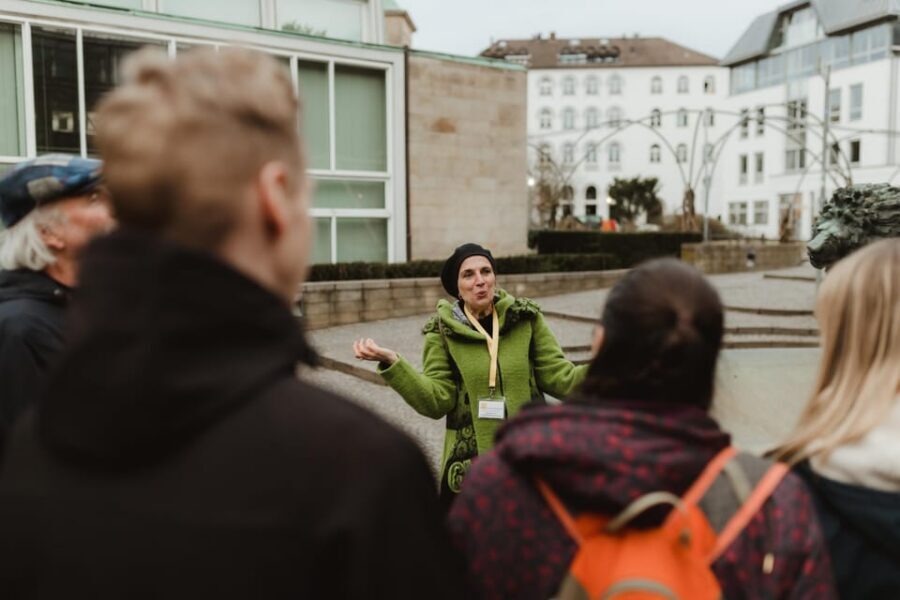
You meet at Bierstraße 28 (behind the Rathaus, opposite the Tourist Info). That location is handy because you’re starting right in the old-town core, so you waste less time crossing modern streets and more time looking at the places that matter. The route is designed to take you across the historic center in about an hour, which is perfect if you’re fitting Osnabrück into a larger trip.
One practical point I always value on short city tours: the guide’s job is to get you oriented fast. Here, you’re moving through the historic city centre while the guide explains what you’re seeing and why it mattered, rather than just listing stops.
Also, this tour is not weather-sentimental. It runs in all wind and weather conditions, so wear layers and bring rain protection if the forecast looks questionable. If your plan is to spend the rest of the day wandering, do yourself a favor and start with comfortable shoes, because old towns are made for walking, not for dramatic fashion choices.
Who this fits best: people with limited time, first-timers who want the big-picture structure, and history-curious visitors who’d rather understand a few key places than skim everything superficially.
You can also read our reviews of more tours and experiences in Osnabruck.

Town Hall Stories and the Peace of Westphalia
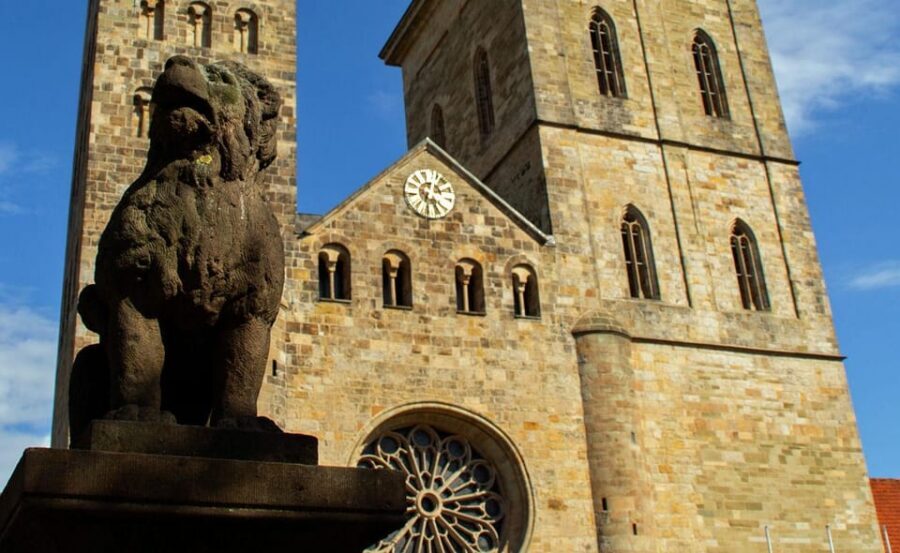
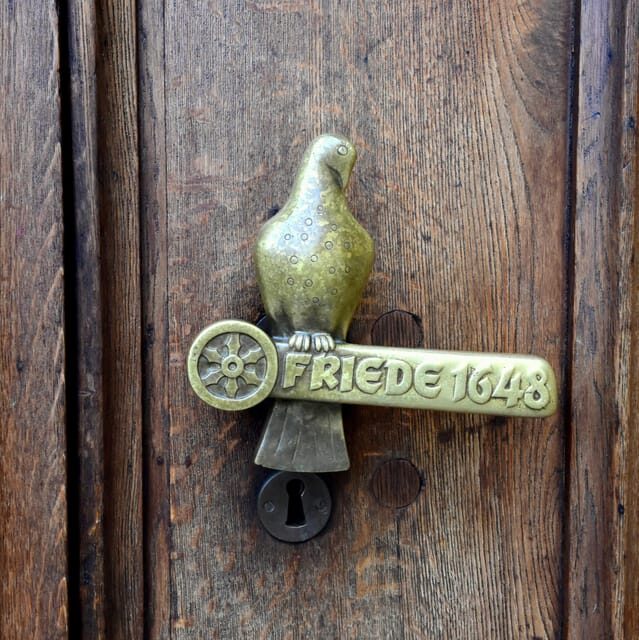
A town hall stop sounds obvious until you realize what it often represents: civic power, major decisions, and local pride. On this tour, the town hall is a key moment because you’ll learn about the Peace of Westphalia. That’s not just a date on a timeline. It’s the kind of event that helps explain why certain places and institutions in the region feel the way they do.
What I like about tackling the town hall early is that it sets the tone. As you walk through the old town afterward, you start seeing connections instead of treating each building like a random postcard. The guide helps you connect the city’s layout and its monuments to political and cultural turning points.
A balanced way to think about this stop: if you’re the kind of traveler who likes history but gets bored when it becomes abstract, this tour keeps it grounded in a specific place. You’re standing where the story ties back to local identity.
Medieval City Scales Between Town Hall and St. Mary’s
My favorite kind of landmark is the one that tells you how people actually lived. The tour makes room for the medieval city scales, located between the town hall and St. Mary’s Church. These scales were a practical tool. They were the first port of call for merchants and traders who wanted to sell goods at the market in Osnabrück.
Here’s the human question the guide raises that I really appreciate: why did the weighing happen there? You might assume merchants could just weigh their own goods. But the existence of shared scales points to trust, regulation, and market fairness. That’s the sort of detail that turns a stone structure into a real-life clue.
If you like “small history” (the everyday mechanics behind commerce), you’ll enjoy this stop. And if you’re traveling with kids, this is the kind of story that makes them ask why a town would build something like this. Even better, it’s physically close to other major points, so it doesn’t cost you extra walking time.
The practical note: because it’s a short tour, the guide will move briskly. If you’re a slow photo-taker, you might need to balance framing with listening. But that’s also why the one-hour format works: it forces focus on the best parts.
Cathedral and Cloister Access When Opening Times Allow
Osnabrück Cathedral is one of those places that can feel bigger than the surrounding streets suggest. This tour includes access to Osnabrück Cathedral and the cloister, but only at certain times when the cathedral is open. That detail matters, because it’s the difference between an exterior “look and go” stop and actually getting inside to experience the space.
So how should you plan for this? Think of the cathedral portion as a bonus that you’ll want to catch if it’s available. If your schedule is tight and the cathedral hours don’t line up, you’ll still get a structured old-town route. If it does line up, you’re in for a much more memorable hour.
What I love about including a cloister on an old-town tour is that it changes the atmosphere. Streets can be busy in your head, and then suddenly you’re in a more contained, quiet setting where architecture does some of the storytelling for the guide. Even if you’re not a hardcore church-architecture person, the cloister gives you a sense of how spaces were used for reflection and movement.
One thing to keep in mind: since the tour is only an hour, the cathedral stop won’t become a long, slow museum visit. You’re getting guided access and highlights, not unlimited time to wander.
Osnabrück Beyond the Postcards: Hanseatic Trade to VFL
This is not just a tour of pretty buildings. You’ll get a sweep through Osnabrück’s past—from the Hanseatic League to VFL—as the guide ties local identity to wider historical forces. That’s a big deal for value, because “local history” often stays vague. Here, the tour keeps naming the forces that shaped the city.
The Hanseatic League piece is especially useful because it explains why markets, trade infrastructure, and civic regulation mattered. When you understand that, the medieval trading details (like the city scales) start making sense. You’re not just hearing that merchants came; you understand what kind of system they were operating within.
Then the leap to VFL brings the story closer to the present. Even if you don’t follow the club, it’s a reminder that cities don’t freeze in medieval time. Local institutions evolve, and a city’s identity often keeps recurring in new forms.
If you’re someone who likes context that makes modern life feel connected to old streets, this is one of the tour’s best strengths. It doesn’t pretend the past is the only storyline. It shows how the city’s story keeps changing.


Hexengang: Walking a Place Name With Meaning
The tour also mentions the Hexengang. Even if you’ve never heard the term before, a guided walk through a place like this can turn a spooky name into something understandable. You’re not just passing by; you’re learning what the route represents and how it fits into Osnabrück’s story.
Why this matters: place names often carry local memory. They can point to older traditions, old urban patterns, or stories that were important enough to survive. On a short tour, getting that kind of explanation is like getting the key to the map.
What I’d suggest for you here is simple: listen first, then look. If you try to photograph everything immediately, you’ll miss the meaning the guide is giving the route. The Hexengang stop works best when you treat it as part of the narrative, not just another quick photo.
If you’re traveling as a group with different interests, this kind of stop is a strong bridge. People who love history appreciate the context, and people who like the odd or unusual side of travel get their moment too.
How Much $15 Buys You in a Real Hour
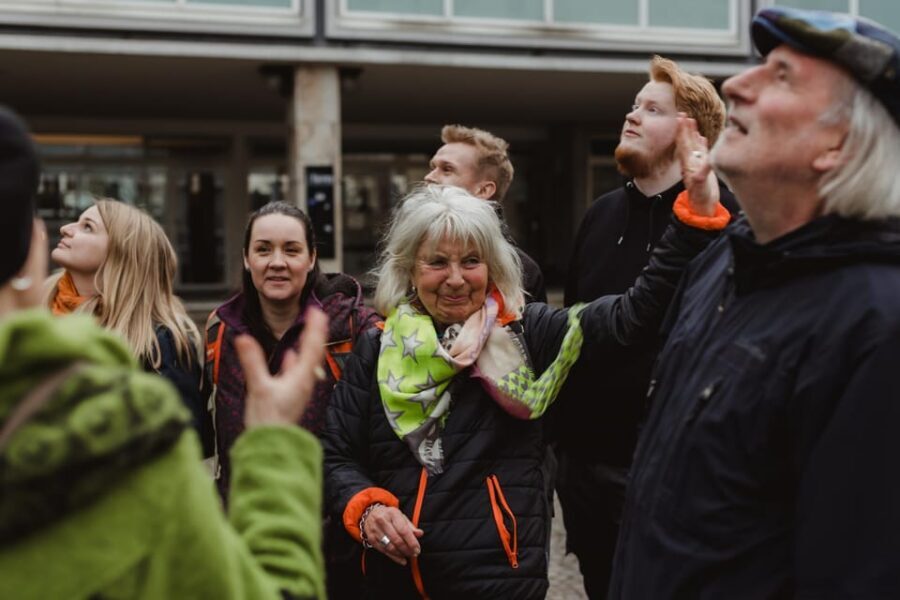
At about $15 per person for a 1-hour guided city highlights tour, the value is all in what you get packed into the time. You’re not only walking the old-town core. You’re also getting insider knowledge, a guided route through the historic city center, and access to Osnabrück Cathedral and the cloister when opening times allow.
That mix is important. Many short tours give you a list of sights. This one helps you understand the connections between them: civic power at the town hall, market mechanics through the medieval scales, and a deeper look at major religious architecture if the cathedral is open.
In other words, you’re paying to reduce guesswork. With a tight schedule, the real expense is often time. This tour gives you a structure for the day: you’ll know where you want to return on your own after the hour ends.
One more practical angle: the guide language is German, so if you want to follow along fully, consider whether your German is comfortable enough. If you’re not, you might still enjoy the pacing and visible landmarks, but the storytelling will be the main “product” here.
Pacing, Meeting, and the Reality of an Old-Town Walk
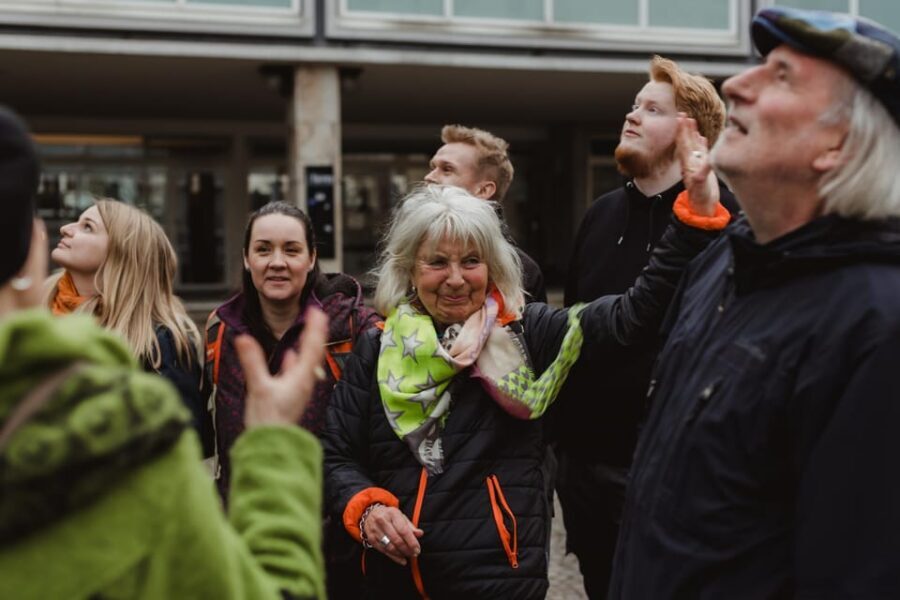
The itinerary is designed to move from one edge of the old town to the other. That means you’re not dealing with constant long detours, but you still need to be ready to walk through historic streets for the full hour.
Since the tour is wheelchair accessible, it’s set up to be considerate of mobility needs. That doesn’t mean every cobblestone is soft and friendly, but it does mean the experience is planned with access in mind.
One detail I always treat as a must: the tour runs in all weather, so don’t dress as if the city is a photo backdrop. If it rains, plan to get a little damp. Bring something that helps you stay comfortable so you can actually listen.
And about the guide: it’s a live tour guide. The reviews you provided (without overthinking it) point to guides who keep the group moving and communicate clearly. That matters on a one-hour tour, because you don’t get time to recover if you miss a piece of the story.
Finally, gratuity is not included. If you like the guide’s style, plan to budget a tip accordingly. It’s one of those small practical realities of guided travel.
Is This Tour Right for You?
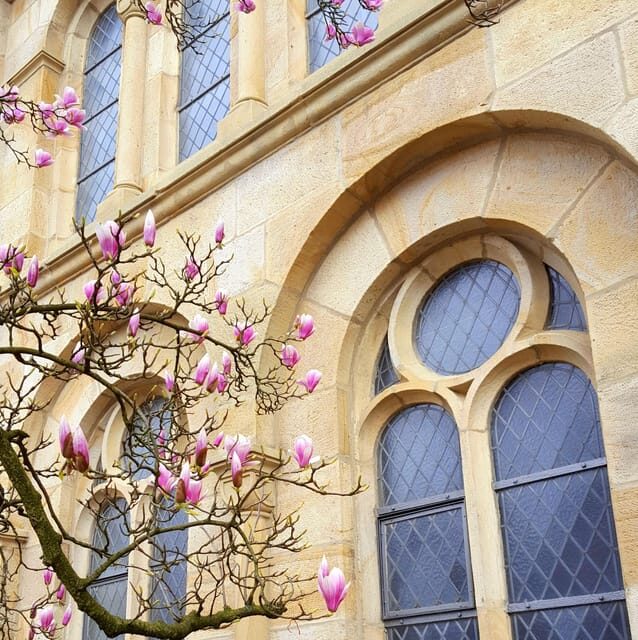
Book this tour if you want a smart way to see Osnabrück without turning the day into a marathon. It’s ideal when you’re short on time but still want the key landmarks explained: town hall and Peace of Westphalia, the medieval city scales, and the cathedral/cloister access if open.
I’d also lean toward it if you enjoy tours that connect history to specific places instead of talking in generalities. The route is short, but the topics cover civic history, trade logic, and local identity markers like VFL. That’s a lot of ground for an hour.
Skip it if you already know Osnabrück well and prefer longer self-paced exploration with lots of time at each stop. This tour is built for highlights, not for deep museum-style linger time.
If you do book, you’ll get the most out of it by arriving ready to listen for patterns. The guide is essentially teaching you how the pieces fit together. After the hour, you’ll be able to choose what to revisit with intention.
Should You Book This Osnabrück Altstadt-Highlights Tour?
Yes, I think you should book it if you’re trying to make the most of a limited window in Osnabrück. For $15 and one guided hour, you get a structured walk through the old town plus the chance to go inside the cathedral and cloister when timing works. That combination is hard to beat for a first pass at the city.
FAQ
What is the duration of the Osnabrück Altstadt-Highlights city tour?
The tour lasts 1 hour.
Where is the meeting point for the tour?
The meeting point is Bierstraße 28, 49074 Osnabrück, behind the Rathaus and opposite the Tourist Info.
How much does the tour cost?
The price is listed as $15 per person.
Is a live guide included?
Yes, the tour includes a live tour guide.
What language is the tour guide speaking?
The tour guide speaks German.
Does the tour include Osnabrück Cathedral and the cloister?
Yes, it includes access to Osnabrück Cathedral and the cloister, but it depends on cathedral opening times.
What sights does this one-hour tour focus on?
It focuses on old-town highlights such as the town hall (with Peace of Westphalia information), the medieval city scales, and Osnabrück Cathedral and the cloister (when open).
What is included in the tour price?
Included are the guided tour through the historic city center, access to Osnabrück Cathedral and the cloister, and guided information during the walk.
What is not included?
Gratuity is not included.
Will the tour run in bad weather?
Yes. The tours take place in all wind and weather conditions, so wear weather-appropriate clothing.
Is the tour wheelchair accessible?
The tour is listed as wheelchair accessible.