REVIEW · NEUSTADT AN DER WEINSTRASSE
Neustadt: Wine tasting with cellar tour and vineyard visit
Book on GetYourGuide →Operated by Weingut Peter Stolleis · Bookable on GetYourGuide
A wooden barrel cellar and fresh Riesling—straight from the source.
At Weingut Peter Stolleis in the Neustadt area, this 90-minute experience mixes practical wine growing with a guided tasting you can actually follow. I especially like the organic, hands-on approach to viticulture and the chance to see how it turns into the glass.
The second big win for me is the lineup: you taste one sparkling wine and six more wines, with Riesling and Burgundy grape varieties at the center of the story. The pacing feels friendly—lots of information, but not so much that you forget how to smell.
One consideration: this tour isn’t designed for everyone. It’s not suitable for children under 16, pregnant women, or wheelchair users, and the garden setting depends on weather.
In This Review
- Key highlights you’ll care about
- A twelfth-generation Palatinate winery, built for wine lovers
- Where the vineyards sit: Neustadt to Deidesheim, on the good sites
- Organic viticulture: what “certified” looks like in real life
- The tasting lineup: sparkling plus six wines (and what to notice)
- The historic wooden barrel cellar: where time does the work
- House vineyard visit: seeing the grapes after the wine
- Garden tasting when weather cooperates
- Your 90 minutes: how to enjoy it without rushing
- Price and value: what $34 buys you here
- Who should book this wine tasting (and who should skip it)
- Tips to get more from the tasting—without overthinking it
- Should you book Weingut Peter Stolleis in Neustadt?
- FAQ
- How long is the wine tasting and cellar tour?
- What’s included in the price?
- Which wines or grape types will I taste?
- Where does the vineyard tour take place?
- Is the tasting outdoors?
- What languages are available for the guide?
- Is the winery’s viticulture organic?
- Who is the tour not suitable for?
- Is there free cancellation?
- Can I reserve and pay later?
Key highlights you’ll care about
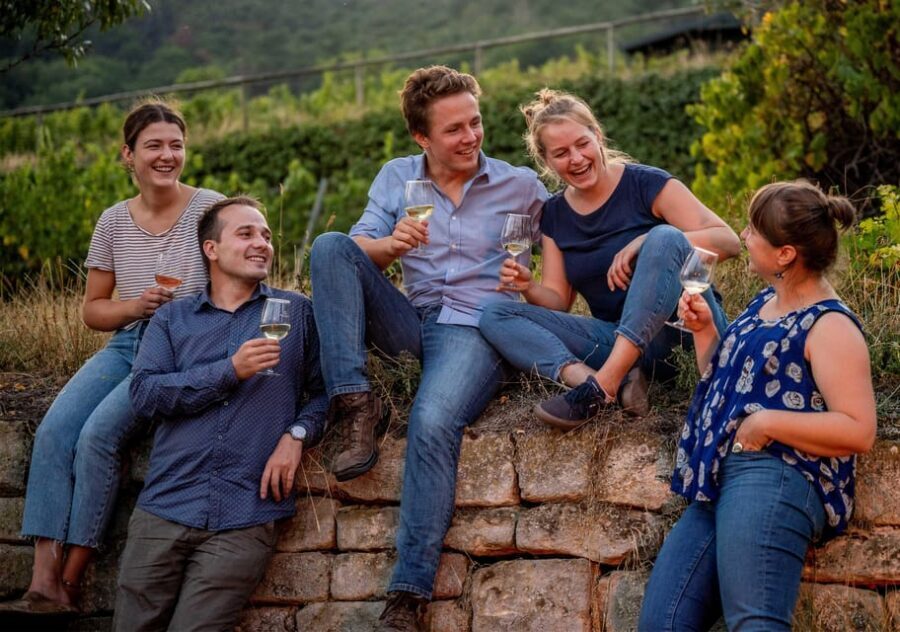
- Organic, certified viticulture with lots of manual work throughout the year
- Sparkling wine plus six tastings (a full arc, not just a quick sample)
- Riesling and Burgundy varieties that reflect the Palatinate’s strengths
- Historic wooden barrel cellar tour with vaulted cellar maturation
- House vineyard visit that explains what you’re tasting while you’re tasting it
- Garden tasting when weather permits, with a relaxed end-of-tour feel
A twelfth-generation Palatinate winery, built for wine lovers
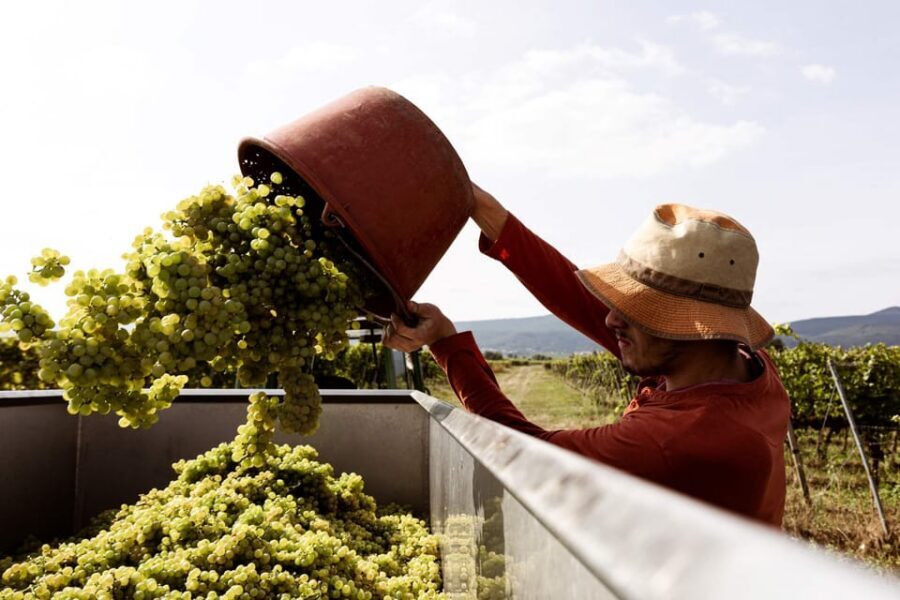
This wine tasting in the Neustadt region is the kind of experience you can enjoy even if you are not a wine expert. You don’t need to memorize tasting notes. You just need curiosity and a willingness to ask questions.
What makes it stand out is the connection between the everyday work in the vineyard and the results inside a historic cellar. Weingut Peter Stolleis is a classic Palatinate family business, run by the twelfth generation of winegrowers, and that shows in the structure of the tour. It’s practical and craft-focused rather than showy.
You start with a tasting designed to introduce the winery’s wines and philosophy, then you follow it up with a guided cellar tour and a walk through the house vineyard. It’s not just sampling. It’s “see what you’re tasting and why it tastes that way.”
You can also read our reviews of more food & drink experiences in Neustadt An Der Weinstrasse
Where the vineyards sit: Neustadt to Deidesheim, on the good sites
A key detail here is the location of the vineyards: they are between Neustadt and Deidesheim in the Palatinate, on sites the winery describes as among the best. That matters because in German wine regions, site and slope influence how grapes ripen, how acidity holds up, and how flavors develop.
During the vineyard portion, you’re not just walking in general countryside. You’re getting an explanation of the winery’s specific approach and how their vineyards fit into the bigger Palatinate picture. Even if you don’t know the first thing about terroir, this gives you a framework for interpreting what you taste later.
And if you’re using Neustadt as a base to explore the region, this kind of tour helps you understand why people talk about the Palatinate as more than a stop on a route. It’s a working wine landscape with active craft.
Organic viticulture: what “certified” looks like in real life
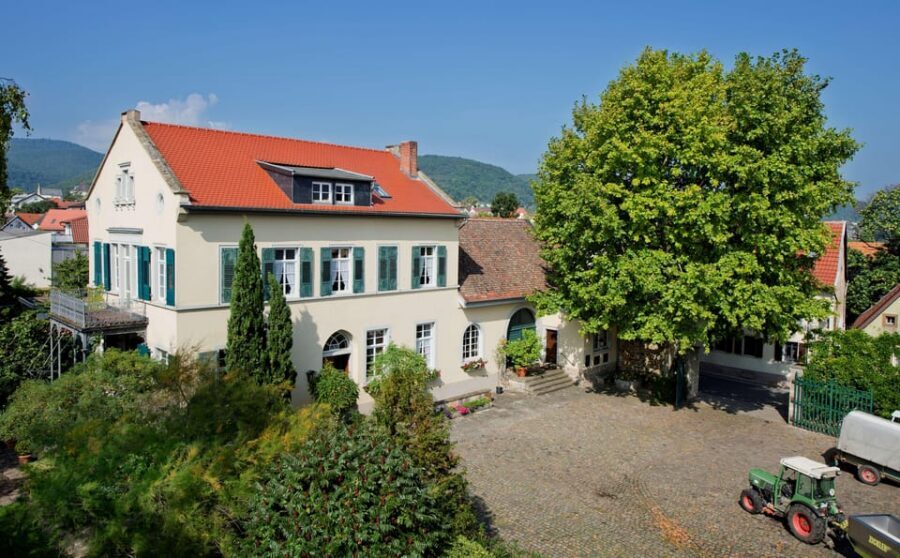
The winery emphasizes organically certified viticulture and a lot of manual work throughout the year. That’s not a slogan; it’s a labor pattern. In practical terms, organic viticulture often requires more hands-on effort to manage vineyard health without relying on certain inputs.
The tour’s explanation of the year-round work adds a layer to the tasting. When you learn that their harvest relies on 30 helpers pulled from family, friends, and the surrounding area, you start to understand why good wine isn’t just “grown.” It’s coordinated labor, timed decisions, and a push that peaks in fall.
After the harvest, the tour also points you toward what happens in storage: the wines undergo long maturation in a vaulted cellar. That helps you connect flavor development to cellaring time, not just grape variety.
The tasting lineup: sparkling plus six wines (and what to notice)
You’ll taste one sparkling wine and six more wines during the tasting portion. The focus is explicitly on Riesling and Burgundy grape varieties, which is a great combination if you like contrast—crisp aromatic whites paired with Pinot-family profiles.
Here’s what I’d recommend paying attention to as you move through the glasses:
- Acidity and balance in the Rieslings. Listen for how the guide frames freshness and structure.
- Texture and fruit character in the Burgundy varieties. Notice whether the wines feel light and lifted or more rounded.
- How the sparkling sets the stage. Sparkling wine often acts like a palate reset, and it can make the subsequent still wines easier to evaluate.
- How the guide explains style. The tasting is meant to introduce the winery’s philosophy, so you’ll likely hear what they aim for—not just what they bottled.
Because the tour is 90 minutes total, you’re tasting enough to learn something real, but you’re not trapped in endless sips. It’s a nicely proportioned experience for a day trip without turning your schedule into a full wine weekend.
The historic wooden barrel cellar: where time does the work
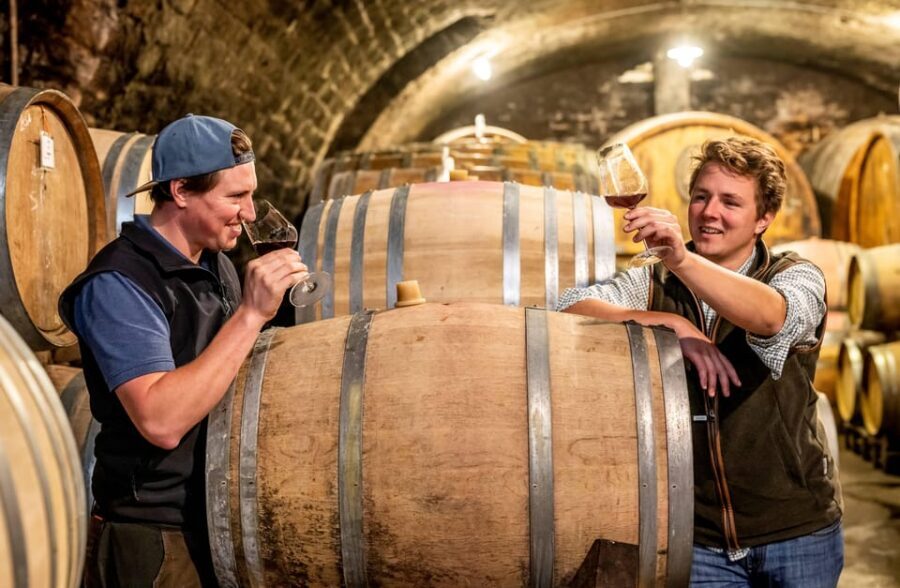
After the tasting, you get a guided tour of the historic wine cellar, described as a historic wooden barrel cellar. This is the part that makes the experience feel like a living craft rather than a tasting room script.
Wooden barrels matter because they can influence the way wine evolves—how flavors integrate, how the wine breathes, and how aging impacts texture. Even if you’re not trying to figure out exact oak chemistry, seeing the cellar helps you understand the long maturation the winery mentions.
The cellar tour also gives you something practical: vocabulary for what you’re seeing. You’ll likely connect what the guide explained about maturation with what you see on the ground—vaulted cellar spaces, traditional storage methods, and the quiet logic of how wine gets from grape to bottle.
House vineyard visit: seeing the grapes after the wine
Next comes a tour of the winery’s house vineyard. This is a smart move because it creates a feedback loop. Instead of only hearing about grapes and then drinking finished wine, you do both directions: wine first, then the vineyard that made it possible.
This is also where you’ll get a sense of why Riesling and Burgundy varieties fit this operation. You’re not just learning which grapes are planted. You’re learning how the winery thinks about growing them organically and what that means for day-to-day work.
If you’re the type who likes to remember details, this vineyard stop is ideal for “aha” moments. You may not suddenly become a viticulture student, but you’ll start to connect vineyard practices to the character you noticed in the tasting glasses.
Garden tasting when weather cooperates
Weather permitting, the wine tasting takes place in the idyllic garden. That’s more than aesthetics. Outdoors often makes the whole experience feel lighter and less formal, and it gives you a comfortable pace—especially after walking a bit.
The group usually still stays focused because the activity is guided and time-boxed. But the garden setting can turn a planned tasting into something that feels like a relaxed afternoon you’d actually want to repeat.
Practical thought: if you’re coming on a cooler or rainy day, expect that the “garden” part may not happen exactly as described. The core value—tasting plus cellar plus vineyard visit—still remains the backbone.
Your 90 minutes: how to enjoy it without rushing
This experience runs for 90 minutes, which is a sweet spot. You get enough time to taste widely, learn what the winery wants you to understand, and still finish without feeling like you’ve carved out half a day.
To make the most of it, I’d treat the tasting like a guided lesson with rewards:
- Taste with questions in mind. Ask what styles they aim for when you see Riesling vs Burgundy.
- Use the cellar tour to anchor your memory. When something is explained, look at the environment that supports it.
- Save your best questions for the vineyard. That’s where the guide can connect farming choices to grape traits.
Also, because the guide speaks German and English, it’s worth checking your group language needs. The quality of a tasting often hinges on how well the guide can match your questions with clear explanations.
Price and value: what $34 buys you here
At $34 per person, the math is pretty decent for what’s included. You get:
- A tasting of 1 sparkling wine + 6 wines
- A guided tour of the historic wooden barrel cellar
- A tour of the house vineyard
That combination is the value. Many tastings in wine regions are either “taste only” or “tour only.” Here, you get the full chain—from how the winery farms, to how it ages, to how it expresses itself in the bottle.
You’re also paying for context. Learning how an organically certified family operation works, including the scale of harvest help and the idea of long cellar maturation, helps you taste with intention instead of just drinking.
Who should book this wine tasting (and who should skip it)
This tour fits best if you want authentic, family-run winery time with real explanations. It’s ideal for couples, solo travelers who like structured activities, and small groups who enjoy learning while staying relaxed.
It may not be your best choice if you need step-free access or are traveling with children. The activity is not suitable for children under 16, pregnant women, or wheelchair users. If any of those apply, you’ll want to look for a different format.
Tips to get more from the tasting—without overthinking it
You don’t need to be a wine snob. You just need a strategy. Here’s what works well in tastings like this:
- Ask one question early so you know what to listen for.
- Compare across varieties, not across brands. The guide’s focus on Riesling and Burgundy varieties makes comparison meaningful.
- Write one or two notes in your head, not ten. Your brain will thank you later.
- Taste in the order you’re given. Guides usually structure tastings to make sense of acidity, sweetness, and maturation effects.
If you’re nervous about tasting skills, relax. The tour is built to teach. The guide’s job is to help you connect what you see and taste, and the tour’s pacing makes it easier to keep up.
Should you book Weingut Peter Stolleis in Neustadt?
I’d book this if you want a compact, high-signal winery visit: organic viticulture, a historic cellar tour, and a vineyard walk—paired with a meaningful tasting of seven wines. At $34 for the full package, it’s strong value when you care about more than just a quick pour.
Skip it if you fall into the tour’s “not suitable” categories, or if you’re looking for something more entertainment-heavy than craft-focused. This is a work-and-wine experience, and that’s the point.
If your goal is to understand how the Palatinate turns grapes into character—especially through Riesling and Burgundy varieties—this one is an easy yes.
FAQ
How long is the wine tasting and cellar tour?
It lasts 90 minutes.
What’s included in the price?
You get a guided tour of the historic wine cellar, a tour of the house vineyard, and a wine tasting of 1 sparkling wine and 6 wines.
Which wines or grape types will I taste?
The tasting includes sparkling wine plus six wines, with a focus on Riesling and Burgundy grape varieties.
Where does the vineyard tour take place?
The tour includes a visit to the winery’s house vineyard, with vineyards located between Neustadt and Deidesheim in the Palatinate.
Is the tasting outdoors?
The tasting takes place in the garden if weather permits.
What languages are available for the guide?
The live guide offers German and English.
Is the winery’s viticulture organic?
The vineyards are organically certified, and the winery describes a lot of manual work throughout the year.
Who is the tour not suitable for?
It’s not suitable for children under 16, pregnant women, or wheelchair users.
Is there free cancellation?
Yes. You can cancel up to 24 hours in advance for a full refund.
Can I reserve and pay later?
Yes. You can reserve now and pay later, with the option to book your spot and pay nothing today.