REVIEW · COCHEM
Cochem: Private Guided Walking Tour
Book on GetYourGuide →Operated by Travmonde OÜ · Bookable on GetYourGuide
Cochem packs centuries into 90 minutes. I like how this private walking tour links St. Martin’s Church with the hilltop drama of Reichsburg, so the town feels like a single living story. The main trade-off is simple: it’s a walking tour, not wheelchair-friendly, and you’ll want comfortable shoes.
Inhabited since Celtic times and shaped by Romans, French rule, and Prussian shifts, Cochem can feel like a history mash-up. Here, it’s organized into clear stops, with a guide who keeps the pace steady and easy to follow. You’ll also hear how the Metternich era and the long shadow of World War II fit into everyday Cochem life.
If you want to steer the conversation, you can. The guide stays with your group only, and you can customize a few details on the spot. Just know entrance fees aren’t included, so if you plan to go inside any sites, you’ll want to budget a bit.
In This Review
- Key highlights you’ll feel fast
- Starting at Endertplatz: how the 90 minutes actually works
- St. Martin’s Church and the timeline from Celts to the Black Plague
- Market Square charm with a medieval purpose behind it
- Capuchin Monastery and the Metternich influence you can feel in the town
- Reichsburg on the hill: rebuilding after Louis XIV and power in motion
- WWII and the Natzweiler subcamps: a heavier stop done responsibly
- Guides, pacing, and why the tour feels “short and focused”
- Price and value: why $272 for up to 15 can be fair
- Who this walking tour is best for (and who should rethink it)
- Practical wrap-up: should you book this private Cochem walk?
- FAQ
- Where does the tour meet?
- How long is the private walking tour?
- Is this tour private?
- What languages are offered?
- What’s included in the price?
- Are entrance fees included?
- Is the tour suitable for people who use wheelchairs?
- What should I bring?
- FAQ
- Can I cancel for a full refund?
- Can I reserve without paying right away?
Key highlights you’ll feel fast
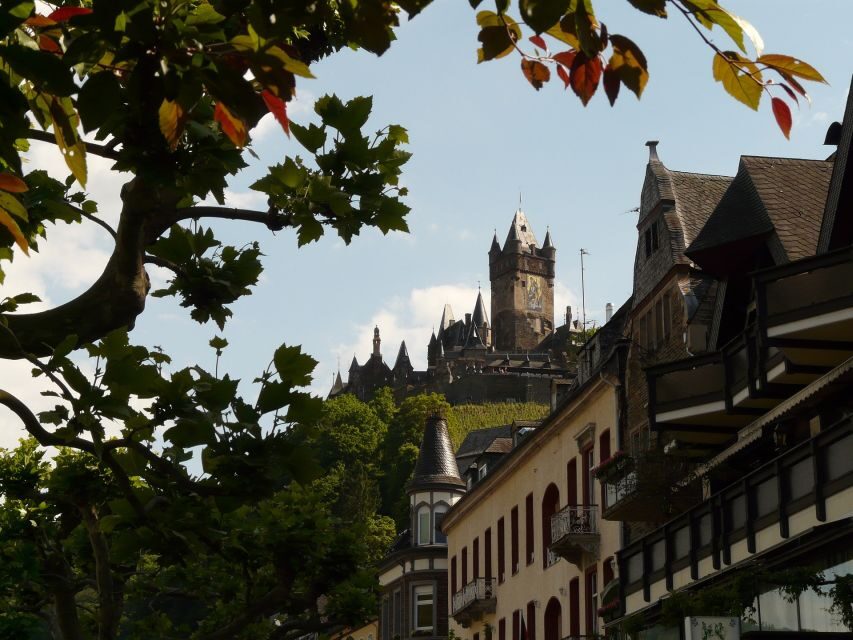
- St. Martin’s Church: a standout landmark tied to the city’s deep timeline
- Celts, Romans, and the Black Plague: big turning points explained in human terms
- Metternich-era Capuchin Monastery (founded in 1623): religion and politics in one place
- Market Square views: half-timbered charm with a sense of medieval daily life
- Reichsburg on the Mosel hill: power, rebuilding, and castle history at walking distance
- WWII subcamps of Natzweiler: a heavy topic covered with care and context
Starting at Endertplatz: how the 90 minutes actually works
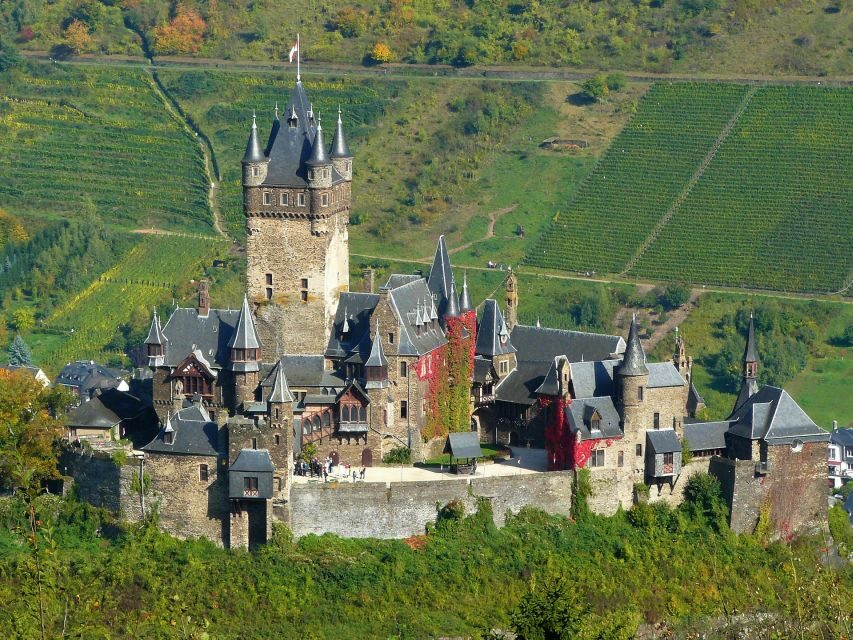
Your tour begins in the center, right in front of the tourist office at Endertplatz 1, 56812 Cochem. That matters because it keeps the whole experience walkable and avoids the stress of figuring out where to start. With a 90-minute duration, the guide can cover the highlights without turning it into an all-day marathon.
This is a private group experience, meaning your guide focuses on your questions and your pace. That also tends to make the tour feel less scripted and more conversational. If your group includes history buffs, you’ll have room to ask follow-ups, and if you’re not a history person, you’ll still get the essentials without getting lost in dates.
One practical tip: bring comfortable shoes. Some stops involve uneven streets and changes in elevation as you move toward the castle area. It’s not a fitness test, but it is walking, so come ready.
You can also read our reviews of more tours and experiences in Cochem.



St. Martin’s Church and the timeline from Celts to the Black Plague
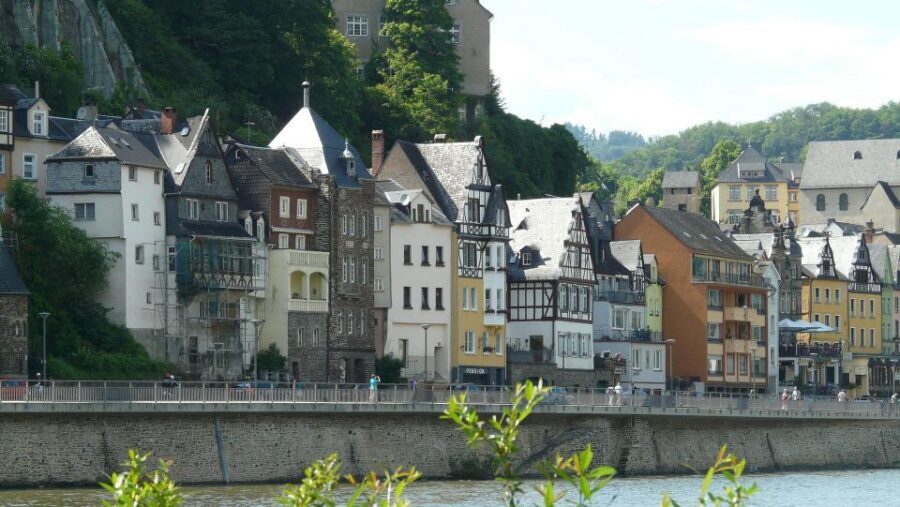
St. Martin’s Church is one of Cochem’s defining landmarks, and it’s a great place to start learning the town’s layers. The guide uses it as a way to anchor the story: who lived here first, which empires left marks, and how major crises reshaped the community over time.
You’ll hear how Cochem dates back to Celtic times and was once part of the Roman Empire—then later becomes more clearly documented as Villa Cuchema in the 9th century. What I like about this approach is that it doesn’t treat history like a museum label. It connects earlier eras to what you’re seeing in front of you now.
Then comes the darker middle chapters: the impact of the Black Plague and later shifts in who held power. Instead of just naming events, the guide ties them to real changes in city life and governance. If you usually skip plague-era history on tours, this one is the kind that makes the subject understandable without turning it into horror content.
Why this stop is worth your time: it’s the bridge between the romantic “Mosel postcard” side of Cochem and the reality that the town has been rebuilt again and again.
Market Square charm with a medieval purpose behind it
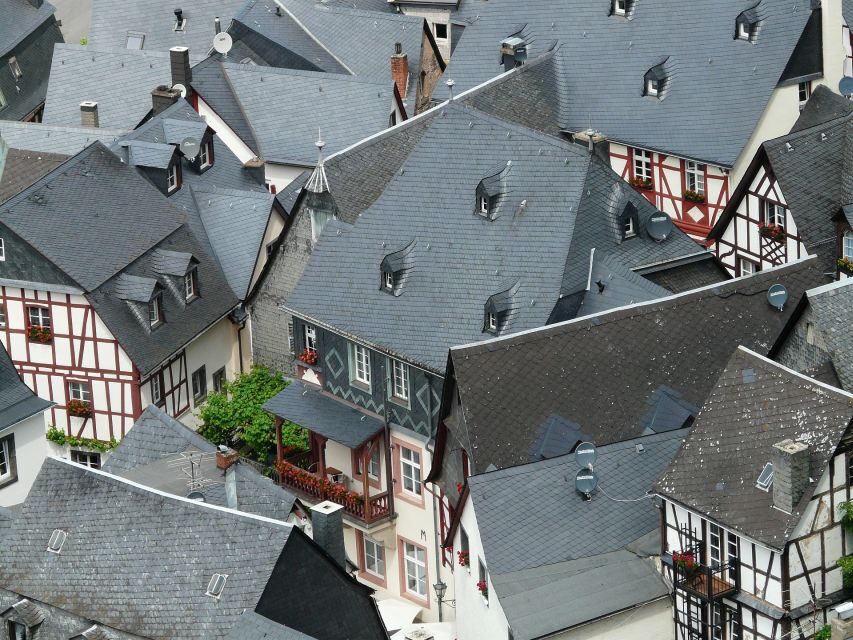
After you get your bearings, you’ll move to the Market Square, the kind of place where Cochem’s character shows up in a hurry. From here, you get views of those classic half-timbered houses—good for photos, yes, but also for understanding how the town worked.
The guide explains why the Market Square mattered in the late Middle Ages. That turns the scene from pretty architecture into something functional: trade, civic life, and the everyday rhythm of a town centered on its market. You’ll learn what kinds of power and decisions would have played out here, especially as the city changed rulers and rebuilt after major damage.
One subtle benefit: Market Square stops are where a good guide controls pacing. They give you a chance to look around, ask questions, and rest your feet briefly before heading toward the more uphill sections.
Capuchin Monastery and the Metternich influence you can feel in the town
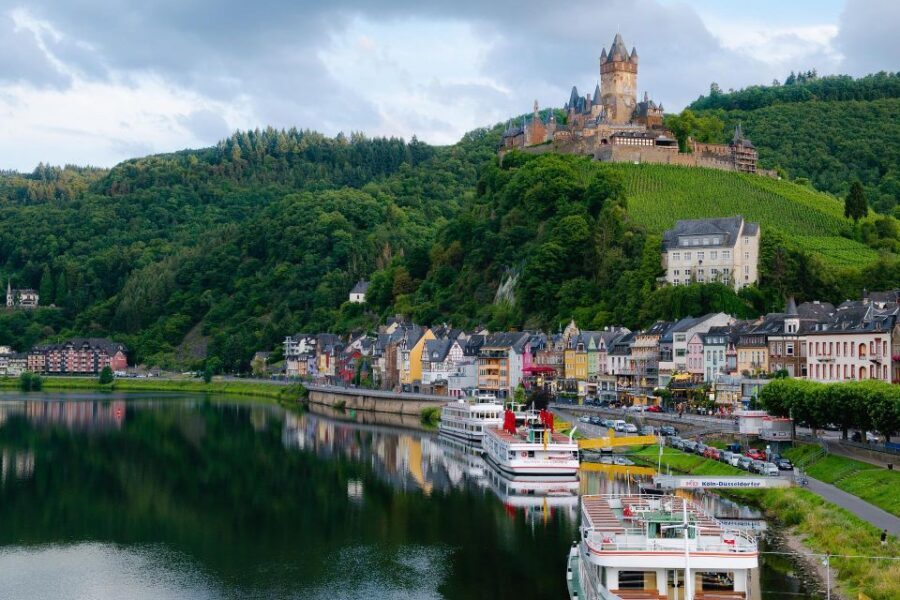
A key highlight is the Capuchin Monastery, founded in 1623 by Elector Lothar von Metternich. This isn’t just a date to memorize. It’s a window into how influential families shaped religion and education, and how those institutions became part of the town’s physical and cultural map.
The Metternich family’s impact is also part of what the tour explores, connecting political power to long-term local presence. I like this because it explains why certain buildings exist in the first place, instead of treating them as isolated monuments.
If your group enjoys stories that connect art, architecture, and politics, this stop usually hits the sweet spot. Even if you’re not into early modern Europe, you’ll come away with a clearer sense of how Cochem transitioned through different eras of authority.
Reichsburg on the hill: rebuilding after Louis XIV and power in motion
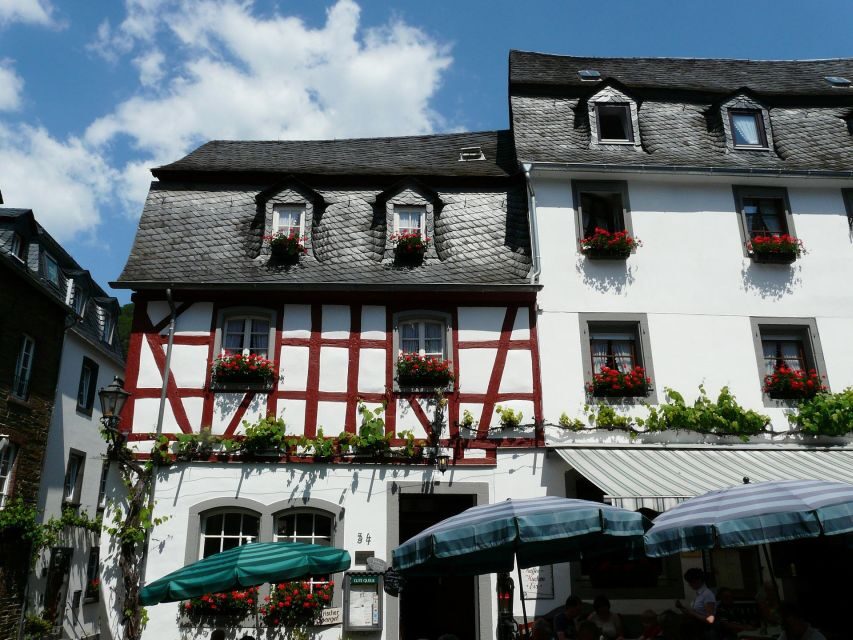
Then you’ll head toward Reichsburg, one of the highest hill castles on the river Mosel, and a major visual anchor of Cochem. The castle is beautifully restored, and the tour uses that restoration to explain what was lost, what was rebuilt, and why Cochem kept attracting conquerors.
You’ll hear about the original castle being burned down by King Louis XIV and the French conquest of the city. That chain of events led to a lengthy reconstruction, which you can think of as the town rewriting itself in stone and timber after political violence.
Next comes the era of Napoleon’s army occupying the city in the 18th century, followed by a shift to Prussian rule with the fall of Napoleon. The important thing isn’t just which country ruled. It’s the way those changes filtered into daily life: who controlled defenses, who organized resources, and how Cochem’s future kept getting reset.
Practical note: you’ll likely spend more time looking outward from the castle area than you will inside it, depending on entrance decisions. Since entrance fees aren’t included, you can decide on the day whether you want to pay to go in, based on your group’s interests.


WWII and the Natzweiler subcamps: a heavier stop done responsibly
Cochem was heavily affected during World War II, with much of the city destroyed due to its subcamps connected to the Natzweiler concentration camp. This is one of the most serious parts of the tour, and it’s covered with context so it doesn’t feel like a random history fact dropped into conversation.
What I appreciate about this segment is that it gives the town’s WWII story a specific local connection rather than leaving it as a vague “Germany in the 1940s” summary. When a guide ties events to what a place became after the war, the meaning lands more clearly.
You’ll also learn what happened after the war: Cochem was reassigned to the newly founded German State of Rhineland-Palatinate. That closing move matters. It shows how a community rebuilds not just physically, but administratively—how new boundaries and new governance help shape the future.
If your group prefers a lighter pace, this stop can feel weighty. Still, it’s essential for anyone who wants to understand Cochem beyond the view and the wine.
Guides, pacing, and why the tour feels “short and focused”
This tour is only 90 minutes, but it doesn’t feel skimpy. The structure is built for clarity: you get a guided path through the big turning points, with time for questions and for the group to actually look at what’s in front of you.
The guide style is often described in ways that point to the same strengths: friendly, engaging delivery and insider-level story work. One example from a past booking highlighted a guide named Bridget for being personable and for sharing personal-life stories about Cochem. Another booking emphasized that the leadership combined information with humor, keeping things entertaining without losing the facts.
That’s the main reason this tour works as a first-time introduction: it’s not trying to cover everything. It covers the essentials with enough detail to make Cochem’s buildings and streets feel meaningful.
Also, the guide speaks English and German, which makes it easier for mixed-language groups to stick together without losing the thread.
Price and value: why $272 for up to 15 can be fair
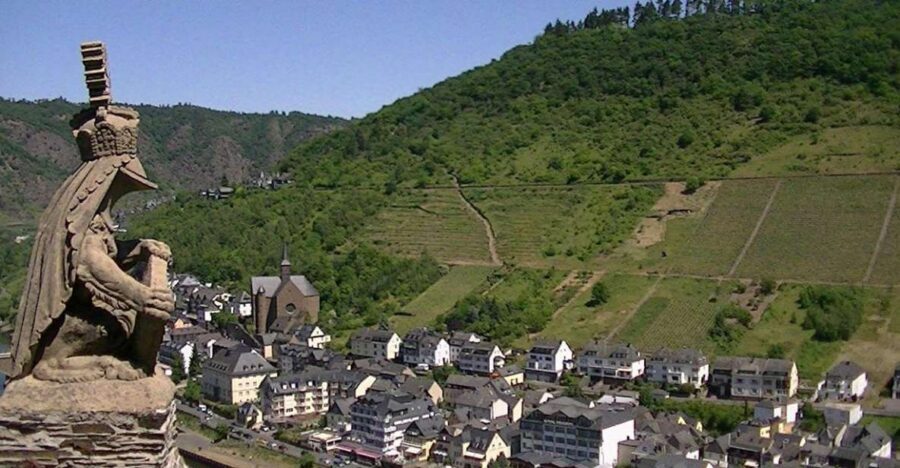
At $272 per group (up to 15 people), this is priced as a private experience rather than a per-person ticketed attraction. Value depends on your group size.
If you’re traveling with a few people, you’re essentially paying for a local guide’s time plus the convenience of a custom walk. For larger groups (still within the cap), the per-person cost drops fast, and you get the benefit of staying together. The private setup also makes it easier to ask targeted questions, especially for kids, older parents, or anyone who wants a slower pace.
One extra value point: entrance fees aren’t included, so you only pay for what you truly want to enter. That keeps the budget flexible and prevents the classic “tour tax” feeling where everyone gets charged whether or not they care.
Net: for a 90-minute, guided, private history-and-landmark walk, this is generally good value—especially if your group wants context, not just photos.
Who this walking tour is best for (and who should rethink it)
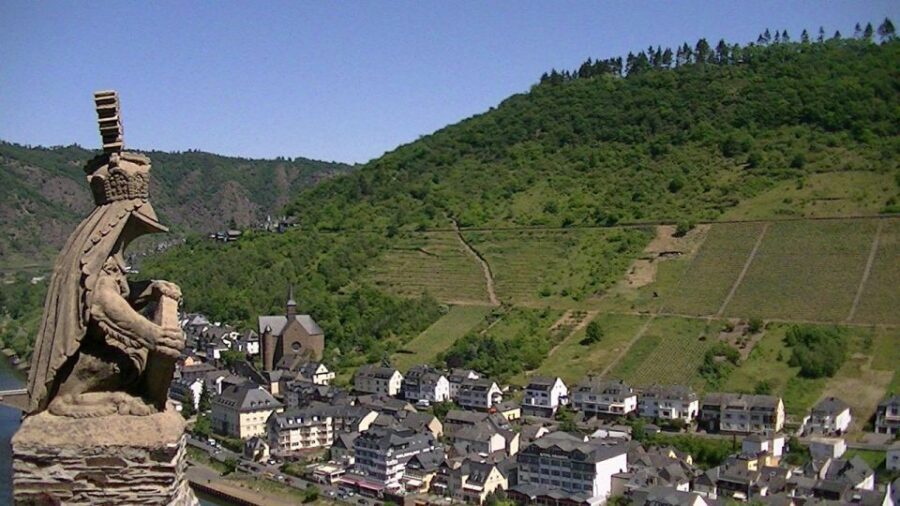
This tour is a strong match for couples, small families, and friend groups who want a guided overview of Cochem’s most important landmarks without spending the whole day. It also suits people who like history, but aren’t looking for a lecture hour-by-hour.
It may be less ideal if your group includes people with mobility impairments or if anyone uses a wheelchair. The tour is not suitable for wheelchair users, so consider alternatives that better match accessibility needs.
If you’re into Mosel culture, you’ll likely appreciate the way the guide connects places to broader local life. In some cases, guides also weave in regional context like wine in the Mosel region, which can add a practical flavor to the history. Just remember: entrance decisions and the exact emphasis can vary by guide and by your on-the-spot questions.
Practical wrap-up: should you book this private Cochem walk?
Book it if you want a tight, guided, high-impact introduction to Cochem that connects architecture with big events, including WWII’s local connection to the Natzweiler subcamps. It’s also a smart pick if you value a private format where you can personalize the conversation and keep the pace comfortable.
Skip it (or plan differently) if your priority is spending lots of time inside castles and churches. Since entrance fees aren’t included and the tour is time-limited, you may end up treating the sites as look-and-learn stops unless you choose paid entry options.
Overall, this is the kind of tour that helps you understand why Cochem looks the way it does and why it had to be rebuilt so many times.
FAQ
Where does the tour meet?
You meet in front of the tourist office at Endertplatz 1, 56812 Cochem.
How long is the private walking tour?
The tour lasts 90 minutes.
Is this tour private?
Yes. It’s a private group experience with a local professional guide who stays with your group only.
What languages are offered?
The tour is available in English and German.
What’s included in the price?
A local professional guide is included. The guide will also be with your group only, and you can customize the tour on the spot.
Are entrance fees included?
No. Entrance fees are not included.
Is the tour suitable for people who use wheelchairs?
No. It’s not suitable for wheelchair users or people with mobility impairments.
What should I bring?
Wear comfortable shoes, since it’s a walking tour.
FAQ
Can I cancel for a full refund?
You can cancel up to 24 hours in advance for a full refund.
Can I reserve without paying right away?
Yes. You can reserve now and pay later to keep your plans flexible.