REVIEW · DRESDEN
Casanovas Tour: Baroque District Dresden With Wine
Book on GetYourGuide →Operated by Programme-zur-Feier · Bookable on GetYourGuide
Casanova turns Dresden’s Baroque streets into theatre. I love the fun, spicy storytelling and the major Baroque sights you see on foot, from the Golden Rider to the Epiphany Church. It’s one of those tours where you get entertainment and context at the same time.
One thing to plan around: this tour is not suitable for children under 16, and the live guide speaks only German. If that’s fine for you, you’ll have a great match for a couple of hours of culture plus wine.
In This Review
- Key highlights at a glance
- Casanova’s Baroque walk in Dresden: what makes it work
- Start at Goldener Reiter on Neustädter Markt
- Golden Rider: the opening landmark that sets the mood
- August the Strong’s stately home: power behind the glamour
- The Epiphany Church: a faith stop with story value
- Artisan passages: where Dresden feels everyday, not just monumental
- A spicy character, a fun guide, and the history that sneaks in
- Inside the wine cellar: three Saxon wines and a snack
- Price and value: is $45 worth it?
- Language and group format: plan for a German guide
- Who should book this Casanova and wine experience
- Should you book this tour?
- FAQ
- Where does the tour start and end?
- How long is the Casanova Baroque District Dresden with Wine tour?
- What is included in the price?
- Is there food and wine during the experience?
- What language is the guide?
- Is this tour suitable for children?
- Can I cancel if my plans change?
Key highlights at a glance
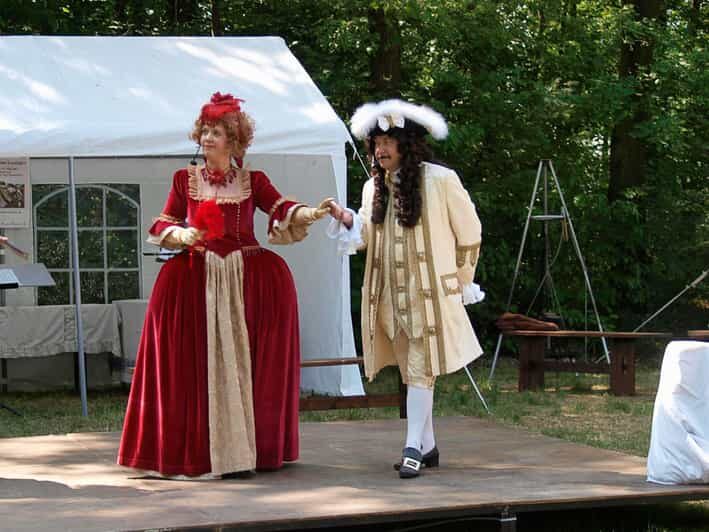
- Casanova-inspired walk through Dresden’s Baroque quarter, with love affairs and adventures in the mix
- Iconic stops like the Golden Rider, August the Strong’s stately home, and the Epiphany Church
- Artisan passages that add texture beyond the big monuments
- Three Saxon wines tasted in a romantic vaulted cellar
- Private group feel with a route that’s wheelchair accessible
Casanova’s Baroque walk in Dresden: what makes it work
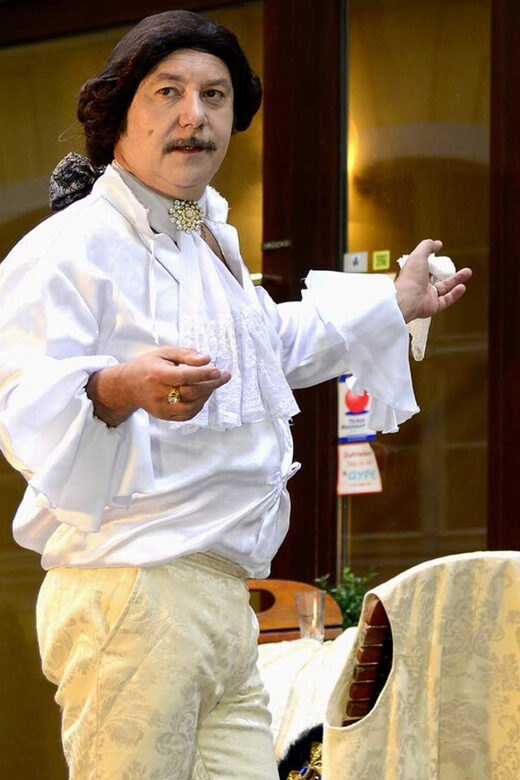
This tour is built on a simple idea: take a famous character, place him in real streets, and use him as your thread through Dresden. Casanova isn’t just a name here. He’s presented as a thinker and doer with stories that connect to the city, so the walk feels like more than moving from one photo spot to the next.
What you’ll like most is the tone. The experience leans humorous and a bit daring, like a playful history lesson that doesn’t treat you like a textbook. At the same time, it’s not all jokes. You’ll also get history points as you go—why certain places matter and how they fit the broader Dresden story.
It’s also time-smart. With about 1.5 hours, you’re not committing to a whole day of touring. You can fit this into a sightseeing block early on, then use the rest of your day to wander at your own pace with better context.
You can also read our reviews of more wine tours in Dresden



Start at Goldener Reiter on Neustädter Markt
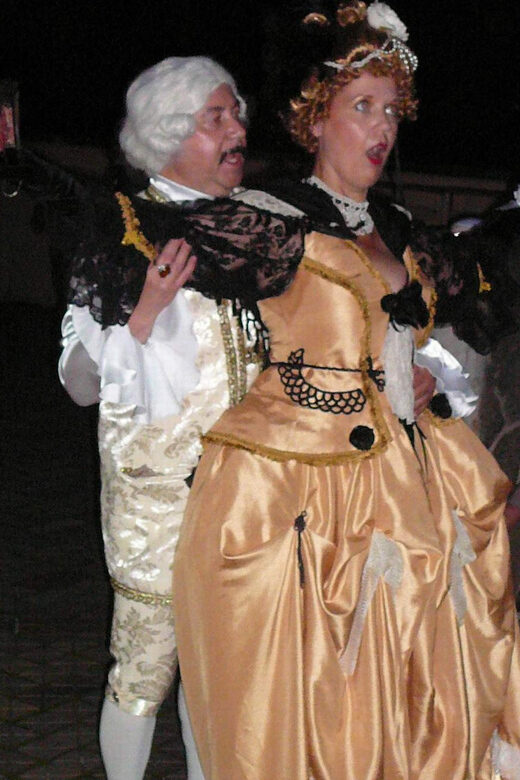
The whole experience begins at the Goldener Reiter on Neustädter Markt, and it also ends back at that same meeting point. That is practical for planning: you don’t need to figure out how to get across town afterward or worry about ending somewhere far from your next stop.
Being centered like this matters when you’re exploring Dresden’s Baroque area. You can treat the tour like your orientation lap. Once you’ve walked the streets with a guide, it’s much easier to choose what to revisit on your own.
Since this is a walking city tour, I’d come with comfortable shoes. Even if the route isn’t described in detail, a Baroque-quarter stroll means uneven sidewalks and lots of short movements between spots. Also, keep a light jacket handy if you’re touring in cooler months—wine cellars can be cool, and the outdoors part will still be outdoors.
Golden Rider: the opening landmark that sets the mood
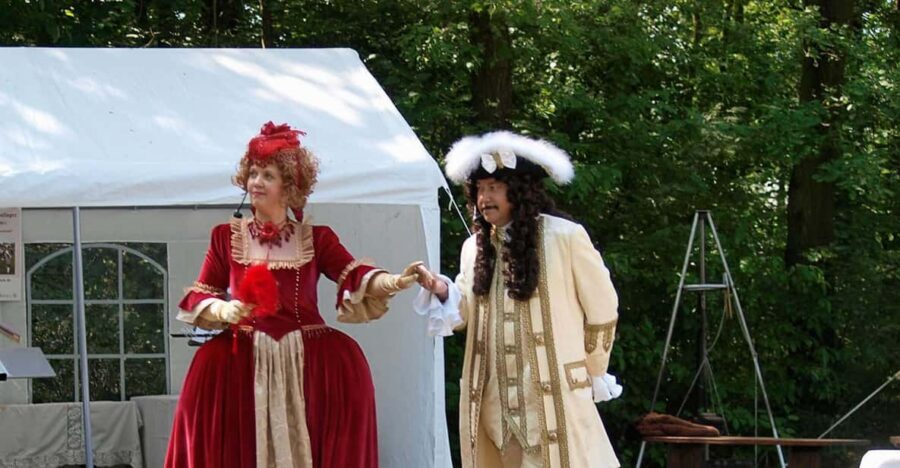
The first major point you’ll encounter is the Golden Rider. It’s the kind of landmark that helps you instantly understand the tour’s vibe: Dresden isn’t just stones and squares. It has drama in its public spaces, and the guide uses that energy right away.
This stop matters because it gives you an anchor. From here, you can start building a mental map: where the Baroque quarter is, how the streets connect, and how the city’s architecture creates those long sightlines and dramatic corners that make a walking tour feel fun.
Think of it as the moment you switch from casual visitor mode to story mode. Once that happens, the rest of the route reads differently. You’ll notice details more quickly, and you’ll better understand what you’re seeing when you move on to buildings tied to power and patronage.
August the Strong’s stately home: power behind the glamour
Next, you’ll head to the stately home of August the Strong. This is one of those stops where the guide’s storytelling does real work. When a tour frames a place through a person’s ambitions and connections, you start to see architecture as communication—who had influence, what they wanted to project, and how the city’s look was shaped.
Even without going deep into technical descriptions, this kind of stop helps you connect the dots. Dresden’s Baroque quarter didn’t grow by accident. It reflects rulers, institutions, and the kind of public image that demanded impressive settings.
For you, that means the buildings aren’t just scenery. They become evidence. When you later see churches and artisan passages, you’ll be thinking in a more structured way about what those spaces were for—gathering people, displaying faith, or supporting crafts that kept city life moving.
The Epiphany Church: a faith stop with story value
Then comes the Epiphany Church. This stop is valuable because it gives the tour a second dimension: it moves beyond politics and spectacle and into the role of religion in daily city life and public identity.
Churches on a walking tour can go two ways. Either they become a quick exterior photo, or they become a story-based moment that helps you understand why the city keeps returning to certain themes. Here, the tour positions the church within the broader walk of Dresden’s past—so it feels integrated rather than tacked on.
If you’re someone who likes to know what you’re looking at, you’ll appreciate the way the guide ties it back to Casanova’s Dresden. It’s not just what the building is, but what it represents in a city where people lived, worked, prayed, and made plans in overlapping worlds.






Artisan passages: where Dresden feels everyday, not just monumental
Between the bigger named sights, you’ll also see artisan passages. This is a strong inclusion because it breaks the pattern of only seeing big monuments. Passages like this are where a historic city becomes more human. They suggest how foot traffic moved, where crafts and trades likely clustered, and how commerce and culture can share the same corridors.
Why this matters: if you only focus on the loudest architecture, you miss how real neighborhoods function. Artisan passages add texture. You’ll likely spend a little time looking at the feel of the space and how it connects the landmarks you just heard about.
This is also the part of the walk where the humor-story approach is especially helpful. Instead of rushing through, you can slow down and actually notice details: signage, entrances, and the way the street layout guides people. That turns your photos from random snapshots into something more meaningful.
A spicy character, a fun guide, and the history that sneaks in
Casanova’s story here isn’t treated as background noise. The tour uses his love affairs and adventures in Dresden to add energy, and that helps you remember what you learned. The vibe is described as very charming and entertaining, with a lot of humor—so you’re likely to feel relaxed even while you’re learning.
What I like about this format is that it avoids the usual problem with history tours: you get facts, but you don’t always get why those facts matter. When the guide frames a building or a location through the life of a character, your brain has an easy path to store the information.
That’s why you’re walking away with more than the ability to name places. You’ll be able to explain how the city’s Baroque look ties to power, faith, and everyday movement through Dresden’s old streets.
Inside the wine cellar: three Saxon wines and a snack
After the walking portion, the tour shifts gears to the romantic vaulted cellar, where you taste three Saxon wines. This is the right pairing after a city walk. You’ve already spent time learning and looking; now you get a sensory break that feels connected to the region you’re visiting.
The tasting is set up to be approachable: you get three wines to sample, plus a snack. That matters because it makes the tasting more comfortable. You’re not just drinking straight into an empty stomach. It’s also a good way to pace yourself, especially if you plan to keep sightseeing afterward.
One practical tip: taste slowly and ask questions if the guide is open to it. Even if you’re not a serious wine person, this is the moment to learn how Saxon wines differ and what you should notice when you compare the three options.
And yes, there’s time to linger a bit longer in the cellar. That gives you room to finish your conversation and enjoy the setting without a hard rush.
Price and value: is $45 worth it?
At $45 per person, this isn’t the cheapest add-on you can book in Dresden, but it’s also not trying to be a budget-only option. You’re paying for two things that usually cost more separately: a guided Baroque walking tour plus a wine tasting of three Saxon wines with a snack.
For value, I’d think of it like this:
- If you want guided storytelling, you’re getting a named, character-led city walk rather than a generic sweep.
- If you want wine, you’re getting a structured tasting experience in a cellar rather than buying a random glass and hoping for the best.
The time commitment is also reasonable at 1.5 hours, which increases value if you’re trying to fit multiple experiences into one day. If your schedule is tight and you want a high-ROI way to connect Dresden’s architecture with the regional tradition of wine, this price starts to make sense fast.
Language and group format: plan for a German guide
This is a live guided tour in German. That’s a key factor, because the humor and story elements will be harder to follow if you’re not comfortable in German. The good news is that the structure is still tangible: you can see each stop, and the visual rhythm of walking between landmarks helps you keep up even when your vocabulary is catching up.
The tour is listed as a private group, which usually means a more personal pace and less crowd pressure. You’re not being shuffled through with a mass of strangers. That can make it easier to ask small questions during the walk or in the cellar.
Who should book this Casanova and wine experience
I think this works best for people who want:
- A walking tour with personality, not just dates and stone names
- Dresden Baroque sights mixed with light, witty storytelling
- A short stop that includes wine tasting without turning into a long evening plan
- A calmer group setup thanks to the private-group format
It’s not ideal for families with younger kids, since it’s not suitable for children under 16. It also isn’t the best match if you need an English-only guide, because German is the language listed.
If you enjoy cultural experiences that feel human—where a city’s past is told through character and atmosphere—you’ll probably find this a fun way to see Dresden from a slightly different angle.
Should you book this tour?
Book it if you want a 1.5-hour mix of Dresden’s Baroque quarter highlights and a proper regional wine tasting in a vaulted cellar. The character-led storytelling style and the focus on specific landmarks make it a good use of time, especially if you’re already planning to explore central Dresden.
Skip it if German-only guiding is a dealbreaker for you, or if you’re traveling with kids under 16. Also, if you hate anything with a flirtier, Casanova-style theme, keep that in mind before you commit.
FAQ
Where does the tour start and end?
It starts at the Goldener Reiter on Neustädter Markt, and it ends back at the same meeting point.
How long is the Casanova Baroque District Dresden with Wine tour?
The duration is 1.5 hours.
What is included in the price?
You get Casanova’s city tour, a tasting of three Saxon wines, and a snack.
Is there food and wine during the experience?
Yes. You’ll taste three Saxon wines, and the tour also includes a snack. Other meals and drinks are not included.
What language is the guide?
The live tour guide speaks German.
Is this tour suitable for children?
No. It is not suitable for children under 16 years old.
Can I cancel if my plans change?
Yes. There is free cancellation up to 24 hours in advance for a full refund.