REVIEW · JEWISH MUSEUM BERLIN
Berlin: Jewish Museum Berlin Entrance Ticket
Book on GetYourGuide →Operated by Stiftung Jüdisches Museum Berlin · Bookable on GetYourGuide
Berlin’s museum asks you to look closer.
I like the way Daniel Libeskind’s zig-zag building turns history into something you feel in your body, not just read on a panel. I also love the emotional mix of long-view Jewish life and the museum’s most haunting spaces, from the Holocaust Tower to the Memory Void. One catch: the route can feel a bit confusing, with signage that isn’t always crystal-clear, and there are stairs and slopes you should plan for.
This is a high-impact stop that still works well as a simple, self-guided visit. With a timed ticket you can skip the ticket line, and the museum average visit runs about 2 hours before closing. It’s centrally located in Kreuzberg, walkable from Checkpoint Charlie, so you can fit it into a full day of Berlin without needing a complicated plan.
In This Review
- Key Highlights You’ll Actually Notice Inside
- A Free Ticket With Real Value (and Real Weight)
- Libeskind’s Zig-Zag Architecture: History You Can Feel
- Your 2-Hour Plan: A Route That Works (Most of the Time)
- The Holocaust Tower and Memory Void: Where the Design Hits Hard
- Beyond Trauma: Jewish Life, Ritual, and Daily Rules
- Special Exhibitions: Inventories and Defiance (Plan Around What’s Showing)
- Inventories — The Legacy of Salman Schocken
- Defiance — Jewish Women and Design in the Modern Era
- App + Headphones: How to Make It Worth Your Focus
- Where the Museum Fits in Berlin: Kreuzberg and the Checkpoint Charlie Shortcut
- What to Bring and What to Expect from the Hours
- Should You Book This Free Jewish Museum Ticket?
- FAQ
- How long does the Jewish Museum Berlin visit take?
- What are the opening hours?
- Is admission really free with this ticket?
- Do I need headphones?
- Is the museum wheelchair accessible?
- Does this ticket let me skip the ticket line?
- What other option does my ticket include?
Key Highlights You’ll Actually Notice Inside
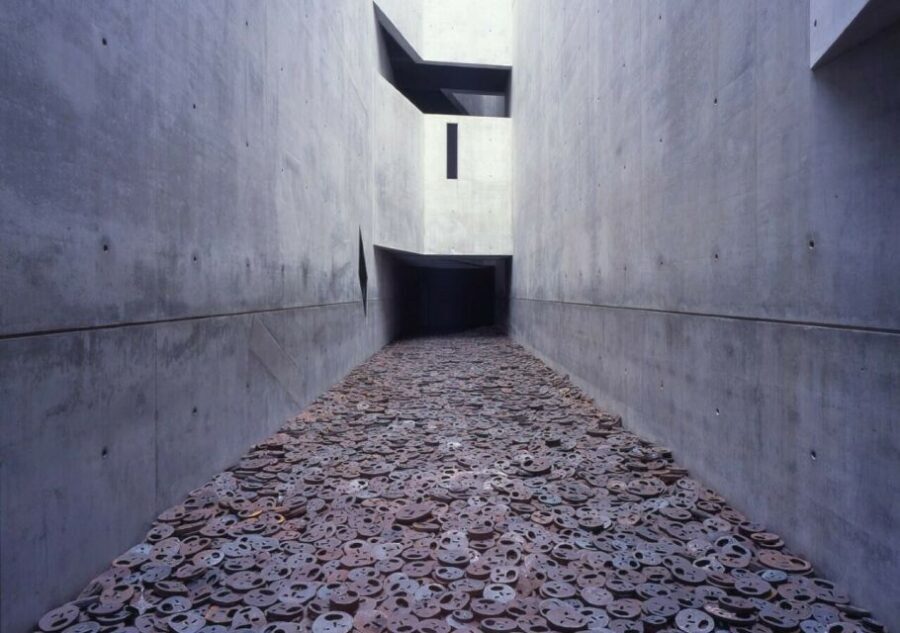
- A building that acts like a history lesson, with slanted walls, sharp angles, and gaping voids
- Holocaust Tower as the museum’s emotional centerpiece
- The Memory Void / Shalekhet (Fallen Leaves), plus other audio-video and interactive moments
- Rotating special exhibitions alongside the core permanent story
- Kosher rules, Shabbat, holidays, and everyday culture explained through objects and context
- Free entry plus an app, so you can keep it self-paced with audio on your own terms
A Free Ticket With Real Value (and Real Weight)
You can’t beat the price: the ticket here is listed as $0.00 per person, and that matters. Berlin has plenty of excellent museums, but this one gives you a top-tier, world-class experience without asking you to spend extra just to get in the door. If you’re on a tight budget, this is one of the easiest “yes” decisions in the city.
That said, don’t mistake free entry for a lighter experience. This museum covers Jewish history in Germany from the Middle Ages to today, and it does not shy away from the darkest chapters. It’s moving on purpose, and the physical design supports that goal. If you prefer museums that keep emotion at arm’s length, you may find this challenging.
Libeskind’s Zig-Zag Architecture: History You Can Feel
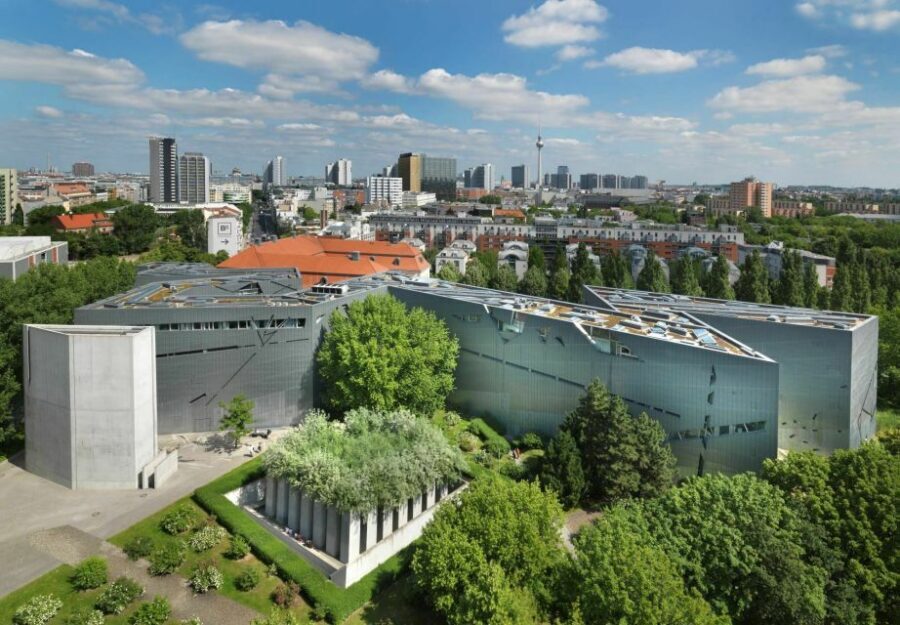
The Jewish Museum Berlin is famous for its architecture, and you will understand why within minutes. The building was designed by Daniel Libeskind, and the form is not decoration. It’s the structure’s whole job: to create a kind of language for Jewish history in Germany.
Here’s what you’ll notice as you move through it:
- Slanted walls and sharp angles make the space feel unstable, like your footing is being questioned.
- Gaping voids create interruptions, moments of absence that feel intentional rather than accidental.
- The overall geometry creates a “story” as you turn corners and change levels.
This matters for you because museums often rely on text and artifacts alone. This one uses the room itself. Even if you don’t read every label, you’ll still get the message: history here is complex, disrupted, and not smooth.
Your 2-Hour Plan: A Route That Works (Most of the Time)

The museum average visit is about 2 hours, and that’s a good target if you want to see the main line of exhibits without rushing. Because you’re self-guiding, the biggest practical challenge is pacing yourself so you don’t spend 45 minutes in one section and then feel like you’re sprinting at the end.
A useful approach:
- Start with the core permanent narrative so you understand the big timeline first.
- Then follow the building’s flow into the most emotionally direct spaces.
- Save special exhibitions for when you have the mental energy to absorb them.
A drawback: the inside route can feel confusing, especially if you’re the type who likes to “complete” a museum floor-by-floor. Some signage is reported as needing improvement, so give yourself time to get your bearings.
Also, plan for movement. Reviews mention stairs and uphill sections, so wearing comfortable shoes is not optional. If you have mobility limits, this is still listed as wheelchair accessible, but you’ll want to move slowly and not assume every turn is flat.
The Holocaust Tower and Memory Void: Where the Design Hits Hard
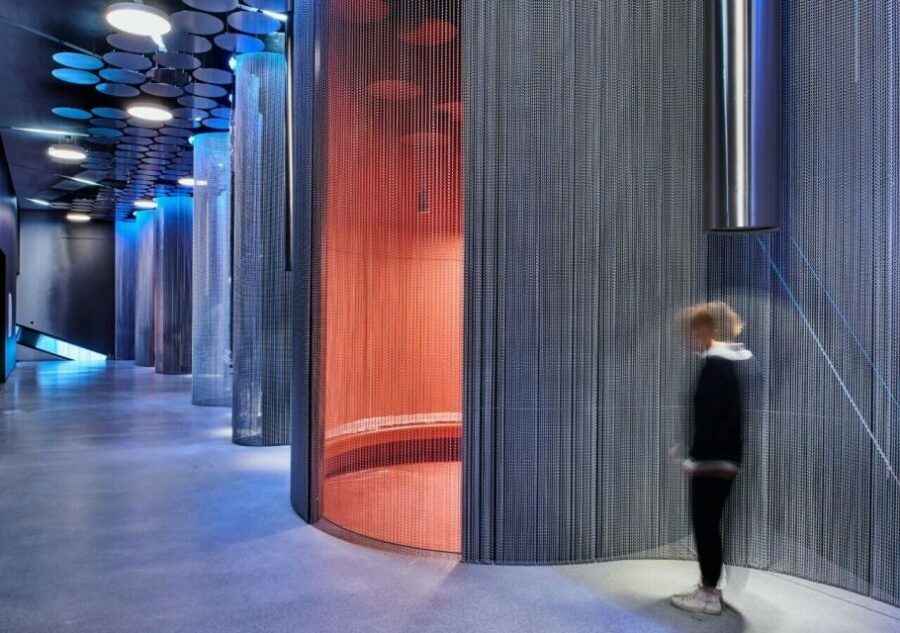
If you remember one part of this museum in vivid detail, it will likely be the spaces shaped to make you slow down. The Holocaust Tower is repeatedly singled out as priceless in terms of emotion and impact. The point isn’t only what you read there. It’s how the space changes your sense of time and stability.
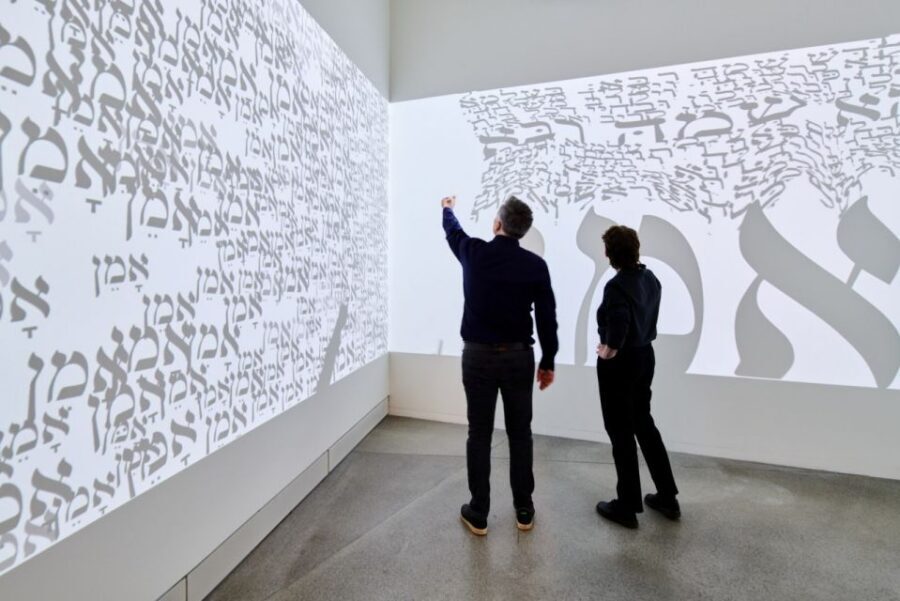
Another standout is the Memory Void and its Shalekhet (Fallen Leaves) installation. The idea is simple but effective: the museum uses sound, light, and visual patterning to create an experience that feels unsettled. Reviews call the effect “haunting,” and that’s exactly the goal. This isn’t a room you bounce through. It’s a room you sit with.
Practical tip: headphones can help you handle audio installations without blasting information into the rest of the museum. The museum recommends bringing your own headphones for the best experience.
Beyond Trauma: Jewish Life, Ritual, and Daily Rules
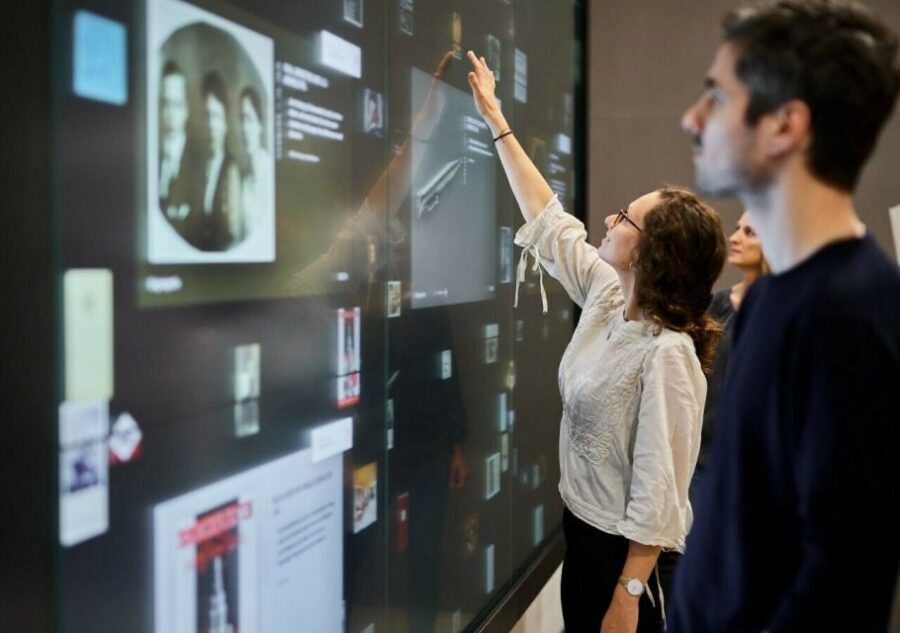
One reason this museum earns strong praise is that it’s not only about the Holocaust. The story includes religious life and everyday culture, and it gives you context for how diverse Jewish communities were across time.
You can expect explanations and examples of:
- dietary laws (kosher practices)
- Shabbat and how it shapes routines
- Jewish holidays and the meaning behind celebrations
This is valuable for you because it prevents the common museum trap: turning Judaism into a single event in history. Here, you get a sense of continuity and variation—beliefs lived out in homes, habits, and community.
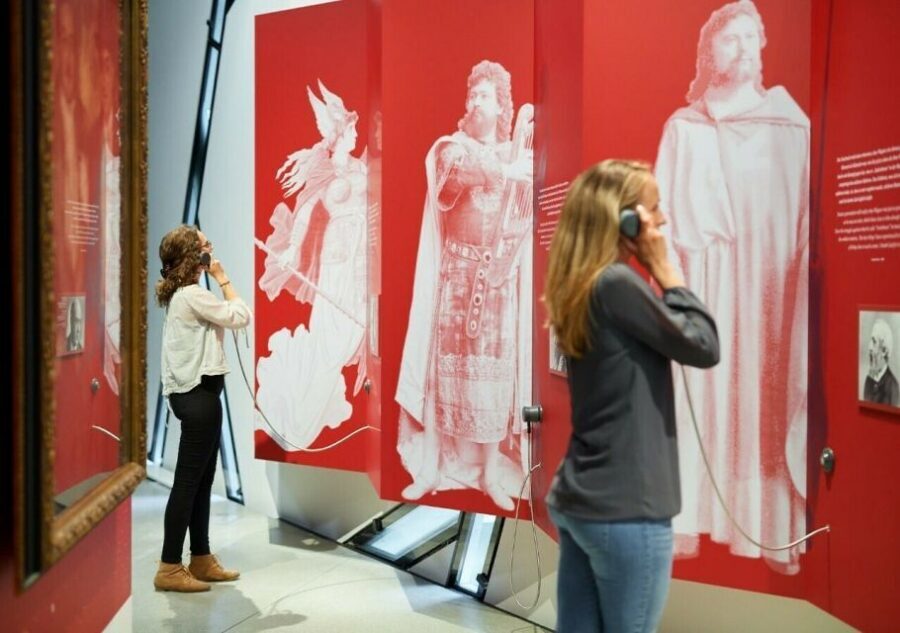
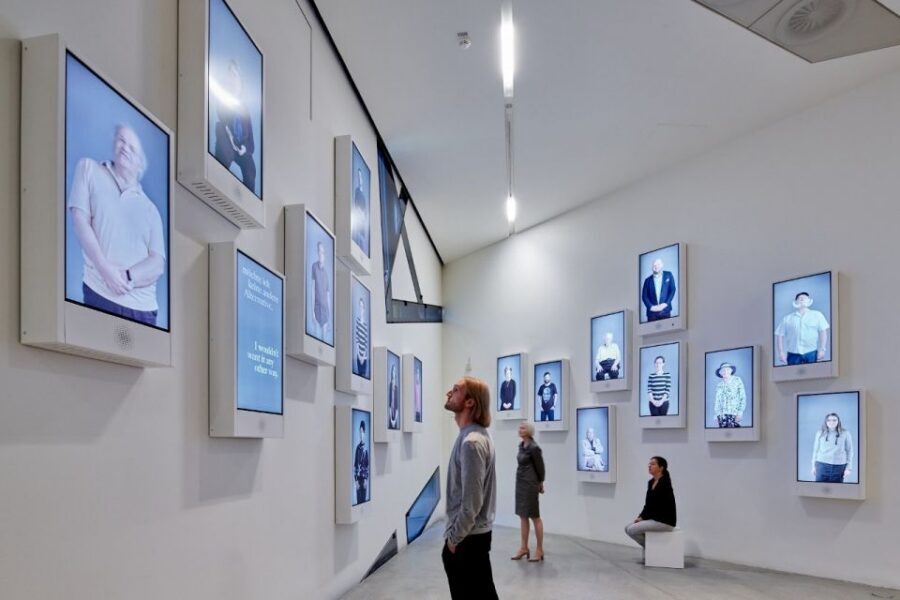
And if you like learning through objects, you’ll likely appreciate the everyday items alongside more direct historical material. There are video and audio installations too, so you can switch between “reading mode” and “watch/listen mode” without losing momentum.
Special Exhibitions: Inventories and Defiance (Plan Around What’s Showing)
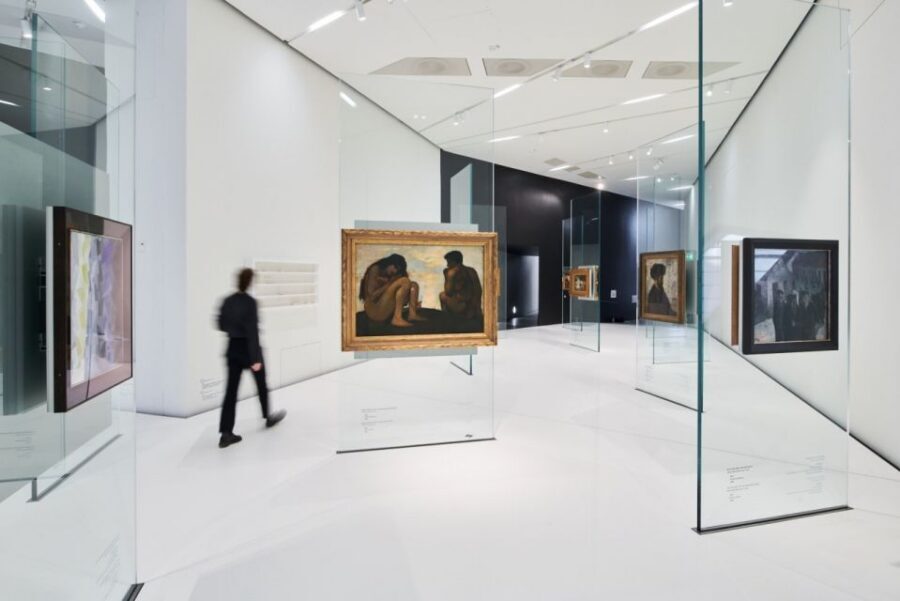
On top of the core museum story, you may also catch major special exhibitions, and they can genuinely change how you experience the building.
Inventories — The Legacy of Salman Schocken
This exhibition is guided by US author Joshua Cohen and looks at the cultural legacy of Salman Schocken, tied to publishing and department-store entrepreneurship. The museum uses books and objects from its collections, turning the theme into something you can follow with your own questions: how culture gets packaged, owned, circulated, and eventually re-acquired or re-framed by museums.
Admission to the exhibition is listed as free. The dates provided run 11 July bis 23 November 2025, so check what’s current on your travel dates.
Defiance — Jewish Women and Design in the Modern Era
This one focuses on Jewish women designers and their role in Germany’s early 20th-century process of emancipation and modernization. It’s described as the world’s first collective exhibition on the theme, with work by more than sixty designers.
The emotional arc matters: many of these women faced marginalization, and Nazi persecution destroyed careers and lives. Some escaped and started over abroad, but many remained excluded from mainstream histories of German art and culture—until this kind of exhibition brings their work back into view.
This exhibition includes design and craft techniques ranging from goldsmithing and textiles to ceramics, wood carving, fashion design, and graphics. The museum also recommends bringing headphones for an optimal experience because there are video and audio elements.
If you’re short on time, decide in advance which special exhibition you’d rather prioritize. The museum is large enough that choosing is better than trying to do everything at once.
App + Headphones: How to Make It Worth Your Focus

The ticket package includes a free download of the JMP app, and it’s designed for self-guided use. Since you’re not purchasing a separate guided/audio tour here, the app becomes your “choose your own path” tool.
The museum also advises bringing your own headphones. Reviews support this: audio guidance can make the museum feel more like a guided walk, especially if you’re the type who wants help turning exhibits into clear meaning.
If you don’t want to rely on your phone, you can still go audio-light and prioritize the core rooms. But if you care about context and want smoother transitions between sections, use the app and headphones.
Where the Museum Fits in Berlin: Kreuzberg and the Checkpoint Charlie Shortcut
Location matters because you’re more likely to go if the museum is easy to reach. This museum sits in Kreuzberg, and it’s within walking distance of Checkpoint Charlie. That’s a big win if you’re already planning to see that area.
There’s also a practical bonus: with your Jewish Museum Berlin ticket, you’re eligible for reduced-rate admission to the Berlinische Galerie on the day of your visit and the next two days. The gallery is only about a 5-minute stroll away. If you’re into contemporary art and Berlin’s creative side, that pairing makes for a clean, walkable afternoon.
What to Bring and What to Expect from the Hours
Plan around the schedule. The museum is open from 10am to 6pm, and it closes at 6pm. The typical visit is about 2 hours, so a late-afternoon arrival can feel rushed.
For your personal comfort:
- Bring headphones (the museum recommends it)
- Wear comfortable shoes for slopes and stairs
- If you have a larger bag, you may need to use lockers; there’s mention of needing euro coin for storage and a coin compressor inside the museum
No food or drinks are included, so plan on having water with you or saving snacks for after. (The big cafe is mentioned as a positive detail in some experiences, but food isn’t part of the ticket.)
Should You Book This Free Jewish Museum Ticket?
If your goal is a high-impact Berlin must-see that goes beyond the surface, book it. The value here is outstanding: you get a world-famous building, core Jewish history in Germany, and special exhibitions, all with a free entry price and an included app download.
You should think twice only if:
- you want an upbeat, distraction-free museum day, or
- you get overwhelmed easily by heavy material and strong atmosphere, or
- you strongly dislike spaces where the layout can feel a bit confusing.
For most people, this is one of those trips where the investment is time, not money. Give it about two hours, bring headphones, slow down in the key rooms, and let the architecture do some of the work.
FAQ
How long does the Jewish Museum Berlin visit take?
The average visit length is about 2 hours.
What are the opening hours?
The museum is open daily from 10am to 6pm, and it closes at 6pm.
Is admission really free with this ticket?
The ticket here is listed as $0.00 per person, and the museum also notes free admission for the included visit.
Do I need headphones?
Yes. The museum recommends bringing your own headphones for an optimal experience.
Is the museum wheelchair accessible?
Yes, it is listed as wheelchair accessible.
Does this ticket let me skip the ticket line?
Yes, this experience includes skipping the ticket line.
What other option does my ticket include?
With your Jewish Museum Berlin ticket, you’re eligible for reduced-rate admission to the neighboring Berlinische Galerie on the day of your visit and the two following days.