REVIEW · DDR MUSEUM
Berlin: DDR Museum Tickets
Book on GetYourGuide →Operated by DDR Museum · Bookable on GetYourGuide
Hands-on DDR memories you can touch. The DDR Museum makes life in East Germany physical, with reconstructed apartments you can inspect up close and a Trabant simulator that turns the past into something you hear and feel. It’s a rare Berlin museum visit where objects are not stuck behind glass—you open, pull, and explore.
I especially like how the exhibit designs ask you to use your senses. You can turn on a living-room TV, handle period details in the flat, and even get a sense of everyday smells and kitchen life. One watch-out: it can get crowded, so plan for a bit of squeezing—especially if you’re also trying to read every label.
In This Review
- Key Highlights You’ll Actually Notice
- DDR Museum Entrance: Spree Views and a Big, Easy Meeting Point
- What Your Ticket Covers (and What It Doesn’t)
- Inside the DDR Apartments: Real Rooms, Real Clues
- The Trabant Simulator: Sound, Motion, and a Ride Through the Prefab Districts
- More Than Apartments: Wall Cupboards, Home Objects, and Daily Contradictions
- Even the Mood Shifts: Prison Cells and Other Hard Edges
- How Long to Plan and When to Go (So You Can Actually Read Things)
- Price and Value: Why $15 Can Feel Like More Than One Museum
- Who This Berlin Visit Fits Best (and Who Might Want to Adjust)
- Should You Book DDR Museum Tickets?
- FAQ
- Where is the DDR Museum entrance?
- How much do DDR Museum tickets cost?
- How long can I use my ticket?
- Does the ticket include a museum guide?
- What are the museum opening hours?
- Are pets allowed?
- Is free entry available for young children?
- Can I cancel and get a refund?
Key Highlights You’ll Actually Notice
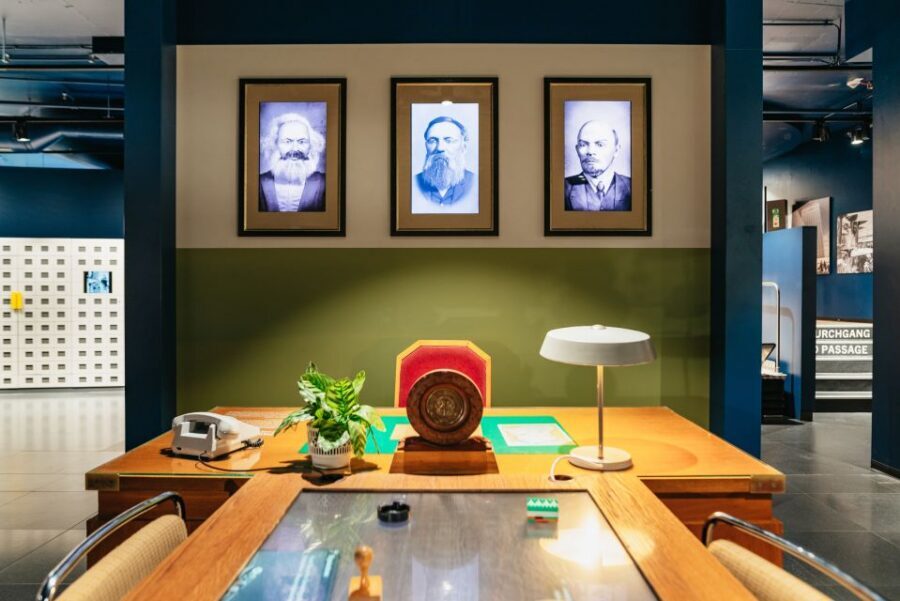
- Hands-on rooms where you can open drawers and cupboards and look inside
- Trabant simulator with the car sounds and a guided ride through prefab districts
- Apartment details like the Karat wall-cupboard and stove-side objects
- Multi-sensory storytelling that uses sound, sight, and everyday textures
- Mix for all ages: adults, teens, and kids all seem to find something to do
- Plan for crowds by choosing quieter hours for comfortable reading
DDR Museum Entrance: Spree Views and a Big, Easy Meeting Point
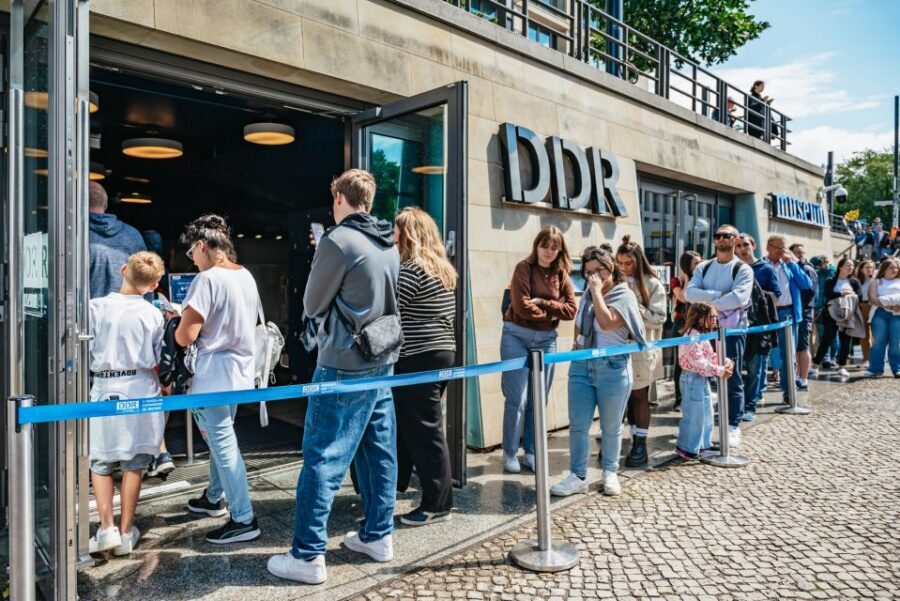
The DDR Museum entrance sits on the bank of the Spree, opposite Berlin Cathedral. That’s handy because you can orient fast. If you’re already walking around Museum Island or along the river, you won’t feel like you’re hunting through office streets.
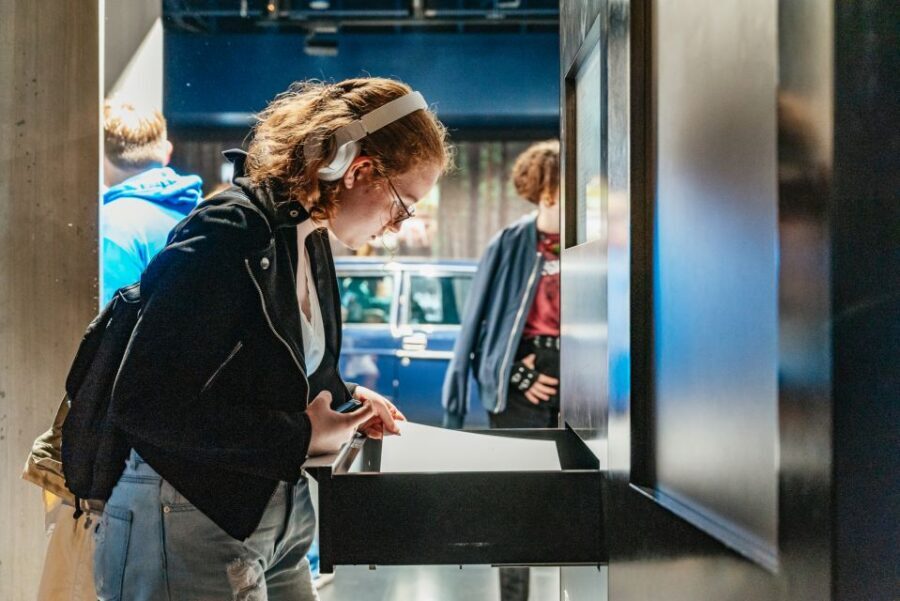
Once you arrive, you’ll understand the museum’s approach right away. This is not a show where you pass glass cases and politely nod. The place is set up like real rooms and real stuff—built for exploring. Even before you start reading, you’ll spot the tactile style: doors, cupboards, drawers, and full-size settings meant for hands-on interaction.
What Your Ticket Covers (and What It Doesn’t)
Your ticket includes entry to the DDR Museum. A museum guide is not included, so you’ll be relying on the exhibit text and your own pace.
That sounds scary, but it’s not. The information plaques are designed to be straightforward and easy to follow. You can spend extra time where you’re curious and skim where you’re not. In fact, the interactive parts make up for any missing guide: if you want to understand daily life, you’ll be able to physically check how things were arranged and used.
One more thing to know: your visit is valid for one day, and you’ll have starting times available when you check availability. That usually means timed entry or a structured schedule, which can help manage crowds—just don’t expect a totally empty museum.
Inside the DDR Apartments: Real Rooms, Real Clues
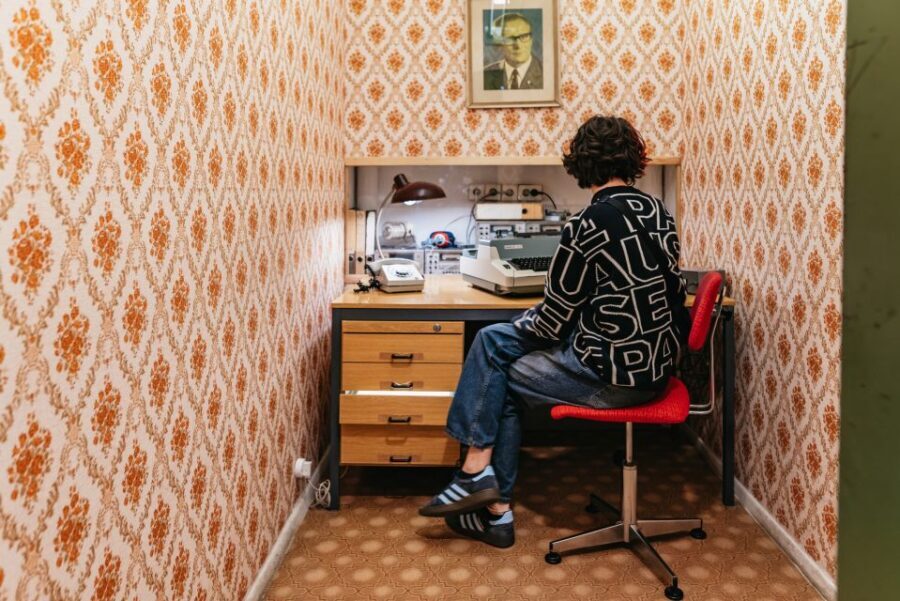
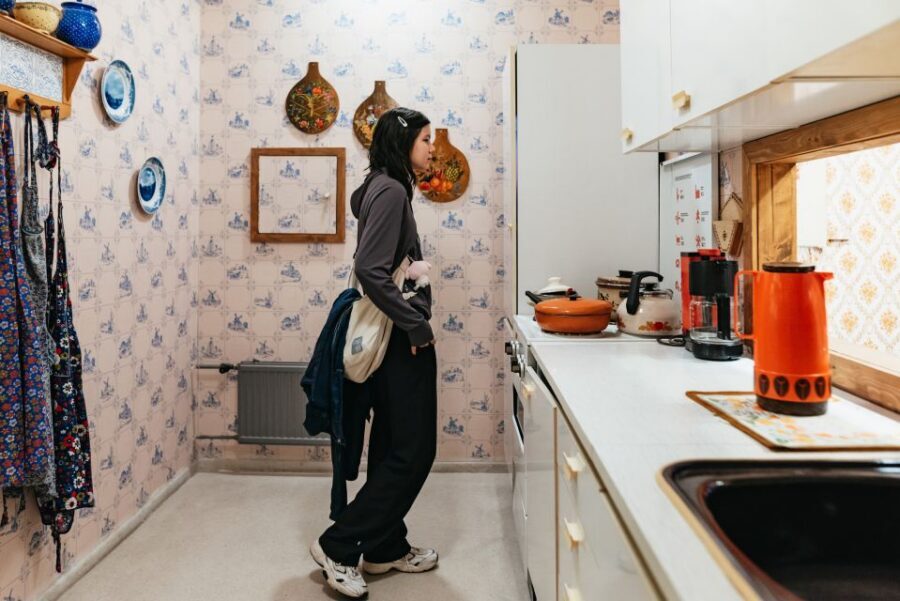
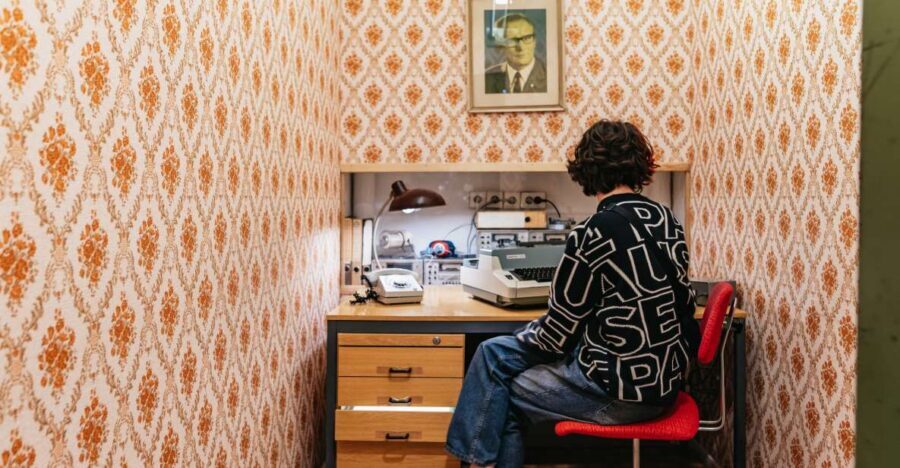
The core of this museum is the reconstructed DDR apartment experience. This is where you learn the DDR not through speeches, but through the patterns of daily life—where objects were stored, how rooms were set up, and what people could realistically access.
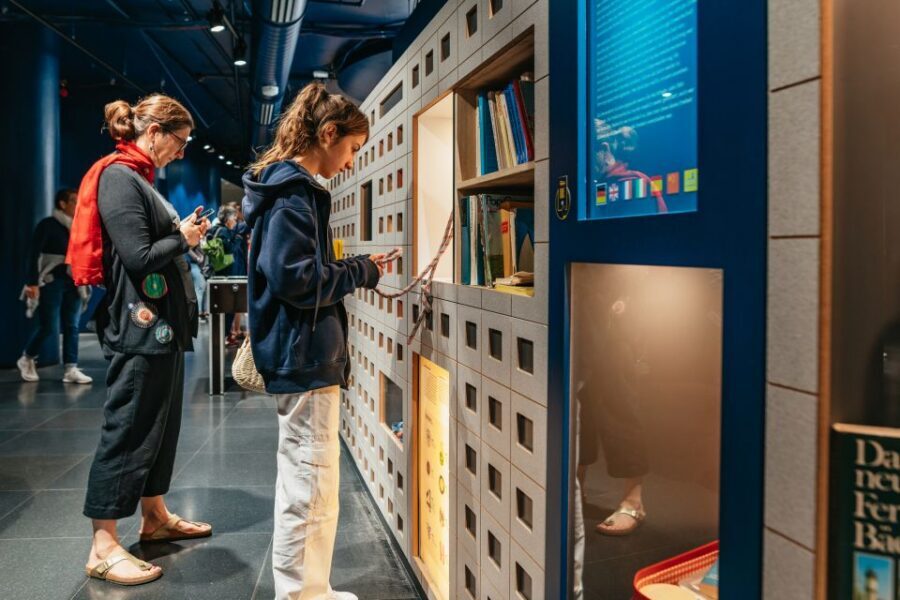
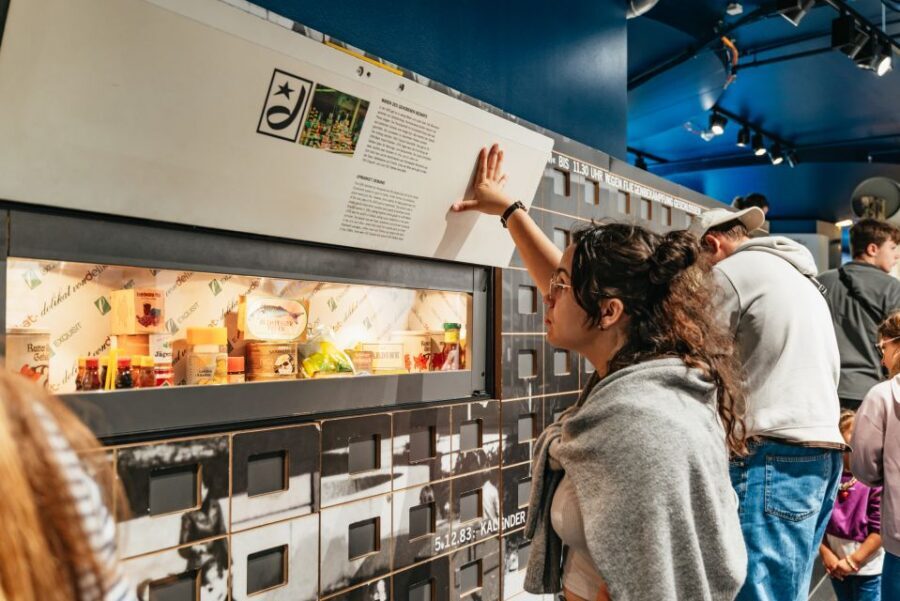
Here’s what makes it work. The museum doesn’t hide the important stuff behind a barrier. Items are built into the rooms, and they’re meant to be discovered. You can open cupboards, pull drawers, and reach inside to browse. That tactile freedom changes how you process the information. It’s one thing to read that a home felt constrained. It’s another to open a wall cabinet and see what fits where.
Expect details that feel strangely specific. The Karat wall-cupboard is a standout example. It’s presented as one of the most evocative pieces of East German home furnishing, and you’ll get why once you see the design and the way it’s treated like a normal part of life rather than a museum prop.
In the kitchen moments, the exhibit leans into sensory cues. You can smell spices on the shelf, and you’ll see a pressure-cooker on the stove. Those details sound small, but they’re exactly what make everyday life feel real. It’s the difference between reading about a life and noticing how a life might actually run.
And yes, there’s entertainment woven into the rooms too. You’ll find places where you can turn on a television in a typical East German living-room and experience short content related to the era. It’s a controlled simulation, but it gives your brain something concrete to anchor on.
The Trabant Simulator: Sound, Motion, and a Ride Through the Prefab Districts
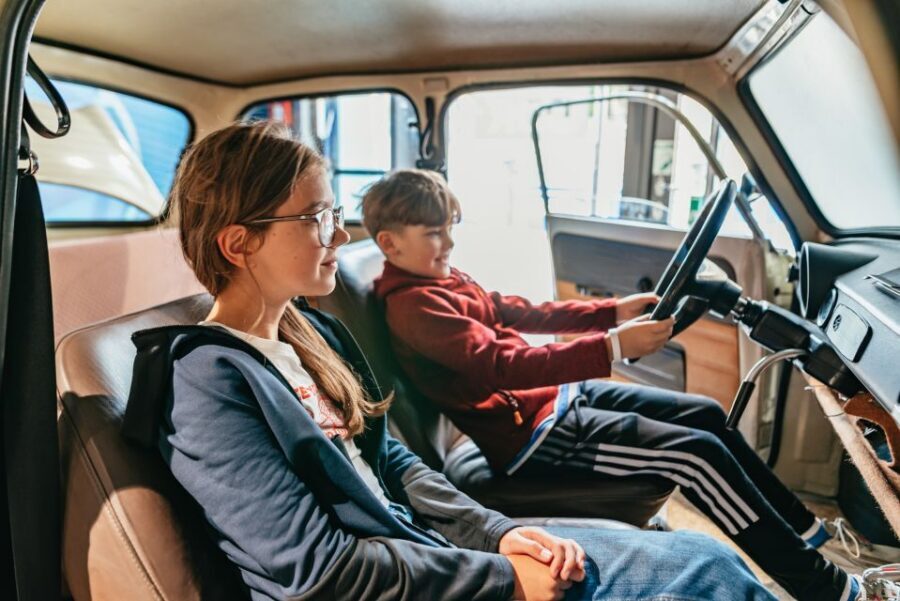
If you only do one thing here, make it the Trabant simulator. The museum lets you climb into an original Trabant and turn the ignition. When you do, it starts up and you get the typical Trabant noises—then the experience moves into a simulated voyage through the prefabricated districts.
This is the part that often becomes a family favorite, and not just because it’s fun. It also works as history in a way lectures can’t. You’re hearing and reacting to the machine. You’re experiencing the journey as a moment, not a diagram.
The simulation is designed to recreate the rhythm of a day in the DDR’s built environment: the prefab districts, the travel feel, and the sounds tied to the car. Even if you know Berlin history already, it gives you a different angle—what it might have felt like to move through those places using the transportation that was normal there.
Practical tip: if the simulator area looks busy, don’t panic and don’t assume you’ll get it quickly. The museum can be popular at peak hours, and the simulator is one of the biggest draws. If you want it without waiting forever, aim for earlier in the day.
More Than Apartments: Wall Cupboards, Home Objects, and Daily Contradictions
After the apartment spaces, you’ll start noticing how much the museum uses objects to show contradictions: what people wanted, what they had, and what life required them to manage.
One example is how the museum treats home storage and household systems as part of the story. The Karat wall-cupboard isn’t just displayed. It’s placed where it would normally live, and it’s presented with a sense of daily use—so you get a real feel for how storage shaped a home.
You’ll also find exhibit moments that reference media and public life. There’s a setup where you can watch news-reports sitting in an original cinema stall. That detail matters because it links home life to the kind of media environment people were surrounded by.
And the museum doesn’t avoid entertainment. You can even find interactive content tied to Lipsi—East Germany’s answer to rock-and-roll—so you understand that daily life included culture and music, not just politics and rules.
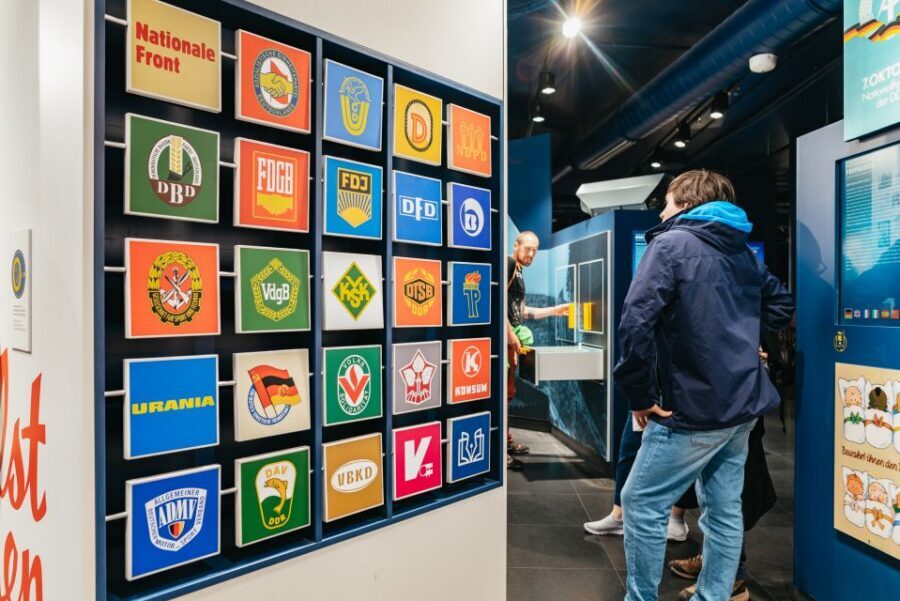
That balance is part of the value. You come away seeing the DDR as a full lived environment, with ordinary objects and ordinary routines, plus the pressures and limits that came with the system.
Even the Mood Shifts: Prison Cells and Other Hard Edges
Most museum visits move smoothly from interesting to educational. Here, the emotional tone can shift. One review mentioned sitting in a typical former East German prison cell, which signals that the museum does include darker parts of the story.
That matters because it changes what you do with the information you’ve collected in the apartments. Earlier rooms help you understand the texture of daily life. Harder spaces remind you that this life existed under surveillance, repression, and risk.
If you’re the kind of person who needs a moment after heavier exhibits, plan your pacing. The museum is built for self-guided wandering, so you can take pauses when your brain needs them.
How Long to Plan and When to Go (So You Can Actually Read Things)
The museum is open Monday through Sunday from 9am to 9pm. Two holiday exceptions are listed: December 24th and December 31st have shorter hours, opening 9am to 4pm.
How long you’ll need depends on how closely you read and how much you interact. Some people finish in about 1.5 hours if they focus on the biggest hits. Others spend around 2 hours, and there are also visitors who report longer sessions, closer to 3 hours, especially when they take their time with the rooms and hands-on details.
Crowds are the main practical issue. The museum can be popular and busy, and when it gets crowded, reading small labels becomes harder. On one busy day, it was described as difficult to see everything. Another note suggested going earlier because standing for long periods can be tiring.
My advice: aim for earlier in the day if you can. You’ll get two benefits: fewer people and more calm time to look into cupboards, read plaques, and operate interactive stations without feeling rushed.
Also, wear shoes you can stand in. It’s a walking museum with built-in exhibits and room-to-room movement, not a sit-down theater tour.
Price and Value: Why $15 Can Feel Like More Than One Museum
At about $15 per person, this is priced like a budget-friendly ticket, not a high-end guided tour. What makes it feel like strong value is the hands-on design. You’re not paying mainly for a room full of displays. You’re paying to interact with a living set of scenes—apartments, household objects, media moments, and the Trabant simulation.
And this is where the museum’s strengths line up with your time. It’s built to give you multiple ways to learn: reading, touching, hearing, and role-in-a-room experiences like the cinema stall. If you tend to enjoy museums where you can do something, not just look, the price-to-experience ratio is likely to feel fair.
It’s also good for mixed groups. Reviews point out it works for adults and children alike. Even if some people in your group are history-first, the simulator and interactive apartment moments give everyone something to do.
Who This Berlin Visit Fits Best (and Who Might Want to Adjust)
This experience is great if you want a real-feeling slice of East German daily life. If you like history that’s grounded in everyday objects—kitchens, furniture, storage, media—this museum will satisfy that curiosity fast.
It’s also a strong choice if you’re traveling with kids or teens. The hands-on approach and the Trabant simulator are genuinely engaging for younger visitors.
If you’re extremely sensitive to crowds or long standing, plan smart. The museum can get busy, and reading labels in a crowd is not always comfortable. You might still enjoy it, but you’ll want to pick a calmer time slot and pace yourself.
Should You Book DDR Museum Tickets?
Yes, if you want a Berlin museum that treats the past like something you can handle. The hands-on apartments, the Trabant ignition and simulator, and the way the exhibit uses everyday objects make this more than a standard walkthrough. At around $15, you’re also not taking a huge financial risk for a visit that can easily fill a big chunk of your day.
Book it if:
- You like interactive museums, not just display cases
- You want a lived-in view of East Germany, not just politics
- You’re traveling with family and need shared activities
Skip or adjust if:
- You hate crowds and struggle to read in busy spaces
- You want a deeply guided, lecture-style explanation (since no museum guide is included)
If your goal is to understand how people lived—through rooms, objects, and sound—DDR Museum is an easy recommendation.
FAQ
Where is the DDR Museum entrance?
The museum entrance is on the bank of the Spree, opposite Berlin Cathedral.
How much do DDR Museum tickets cost?
The price is listed as $15 per person.
How long can I use my ticket?
The ticket is valid for 1 day.
Does the ticket include a museum guide?
No. Entry to the DDR Museum is included, but a museum guide is not included.
What are the museum opening hours?
The museum is open Monday through Sunday from 9am to 9pm, except December 24th and 31st when it opens 9am to 4pm.
Are pets allowed?
Pets are not allowed.
Is free entry available for young children?
Children up to 5 get free entry.
Can I cancel and get a refund?
Yes. Free cancellation is available up to 24 hours in advance for a full refund.