REVIEW · ASCHAFFENBURG
Aschaffenburg: Private Guided Walking Tour
Book on GetYourGuide →Operated by Travmonde OÜ · Bookable on GetYourGuide
Aschaffenburg hides centuries in plain sight. In a tight 90-minute private walk, you get the city’s big storyline—from the Archbishopric of Mainz starting in 982—with stops tied to the major monuments.
I like two things most: the way the guide connects Schloss Johannisburg to art collections, and the calm, story-driven pace that makes heavy events feel manageable. One heads-up: entrance fees aren’t included, so if you want to go inside anything ticketed, you’ll need to budget extra.
You’ll also appreciate that this tour is built for real attention. It’s private (up to 15 people), with a local guide who stays with your group only. That means you can ask questions and linger a bit if something clicks.
In This Review
- Key things you’ll notice on this Aschaffenburg walking tour
- Why Aschaffenburg feels different from the rest of Lower Franconia
- From Archbishopric of Mainz to Bavaria: the power shifts you’ll hear about
- Schloss Johannisburg: seeing the art collection angle up close
- St. Peter und Alexander collegiate church and the Vischers monuments
- Thirty Years’ War scars and why this town was fought over
- Cold War layers: United States Army installations in town
- The on-the-spot customizing that makes private tours worth it
- Price and value for a 90-minute private group up to 15
- Timing, meeting point, and what to bring
- FAQ
- Where does the private tour start?
- How long is the Aschaffenburg private guided walking tour?
- What languages are available for the live guide?
- Is this a private group tour?
- How many people can be in a group?
- Are entrance fees included?
- What should I bring?
- Is there free cancellation?
- Can I reserve and pay later?
- Should you book this Aschaffenburg private walking tour?
Key things you’ll notice on this Aschaffenburg walking tour
- An 800+ year Mainz connection that starts in 982 and shapes what you see in town
- Schloss Johannisburg and its library-style collection of engravings and paintings
- St. Peter und Alexander’s 10th-century roots plus preserved monuments by the Vischers
- Turning points beyond the Middle Ages: German Peasants’ War (1525), Bavaria, and the Austro-Prussian War
- Cold War layers: why United States Army installations mattered here
- A private format you can steer with on-the-spot customizing
Why Aschaffenburg feels different from the rest of Lower Franconia
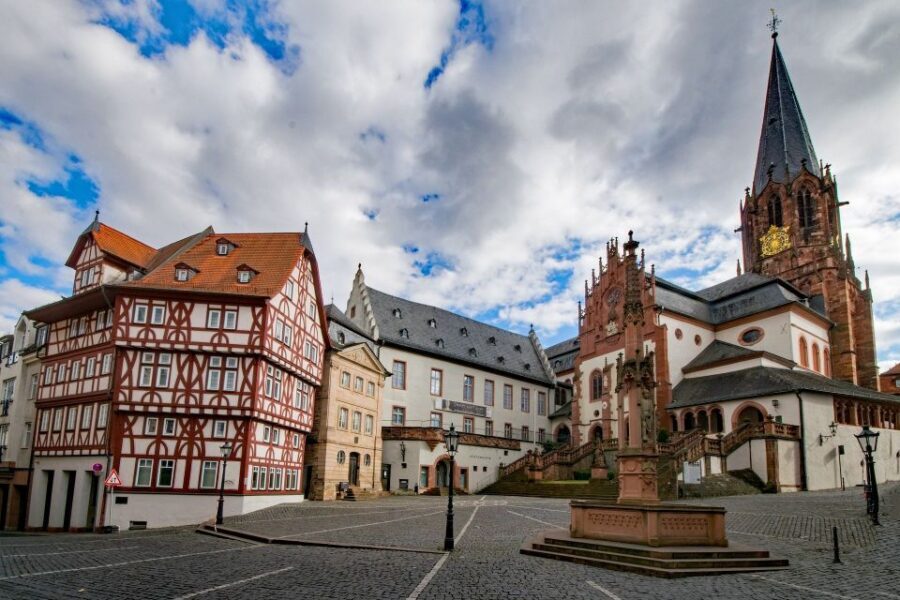
Aschaffenburg sits at the westernmost edge of Lower Franconia, separated from central and eastern areas by the Spessart Hills. That kind of geographic “in-between” matters. It helps explain why the city has collected so many layers of rulers, armies, and cultural influences.
On this tour, you’re not just looking at pretty buildings. You’re learning why the city’s location turned it into a prize and a corridor. When a place sits where routes and power lines meet, history tends to show up on the street level.
And that’s the tone I like here. The guide frames each stop so it answers a simple question: why did this matter to the people living here?
From Archbishopric of Mainz to Bavaria: the power shifts you’ll hear about
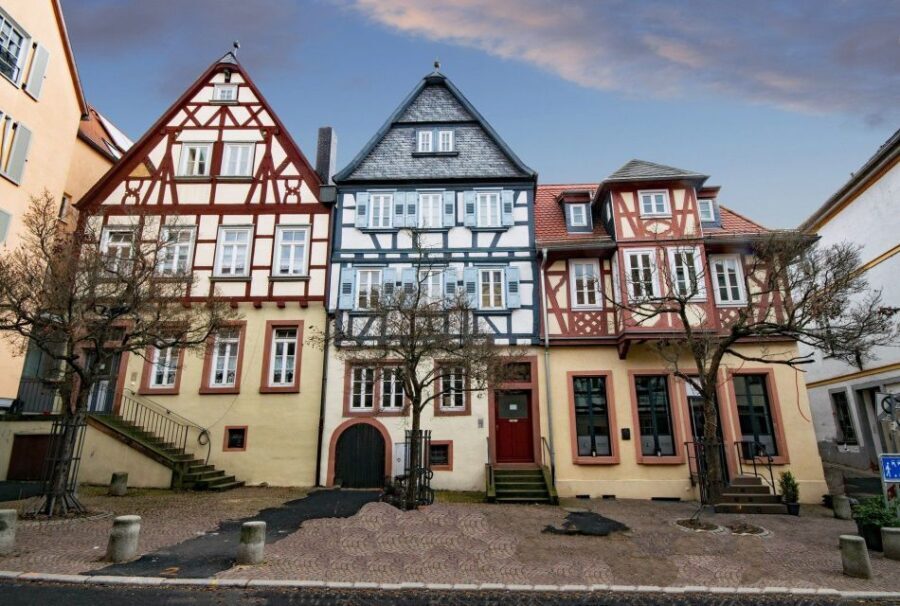
This city belonged to the Archbishopric of Mainz for more than 800 years, and it took a serious hit during the Thirty Years’ War. The key idea you’ll leave with is that politics was not a faraway topic. It was the weather. It shaped who had control, who paid, and which buildings were valued.
Here’s what your guide will help you connect as you walk:
- Mainz starting in 982: you’ll understand why a religious power could steer daily life for centuries
- The Thirty Years’ War: Aschaffenburg was held by different belligerents over time, so you’ll see why the story keeps shifting
- German Peasants’ War (1525): a reminder that power struggles weren’t only between elites
The tour doesn’t freeze you in the Middle Ages. You also cover how things changed later as the region moved through the 19th century, including learning about the Kingdom of Bavaria. If you’ve ever wondered why Franconia can feel both “Catholic/old” and “modern/government,” this is the kind of framework that makes it click.
Then the discussion widens to military history—especially the Prussian Army and the Austro-Prussian War. You don’t need to be a military-history person to appreciate it. What matters is how later nation-building turns into real-world outcomes: borders, identity, and the direction of travel and trade.
Schloss Johannisburg: seeing the art collection angle up close
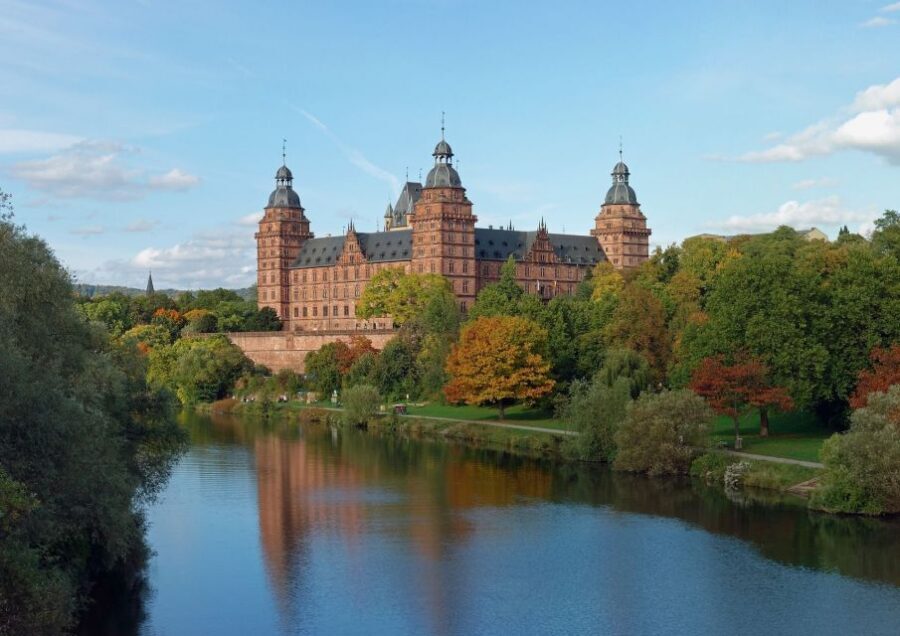
Schloss Johannisburg is one of the main sights, and it’s a smart choice for a walking tour stop. You’re not only standing in front of a famous building. You’re being pointed toward what’s inside and what it represents.
A highlight here is that Schloss Johannisburg contains a library of engravings and paintings. That’s a distinctive way to talk about power. Art collections like this weren’t just decoration. They were a way for rulers and institutions to show education, connections, and taste—signals that traveled farther than any local sermon.
Practical note: the tour doesn’t include entrance fees, so you’ll need to decide what you want to spend your time (and money) on. If you love seeing collections in person, you’ll likely want to add time for ticketed entry. If you prefer the story aspect, you can still enjoy the exterior and context the guide gives.
St. Peter und Alexander collegiate church and the Vischers monuments
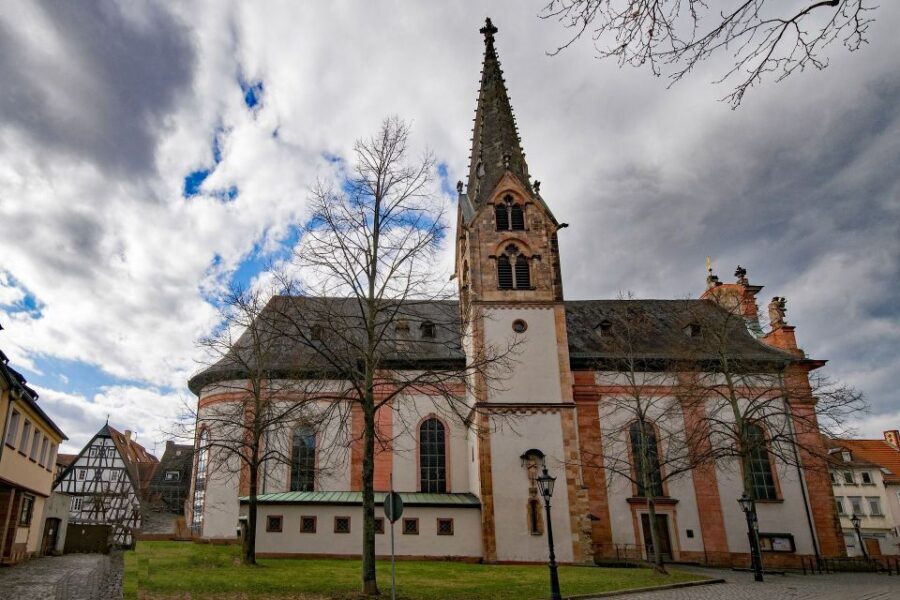
St. Peter und Alexander is another big stop, and it brings the tour into a different emotional register. The church was built in the second half of the 10th century, so you’re dealing with a very early foundation. That changes how you interpret the area. You’re not just seeing a monument; you’re reading the long timeline of what survived.
This stop also includes a specific detail that’s worth paying attention to: the church preserved various monuments by the Vischers. That matters because it’s proof of continuity. Even when political control changed, some artistic work endured.
When the guide explains why those monuments matter, you’ll probably find yourself looking slower. Instead of generic “nice church” energy, you start noticing what’s original and what’s been carried forward.
If you want one piece of advice: wear shoes you can stand in. The church stop is where the narration typically benefits from patient looking, not speed-walking.
Thirty Years’ War scars and why this town was fought over
Aschaffenburg suffered most during the Thirty Years’ War, and it was held in turn by various belligerents. That single sentence is doing a lot of work, and your guide will help you unpack it.
Why does that matter while you’re on foot?
- It explains why a city could change hands repeatedly
- It helps you understand why certain institutions and monuments get special attention
- It gives you a lens for interpreting what looks “stable” today
A good private guide makes the violence feel grounded. Not graphic. Not sensational. Just clear on cause and effect. And based on the tour style people talk about—informative, exciting, told calmly—you can expect that kind of controlled pacing. The stories fit the streets.
There’s also a bonus effect: once you understand this war context, other later conflicts (like the 1525 German Peasants’ War and the Austro-Prussian era) stop feeling random. They start feeling like chapters of the same long argument about control.
Cold War layers: United States Army installations in town
One of the most surprising parts of Aschaffenburg’s story is the Cold War connection. During that period, the town was the location of several United States Army installations.
That’s a big contrast from the earlier centuries of bishoprics and wars of succession. It also explains why the city has more than one kind of “memory.” Old power structures and new military presence can coexist in a single town, and the meanings can overlap in ways you wouldn’t guess just by strolling.
This is also where a guide’s storytelling helps most. You’re trying to connect modern structure to past purpose. Without context, you’d just see buildings or areas that look like infrastructure. With context, you understand why they mattered to real people at a specific moment in history.
The on-the-spot customizing that makes private tours worth it
This tour is private, and your guide will be with your group only. That’s not just a comfort perk. It changes the quality of the conversation.
You can usually steer the focus in small ways—more time at a monument you care about, a question about a historical period that feels confusing, or a request to explain a name you keep hearing (like the Archbishopric of Mainz theme). With a private guide, your curiosity doesn’t get pushed to the side so the group can catch up.
Duration matters too. 90 minutes is long enough to cover multiple major landmarks but short enough to keep energy up. You won’t be trapped in a marathon. It’s a “get the story, see the essentials” format.
If your group includes different interests, you’ll also appreciate that the tour spans eras: prehistory-to-Middle-Ages context through modern changes into the 19th century, plus Cold War and 19th-century military history.
And yes, there can be a fun teaching moment: one past guest highlighted a turtle as part of the experience and called it both fun and informative. That’s the kind of detail that keeps history from feeling like a textbook.
Price and value for a 90-minute private group up to 15
At $288 per group for up to 15 people, this is priced like a true group deal. If you fill the group limit, the cost can work out to roughly $19 per person. If you have fewer people, the per-person value drops, but you still have the advantage of a single guide dedicated to your group only.
Here’s how I’d judge whether it’s worth it for you:
- If you’re 6–10 people, this often becomes good value versus individual-based sightseeing with guides
- If you’re only 1–2 people, it’s more of a “pay for privacy and history focus” choice than a bargain
- If you want a guided storyline (not just photos and facts), the structure justifies the price
Also note: entrance fees are not included. That’s normal for walking tours, but it affects total cost if you decide to go inside ticketed sites. The smart move is to plan what you want to pay for upfront: do you want the story from outside, or do you want the full interior experience?
Timing, meeting point, and what to bring
You’ll meet at Tourist-Information Aschaffenburg, Schloßpl. 2. Bring comfortable shoes. This is a walking tour, and the best way to enjoy church and palace stops is to be able to stand comfortably while the guide explains what you’re seeing.
The tour runs 90 minutes, in English or German, and it’s offered as a live guide experience with a private group setup.
FAQ
Where does the private tour start?
You’ll meet at Tourist-Information Aschaffenburg, Schloßpl. 2, 63739 Aschaffenburg, Germany.
How long is the Aschaffenburg private guided walking tour?
The duration is 90 minutes.
What languages are available for the live guide?
The tour is available in English and German.
Is this a private group tour?
Yes. It’s a private group experience, with your guide working only with your group.
How many people can be in a group?
The price is listed per group up to 15 people.
Are entrance fees included?
No. Entrance fees are not included.
What should I bring?
Wear comfortable shoes for walking.
Is there free cancellation?
Yes. You can cancel up to 24 hours in advance for a full refund.
Can I reserve and pay later?
Yes. You can reserve now and pay later.
Should you book this Aschaffenburg private walking tour?
If you like history tied to specific places—palaces, churches, and the way wars and rulers leave traces—this is a strong choice. I especially like it when a guide helps you connect eras, from the Archbishopric of Mainz and the Thirty Years’ War to later periods like Bavaria and the Austro-Prussian War. The private format is also a plus: it keeps the pace calm and lets you ask what you actually want answered.
Book it if:
- You want a guided storyline, not just a sight list
- You’re traveling with a group and want value as a group of up to 15
- You’re curious about how Cold War-era military presence fits into an older German city
Skip it or adjust expectations if:
- You want a lot of inside time, since entrance fees aren’t included
- Your priority is quick photo stops only, because this tour is built for interpretation as you walk