REVIEW · OBERMAISELSTEIN
Snowshoe hike in the Allgäu
Book on GetYourGuide →Operated by Spirits of Nature · Bookable on GetYourGuide
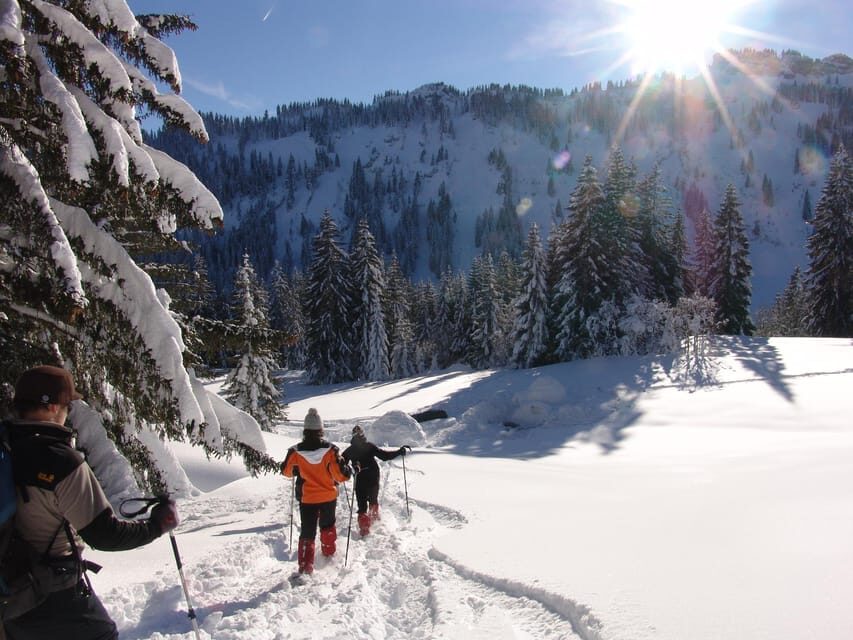
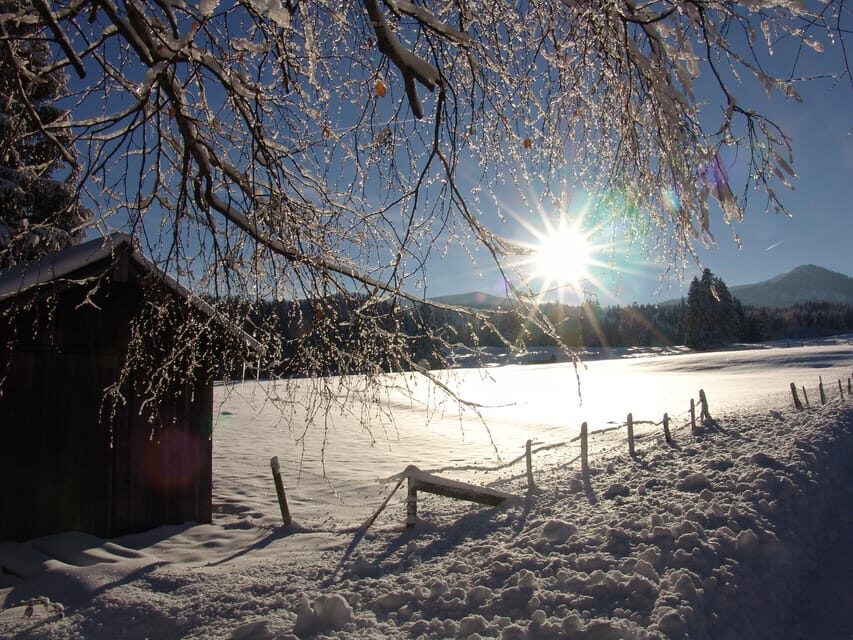
Snowshoeing in the Allgäu feels like winter magic. This experience turns the white Bavarian hills around Riedbergerhorn into a guided, practical workout—without making it complicated. You get the full setup, a certified local guide, and a route paced for different fitness levels, so you can focus on moving, breathing, and taking in the snow.
I especially like the complete equipment package: snowshoes, ski poles, and gaiters are included, plus a hot drink after you’re out of the cold. And after a short intro, the tour emphasizes learning the basics quickly so you can roam through the untouched winter scenery with confidence.
One drawback to plan for: winter clothing is not included, and the hike isn’t suitable if you have low fitness. It’s also not for very young kids (under 8), so you’ll want to dress like you mean it and bring your most steady legs.
In This Review
- Key Things to Know Before You Go
- Skiparadies Grasgehren to Riedbergerhorn: A Start That Makes Sense
- The 15-Minute Safety Briefing That Makes Snowshoes Click
- Three Hours in Winter: What the Guided Hike Feels Like
- Routes Chosen by Fitness: How They Keep It Fun
- What’s Included (and Why It Changes the Value)
- Gear Fit and Snowshoe Technique: Small Setup, Big Difference
- The Guide Factor: Friendly, Flexible, and Focused
- Timing, Weather, and What to Wear in the Allgäu Cold
- Who This Snowshoe Hike Is Best For
- Quick Rules That Help Keep the Day Smooth
- Should You Book This Snowshoe Experience?
- FAQ
- Where does the snowshoe hike start?
- How long is the tour?
- Is the hike guided the whole time?
- What language is the guide?
- What’s included in the price?
- What should I bring?
- Is this tour suitable for children?
- Is it wheelchair accessible?
Key Things to Know Before You Go
- Complete snow gear included: snowshoes, ski poles, and gaiters, so you don’t waste time shopping
- A real safety briefing first: you start with a focused 15-minute orientation before you’re out on snow
- Guide-led routes match fitness: summit-style climbs, gorge hikes, or higher plateaus depending on the group
- Time for photos without chaos: pace is adjustable, so stops don’t feel rushed
- Guide support matters: the tone is friendly and instructional, including clear guidance on snowshoe technique
- Hot drink is part of the experience: you warm up during the tour flow, not just at the end
Skiparadies Grasgehren to Riedbergerhorn: A Start That Makes Sense
The tour’s starting point is Skiparadies Grasgehren – Riedbergerhorn. That’s a big deal in winter, because easy logistics reduce stress. When snow is deep and weather changes fast, the less time you spend figuring things out, the more you spend enjoying the day.
This is also a region built for winter activities. The mountains and lift-area infrastructure mean you’re likely to find practical support around you—parking, trail access, and the kind of atmosphere that doesn’t feel like you’re “breaking trail” alone. The vibe here is outdoor-first: you’re there to walk in snow, not to just look at it from a viewpoint.
The tour timing is also well thought out for most visitors: the total listed duration is 210 minutes. That usually translates into a half-day outing feel—enough time to get out there and earn a little winter glow, but not so long that you’re dragging by the end.
The 15-Minute Safety Briefing That Makes Snowshoes Click
Before you move, you get a safety briefing that lasts about 15 minutes. I like that this isn’t an afterthought. Snowshoes are simple once you’re on the right settings and moving with the right rhythm, but they’re still a traction tool, not magic.
In practical terms, this briefing helps you:
- learn how to strap into the setup properly
- understand how to move on snow without wasting energy
- get clear on what the guide needs you to do during the hike
And because an outdoor guide is always on hand, you’re not left to guess if something feels off. If you’re new to snowshoes, this short orientation can be the difference between a fun workout and an awkward slog.
There’s also an important behavior boundary in the rules: alcohol and drugs aren’t allowed, and littering is out. It’s the kind of clear policy that helps keep the group safe and focused on the outdoors.
Three Hours in Winter: What the Guided Hike Feels Like
The guided portion is about 3 hours, and it’s built around a winter-wonderland feel without turning into a technical expedition. You’re exploring snow-covered terrain around the Allgäu mountains with a guide who can steer you based on conditions and the group’s abilities.
What I find smart here is that the hike style can vary. You might go after:
- a summit assault vibe (for those who want more elevation work)
- a hike through a gorge feel (for variety and interest)
- a hilly high plateau style (for views and steady effort)
You’re not locked into just one “type” of snow hike. That matters because it lets you match what you want from the day. If you enjoy climbing, you’ll likely find an option that scratches that itch. If you just want time outdoors with a good pace, there’s room for it too.
Pace is also adjustable. In real-world winter hiking, speed isn’t just about legs—it’s about footing, group comfort, and when people need a slower moment to take photos or catch their breath. This tour is designed so the guide can shift the rhythm while still keeping everyone moving.
Routes Chosen by Fitness: How They Keep It Fun
One of the best parts of this experience is the way routes are chosen according to fitness level. That’s not just comfort—it’s safety and enjoyment. When a group isn’t evenly matched, people either rush and get sloppy or they slow down so much that others get cold and bored.
Because routes can range from climbs to other terrain types, you’re more likely to find the right level of challenge. The snowshoe skill itself is taught fairly quickly, but the physical demand still varies: some days mean more elevation, some days mean longer steady walking.
From guidance style to pace adjustments, the goal is that everyone gets to feel like the tour is worth it. That shows up in how the day is described by participants who liked the route length and how the speed could be adapted for different needs.
What’s Included (and Why It Changes the Value)
At $57 per person for about 210 minutes, the best value comes from what’s included. You don’t just rent a pair of snowshoes and hope for the best. The tour includes:
- Certified local guide
- snowshoes
- ski poles
- gaiters
- hot drink
That’s important because winter gear is often the hidden cost. If you’ve ever tried to improvise with the wrong footwear or no proper gaiters, you know what can happen: cold feet, slipping, or constant adjusting. Here, you’re starting with the basics covered.
A hot drink inclusion is also a real quality-of-life detail. Cold hiking drains you faster than you expect, and having a warm break integrated into the experience helps you enjoy the second half of the hike instead of counting down to the end.
What’s not included:
- a snack
- winter-proof clothing (trousers, jacket, gloves)
So if you want to make it easy on yourself, plan ahead. Wear warm layers you can move in, bring gloves that grip well, and consider bringing something small to eat so you’re not thinking about food the moment you start feeling tired.
Gear Fit and Snowshoe Technique: Small Setup, Big Difference
When gear is included, the next question is how well it fits and how quickly you learn to use it. This tour is set up with instruction after arrival, and that matters because snowshoe movement has its own rhythm.
The poles and gaiters aren’t just extras:
- poles help stabilize your stride and control effort on uneven snow
- gaiters help keep snow out and reduce the “wet cold” feeling in your lower legs
Plus, snowshoe technique usually comes down to confidence in your steps. Once you’re strapping in correctly and learning how to step and distribute weight, you’ll move more smoothly with less wasted energy. That’s when the hike stops feeling like work and starts feeling like an actual winter outing.
The Guide Factor: Friendly, Flexible, and Focused
A standout feature is the guiding style. The vibe isn’t stiff. It’s supportive and instructional, and the guide can adjust when needed.
For example, a participant noted flexibility when a start had to change due to an accident on an access road. That’s exactly the kind of real-life adjustment you want on a winter day. Weather and traffic happen. A good guide doesn’t make the experience brittle.
You’ll also likely get meaningful local context. One review mentioned the guide explaining surroundings and landscape features during the climb, and another highlighted a guide named Fabian being kind, accommodating, and knowledgeable about the route.
This matters because a snowshoe hike can be purely physical—or it can also make you feel oriented in the place you’re walking through. With an engaged guide, you’re not just trudging across snow. You’re walking through an area with details worth noticing.
Timing, Weather, and What to Wear in the Allgäu Cold
Winter in Bavaria can mean anything from crisp and clear to snow-heavy and slow. The good news is that this tour is designed for snowshoe travel, so you’re not expected to handle conditions alone.
What you do need to handle is clothing. Since winter-proof trousers, jacket, and gloves aren’t included, you’re responsible for warmth and mobility. Dress for real cold, not “mild winter.” Gloves matter more than you think because you’ll likely be adjusting straps, handling poles, and moving your hands between warm layers.
Also consider your base layers. If you start too cold, it’s hard to warm up. If you start too warm, you’ll sweat and chill later. That’s the balancing act in snow hiking, and a good outfit makes the day feel smoother.
If you’re the type who gets cold fast, you’ll feel the benefit of the included hot drink and the shorter overall duration. It’s long enough to be satisfying, not so long that you’re fighting your own body the entire time.
Who This Snowshoe Hike Is Best For
This tour fits best if you:
- enjoy walking and want an outdoor winter workout
- can handle some elevation and uneven snow
- want an organized hike with equipment handled for you
- like learning equipment basics quickly
It’s not for everyone. It’s not suitable for wheelchair users, people with low fitness, or children under 8. And there’s an upper age limit (not suitable for people over 95).
Language is German, and the live guide speaks German. If you’re comfortable with basic German, you’ll have an easier time following instruction. If not, the visual and practical nature of snowshoe coaching still helps, but you should expect the explanations to be in German.
Quick Rules That Help Keep the Day Smooth
These tours work best when the group follows the basics. You’ll want to keep alcohol and drugs out of the equation, and treat the trail responsibly—no littering. Baby carriages are also not allowed, which makes sense for snow travel where maneuvering can get messy fast.
The point is simple: keep focus on the hike, the guide, and the snowshoeing. It’s a winter activity that runs best when everyone is aligned.
Should You Book This Snowshoe Experience?
If you want a guided snowshoe hike that handles the gear and keeps things friendly, this is a strong pick. The value feels solid for $57 because snowshoes, poles, gaiters, a hot drink, and a certified local guide are all included. You’re not paying extra just to be properly set up for winter.
Book it if:
- you’re ready for a real winter walk around the Allgäu
- you want instruction right away so snowshoeing feels natural
- you appreciate adjustable pacing and a guide who can handle changes
Skip it if:
- you don’t have winter-proof clothing and aren’t willing to bring your own
- you’re dealing with low fitness or you need wheelchair-friendly routes
- you need an English-speaking guide (this one is German)
FAQ
Where does the snowshoe hike start?
It starts at Skiparadies Grasgehren – Riedbergerhorn.
How long is the tour?
The total duration is about 210 minutes.
Is the hike guided the whole time?
You get a safety briefing first, and then you’re on a guided tour for about 3 hours.
What language is the guide?
The live tour guide speaks German.
What’s included in the price?
You get a certified local guide, snowshoes, ski poles, gaiters, and a hot drink.
What should I bring?
You’ll need winter-proof clothing, including trousers, a jacket, and gloves. Snacks are also not included.
Is this tour suitable for children?
No, it’s not suitable for children under 8.
Is it wheelchair accessible?
No, wheelchair users aren’t suitable for this activity.